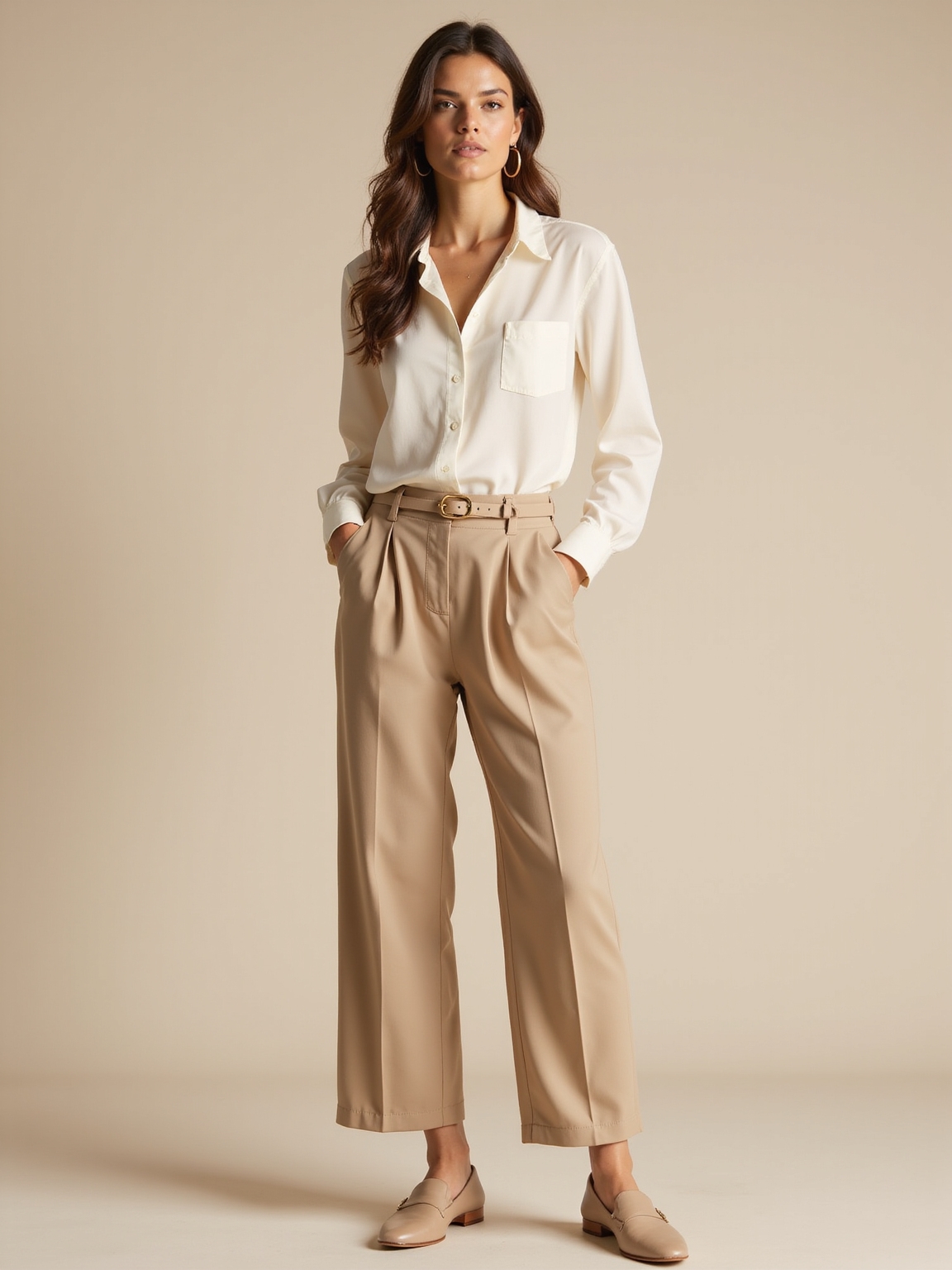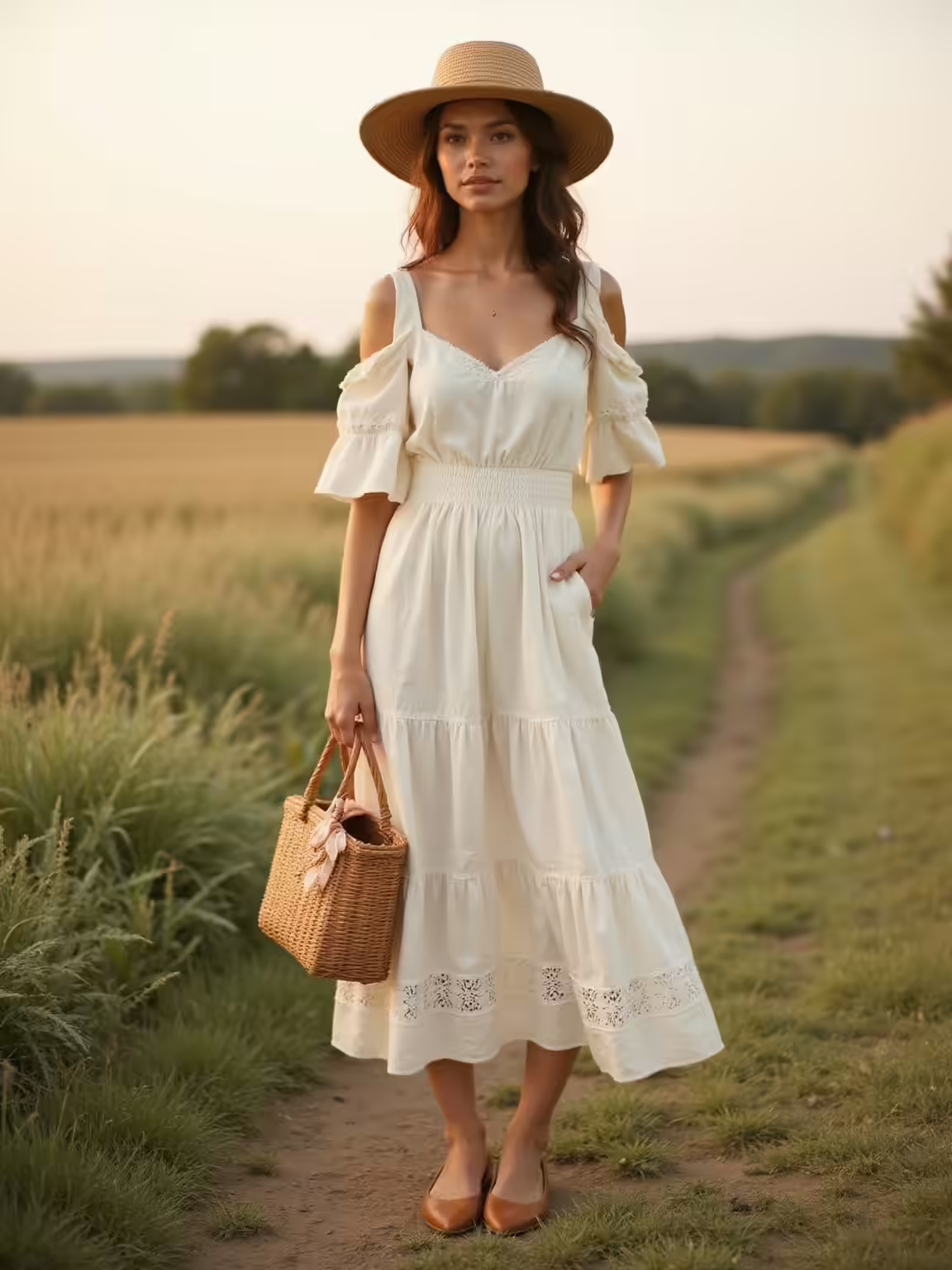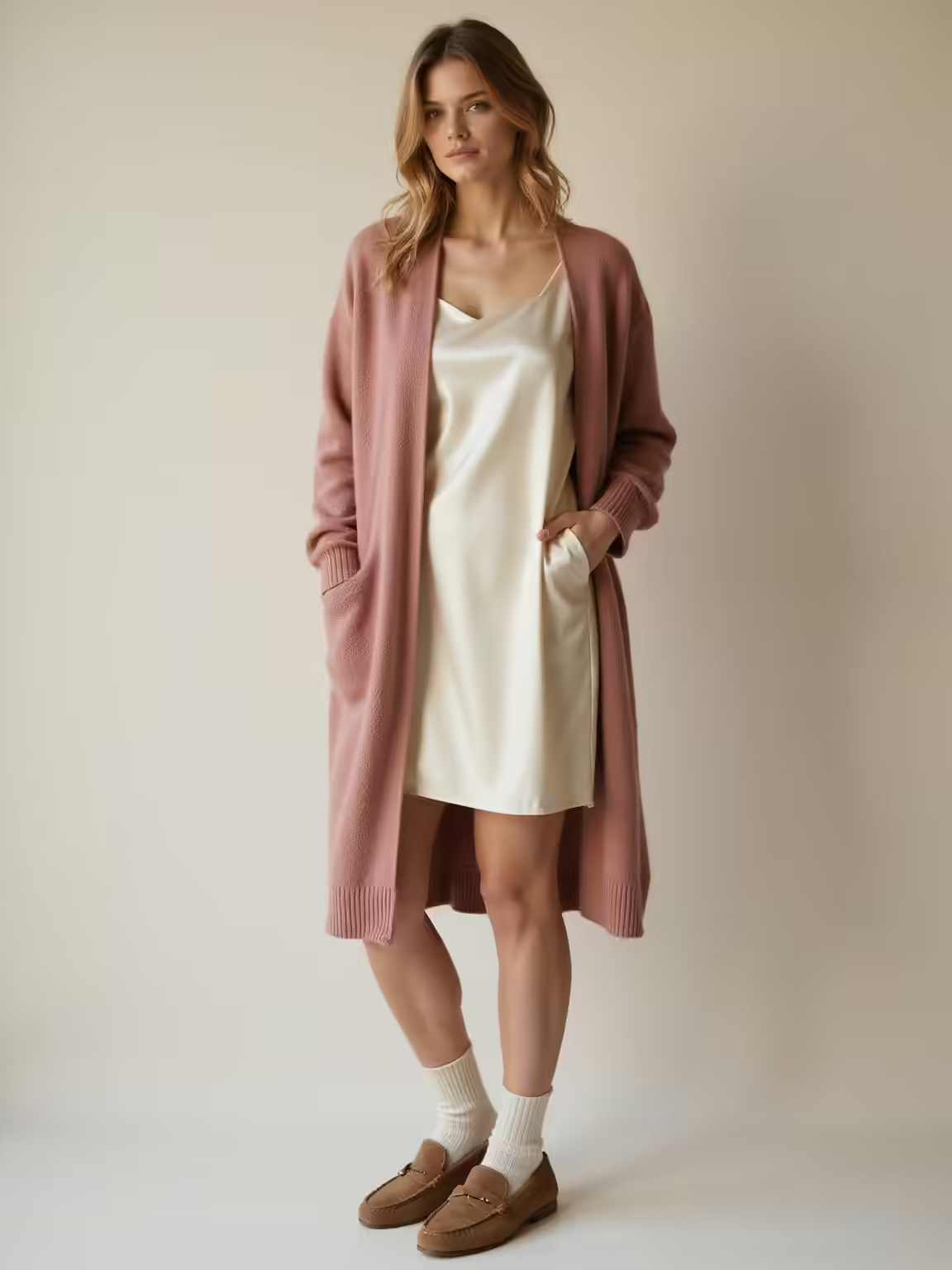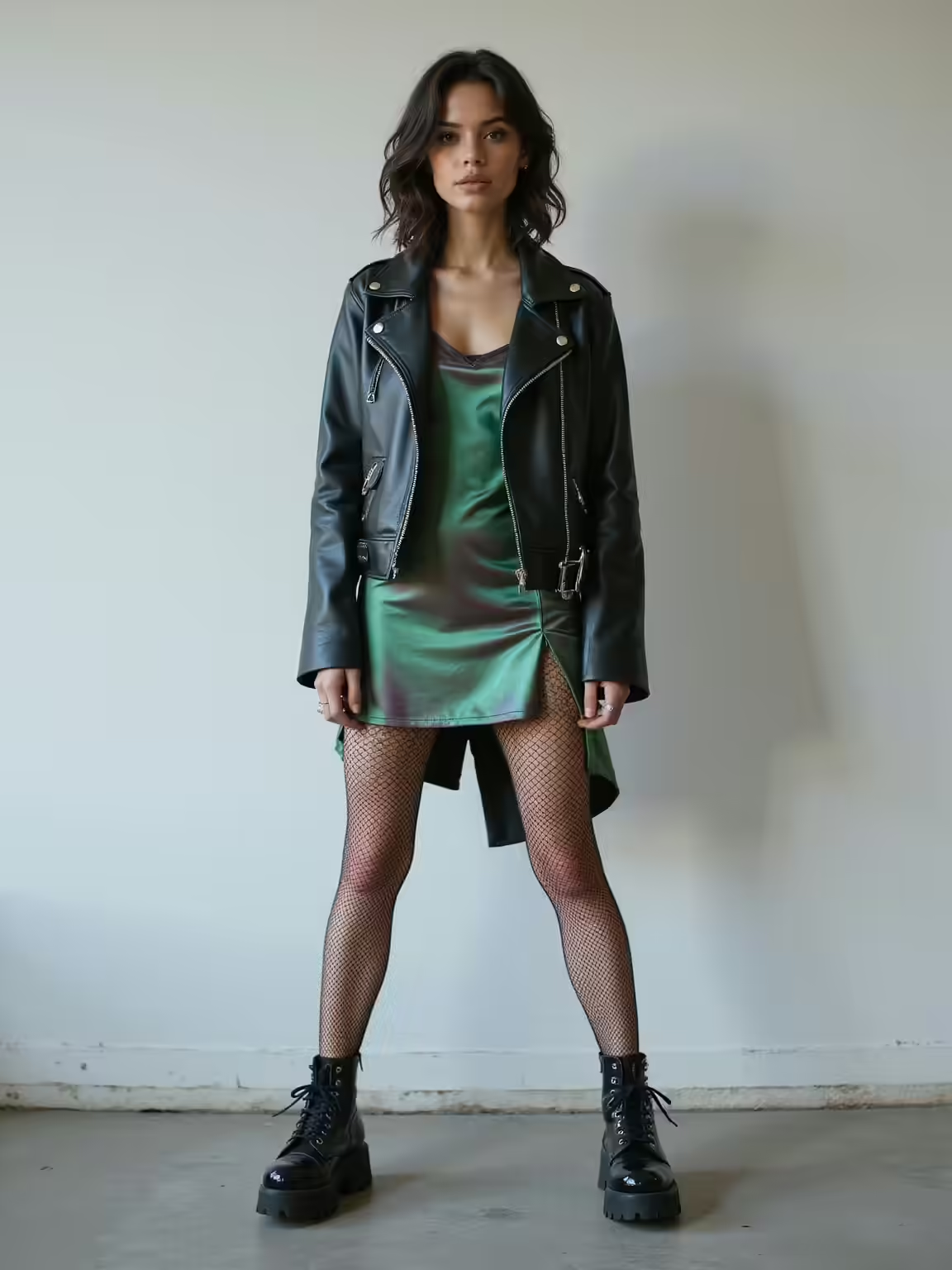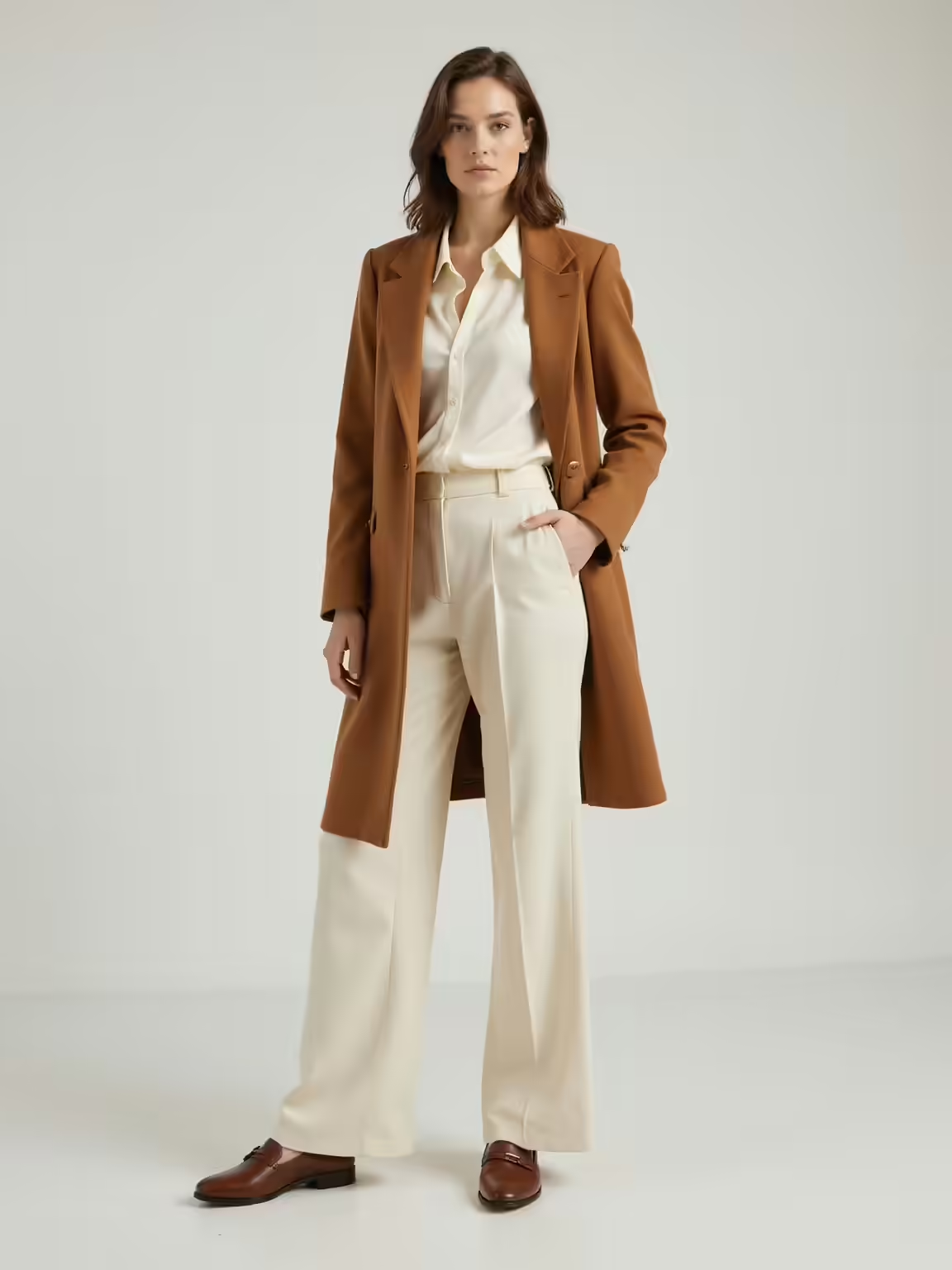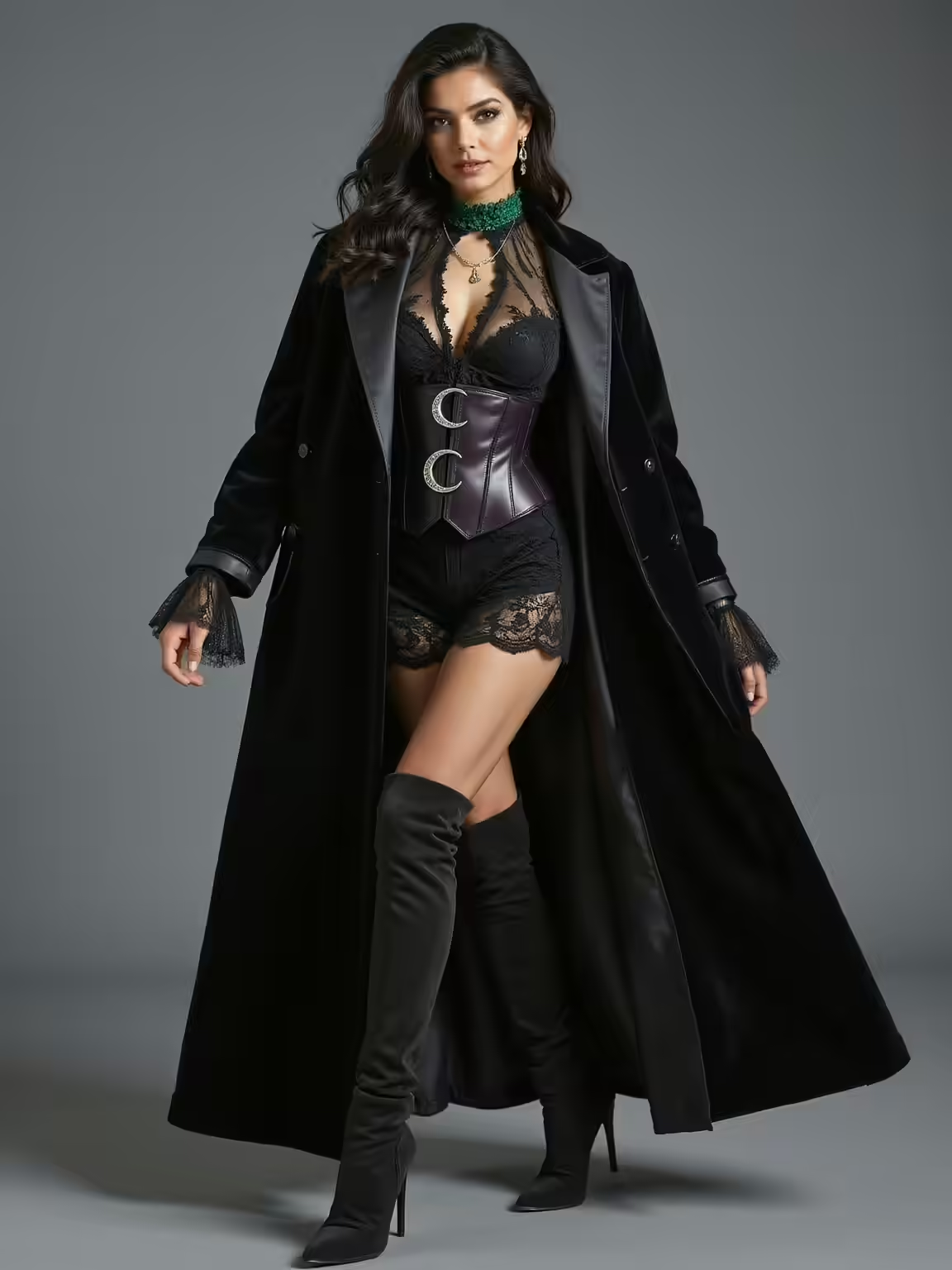

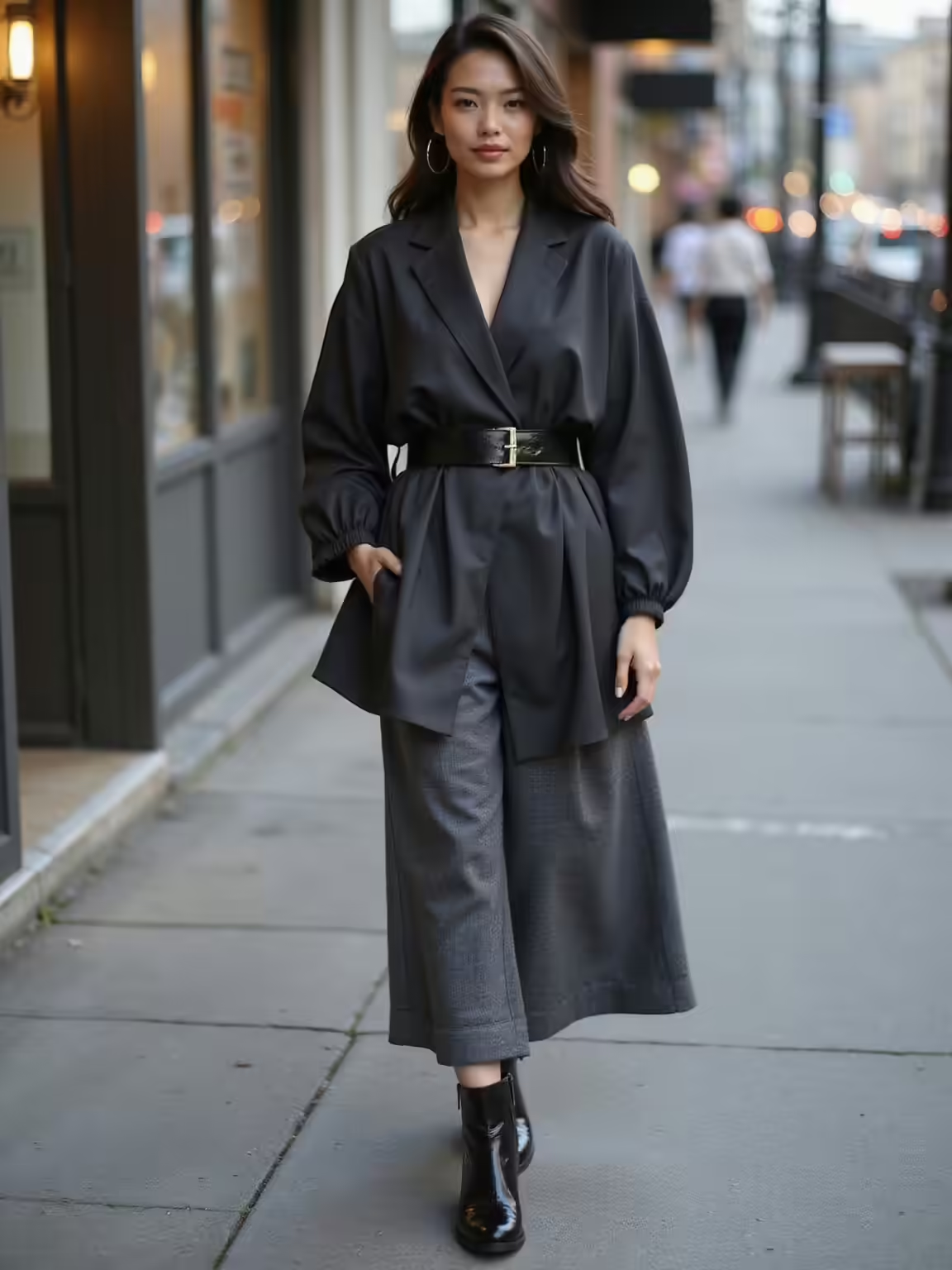
I’ve chased Tokyo streets for years, and I’m drawn to looks that mix quiet tailoring with playful accents—boxy tops over drapey skirts, cropped pants with oversized coats, or a polished baker boy hat anchoring a soft pastel outfit.
I favor layered neutrals with one bold color or a vintage focal piece balanced by modern cuts. Shoes and bags ground the mood; fabrics whisper texture. Stick with thoughtful proportions and I’ll show you how to build each signature vibe.
Signature Japanese Street Styles Every Enthusiast Should Know
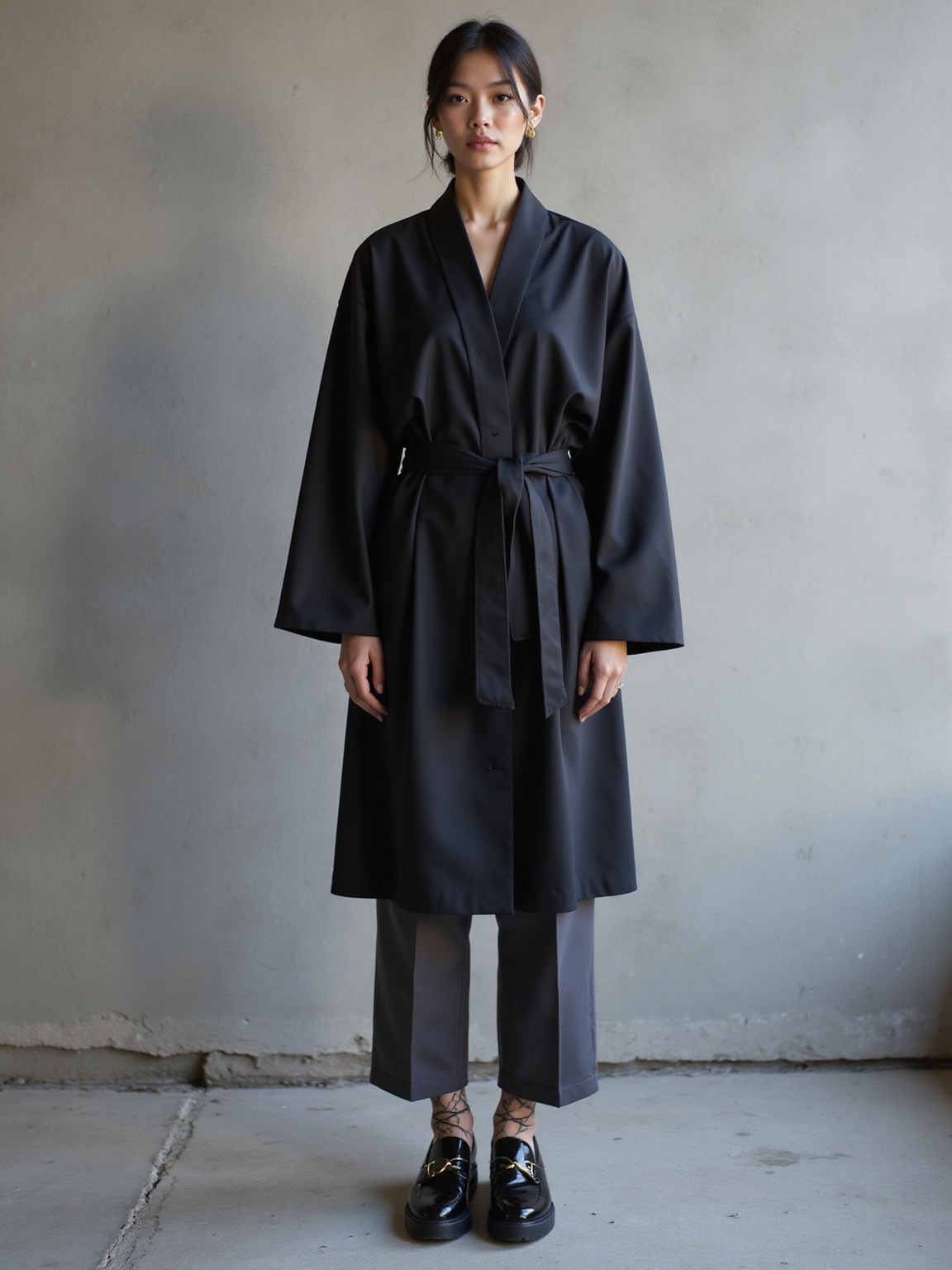
When I first wandered Tokyo’s neighborhoods, I quickly learned that Japanese street style isn’t a single look but a vivid language of distinct voices — from Harajuku’s playful maximalism to Shibuya’s sleek, urban polish.
I noticed genres: Lolita’s ornate charm, minimalist Kansai tailoring, punkish Koenji edge, and techwear futurism. Each speaks intent; learning them sharpened how I read and choose pieces.
Mastering aesthetic Korean fashion principles helped me compare and contrast regional influences more clearly.
Build-a-Look: 3 Simple Japanese Street Outfits
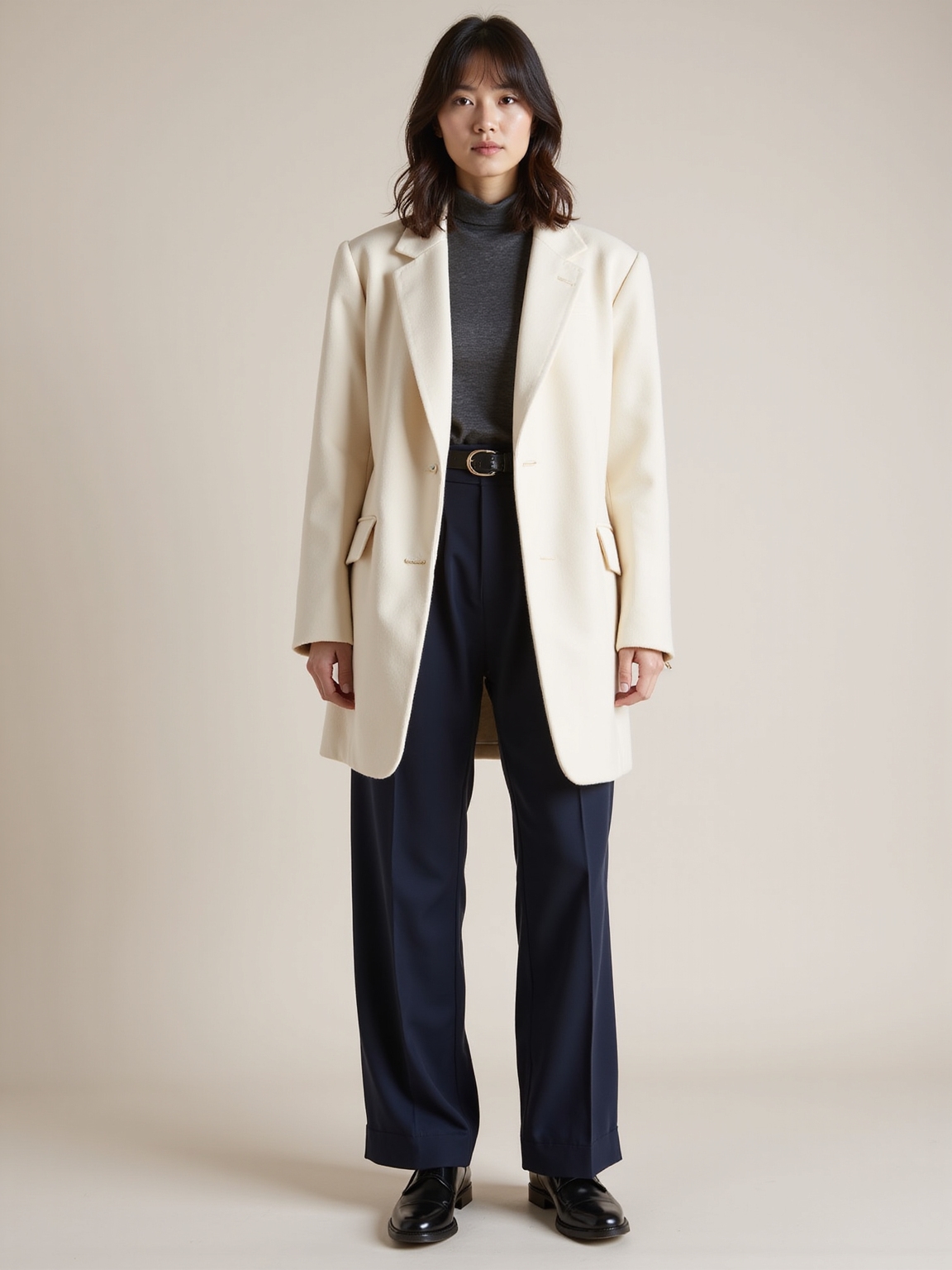
I’ll walk you through three easy Japanese street outfits that I actually wear and tweak around town, each built from a few deliberate pieces so you can mix, match, and make them your own; think a playful Harajuku-inspired look, a muted Kansai minimalist outfit, and a practical techwear set for rainy afternoons.
First: oversized tee, pleated skirt, platform sneakers.
Second: neutral blazer, tapered trousers, loafers.
Third: waterproof jacket, cargo pants, sleek boots.
Japanese Outfits Casual Aesthetic Lovers Will Totally Adore is a great place to start for inspiration, especially if you love mixing playful and minimalist elements like those described here and want to explore Charming Casual styles.
Harajuku Playfulness: Making It Wearable
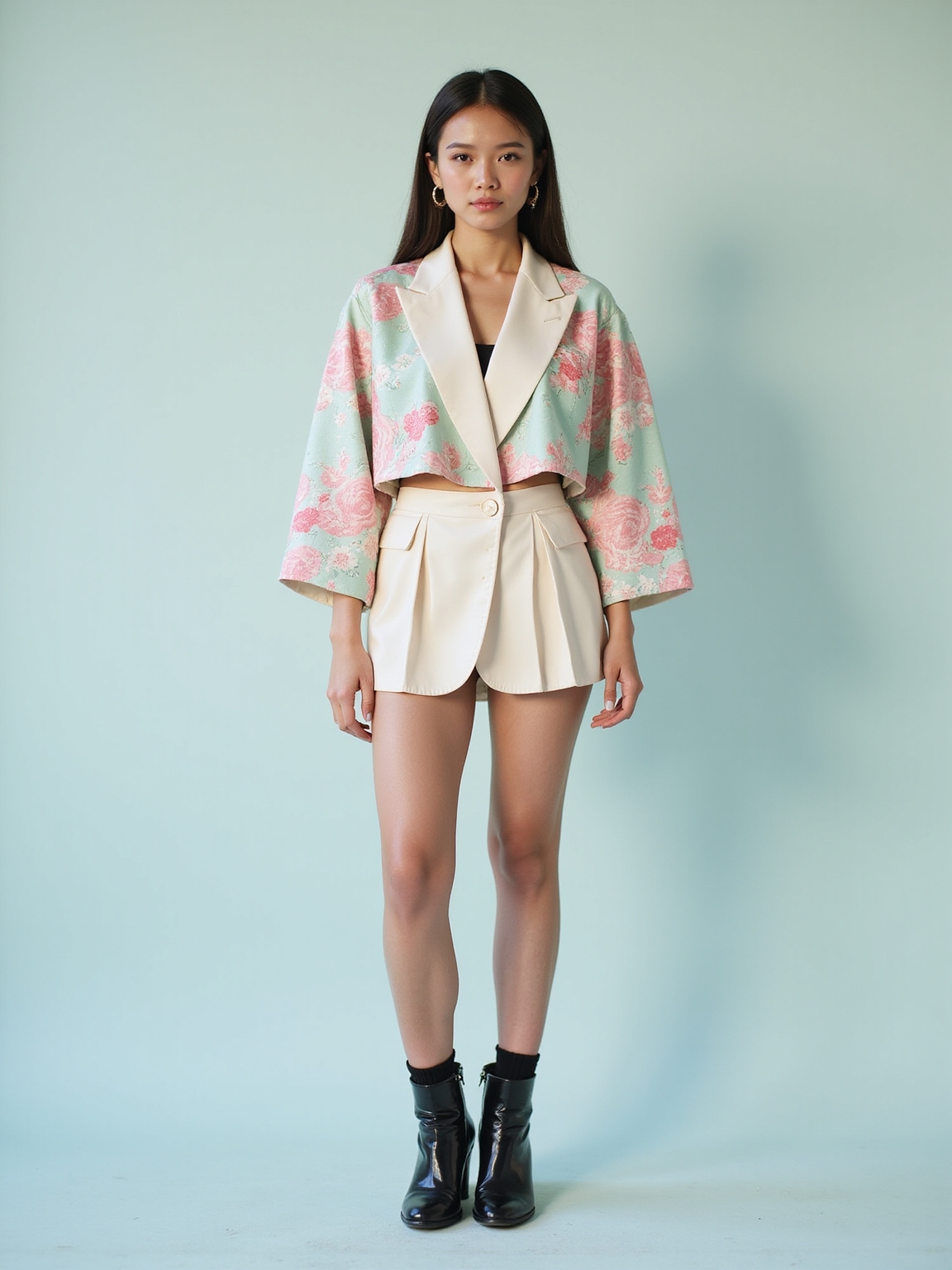
I lean into Harajuku’s whimsy but pare it down so it actually works for everyday life; think of it as translating fantasy into a language your routine understands.
I mix a playful accessory, muted pattern, and one bold silhouette, then balance with neutral basics. I keep colors intentional, textures tactile, and proportions readable so the look feels joyful, not costume-y, on commute or coffee dates.
The look nods to broader trends like Y2K revival with renewed streetwear influences and modern tailoring to keep it grounded.
Tokyo Minimal Tailoring: Everyday Tips
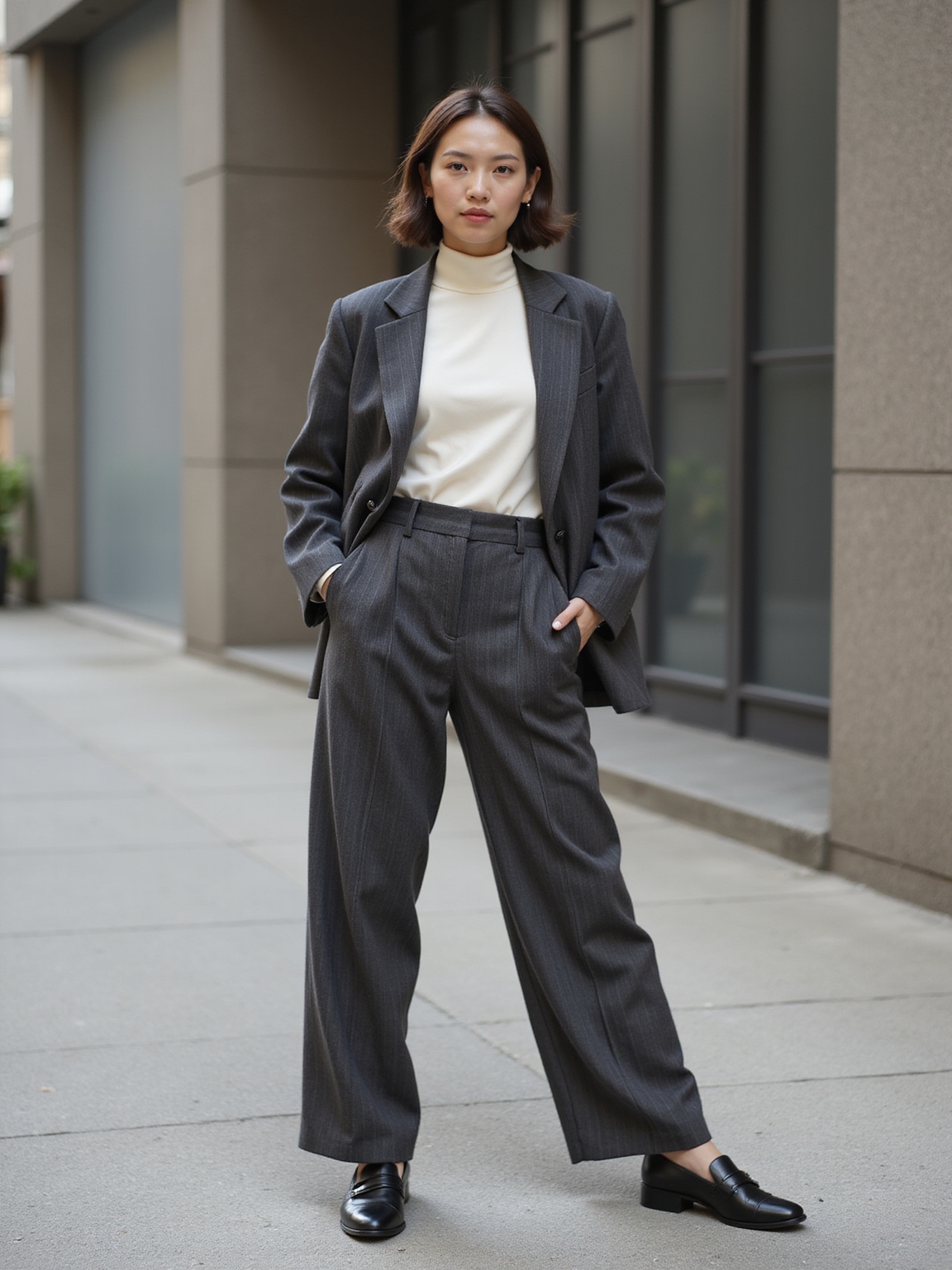
I’ve found that Tokyo minimal tailoring lives in thoughtful layering—thin knits under a sharp blazer or an oversized coat kept intentionally simple.
Pay close attention to proportion and fit: a cropped jacket can balance wide trousers, while a longer coat lengthes a slim silhouette.
I’ll show you everyday tips to make these streamlined choices feel effortless and distinctly urban.
Korean trends have influenced how street style mixes minimal tailoring with soft, casual pieces, especially through Korean aesthetic outfits that emphasize clean lines and layering.
Streamlined Layering Techniques
Although Tokyo’s weather shifts quickly, I stick to a few streamlined layering rules that keep outfits elegant and effortless.
I favor thin merino or silk bases, a structured mid layer, and a lightweight coat with clean lines. I limit colors, play with texture, and make certain each piece breathes. That way, layering looks intentional, feels comfortable, and reads quietly modern.
Nashville winters also reward thoughtful layering with cozy pieces like wool scarves and insulated outerwear for cozy winter style.
Proportion And Fit
When I dress, proportion matters more than trend—because the right balance makes simple pieces feel deliberate. I favor clean silhouettes that whisper, not shout, and I tailor for daily ease.
- Hem smartly—crop or full, never sloppy.
- Balance volume—wide top, slim bottom or vice versa.
- Fit for movement—comfort refines minimalism.
Cozy fabrics and polished cuts help translate seasonal layering into office-ready looks, often inspired by Cozy and Polished approaches to fall dressing.
Mori & Cottagecore Layering for a Nature Mood
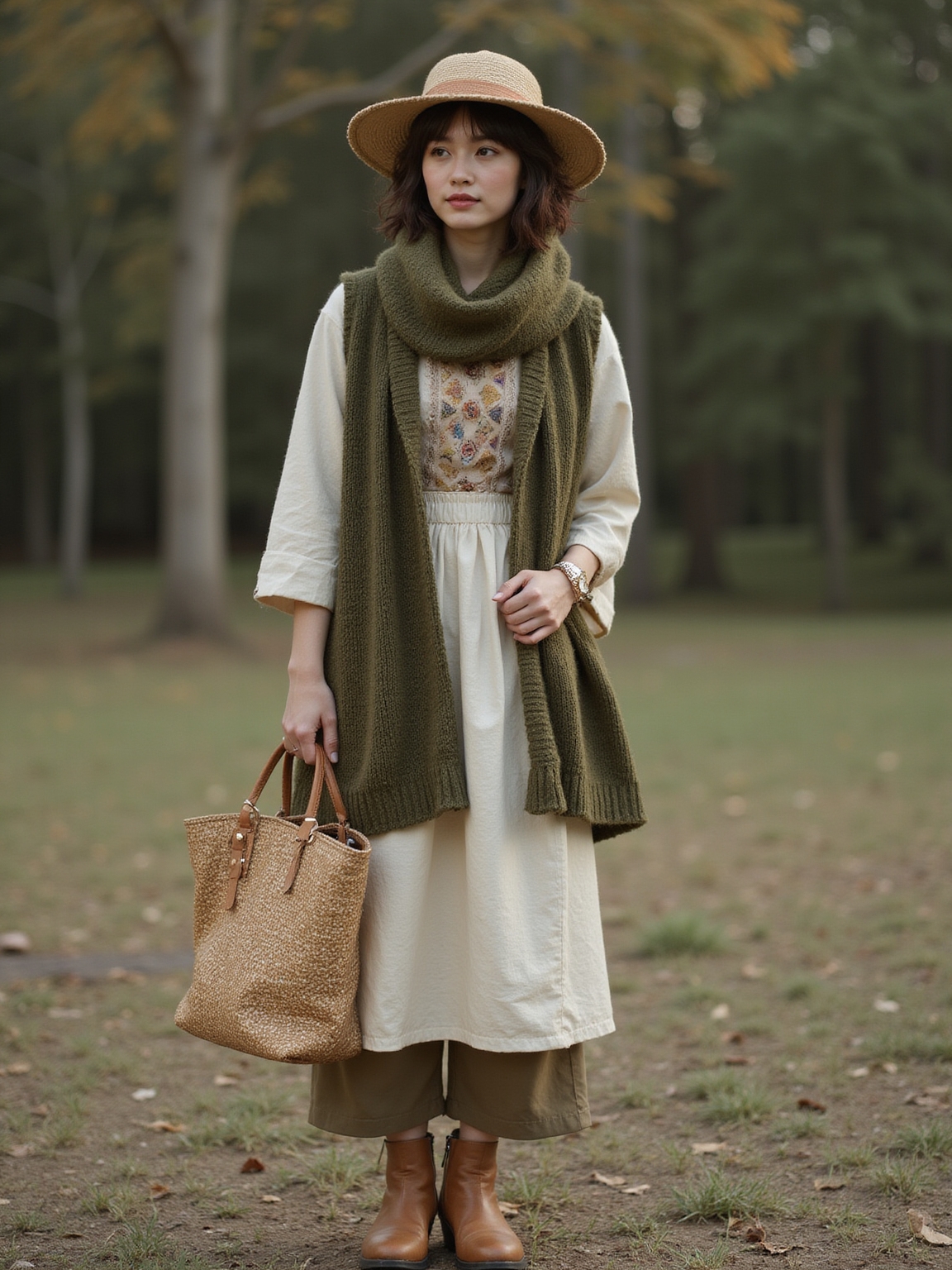
Because I love the way fabrics gather and breathe, I layer mori and cottagecore pieces to feel rooted in the outdoors even when I’m just walking city streets.
I choose soft linens, worn cottons, and drapey skirts, pairing muted florals with chunky knits and a utility bag.
The effect is gentle, practical, and quietly intentional—like carrying a small forest with me.
Korean autumn styling often inspires these choices with its emphasis on layered, cozy autumn pieces that balance warmth and texture.
Techwear & Utility: How to Wear Functional Futurism
I lean into sharp silhouettes and purposeful pockets when I want my outfit to feel like equipment rather than ornament—techwear is about dressing for movement, weather, and the small emergencies of city life.
I choose pieces with intention:
- Weatherproof outer layer.
- Modular storage and quick access.
- Streamlined fabrics for breath and range.
It’s functional, refined, and quietly futuristic. I also draw inspiration from city-specific aesthetics like Downtown Girl to ground the look in real-world urban energy.
Silhouettes in Japanese Street Style: Oversized, Boxy, Cropped
If I’d to boil down the silhouettes that keep drawing me back to Japanese street style, it’d be the bold play between oversized, boxy, and cropped lines that feel deliberate rather than accidental.
I love how proportions create quiet drama: roomy coats paired with cropped trousers, structured tops grounding fluid bottoms.
It’s thoughtful imbalance—comfort with intent, modern restraint that still surprises.
Essential Fabrics & Textures to Know
Start by feeling the fabrics—their weight, how they move, the way they hold a silhouette—because texture is as much a signature of Japanese street style as cut and proportion. I favor tactile contrasts:
- Crisp cotton for structure.
- Drapey rayon for movement.
- Textured wool or boucle for depth.
These pairings make outfits feel deliberate, intimate, and quietly refined.
Color Strategies: Pastels, Neutrals, and Bold Blocks
Often I lean into color the way I treat fabric—attentive to how it shifts with light and movement—because in Japanese street style color can define mood as much as shape.
I mix soft pastels for quiet charm, layered neutrals for refined understatement, or a single bold block to punctuate energy.
Each choice balances restraint and intent, creating outfits that feel both deliberate and effortlessly alive.
Mixing Thrifted Vintage With Contemporary Labels
I lean into thrifted finds the way I collect memories—carefully, a little obsessively—then anchor them with clean, contemporary labels so the whole look reads intentional rather than costumey.
- Pick one vintage focal piece.
- Balance with modern tailoring.
- Use restrained colors to tie them together.
That mix feels lived-in, edited, and quietly confident.
Accessories That Define a Look: Hats, Bags, Shoes
I always think of accessories as the punctuation of an outfit: a bold hat can announce your mood before you say a word.
I’ll show how a practical, everyday bag keeps the look grounded while still feeling intentional.
Then we’ll talk about shoes—those choices really anchor the whole silhouette and change how everything reads.
Statement Hats Power
Pull a hat down just so, and the whole outfit clicks into place.
I love how a brim or beanie reshapes mood, frames the face, and anchors proportions.
Consider these staples I reach for:
- Structured baker boy for polish
- Slouchy beanie for ease
- Wide-brim for drama
Each feels intentional, quietly confident, and makes me notice small details in texture and tilt.
Functional Everyday Bags
When I’m out the door, the bag I grab sets the tone as much as my shoes or hat; it needs to look considered and work without fuss.
I favor structured crossbody or compact tote silhouettes in muted tones, smart pockets, and durable hardware — practical but refined.
They organize essentials, balance proportions, and quietly finish an outfit, never shouting, always reliable.
Shoes That Anchor Outfits
Step into a pair and you’ll see how shoes do more than complete an outfit — they decide its mood.
I pick footwear that anchors proportions, adds texture, or flips formality. Consider these go-tos:
- Chunky sneakers for balance and ease.
- Polished loafers to sharpen a soft silhouette.
- Rugged boots to ground layered looks and lend edge.
Prints & Graphics: When and How to Wear Them
I often reach for bold prints and graphic tees when I want an outfit to speak before I do, but knowing how to balance them is key.
I pair a standout motif with quieter silhouettes, limit color echoes, and treat graphics as focal points rather than patterns everywhere.
That restraint keeps looks intentional, playful, and unmistakably Japanese street—confident without shouting.
Layering Tricks That Add Depth Without Bulk
How do you add dimension without ending up in a puffy mess? I favor measured layers that whisper, not shout. Try these small moves:
- Thin turtleneck under a loose shirt for contrast.
- Lightweight vest over a crisp tee to shape the silhouette.
- Open cardigan with asymmetric hem to create vertical lines.
These choices keep depth elegant and travel-friendly.
Where to Buy: Budget-Friendly Japanese Street Style Online
I’ve found you can get that Tokyo edge without breaking the bank by mixing affordable Japanese brands, smart thrift finds, and select international sites.
I’ll point out which low-cost labels punch above their price, how to spot quality in secondhand listings, and the best overseas retailers that ship reliably.
Stick with me and you’ll have a clear, budget-friendly shopping map for authentic street style.
Affordable Japanese Brands
I’ll admit I’m always on the hunt for pieces that look distinct without costing a fortune, and thankfully Japan’s streetwear scene has plenty of affordable labels that deliver on style and quality.
I favor versatile staples and playful details. Consider these approachable brands:
- Uniqlo — clean basics with smart collaborations.
- Muji — minimal, well-made everyday wear.
- GU — trend-forward, budget-friendly statements.
Thrift And Secondhand
If you want distinctive pieces without splurging, thrifting and secondhand shopping will become your best habit — and Japan’s online resale market makes it easy to find stand-out streetwear for a fraction of retail.
I hunt curated marketplaces and auction sites, savoring unexpected finds: aged denim, rare collabs, playful accessories.
Patience pays; I refresh listings, negotiate gently, and relish the thrill of a perfect, budget-friendly score.
International Online Retailers
Plunge into international online retailers and you’ll find a wide, wallet-friendly gateway to Japanese street style that doesn’t require a plane ticket.
I browse with patience, spotting quality, size guides, and sellers I trust. Try these simple routes:
- Rakuten and ZOZOTOWN for curated new pieces.
- Mercari for bargains and vintage gems.
- Global boutiques offering combined shipping and returns.
Sizing, Alterations & Care to Keep Looks Authentic
Although sizes vary wildly between brands and subcultures, I always start by thinking about silhouette before label: oversized doesn’t mean shapeless, and a slim piece can still feel relaxed with the right proportions.
I alter hems, taper sleeves, and add discreet darts to preserve intent. I launder gently, air-dry folded, and store shaped to keep lines crisp—small cares, big authenticity.
I’ve loved tracing these Japanese street styles with you — from Harajuku’s playful chaos to Tokyo’s quiet tailoring — and I hope you’ll try mixing a bit of each into your wardrobe.
Fun fact: global searches for “Japanese street style” rose about 40% over the past five years, so you’re not alone in craving this aesthetic.
Start small, play with proportion, and remember that the best outfit is the one that feels like you.