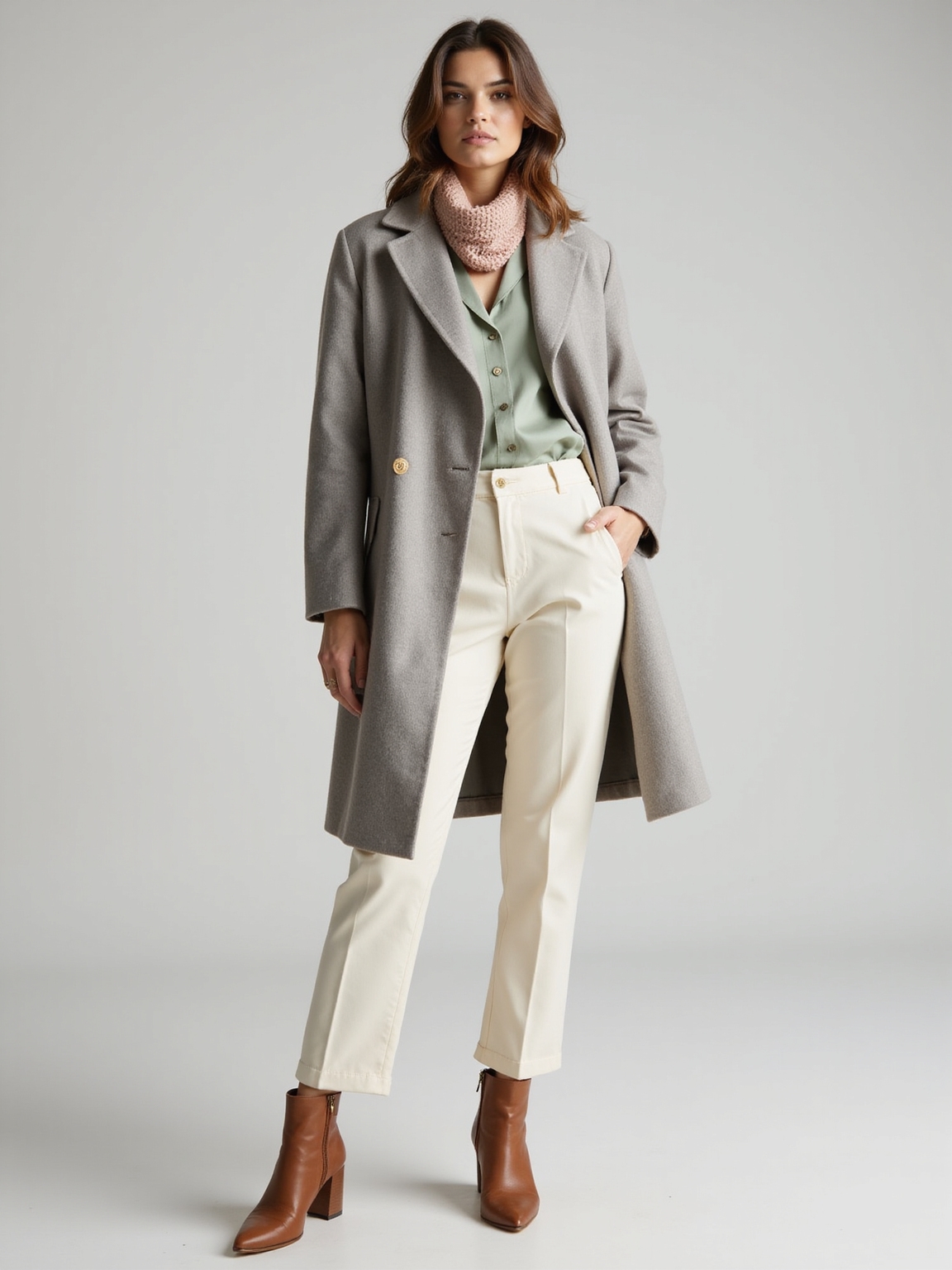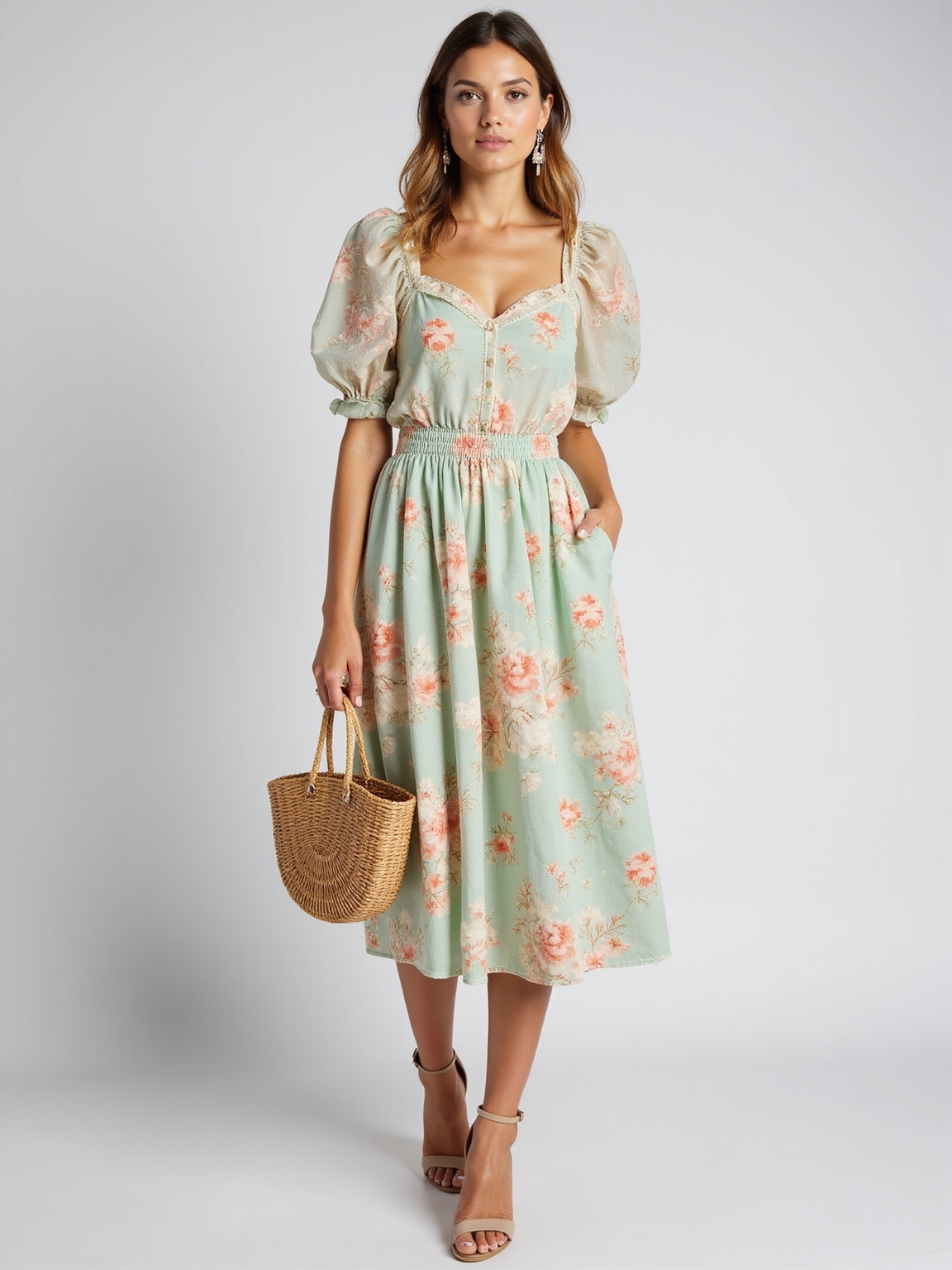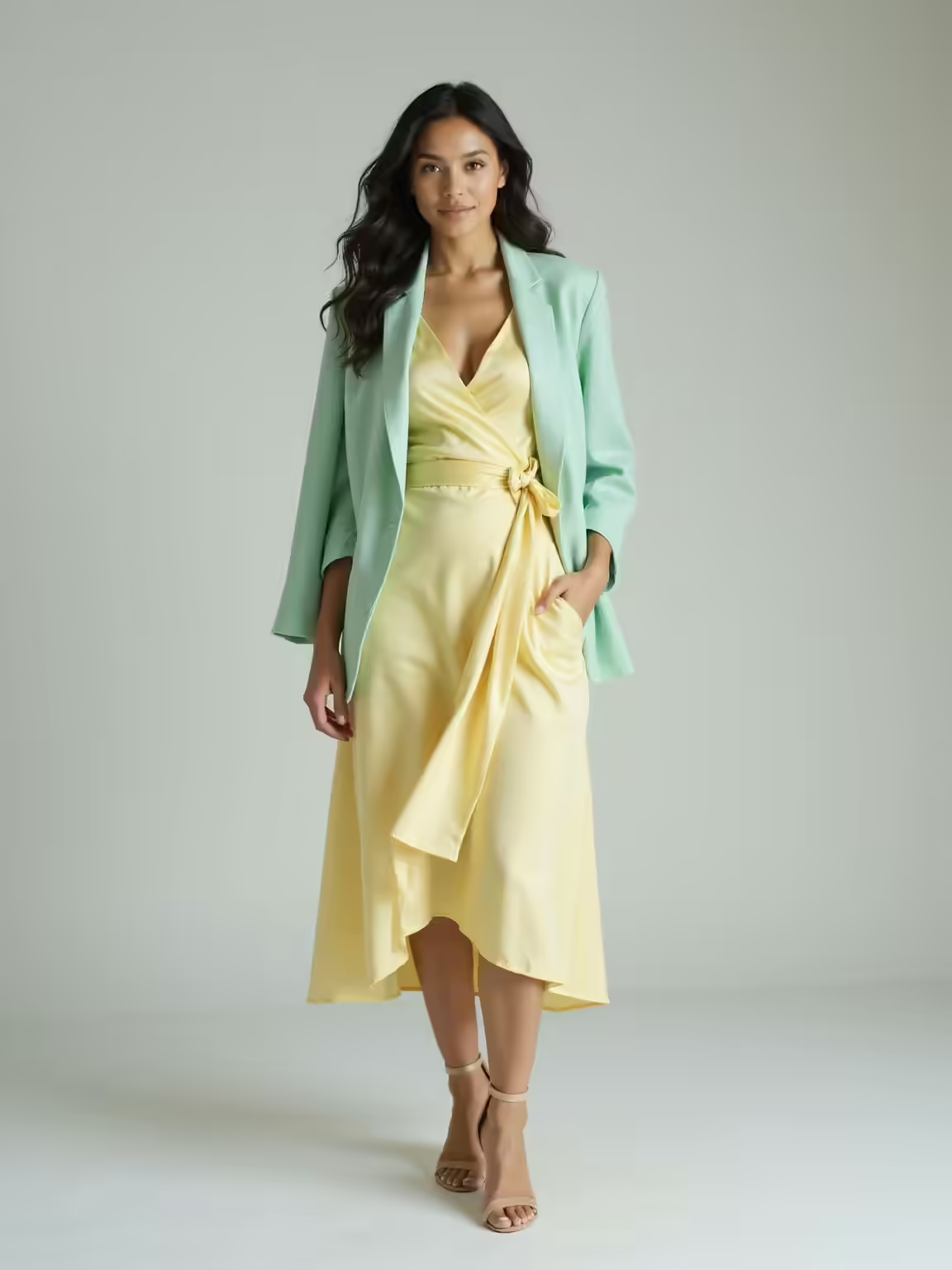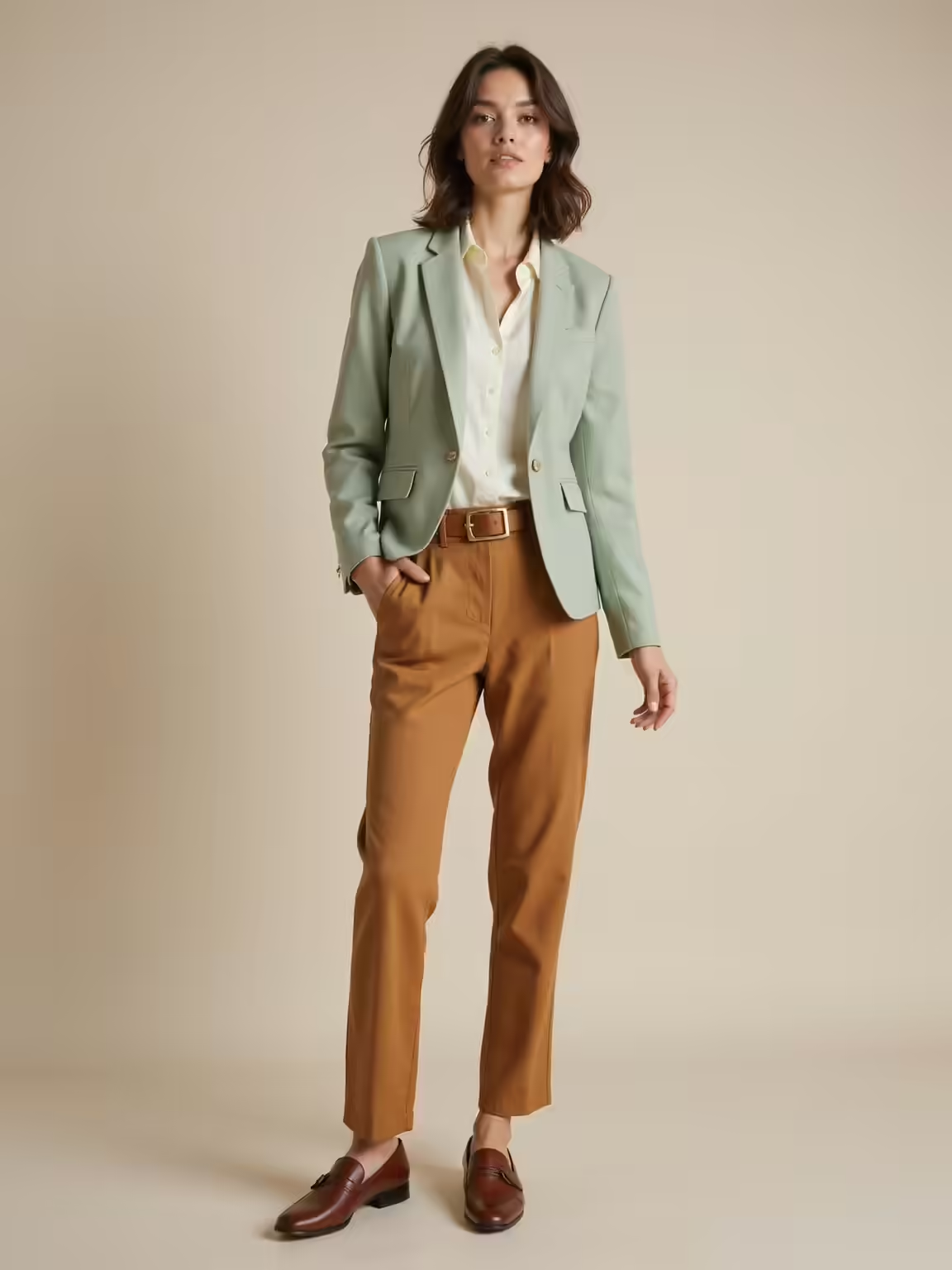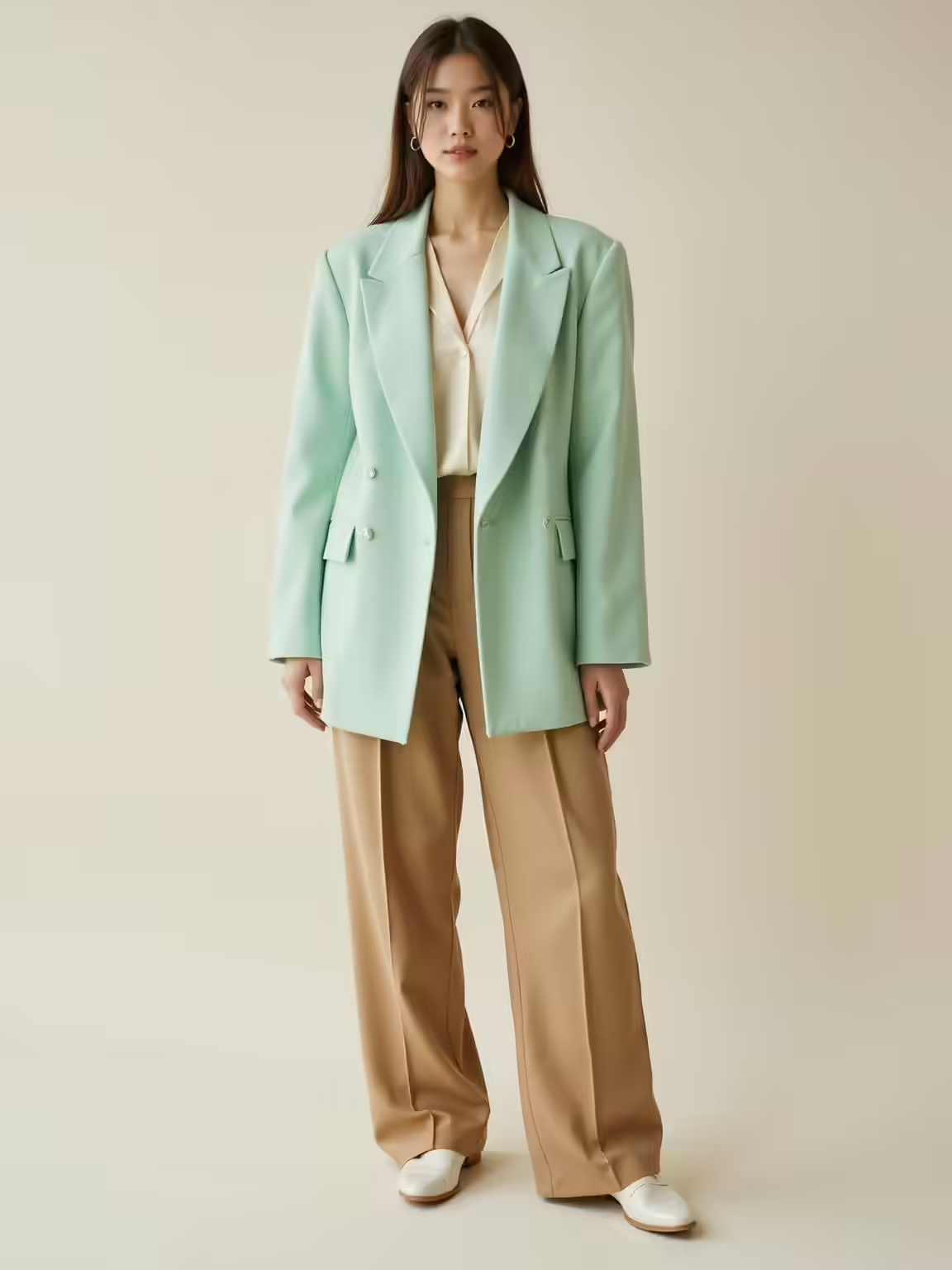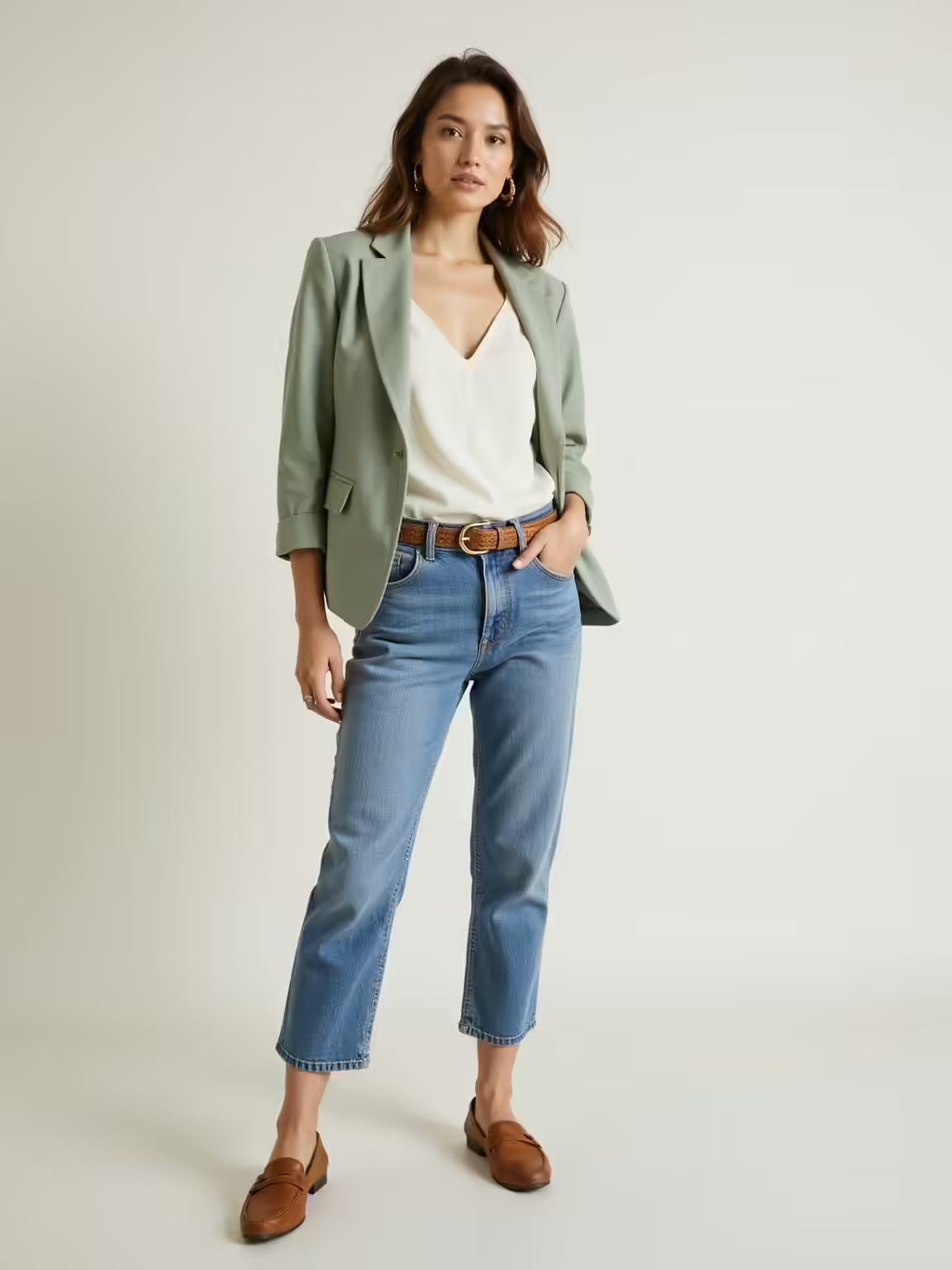

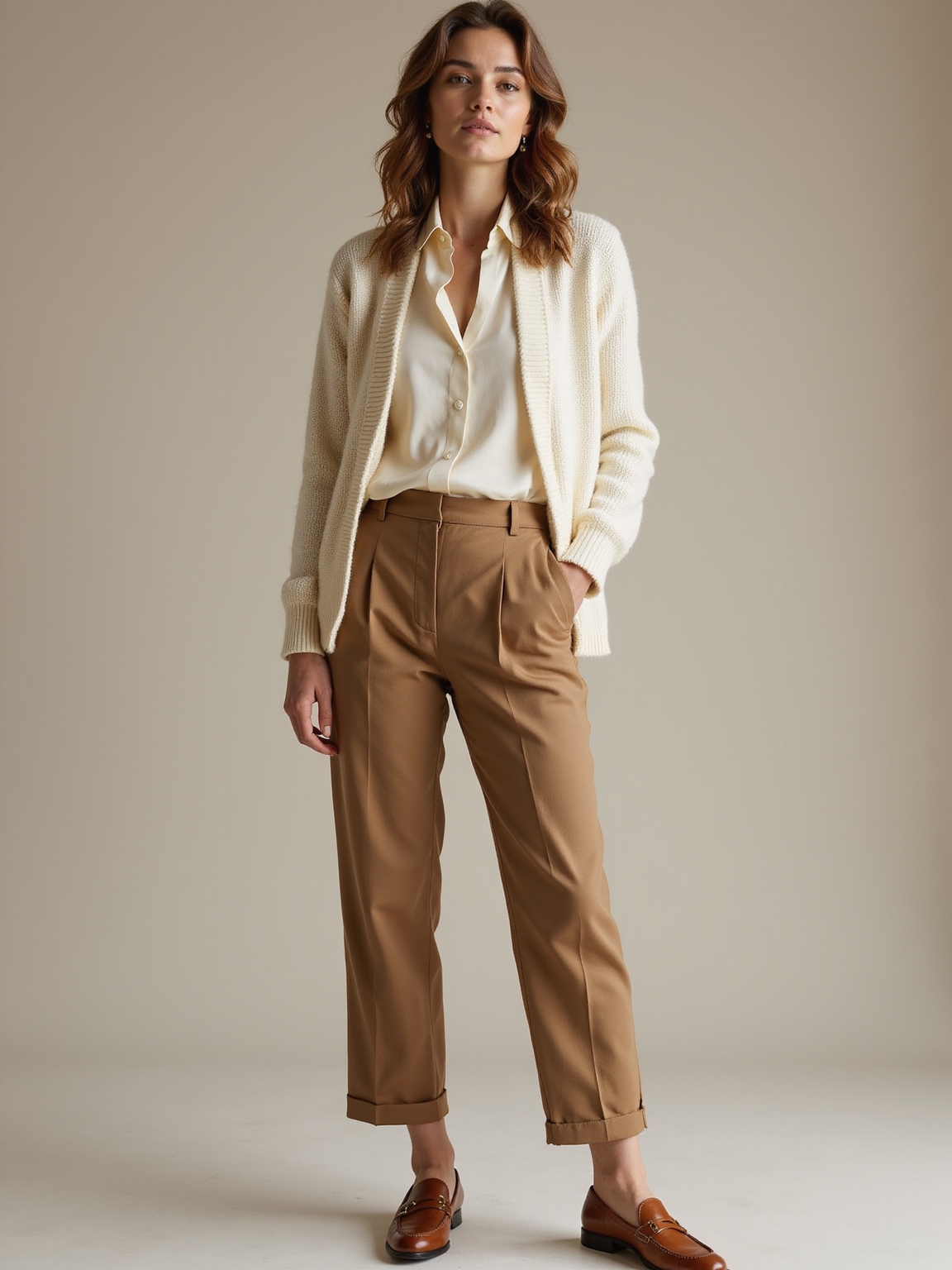
I favor spring outfits that whisper old‑money—neutrals, soft tailoring and one quiet accessory—so you look curated without trying. I reach for a mid‑length trench, crisp white button‑down, lightweight cashmere crew and high‑waist straight jeans or tailored chinos, mixing matte and subtle sheen.
Shoes are broken‑in loafers or pared‑back sneakers; a slim watch and muted silk scarf finish it. Keep fits neat, fabrics lived‑in, and proportions calm, and I’ll show you how to build the rest.
Old‑Money Spring Looks on a Budget
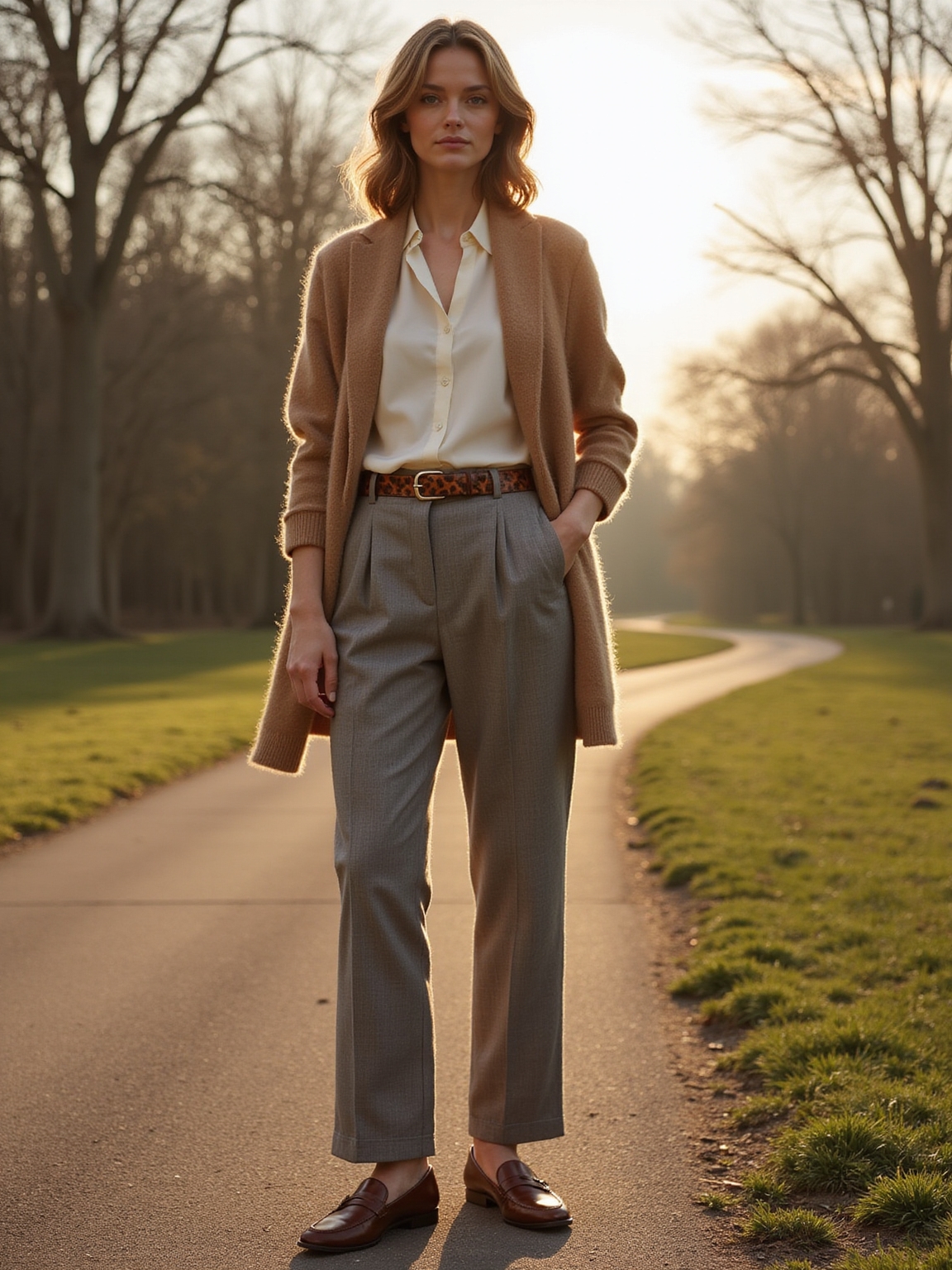
I’ve learned that you don’t need an aristocratic bankroll to pull off an old‑money spring look; you need a keen eye and a few clever swaps.
I hunt timeless silhouettes at vintage stores, mend with care, and pair muted tones for effortless polish.
Small details — crisp collars, neat stitching, restrained accessories — whisper pedigree. It’s restraint, not price, that reads as quietly wealthy.
Old Money Outfits Spring Looks to Get Ahead of the Curve often emphasizes understated pieces and classic tailoring, a trend that timeless silhouettes reinforces.
Core Wardrobe Pieces for Old‑Money Spring Style
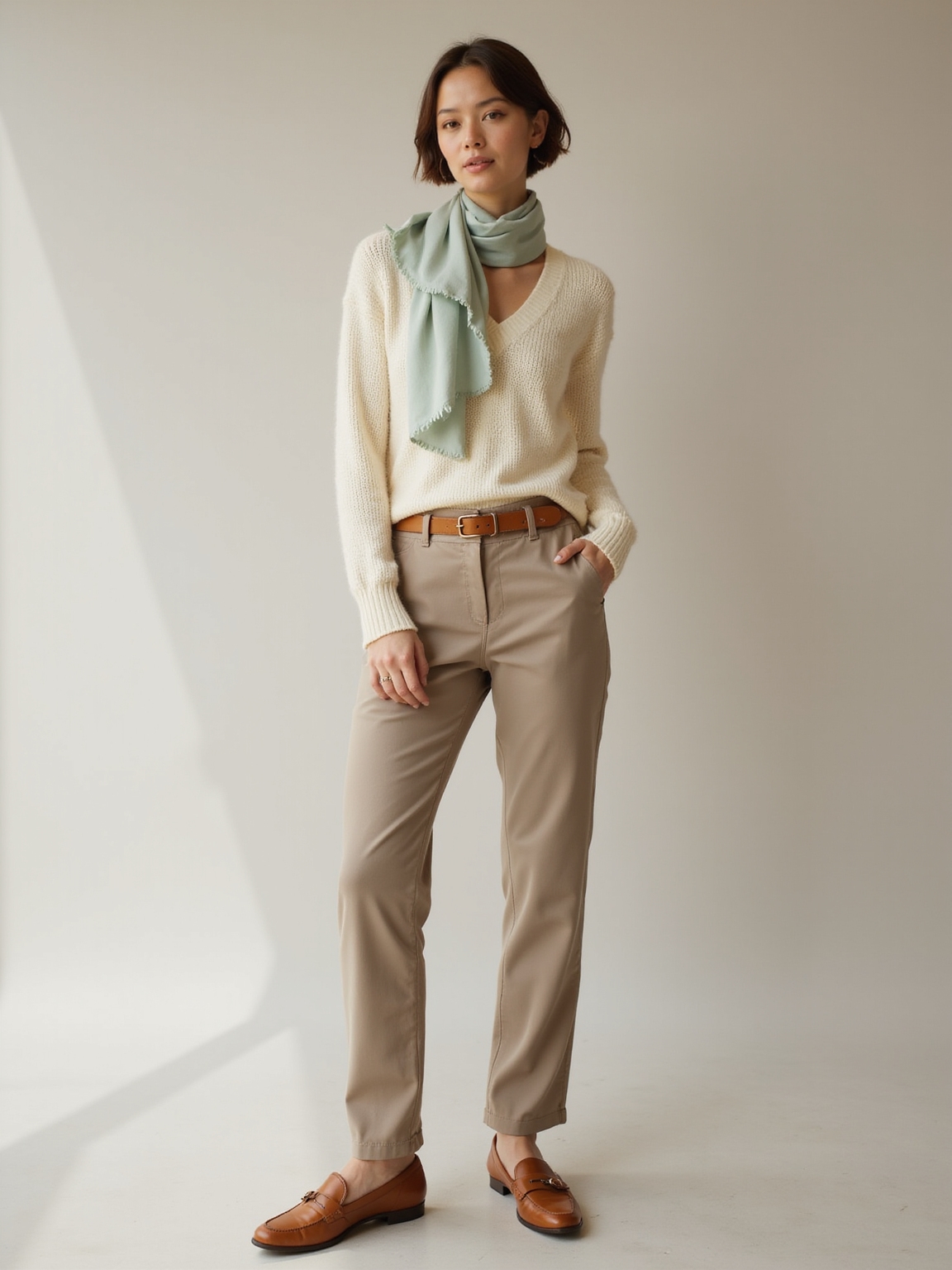
What I look for when building an old‑money spring wardrobe are a handful of pieces that quietly do the work: a well‑cut trench, a soft cashmere sweater in a neutral, tailored chinos or a pleated skirt, a neat white shirt, and a pair of polished loafers or low pumps.
I favor restraint, fit, and a few thoughtful accents.
- Trench coat
- White button‑down
- Neutral cashmere sweater
- Tailored chinos or skirt
- Polished loafers
I also lean on simple, timeless silhouettes and understated tailoring to keep the look feeling effortless and refined.
Fabrics That Read Quietly Expensive for Spring
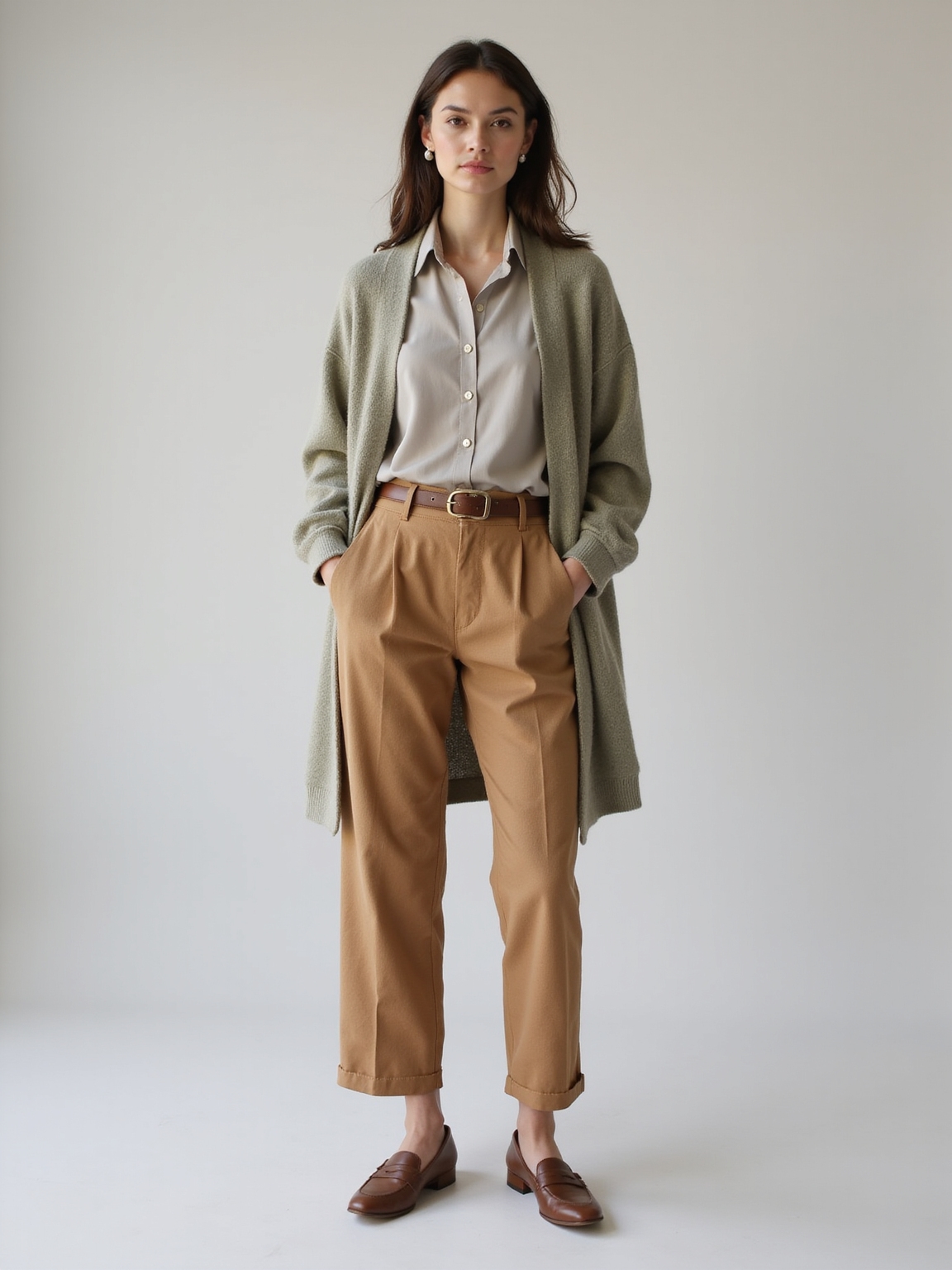
Start by feeling the fabric—really feeling it—because that’s where the quiet luxury shows up.
I favor linen that softens with wear, lightweight wool that drapes without fuss, silk blends that catch light subtly, and fine cotton with a crisp hand.
These fibers whisper quality through texture and movement, not logos, so you look composed, effortless, and quietly expensive.
Spring Old Money looks to welcome the new season with refined classics and understated tailoring, often favoring timeless silhouettes that transition effortlessly from day to evening.
Spring Palettes That Look Quietly Expensive
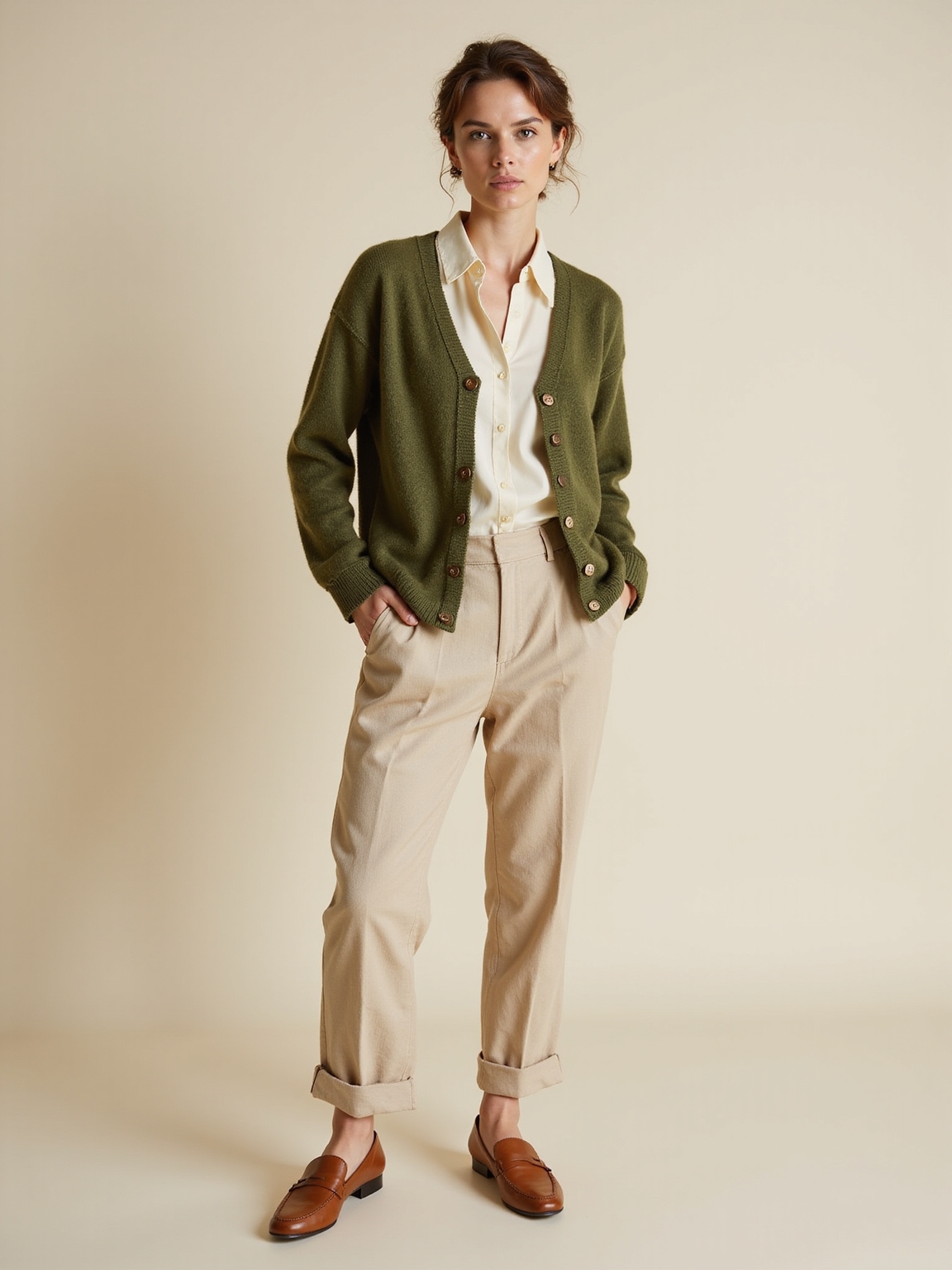
I favor muted neutrals as the backbone of a spring wardrobe—stone, oatmeal, and soft khaki make everything look quietly curated.
I’ll add a whisper of pastel—sage, duck-egg, or a faded blush—to keep the palette fresh without shouting.
Layering tones close in value ties it all together, so a tonal sweater over lighter trousers feels effortless rather than fussy.
Traditional tailoring and quality fabrics are the foundation of timeless dressing, especially in Old Money Style.
Muted Neutrals Rule
Even before I reach for jewelry, I lean into muted neutrals—those soft beiges, chalky greys, and warm ivories that feel quietly expensive without shouting. I pair textures and clean cuts, trusting restraint over flash.
Here’s what I favor to keep a look subtle, polished, and unmistakably composed:
- Lightweight camel trench
- Silk blouse in warm ivory
- Tailored grey trousers
- Nude leather loafers
- Linen-blend cardigan
Old Money Outfits Winter Woman Approved for Freezing Days timeless winter outfits can inspire fabric and layering choices for spring transitions.
Soft Pastel Accents
Often I reach for a single soft pastel to lift a neutral base — a whisper of dusty rose, a pale sage, or a muted powder blue — and watch the whole outfit feel deliberate rather than dainty.
I pair one gentle hue with clean lines and good tailoring, let accessories echo it sparingly, and trust restraint: subtle color feels cultivated, never loud.
Tonal Layering Basics
Layering tonalities is my favorite trick for making simple pieces feel curated rather than costumey. I lean into near-matching shades—think oat with sand, dove with mist—and let texture do the talking.
It reads expensive because it’s calm, not loud. Try small contrasts and tidy proportions for a composed, effortless look.
- Start with a dominant neutral
- Add one soft tonal variant
- Mix matte and sheen
- Keep accessories minimal
- Mind sleeve and hem lengths
Timeless dressing often favors understated classics like blazers and loafers, which anchor outfits with old money staples and polish.
Tailoring Rules That Make Outfits Feel Curated
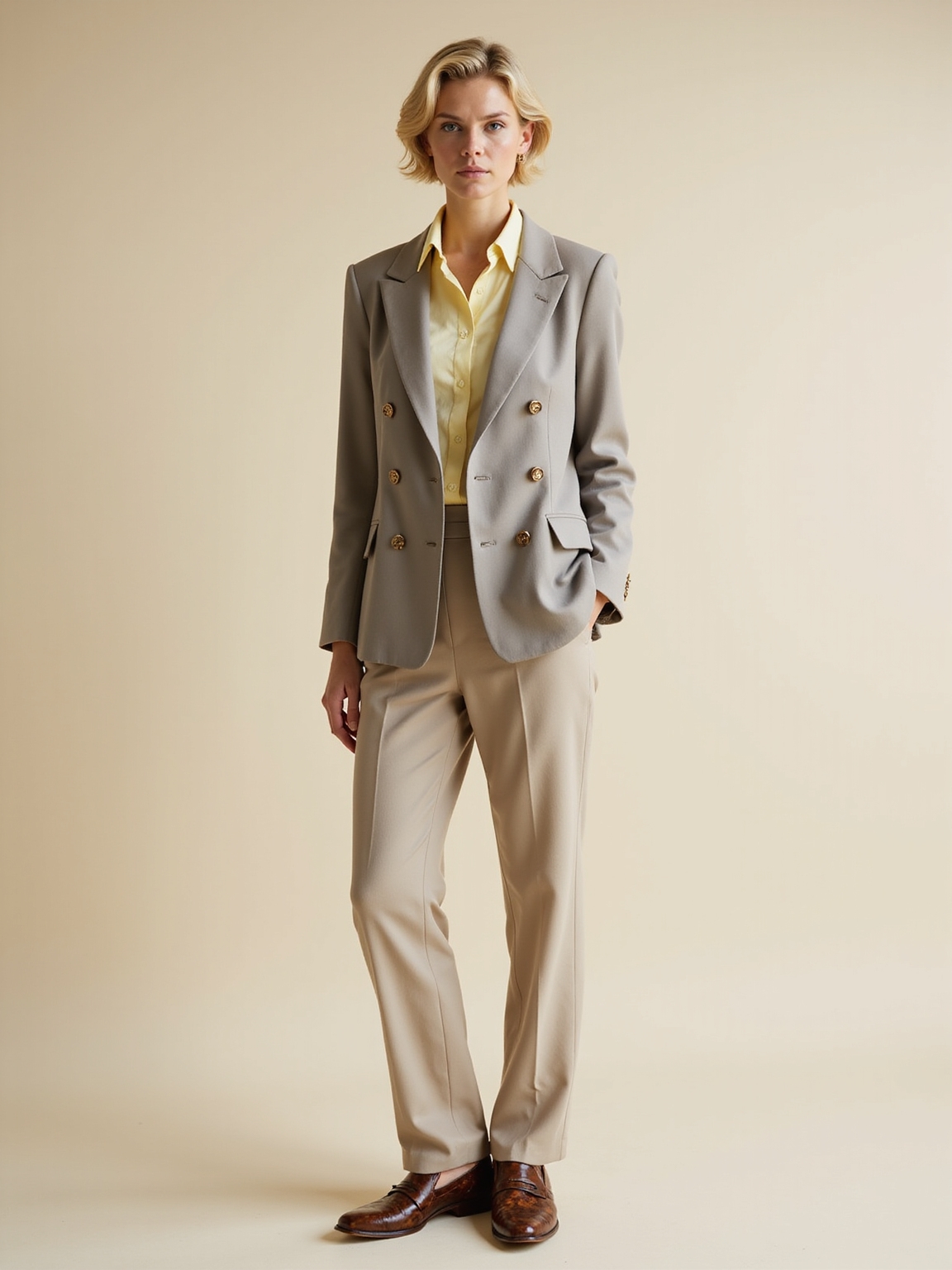
I love when a sleeve hits just at the wrist—it’s a small detail that makes a jacket look bespoke rather than borrowed.
Getting the waistline right and adjusting seams so everything sits flush transforms a simple dress into something quietly intentional.
And I always check hems and seam balance last, because uneven finishes are the fastest way to undo a composed outfit.
Consider having a trusted tailor measure key points and perform minor alterations to keep garments looking polished.
Perfect Sleeve Lengths
When sleeves hit just so, a whole outfit seems deliberate rather than thrown on—I’ve learned to treat cuff and hem as punctuation that guides the eye.
I trim or push sleeves to reveal wrist or shirt cuff; it instantly reads neat, relaxed, considered. Small adjustments make a quiet, affluent statement without trying.
- Three-quarter for casual polish
- Bracelet-length for jewelry
- Full sleeve tailored at wrist
- Rolled cuff casual
- Sleeve peek with jacket
Timeless skirts and refined silhouettes are staples of Old Money style that pair perfectly with thoughtful sleeve lengths.
Waistline Precision
A few inches at the waist will change a whole outfit, and I’ve come to treat that seam like punctuation for the silhouette.
I favor subtle nips and gentle shaping—no corsetry, just intent—so skirts and trousers sit where they mean to. A well-placed waist makes proportions sing, proportions that feel inevitable rather than contrived, the quiet proof of thoughtful tailoring.
Seam And Hem Balance
Because seams and hems frame how clothes meet the body, I treat them like punctuation—deliberate, modest, and always in service of clarity.
I tweak length and seam placement so silhouettes read as intentional, not rushed. Small adjustments refine posture and mood; that’s the quiet work of curated dressing.
- Even hem: shows care
- Concealed seam: keeps quiet
- Slight taper: flatters subtly
- Balanced break: guarantees movement
- Reinforced stitch: lasts longer
Mixing Investment Pieces With Affordable Finds
I start by picking one true investment piece—usually a well-cut blazer or a leather tote—and build the rest of the look around it with smart, affordable finds that feel collected, not matched.
I mix textures and neutral hues, favor clean lines, and let a thrifted sweater or high-street trousers soften formality.
The trick: restraint, quality focal points, and a casual air of deliberate ease.
Understated Accessories: Scarves, Watches, and Bags
Think of accessories as the conversation starters of an outfit—I pick scarves, watches, and bags that speak softly but unmistakably.
I favor muted silk scarves, slim classic watches, structured leather totes, compact crossbodies, and discreet logos. They refine without shouting, age gracefully, and solve outfit problems quietly.
With them, you look composed, not contrived—effort that reads as ease.
- Muted silk scarves
- Slim classic watches
- Structured leather totes
- Compact crossbodies
- Discreet logos
Shoes for a Polished Old‑Money Spring Outfit
Drawing from years of quietly testing soles and silhouettes, I reach for shoes that anchor a spring outfit without calling attention to themselves.
I favor loafers, low-heeled pumps, and simple ballet flats in muted leather or soft suede — well-crafted, broken-in, and proportioned to my leg.
Neutral tones, subtle stitching, and comfortable soles keep the look composed, practical, and quietly confident.
Capsule Outfits for Errands and Brunch
When I’m running errands or meeting a friend for brunch, I rely on a small rotation of neutral layered staples that mix and match without fuss.
I pair them with polished casual footwear—think loafers or low-heel mules—to keep things comfortable but composed.
A single understated statement accessory, like a leather belt or a vintage scarf, finishes the look and makes it feel intentionally effortless.
Neutral Layered Staples
If I’m running errands or meeting a friend for brunch, I reach for a small rotation of neutral layers that never feel overthought but always look intentional.
I prefer pieces that mix easily, hide crumbs, and read calm confidence without fuss. My favorites:
- Lightweight trench in beige
- Cashmere crew in oatmeal
- Crisp white button-down
- Tailored navy cardigan
- High-waist straight-leg jeans
Polished Casual Footwear
I reach for shoes that look effortless but feel considered—shoes that carry me from coffee to errands without fuss and still polish a simple outfit.
I favor crisp loafers, pared-back sneakers, and low-heeled mules in soft leather or suede. They’re well-made, quietly neutral, and comfortable enough to walk in; a neat shoe finishes an outfit without asking for attention.
Understated Statement Accessories
Loafers and low-heeled mules do a lot of the heavy lifting, but I like to finish a capsule outfit with one or two understated statement accessories that say more by showing less. They punctuate errands and brunch without shouting.
I choose pieces that age gracefully, fit the moment, and make companions ask where I found them—never what I spent.
- Slim leather belt
- Pearl stud earrings
- Structured crossbody bag
- Silk neck scarf
- Gold signet ring
Subtle Work Outfits With Old‑Money Polish
When I dress for the office, I aim for restraint over ornament—quietly tailored pieces, muted colors, and textures that feel expensive without shouting.
I choose slim blazers, silk blouses, and well-cut trousers; simple leather loafers and a classic watch finish the look. It’s about confidence, not logos: polished, practical, and quietly intentional every workday.
Weekend and Travel Outfits That Feel Lived‑In
When I’m packing for a weekend away, I reach for effortless layering staples—a soft trench, a lightweight cashmere, a striped tee—that make mornings feel easy and composed.
I prefer one or two well-worn tailored pieces, like a broken-in blazer or scuffed loafers, to give polish without fuss.
Together they create that comfortable, lived-in charm that lets you look put-together without trying too hard.
Effortless Layering Staples
Though I favor pieces that look as if they’ve been lived in for years, I still want them to feel deliberate: a slightly worn cashmere sweater, a soft blazer that skims the shoulder, a shirtdress layered under a utility jacket.
I reach for versatile layers that age gracefully and travel well.
- Lightweight trench
- Thin merino sweater
- Cotton poplin shirt
- Linen scarf
- Tailored cardigan
Well‑Worn Tailored Pieces
I favor pieces that already feel like companions on a journey: a blazer with softened elbows, trousers that have relaxed at the knee, a travel coat with a broken‑in drape.
I choose fabrics that age politely, stitch work that hints at stories, and silhouettes forgiving of movement.
They read as intentional comfort—quietly tailored, lived‑in, and ready for a weekend train or an unhurried café.
Styling Prints and Patterns the Refined Way
If you want prints to read as quietly polished rather than loud, start by limiting the palette and the scale—I’ll choose one dominant color plus two neutrals and mix a large-scale print with a small, restrained motif.
I balance patterns with solid textures, anchor looks with classic cuts, and let accessories whisper, not shout.
- Match tones, not exact prints
- Vary scale deliberately
- Prioritize quality fabric
- Keep silhouettes simple
- One patterned piece only
Hair, Grooming, and Light Makeup to Match the Look
Although it’s easy to get caught up in clothes, I believe hair, grooming, and light makeup are the quiet signatures that make an old-money spring outfit feel complete.
I favor neat, natural hair—soft waves or a low bun—clean nails, subtle bronzer, and a tinted balm. Nothing flashy: just polished, effortless touches that suggest care rather than trying too hard.
Mistakes That Make Old‑Money Style Look Try‑Hard
When you try too hard, old‑money style stops whispering and starts shouting, and I’ve seen that happen in a few predictable ways.
I’ll point them out gently so you can steer clear and keep your outfits effortless, not theatrical.
- Logo overload
- Excessive trend chasing
- Too‑tight tailoring
- Flashy costume jewelry
- Overdone colors or patterns
Quick Shopping Checklist: What to Buy Next Season
Let’s map out what you really need for next season so shopping feels purposeful, not frantic: I focus on a handful of versatile, well-made pieces that quietly elevate everything else in your wardrobe — a neutral cashmere sweater, a structured blazer in navy or camel, a mid-length trench, tailored trousers, and one polished leather loafer — and I always add one tasteful accessory to keep the look personal.
Now, buy classics, skip trends, mend, and choose quality; a small edit pays off.
I’ll leave you with this: imagine sunlight on a linen blazer, the soft hush of silk at your wrist, and a pocket square folded like a secret.
I’m not asking you to buy labels—just to notice fit, fabric, and restraint. Wear fewer pieces, choose better ones, and let details do the talking.
If someone asks, smile and change the subject; that’s the point. Quiet wealth is a mood you can learn, not a price tag.