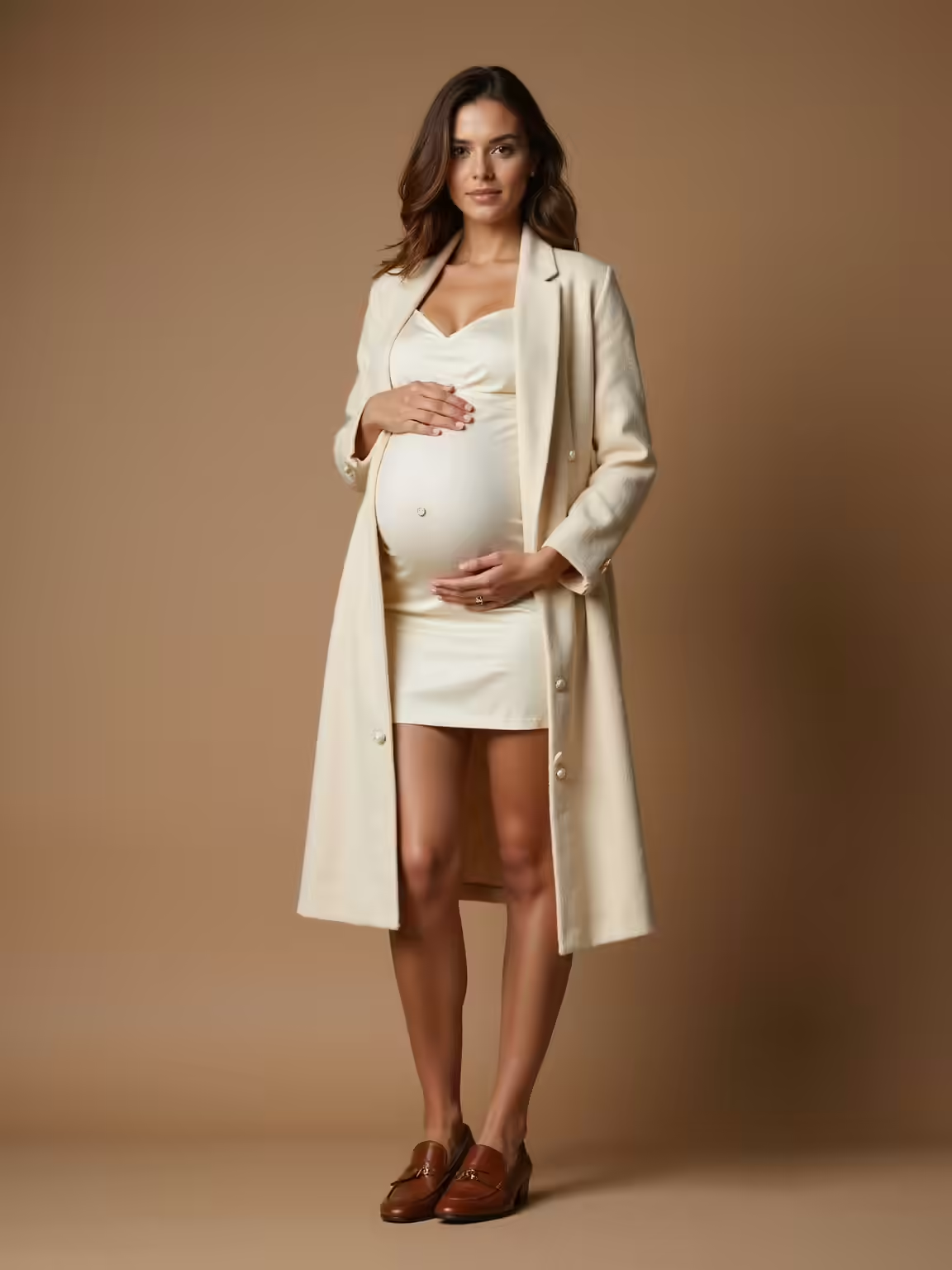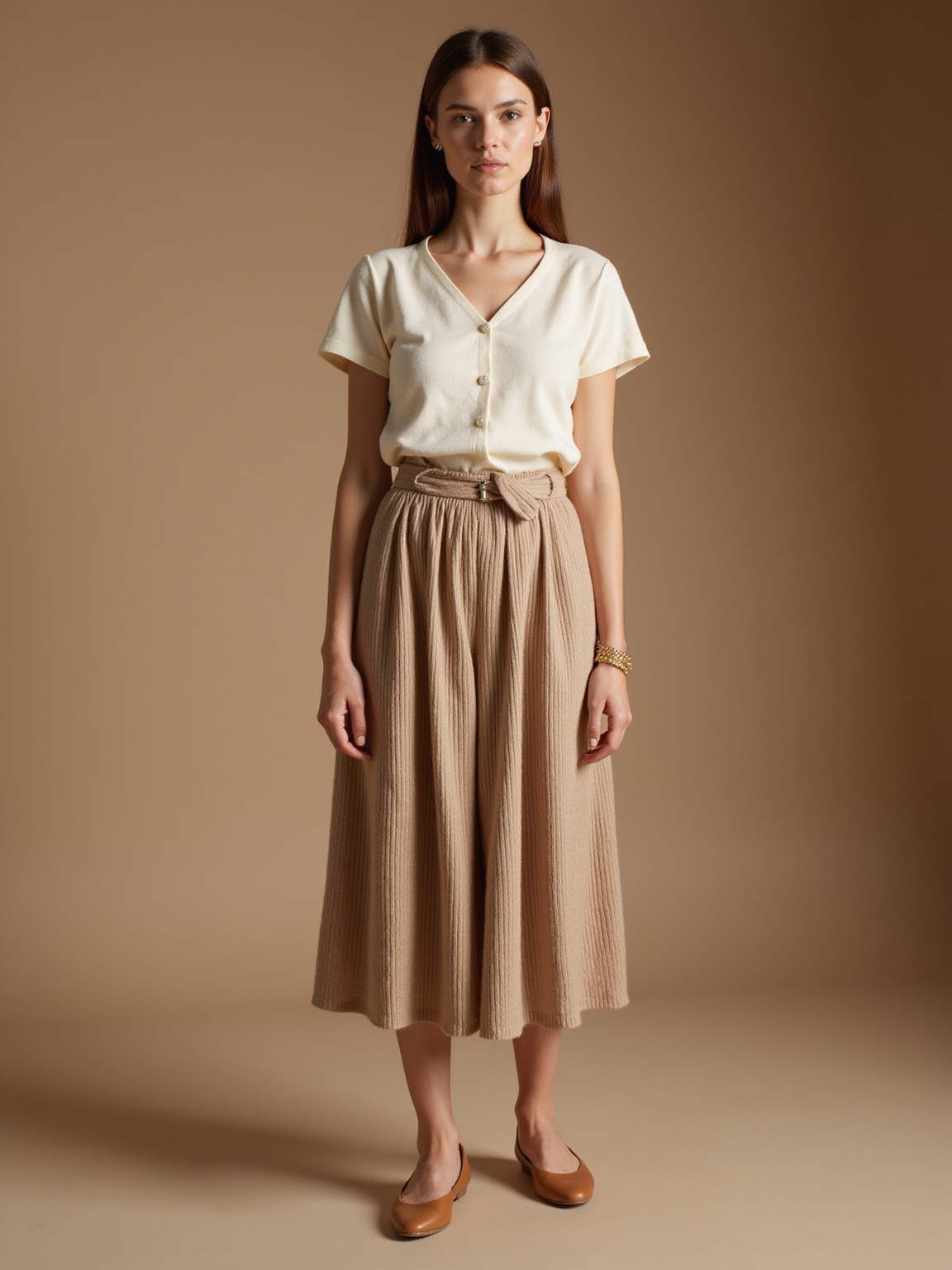

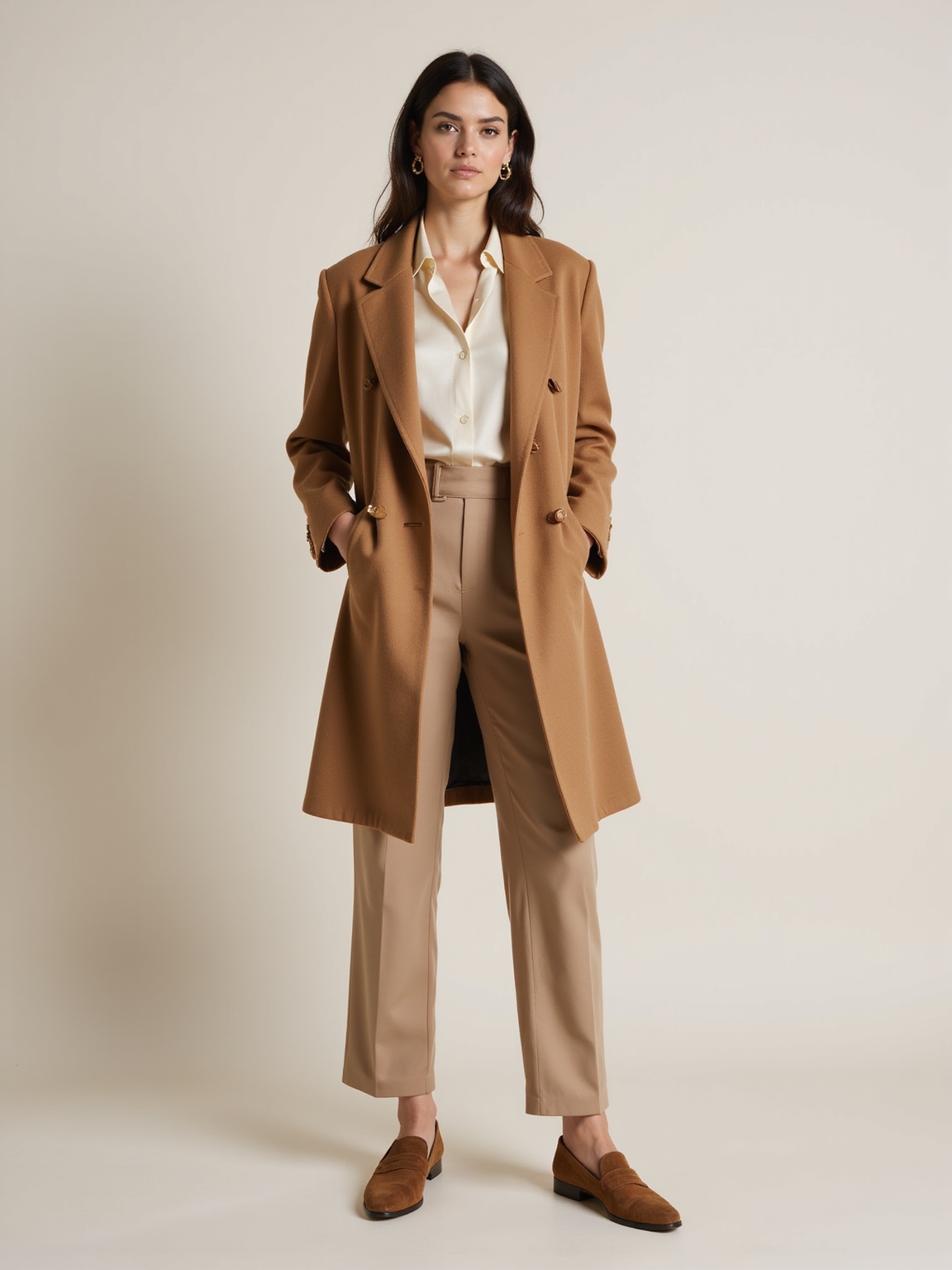
I’ve rebuilt my wardrobe around quiet quality: natural fabrics, impeccable fit, muted neutrals and a few tasteful accents. I favor tailored blazers, cashmere knits, straight jeans, loafers and a trench—pieces that age well and mix easily.
I keep patterns minimal, accessories purposeful, and I tailor rather than chase labels. With simple care and smart shopping you’ll get more wear from less, and if you want, I’ll show how to translate these rules to your shape and life.
What “Old Money” Style Actually Is : A Quick Start Guide
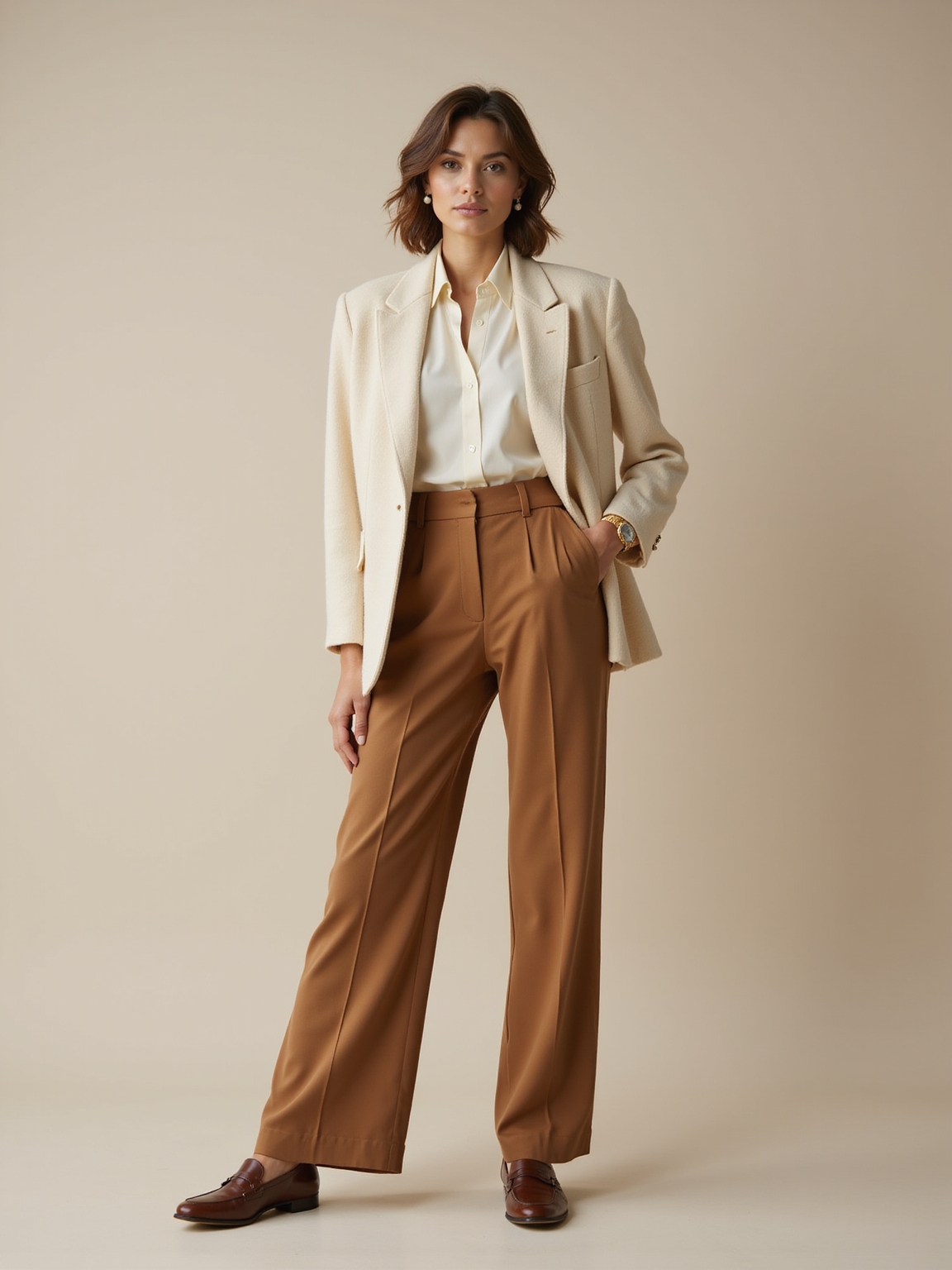
Think of “old money” as a wardrobe philosophy rather than a strict dress code—I focus on quiet quality, not loud logos.
I favor understatement: timeless silhouettes, restrained color, and pieces that whisper provenance.
I value longevity over trend-chasing, deliberate mixing of casual and formal, and accessories chosen for function and story.
You’ll notice composure, restraint, and effortless polish in every choice.
Understated luxury often relies on quiet elegance as its guiding principle, emphasizing materials and tailoring over visible wealth.
Wardrobe Foundations: Fabrics, Fit, and Neutrals for Quiet Luxury
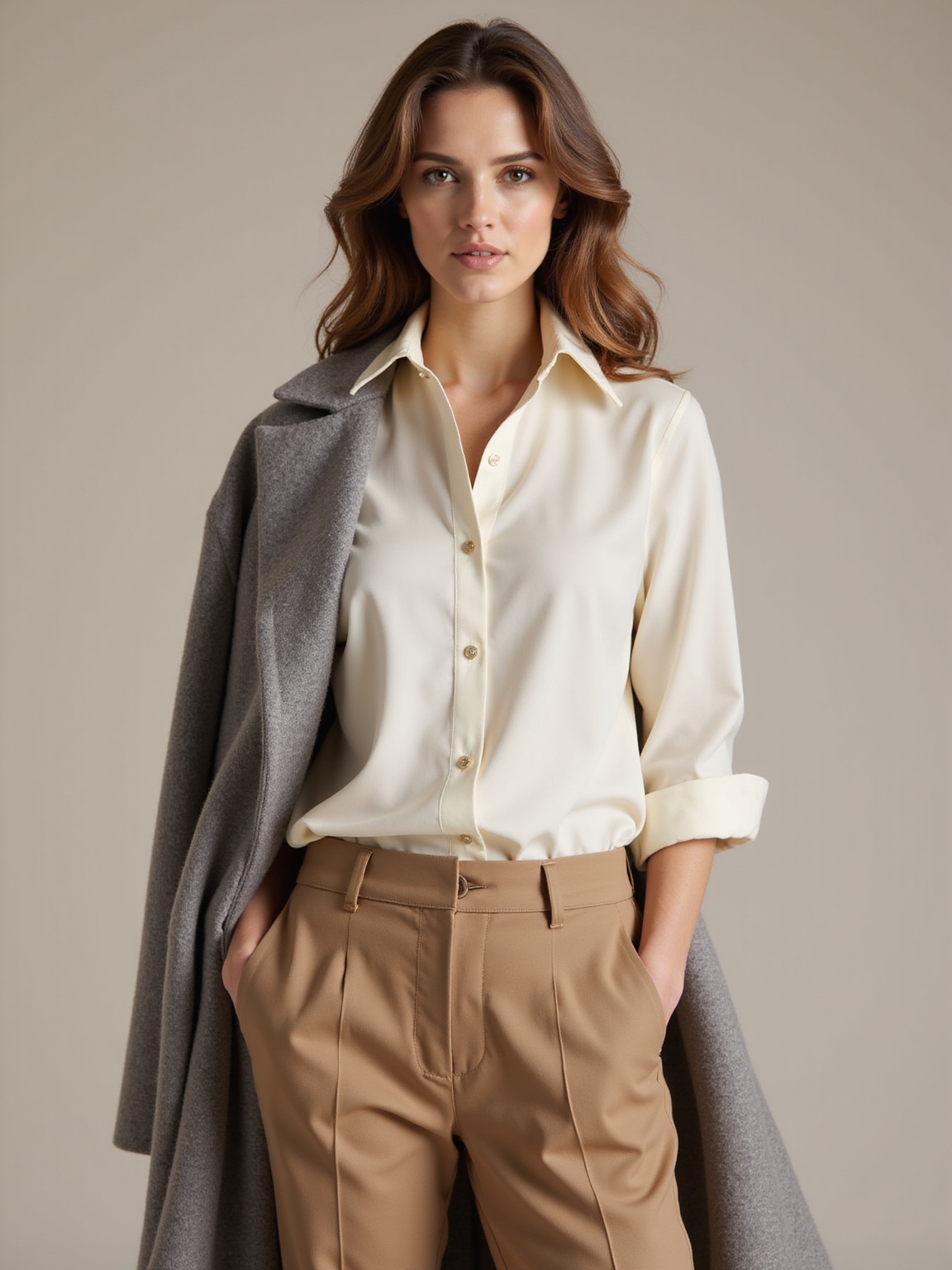
I always start with fabric — linen, cashmere, wool — because good materials quietly elevate everything you wear.
Then I focus on fit over fleeting trends; a well-cut blazer or trouser makes a modest wardrobe feel intentional.
Stick to a palette of soft neutrals and the pieces will speak for themselves.
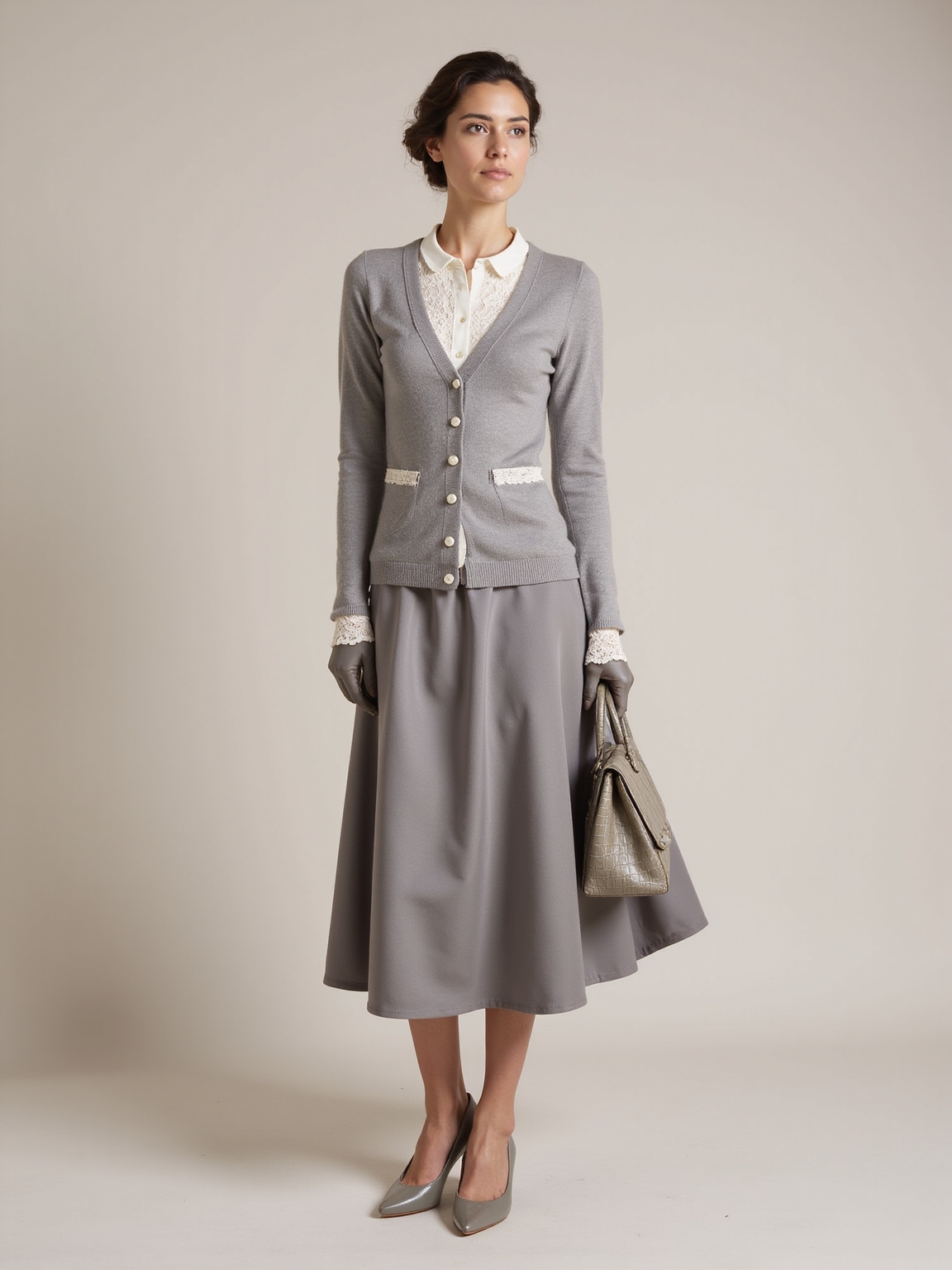
Old money outfits often incorporate cardigans as a timeless layer, especially when crafted in premium materials like cashmere for quiet luxury and enduring style.
Fabric Quality Matters
Feel the difference the moment you slip into a well-made sweater or tailored blazer; I’ve learned that fabric quality is the quiet signature of old-money style.
I favor natural fibers—cashmere, wool, linen, cotton—for their touch, drape, and longevity. They patina gracefully, breathe, and require less pretense.
Choosing stable, textured textiles elevates simple pieces into enduring, unspoken luxury.
Old money wardrobes often include timeless staples every aspiring heiress should own, like tailored blazers and knitwear wardrobe foundations that form the basis of quiet luxury.
Fit Over Fashion
Prioritizing fit has been the single best upgrade to my wardrobe; a well-cut blazer or perfectly hemmed trouser can make even modest pieces read expensive.
I altered sleeves, tapered waists, and nipped waists subtly, favoring proportion over trend.
Clean lines, balanced silhouettes, and neutral tones let quality fabrics speak. Investing in tailoring, not logos, quietly transforms daily dressing into effortless refinement.
Embracing timeless old money pieces—like classic blazers, cashmere sweaters, and tailored trousers—creates a cohesive wardrobe that reads as understated and enduring.
Capsule Closet for Old Money: 12 Essential Pieces
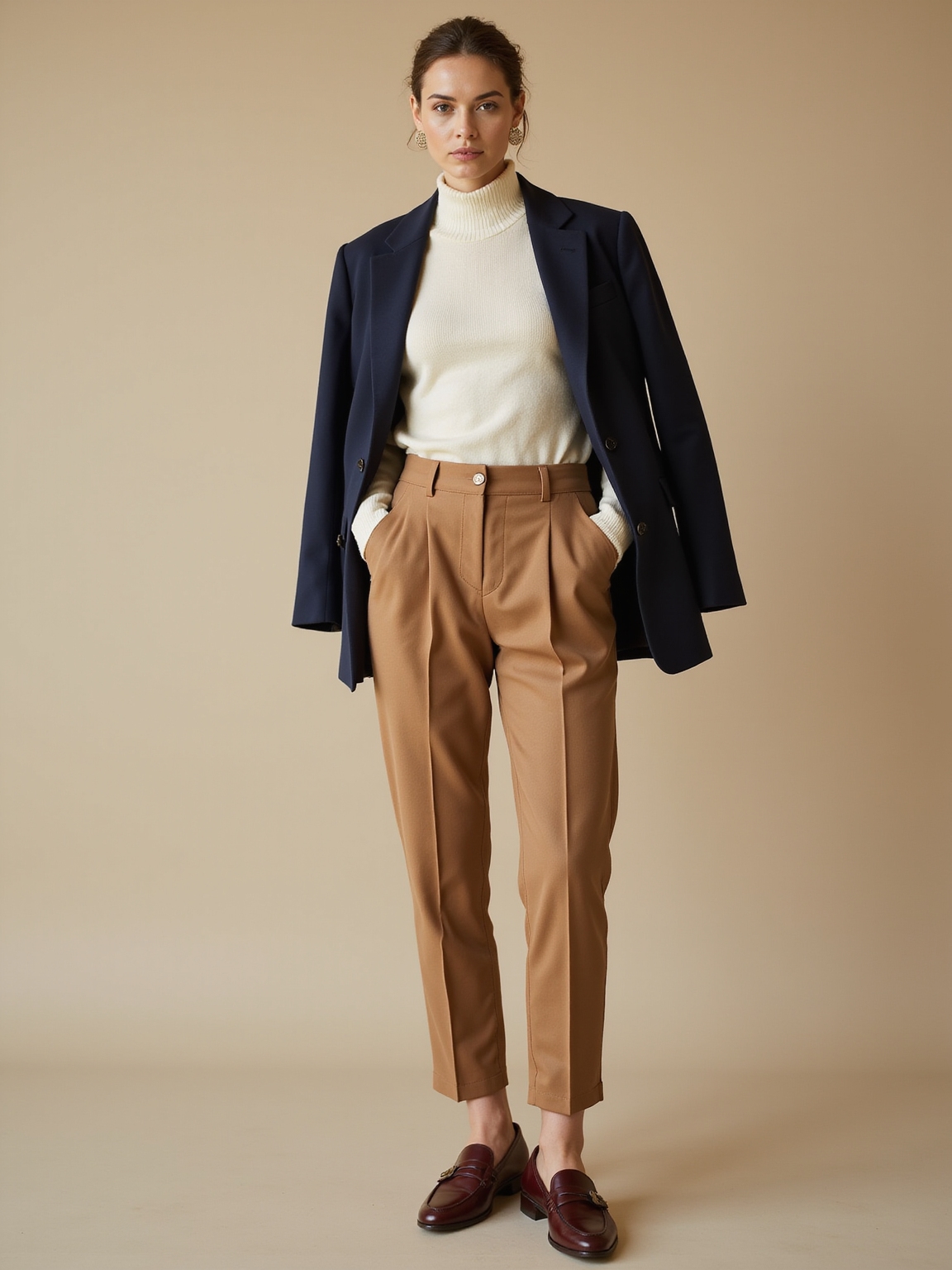
Often I find that building an “old money” capsule isn’t about following trends so much as quietly selecting pieces that do the work for you; I’ll walk you through the 12 essentials that create a polished, enduring wardrobe.
I favor quality, restraint, and versatility—pieces that layer and last. Picture these foundations:
- Tailored blazer
- Cashmere sweater
- Crisp button‑down
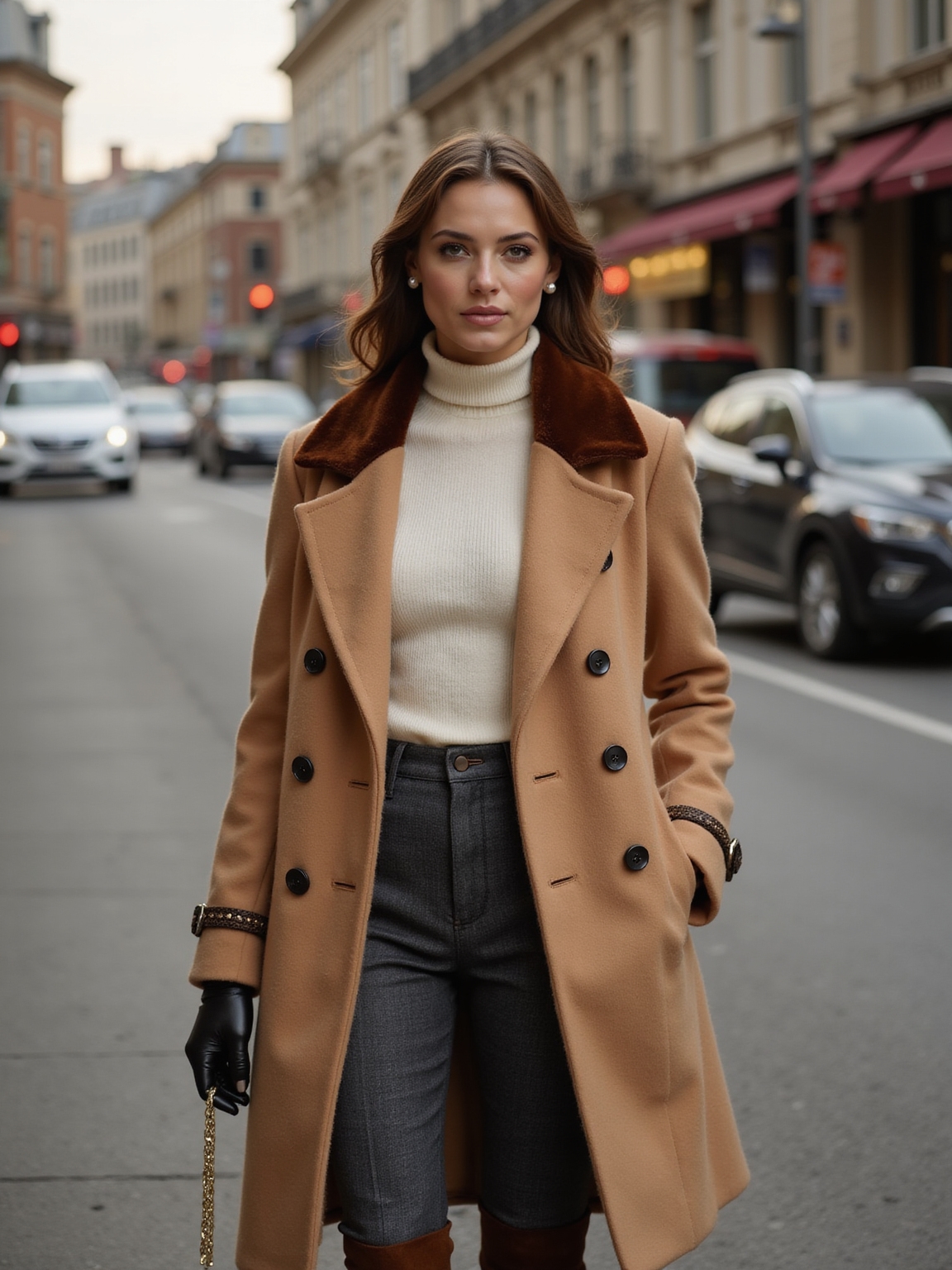
- Classic trench coat
I also emphasize the enduring value of timeless elegance and investing in garments that transcend seasons.
Color Palettes That Work: Neutrals and Tasteful Accents
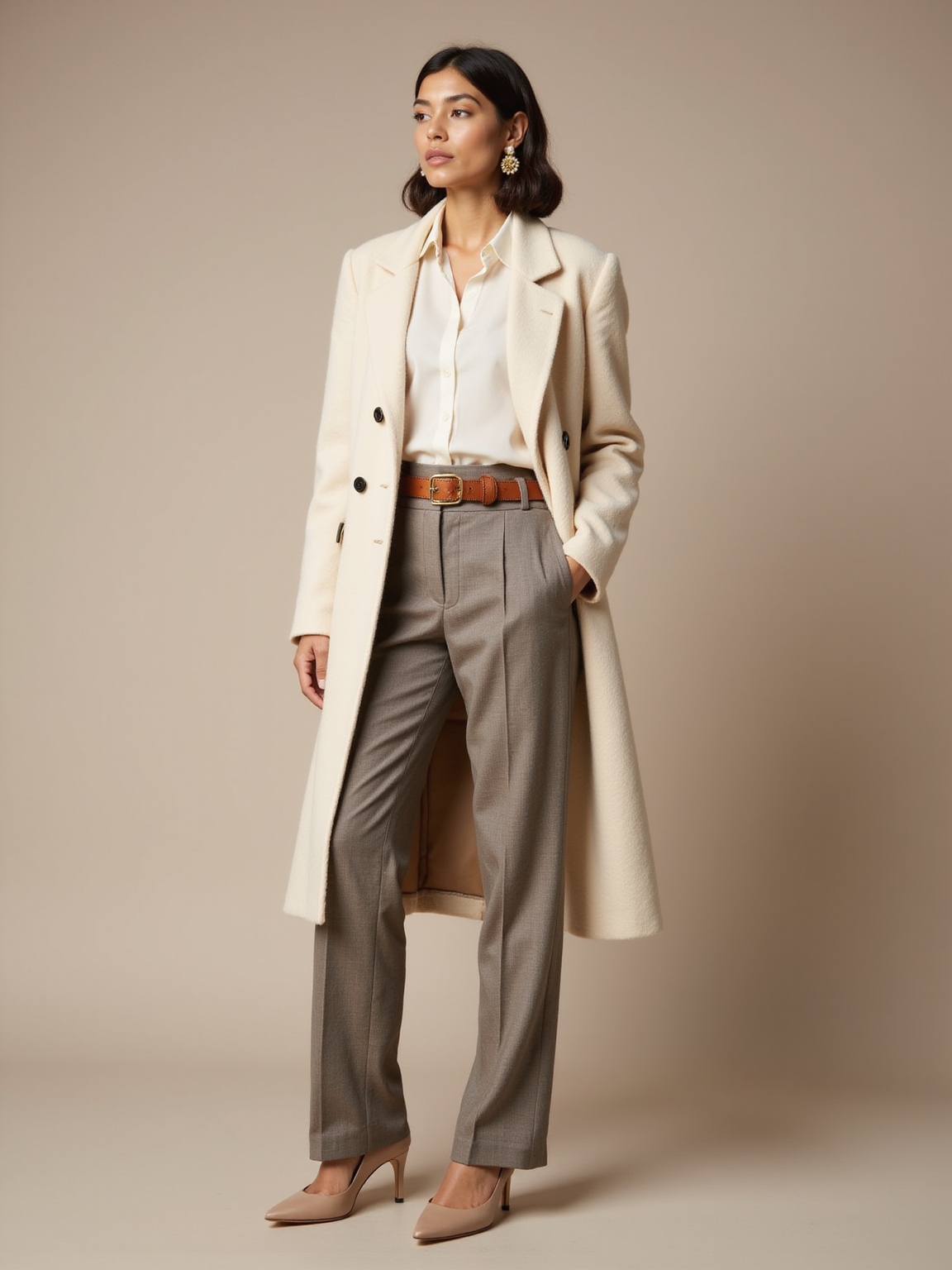
I always start with a base of timeless neutrals—cream, navy, camel, and charcoal—that let each piece feel quietly expensive.
Then I introduce muted accents like moss green, dusty rose, or a soft ochre to add interest without shouting. Those restrained pops keep the look refined and endlessly wearable.
I often pair these tones with classic textures like cashmere and herringbone to enhance the Old Money Autumn Outfit aesthetic.
Timeless Neutral Foundations
While neutrals form the backbone of old-money dressing, I find that their power comes from restraint and careful pairing rather than monotony.
I favor clean, enduring hues and textures that whisper refinement. Consider these foundational combinations:
- Cream sweater + camel coat
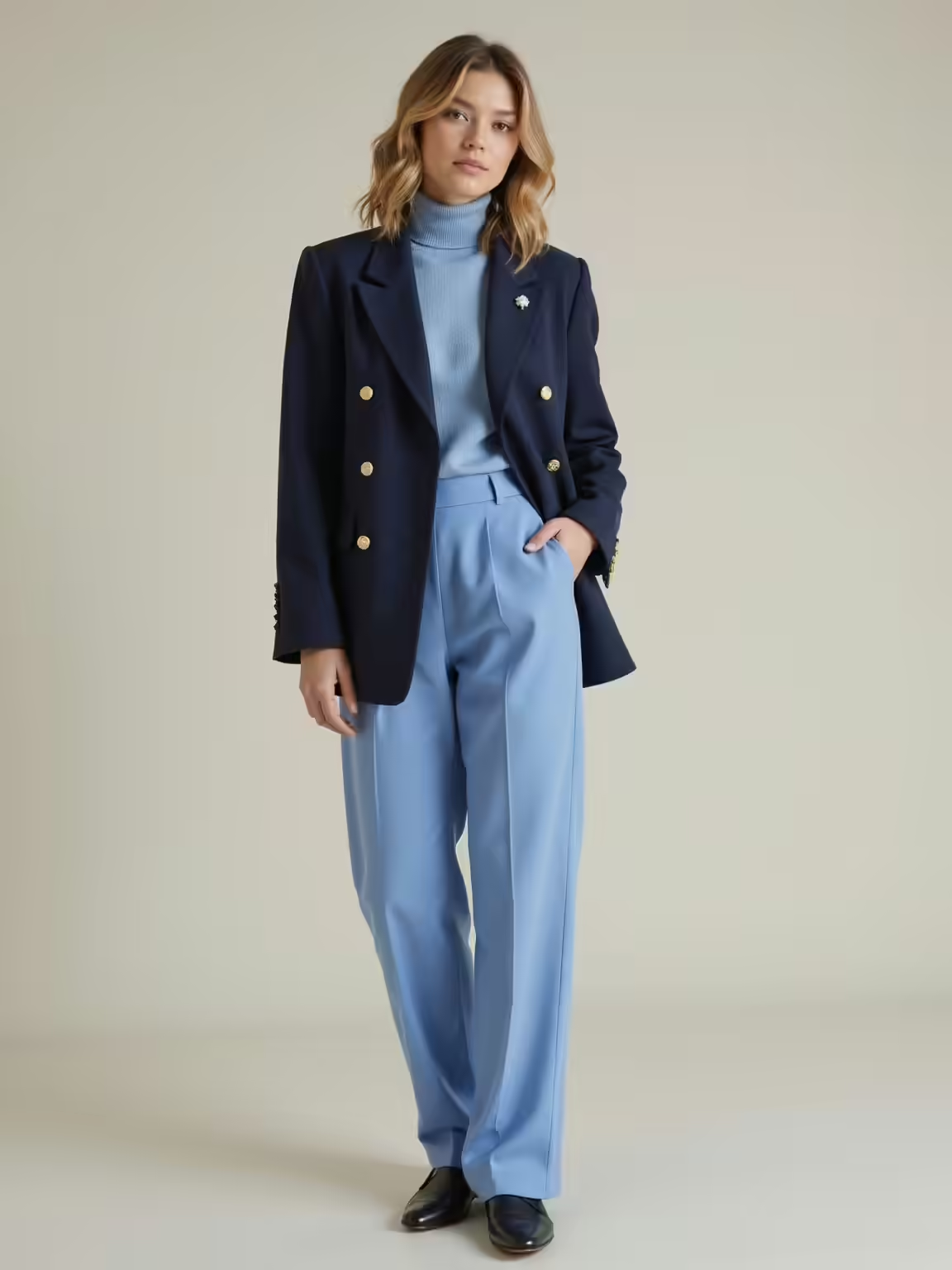
- Navy blazer + charcoal trousers
- Olive trench + beige knit
- Taupe dress + soft white blouse
Many fall wardrobes benefit from focusing on timeless essentials that mix longevity with subtle luxury.
Muted Accent Choices
A muted accent can lift a neutral outfit without shouting, and I tend to reach for colors that feel collected rather than loud.
I favor softened tones—sage, dusty rose, navy-gray—and introduce them sparingly: a silk scarf, a leather belt, or a delicate brooch.
Those restrained touches keep ensembles refined, intentional, and quietly memorable, never competing with the calm foundation beneath them.
Effortless old money style often relies on casual chic pieces that prioritize quality and timeless silhouettes.
Pattern Use: When to Wear Stripes, Checks, and Plaids
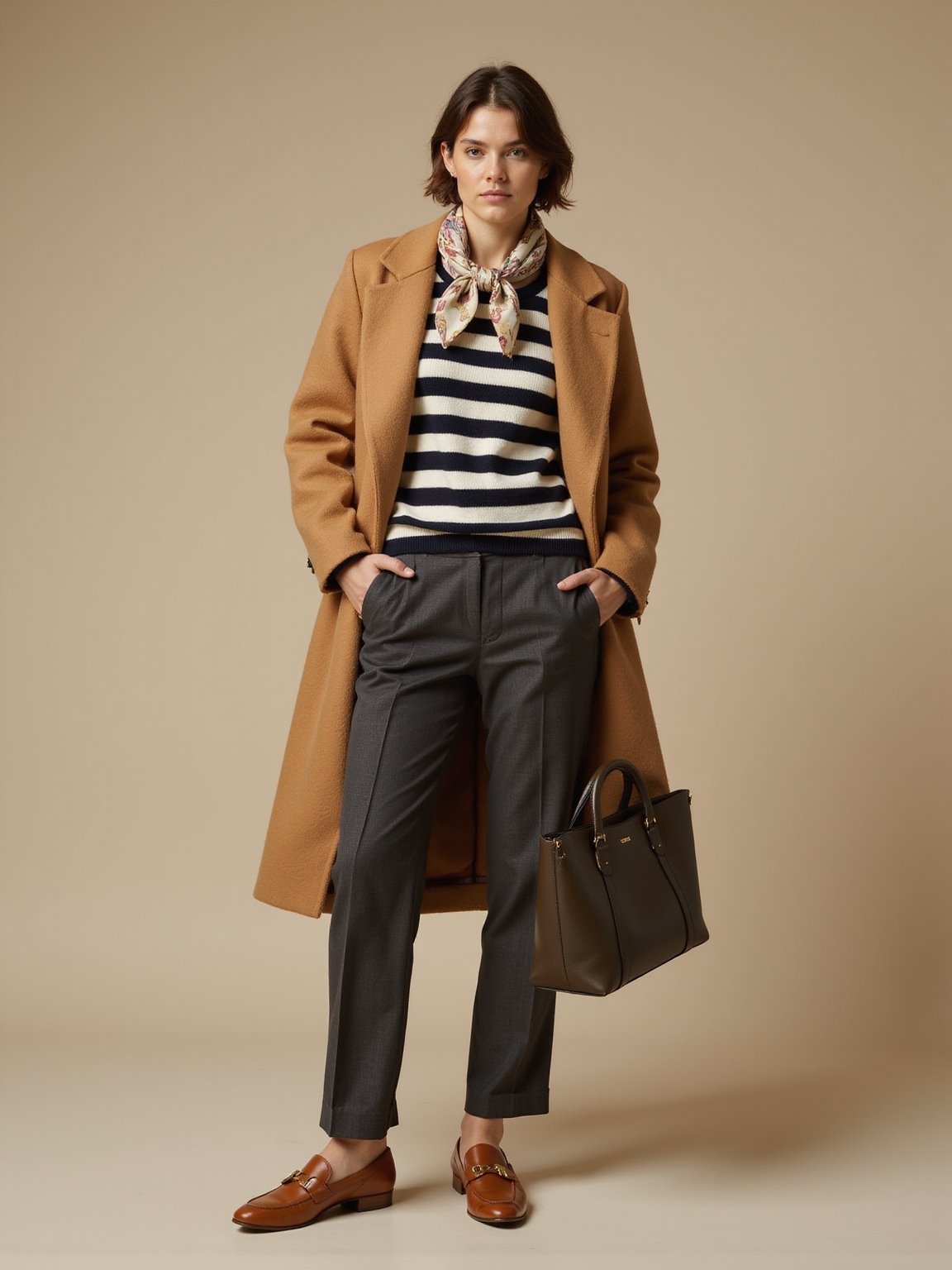
When I choose patterns, I think of them as notes in a quiet melody: stripes set the rhythm, checks provide structure, and plaids add texture.
I favor restraint—one patterned piece per outfit, muted palettes, and classic cuts. Here’s how I place them:
- Thin navy stripes — smart, elongating.
- Subtle windowpane checks — architectural, calm.
- Soft tartan plaids — cozy layer.
- Houndstooth accents — refined detail.
Office Outfits: Polished, Logo-Free Workwear
I favor workwear that speaks softly: clean lines, careful tailoring, and no visible logos so the clothes support your presence rather than shout for attention.
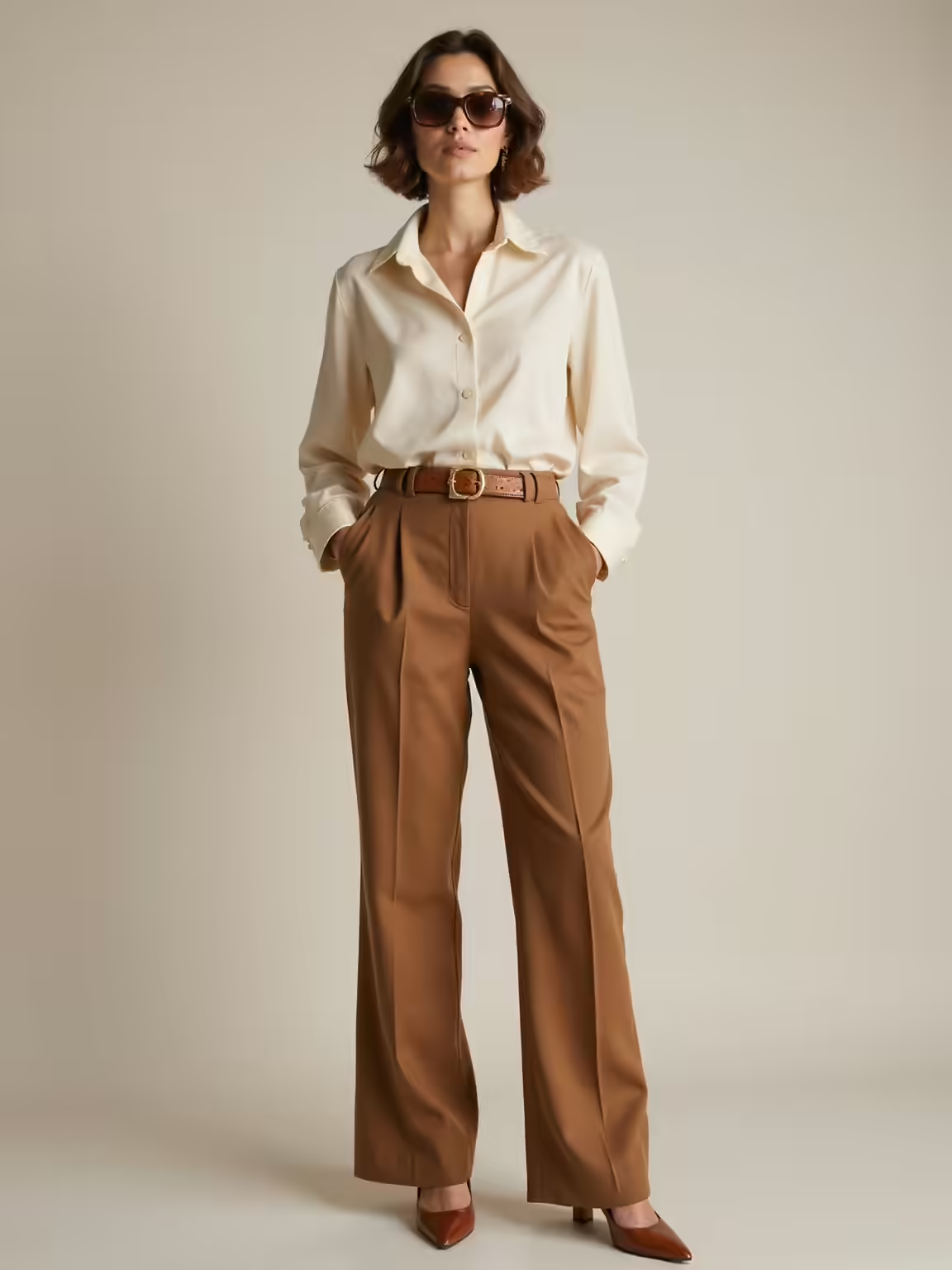
I choose neutral blazers, silk blouses, tapered trousers, and simple leather loafers. Accessories are restrained — a slim watch, muted belt. This approach keeps focus on competence, not costume, and feels quietly authoritative without fuss.
Weekend Elegance: Elevated Casual Looks That Feel Effortless
Although I relax the tailoring on weekends, I still favor pieces that look considered without trying too hard: a soft cashmere sweater, perfectly cut jeans, a crisp white tee layered under a lightweight blazer, and leather sneakers or loafers that have been gently broken in.
- Sunlit café, lightweight scarf
- Breton tee, slim denim
- Minimal gold hoop, leather tote
- Neutral trench, worn-in loafers
Layering Combos: Blazers, Knitwear, and Coats That Add Depth
Because layering is as much about proportion and texture as it’s about warmth, I reach for pieces that play off one another—an unfussy blazer over a slouchy cashmere, a lightweight coat draped atop a cropped knit—to create depth without fuss.
I balance structure and softness, prefer muted palettes, and let subtle contrasts—lapel against rib, hem against cuff—feel intentional, never contrived.
Tailoring Tricks to Make Inexpensive Pieces Look Bespoke
Layering taught me that the smallest adjustments can make an outfit feel curated rather than cobbled together, and the same goes for tailoring—it’s the quiet alterations that turn a bargain into something that looks made-to-measure.
- Take hems up for proper proportion.
- Nip waists subtly for polish.
- Shorten sleeves to reveal a shirt cuff.
- Replace buttons and press seams for crispness.
Shoes for Outfits: Classic Footwear for Suits, Jeans, and Dresses
I always start with shoes when finishing an outfit, because the right pair quietly sets the tone.
A polished oxford or loafer elevates a suit, while refined leather sneakers or suede chukkas keep jeans feeling composed rather than casual.
For dresses, I reach for simple pumps or elegant flats that read timeless rather than trendy.
Timeless Dress Shoes
Slip into a well-made pair of dress shoes and you’ll feel how they quietly complete an outfit, whether you’re buttoning a suit, rolling denim, or pairing a simple dress.
I favor enduring shapes, rich leathers, and calm colors that age gracefully.
- Black cap-toe oxfords
- Brown brogues
- Polished loafers
- Burgundy wholecuts
Casual Yet Refined
When I want an outfit to read effortless and considered, I reach for shoes that bridge formality and ease—pieces that carry a suit without stiffening it, ground raw denim, or lift a simple dress.
I favor leather loafers, neat ankle boots, and minimal trainers in muted tones; they feel lived-in yet polished, quiet companions that sharpen proportions and invite wear without shouting.
Accessories That Elevate: Watches, Belts, Scarves, and Modest Jewelry
Although subtle, the right accessories can quietly define an Old Money look, and I’ll show you how a few well-chosen pieces—watches, belts, scarves, and modest jewelry—do more than finish an outfit; they signal restraint, taste, and longevity.
- Classic leather watch, slim profile.
- Simple leather belt, muted buckle.
- Silk scarf, tasteful pattern.
- Small gold or pearl studs.
Shopping on a Budget: Where to Find Quality Without Overspending
Because true Old Money style values longevity over flash, I don’t chase every new label—I look for pieces that will age well and still read understated.
I favor thrifted classics, outlet finds, and timeless cuts in neutral hues. Inspect seams, fabric weight, and hardware; a small repair beats a flashy logo. Patience and a discerning eye save money and elevate every quietly refined outfit.
Care and Storage: Keep Pieces Looking Expensive Longer
If I want a piece to look like it cost more than it did, I treat its care and storage as part of the purchase—simple rituals keep fabric crisp, leather supple, and seams intact.
I follow gentle routines and a quiet system.
- Breathable garment bags
- Cedar blocks for moths
- Soft brushes, spot cleaning
- Padded hangers, folded knits
Dressing for Your Shape: Adapt Old Money Rules to Your Body
I size things to my silhouette rather than chasing labels or trends; doing so quietly changes how garments read on me.
I learn proportions—nip at the waist, elongate with vertical lines, or soften shoulders—so classic pieces flatter rather than fight my frame.
Fabrics that drape, modest tailoring, and restrained accessories make an effortless, tailored look that feels personal and comfortably refined.
Ten Outfit Formulas You Can Copy Today
You’ve learned to shape garments to your frame; now let’s make getting dressed effortless by keeping a handful of reliable outfits on rotation.
I keep simple formulas—classic, wearable, quietly refined—that rescue busy mornings and travel days. Here are four go-tos you can copy and tweak.
- Breton, tailored blazer, straight jeans, loafers
- Silk blouse, pencil skirt, low pumps, delicate watch
- Cashmere sweater, pleated midi, ankle boots, leather tote
- White tee, trench, cigarette pants, ballet flats
I’ve shown you how quiet luxury lives in fabric, fit and restraint—remember, “dress for the life you want, not the one you have.”
Start with neutrals, invest in timeless pieces, and let patterns whisper rather than shout. Tailoring and care do half the work; the rest is attitude.
Try the capsule outfits, adapt them to your shape, and you’ll find classic elegance quietly transforms not just your wardrobe, but how you move through the world.