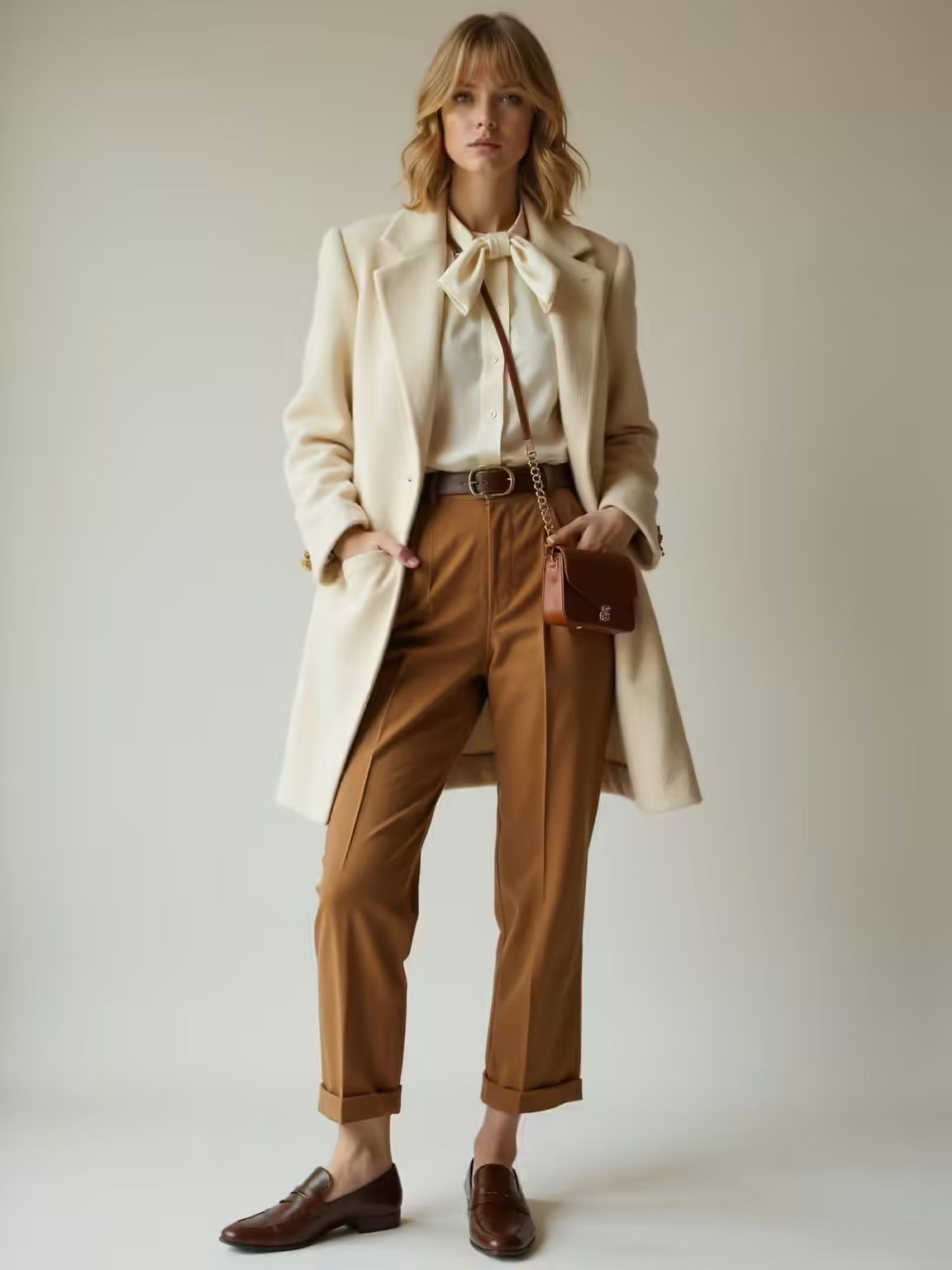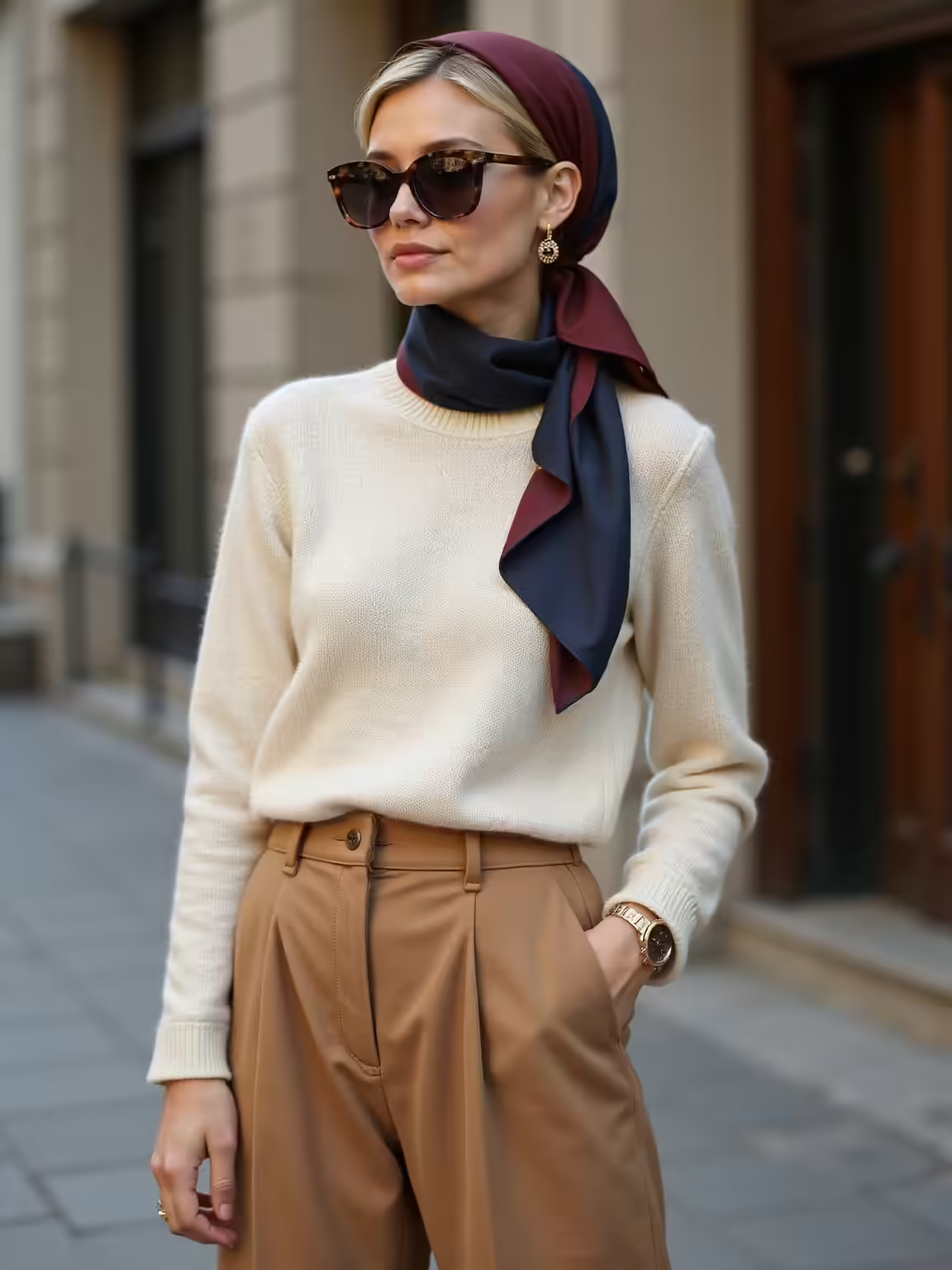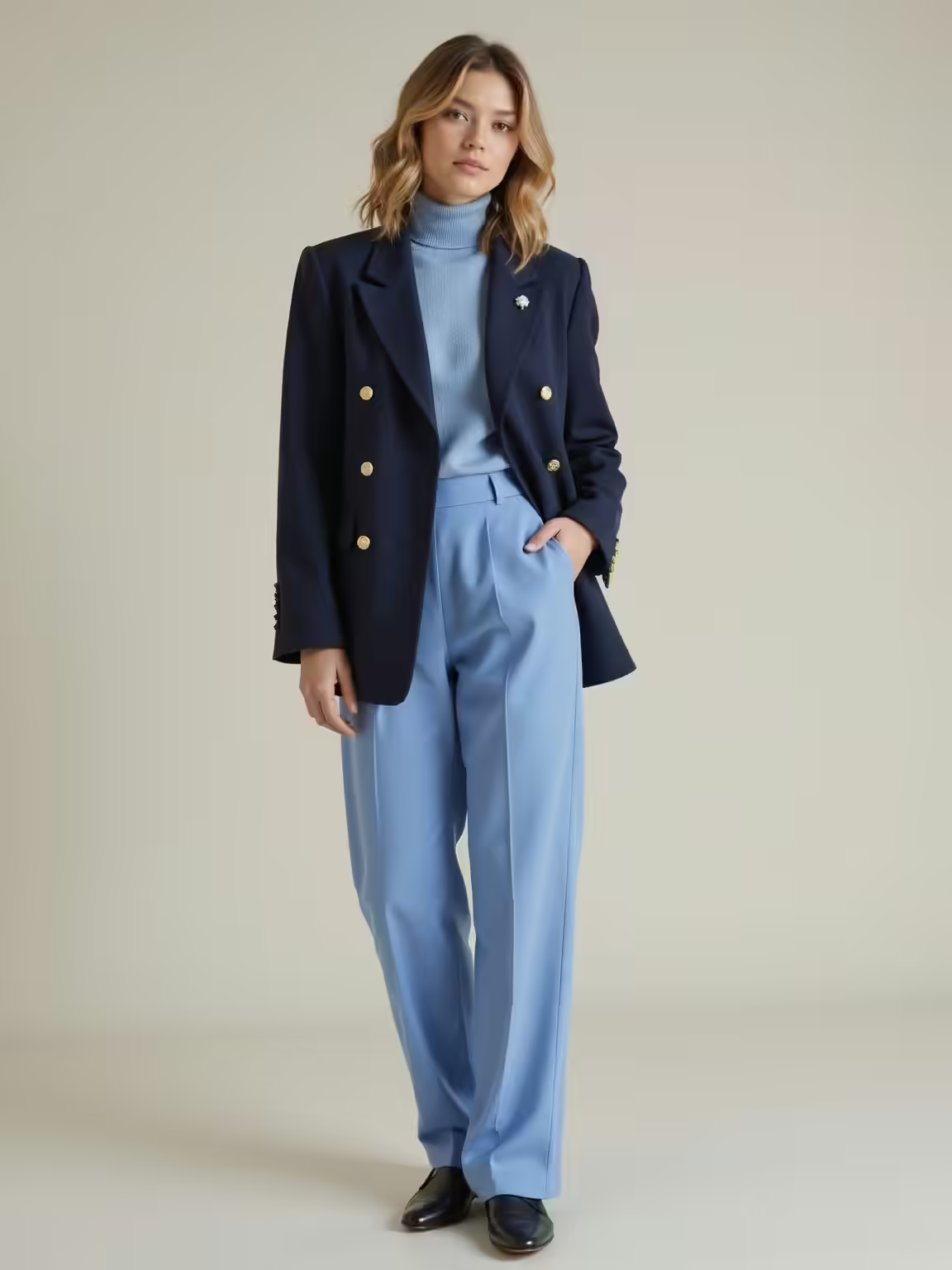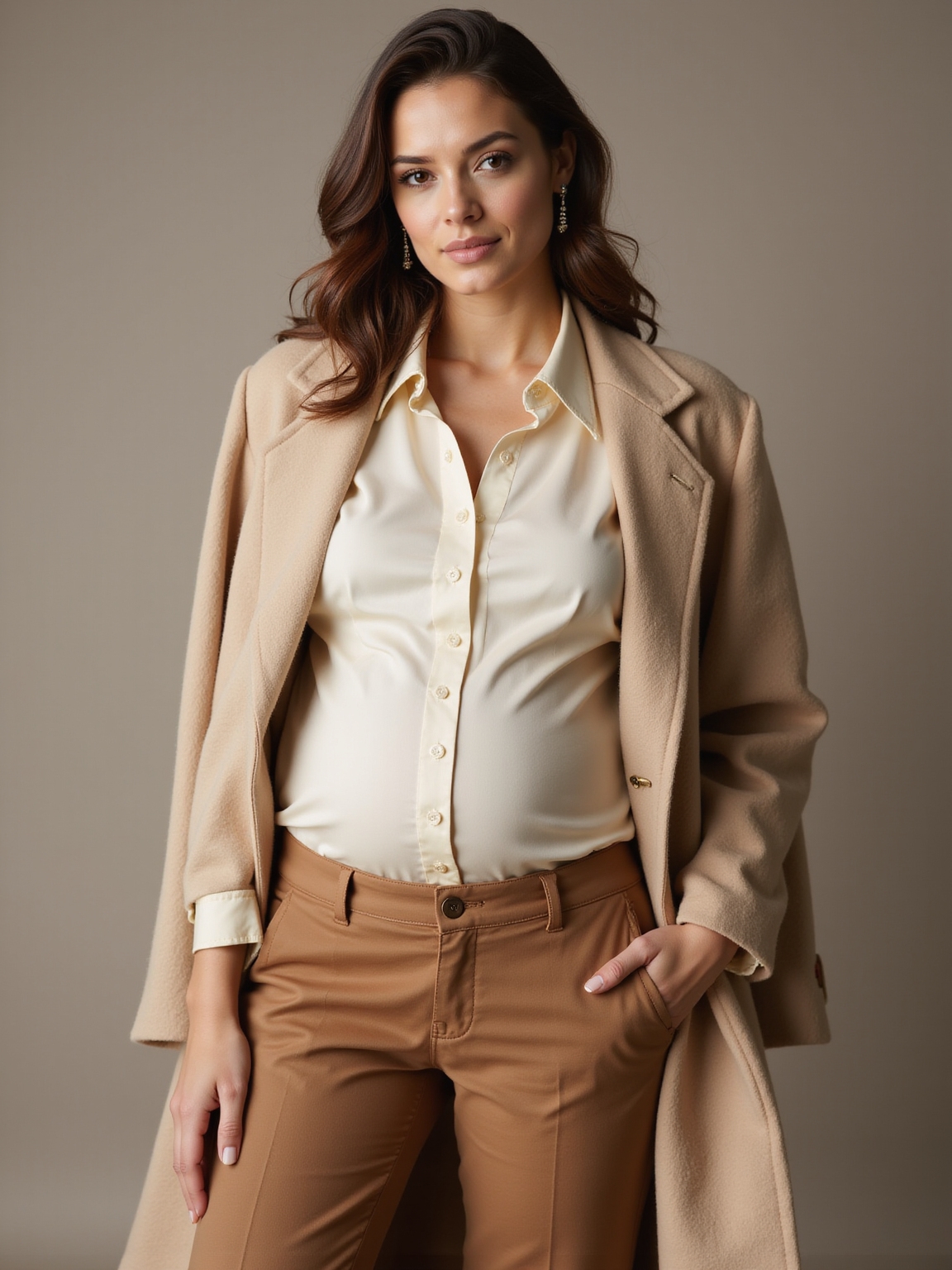

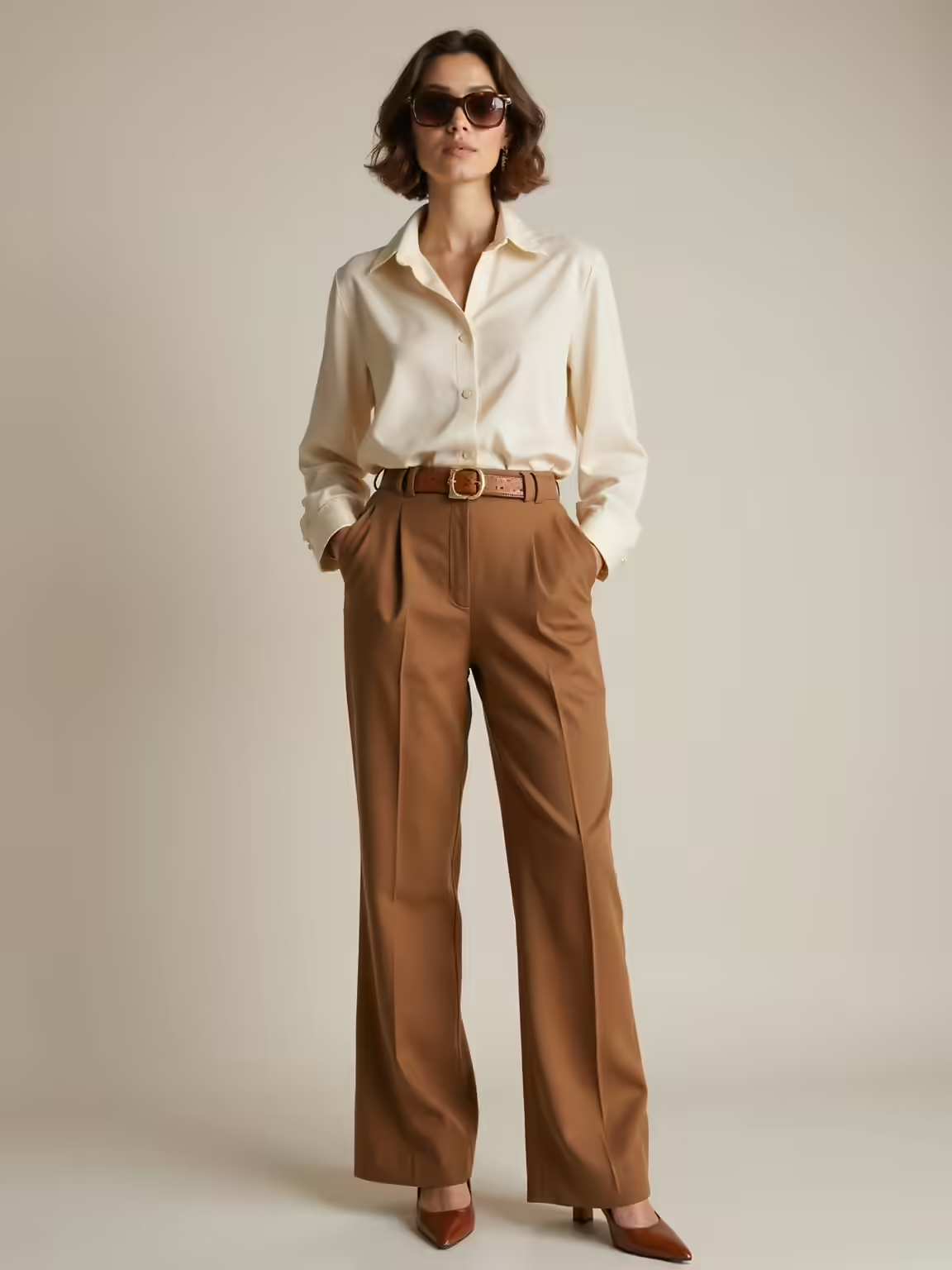
I’ve spent years with linen suitcases and silk scarves, learning that Old Money Italy dressing is quietly textured and lived-in. I favor soft-shoulder blazers, worn-in loafers, crisp cotton shirts and breathable linens in creams, camel and navy. Small tailoring tweaks and silk scarves tucked into pockets give polish without shouting.
Accessories should show gentle patina; fabrics should breathe and age with you. Keep a compact capsule for piazzas and coastlines, and if you stay, I’ll show how to build it season by season.
Defining Old Money Italy

Think of “Old Money Italy” as a quietly curated wardrobe that tells a family’s story without shouting—I’m talking timeless fabrics, tailored lines, and an economy of details.
I see restraint as privilege: pieces chosen for longevity, heritage, and unobtrusive elegance.
It’s less about logos and more about provenance, gestures, and habits—how meals, addresses, and manners stitch an identity that’s lived, not advertised.
This aesthetic often draws on Mediterranean influences and relaxed coastal refinement found in La Dolce Vita inspired looks.
Old Money Italy: Fabrics and Colors
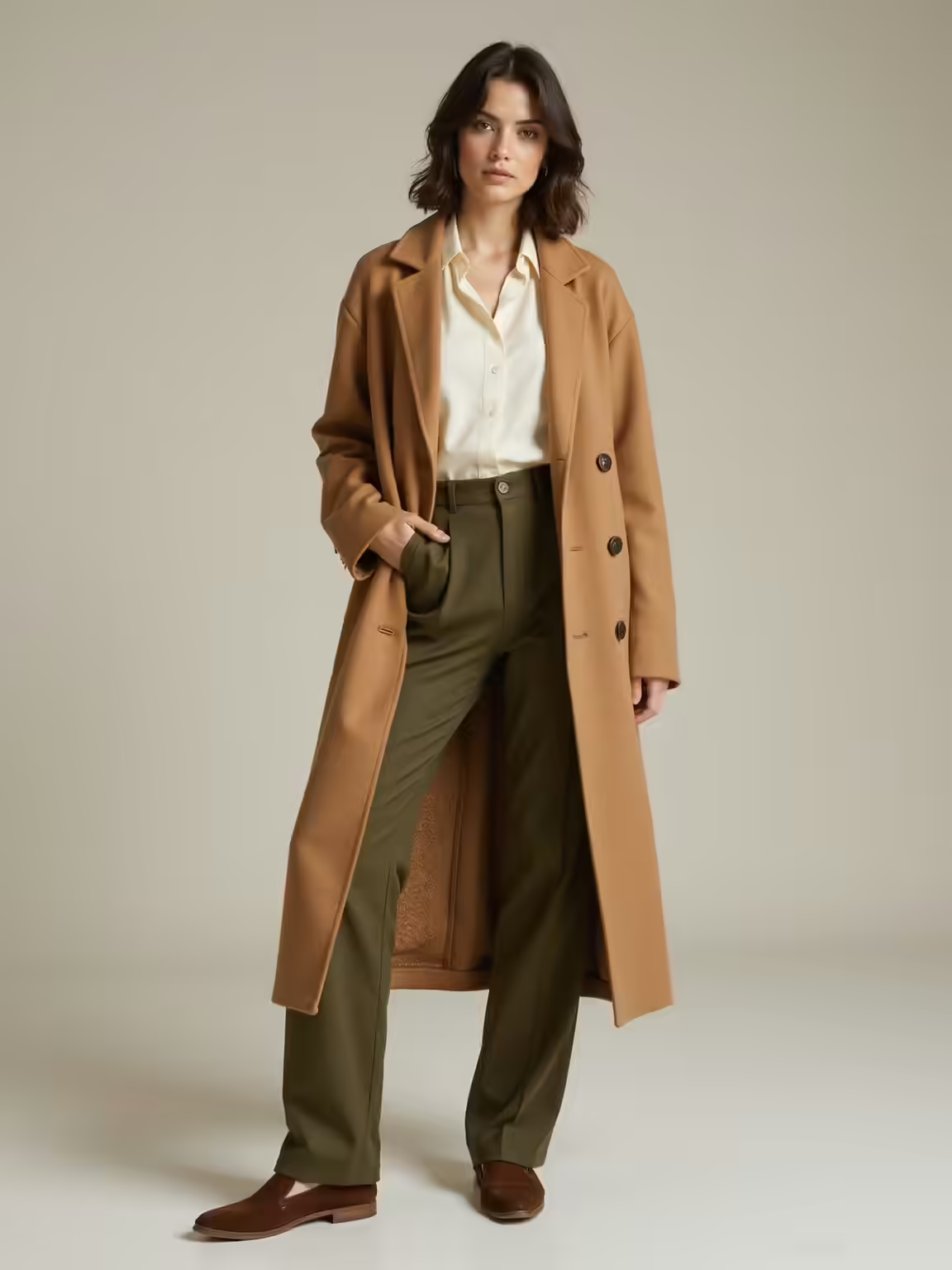
I always notice how old-money Italy leans on natural, luxurious fabrics—wool, cashmere, silk and crisp cotton—that feel as important as the cut.
The color story stays deliberately calm: warm creams, camel, navy and olive that never shout but always read as considered.
Pay attention to texture and weight; they give those quiet neutrals life and tell you whether a piece belongs on a Roman piazza or tucked into a countryside estate.
These looks favor timeless tailoring and understated silhouettes that echo Old Money Fall Outfits Women in their restraint and refinement.
Natural Luxe Fabrics
I reach for cashmere before I reach for anything else, because in Old Money Italian style the fabric is the quiet protagonist: wool, silk, linen and cotton that have been honed by craft and climate to feel inevitable on the body.
I favor pieces that breathe, drape and age with grace—linen shirts, silk scarves, fine wool coats—each telling a small story of place and patience.
This wardrobe ethos often leans on timeless tailoring to keep silhouettes refined and understated.
Timeless Neutral Palette
Choosing a muted palette is less about playing it safe and more about composing a wardrobe that feels effortless in any room.
I favor ivory, camel, dove gray, and olive—colors that age gracefully and let form and cut speak. These neutrals mix without fuss, anchor travel looks, and make a discreet statement: refinement doesn’t shout; it simply arrives, composed and quietly confident.
Old Money women often build wardrobes around classic pieces and timeless staples that prioritize quality and longevity.
Texture And Weight
When you feel a cashmere sleeve brush your wrist, you understand why texture matters more than labels; I’ve learned to let weight and weave do the talking.
I choose fabrics by how they sit and move, preferring substance over flash. Gentle contrasts bring life to neutral tones.
- Soft cashmere for warmth
- Linen for airy structure
- Wool flannel for grounding weight
I also look to classic city-season sensibilities from places like London to refine seasonal choices and layering with autumn outfits.
Core Staples: Blazers, Linens, and Silk
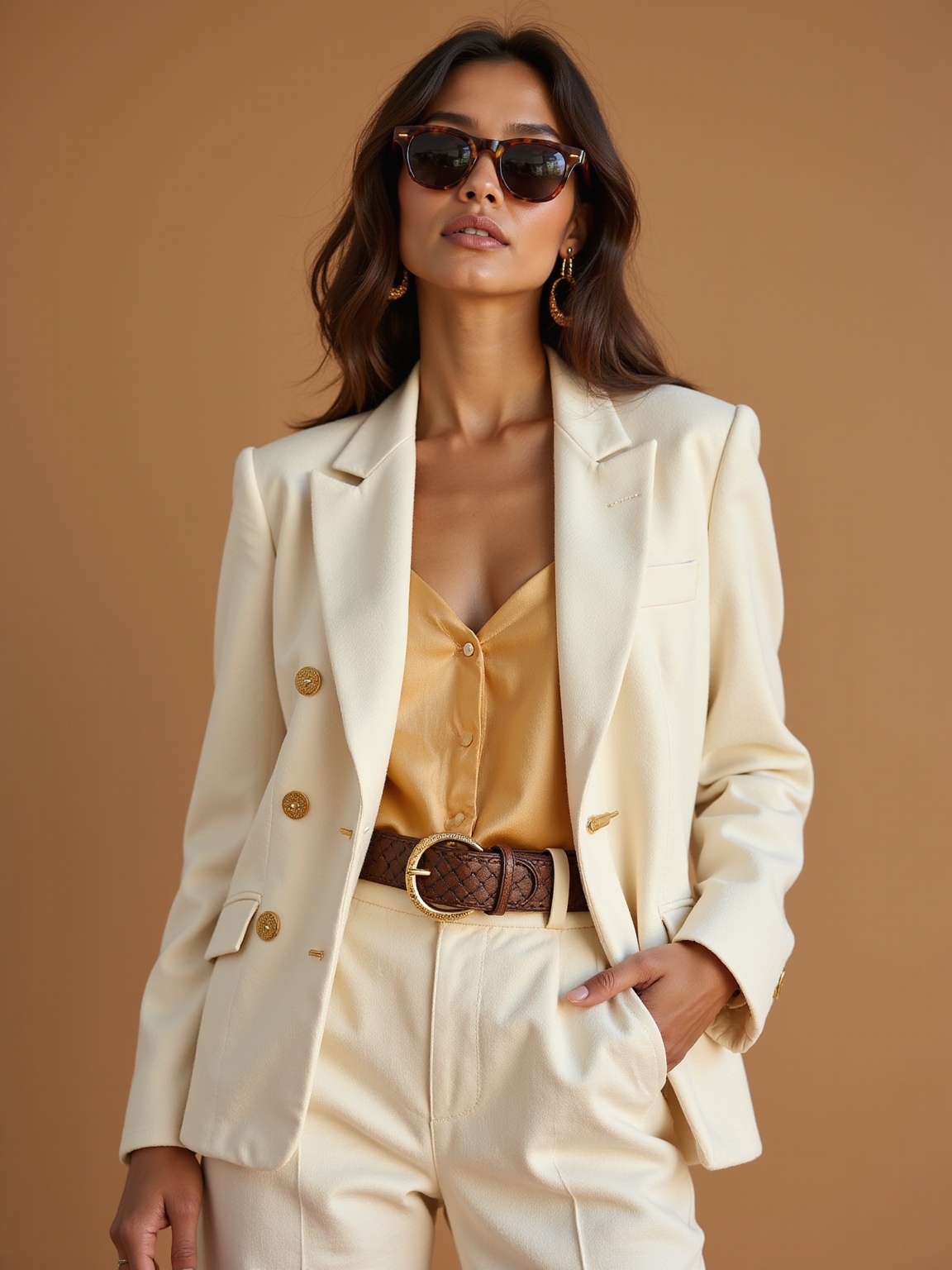
I always come back to a well-cut blazer as the backbone of an Old Money Italian wardrobe, its tailoring quietly asserting confidence.
Paired with breathable linen for day and silk for evening, those fabrics keep you cool and impeccably put together.
Let me show you how those three staples work together so you can build looks that feel effortless and enduring.
Old Money workwear often emphasizes timeless pieces and understated luxury, like the classic blazer paired with simple separates, which many women wear to the corner office to project authority and refinement Old Money Workwear.
Timeless Tailored Blazers
Slip into a well-cut blazer and you’ll feel a quiet kind of confidence that never looks like effort; I’ve always relied on tailored jackets to anchor an Old Money Italy wardrobe because they bridge formality and ease so cleanly.
I favor muted tones, neat shoulders, and thoughtful details that whisper rather than shout.
- Single-breasted navy
- Soft-shoulder beige
- Subtle peak lapel charcoal
Many women pair these timeless blazers with classic Old Money Blazers to achieve that polished, understated look.
Breathable Linen & Silk
Because heat and ease go hand in hand in Italy’s slower months, I lean hard on linen and silk to keep both my comfort and polish intact.
I favor softly structured blazers in lightweight linen, linen shirts that breathe, and silk scarves that catch a breeze.
These fabrics age gracefully, resist fuss, and let me move through piazzas with understated confidence and relaxed elegance.
Old Money linen outfits celebrate timeless, breathable fabrics and quiet luxury in warm-weather dressing, with an emphasis on timeless linen looks that suit breezy summer days.
How to Wear Your Staples
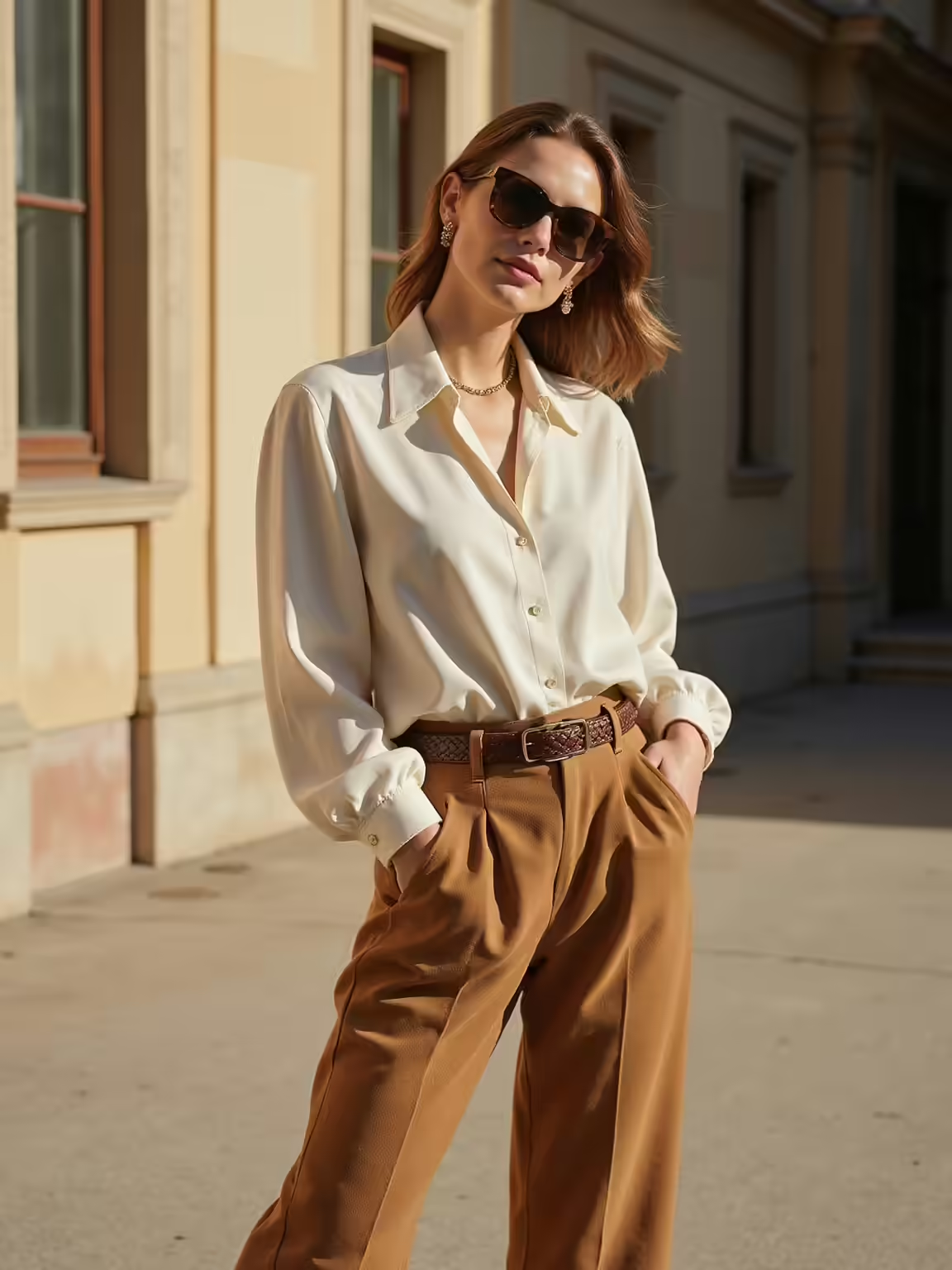
When I reach for the staples in my wardrobe, I think about how each piece should earn its spot — not by trend but by how effortlessly it lives with everything else.
I pair neutrals, cherish fit, and favor quiet details that tell a story. Small rituals make dressing feel deliberate.
- Tailored blazer
- Soft white shirt
- Timeless leather loafer
Casual Seaside Outfits
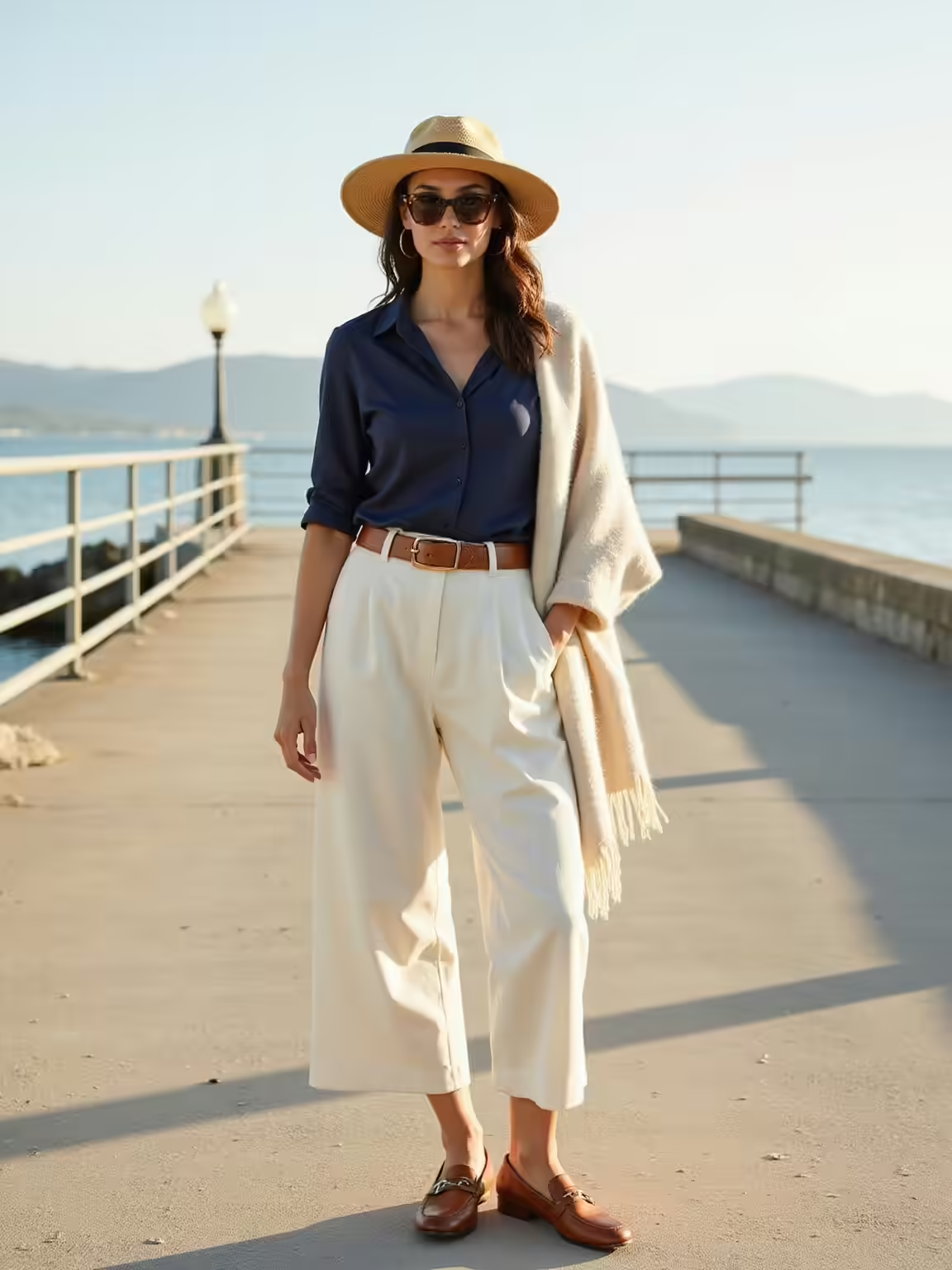
If I’m heading to the water, I reach for pieces that feel as effortless as the tide—lightweight linens, a soft Breton, and loafers I won’t mind scuffing a little.
I tuck a silk scarf into my pocket, wear muted stripes, and keep jewelry minimal. Sunhat, woven tote, and a worn leather watch finish the look; practical, unpretentious, quietly Italian.
Effortless Evening Tailoring
Though I keep things simple by day, evening calls for a different kind of restraint: tailoring that feels lived-in rather than staged.
I choose soft-shouldered blazers, silk trousers, and crisp shirts that move with conversation. They whisper confidence without shouting.
- Soft-shouldered blazers
- Tailored silk trousers
- Crisp shirts with relaxed fit
Layering for Warm Days and Cool Nights
Evening tailoring teaches me to respect restraint, but mornings that warm and evenings that cool ask for a different kind of attention: layers that breathe all day and fold neatly for night.
I favor linen shirts, lightweight cashmere cardigans and a crisp cotton scarf—pieces that mingle without fuss. I toss a blazer or thin jacket into my tote, ready for a cafe terrace as the air softens.
Timeless Shoes for the Look
I favor shoes that whisper rather than shout: a well-worn loafer, a slender derbies, or a soft leather sandal that shapes itself to your foot over time.
I tell you about comfort that reads as quiet elegance, broken-in soles that hold memories of cobbled streets.
- Burnished leather loafers
- Simple closed-toe derbies
- Minimal leather sandals
Scarves, Sunglasses, and Belts That Feel Acquired
When I look for scarves, sunglasses, and belts that read as acquired, I imagine pieces that have lived a little before they arrive with you—scarves spun from slightly slubby silk that crease just so, sunglasses with frames that catch a film of time at the hinges, and belts with leather that softens at the buckle where it’s been fastened a hundred times.
I hunt for subtle patina, neat repairs, and quiet provenance.
Mixing Vintage Italian Finds With Modern Basics
Because those vintage Italian pieces already carry a life, I like to pair them with simple modern basics so each element can breathe.
I’ll wear a worn silk blouse with clean trousers, letting texture tell the story without shouting.
Small contrasts feel intentional, effortless.
- Slim white tee
- Tailored navy trousers
- Minimal leather loafers
Where to Buy Pieces That Age Well
Although you can find pieces that age beautifully in many places, I’ve learned to trust a few go-to sources where quality and patina are more likely to show up together.
I hunt curated vintage shops, small Italian ateliers, and heritage-brand sales, favoring items with honest wear and lasting construction. Online archives and local markets surprise me, too — each find tells a lived-in story.
Caring for Linen, Silk, and Vintage Pieces
I keep a soft basin and a patience for hand washing my linens and silks, because that gentle attention keeps them looking like they belong in an Italian summer.
I store them folded with acid-free tissue or hung on padded hangers in breathable garment bags to prevent creases, pests, and sun damage.
When a beloved vintage piece needs more than my care, I take it to a trusted restorer who respects fabrics and provenance.
Gentle Hand Washing
Usually I start by filling a basin with cool water and a splash of the gentlest soap I trust, because linen, silk, and vintage pieces respond to patience more than force.
I swirl them gently, rinse thoroughly, and press water out without wringing, laying garments flat to dry with care.
- Handle seams and embellishments gently
- Use minimal agitation
- Avoid hot water and harsh detergents
Proper Storage Methods
After hand washing and laying pieces flat to breathe, I give storage the same calm attention they deserve. I fold linen loosely, wrap silk in acid-free tissue, and place vintage garments in breathable boxes or cotton bags.
Cedar keeps moths away; lavender adds a sunlit scent. I avoid wire hangers, overpacking, and plastic—preserving patina and memory with quiet, deliberate care.
Professional Restoration Care
Restoration is an act of listening—I bring fragile linens, sun-faded silks, and vintage treasures to a conservator who reads their stains, seams, and stitches like a biography.
I trust careful cleaning, gentle reweaving, and archival supports to return dignity without erasing age.
Small interventions honor provenance and wear; I learn the piece’s story as it reenters my wardrobe.
- Gentle wet cleaning
- Invisible mending
- Acid-free storage
Packing an Old Money Italy Capsule
When I pack for Italy, I think in quiet combos—linen trousers with a Breton top, a silk scarf that doubles as a headband, and loafers that can handle cobblestones—so each piece earns its place in the suitcase.
I choose neutral colors, a tailored blazer, one elegant dress, versatile knit, simple jewelry, and a compact tote; together they feel effortless, polished, and ready for slow, bright days.
Adapting the Look by Season and Climate
When Italy turns sultry, I reach for breathable linens and silk blends that keep the silhouette crisp without trapping heat.
In those fickle spring and autumn weeks I layer light knits, camis and a smart blazer so I can shift from piazza to aperitivo without fuss.
And when winter arrives I choose structured wool, cashmere wraps and polished outerwear that feel both practical and quietly luxurious.
Lightweight Fabrics For Heat
A linen shirt and lightweight wool trousers have become my go-to when I want that Old Money Italy look without melting—breathable, structured fabrics keep the silhouette polished while letting air move.
I favor texture over loud prints, and small tailoring tweaks make warm-weather elegance effortless.
- Linen, open weave for airflow
- Tropical wool, thin and drapey
- Cotton-silk blends, subtle sheen
Layering For Transitional Weather
Shifting seasons mean I layer with intention rather than bulk, so I can keep that Old Money Italy polish through unpredictable mornings and sultry afternoons.
I choose lightweight knits, a silk scarf, and a structured blazer that folds into a day bag.
Morning chill becomes afternoon ease by shedding a layer; textures and neutral tones keep the look effortless, intentional, and distinctly Italian.
Insulated Elegance For Cold
Because cold demands intention, I lean into insulated elegance without abandoning that Old Money Italy ease: think tailored wool coats with hidden down panels, cashmere layers that breathe, and leather gloves lined in silk.
I tuck scarves neatly, favor muted tones, and move with purpose, enjoying warmth as a quiet luxury.
- Silk-lined gloves
- Structured wool coat
- Lightweight cashmere layers
Styling Tips by Body Type and Budget
When I help someone refine the Old Money Italy look, I start by listening — not just to sizes and budgets, but to how they move through a day and what makes them feel grounded; that tells me whether to recommend soft tailoring, flowing linen, or structured knits.
I pair cuts to body lines—cinched waists, elongated torsos, balanced shoulders—and mix investment pieces with smart, stylish budget finds.
I hope this wardrobe feels like a postcard from la dolce vita—quiet, sun-warmed, and full of small luxuries you actually wear.
Keep linens airy, silks soft, blazers tailored but unshowy; let neutrals and deep Mediterranean hues do the talking.
Dress for comfort first, polish second, and pack like you’re leaving room for memories. With these pieces, your everyday can feel like a gentle, familiar reverie—timeless and undeniably yours.