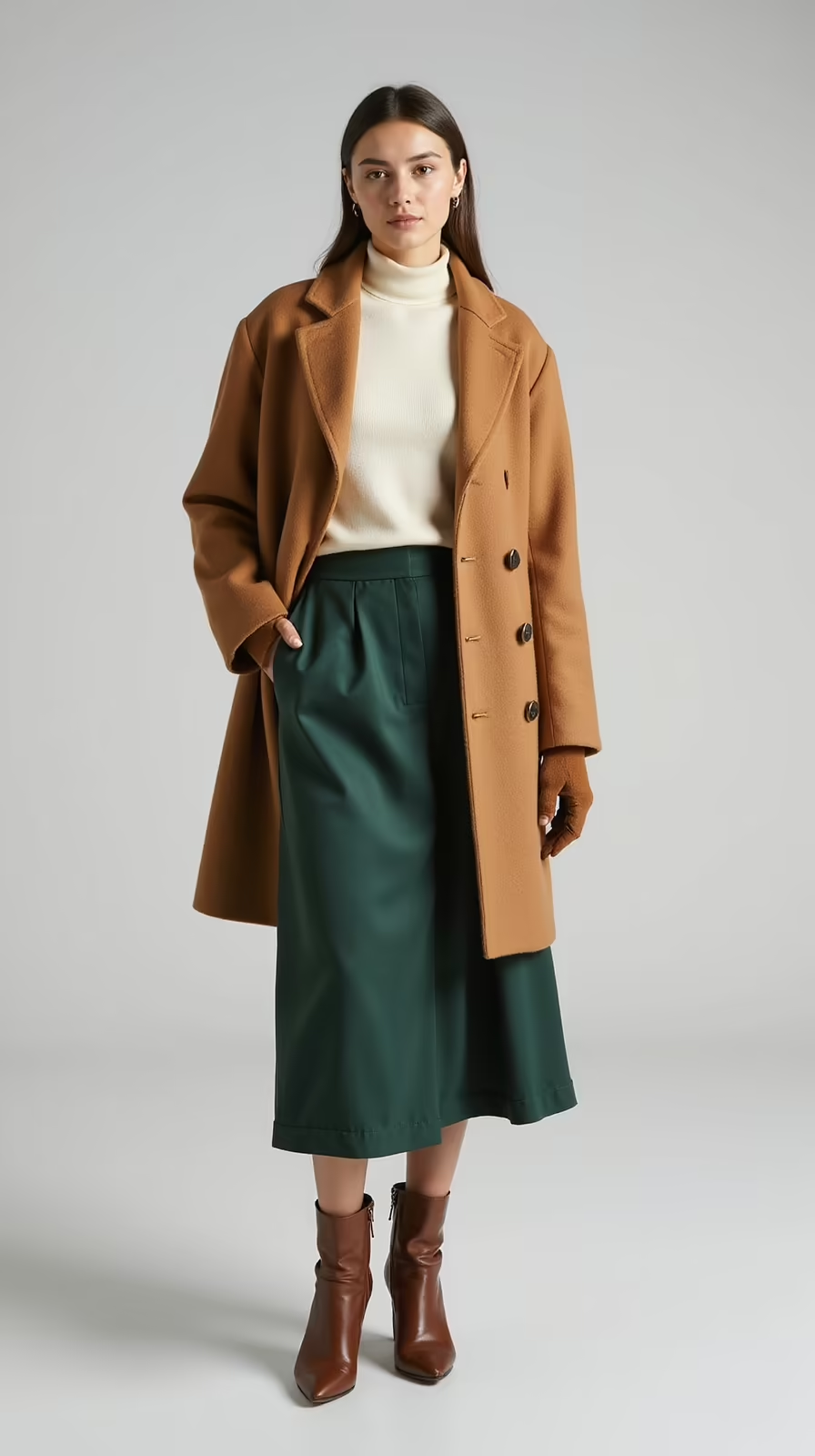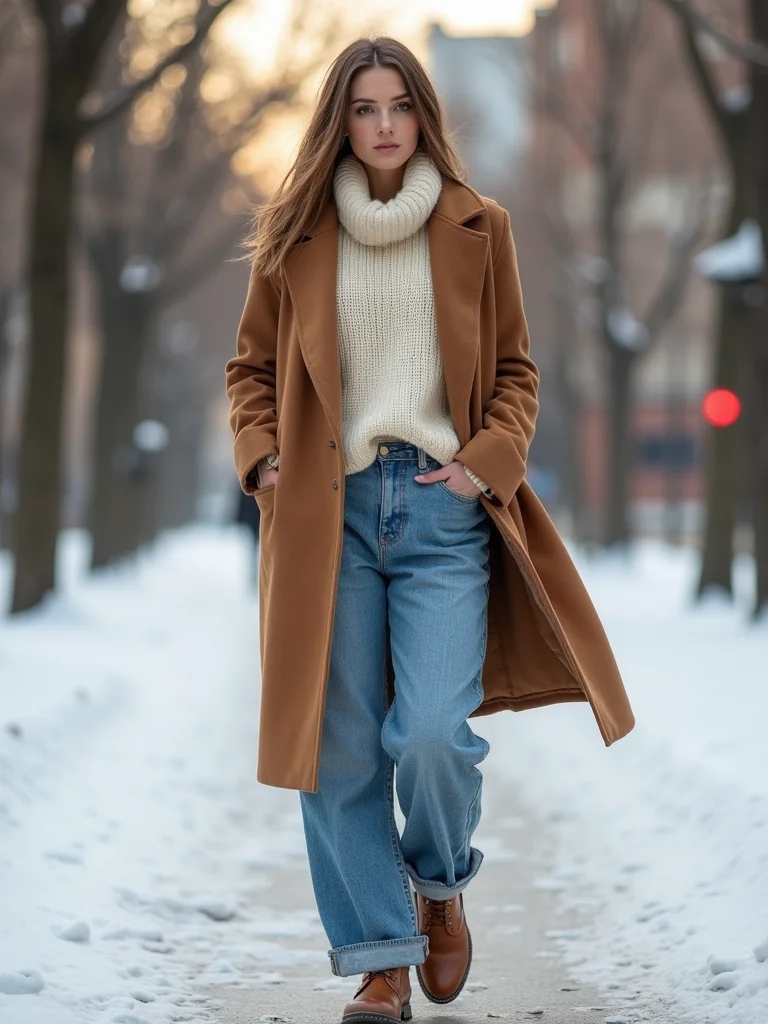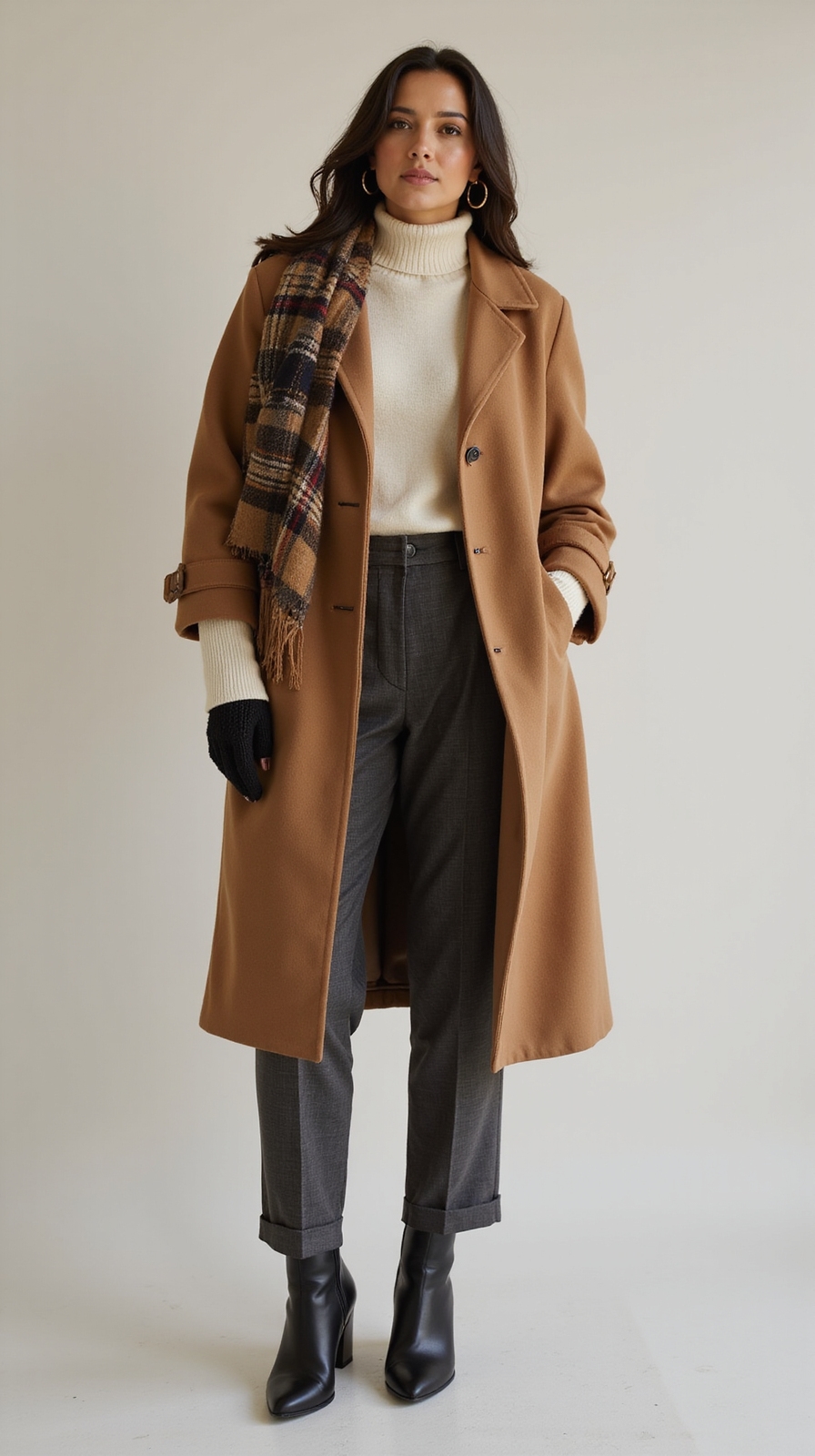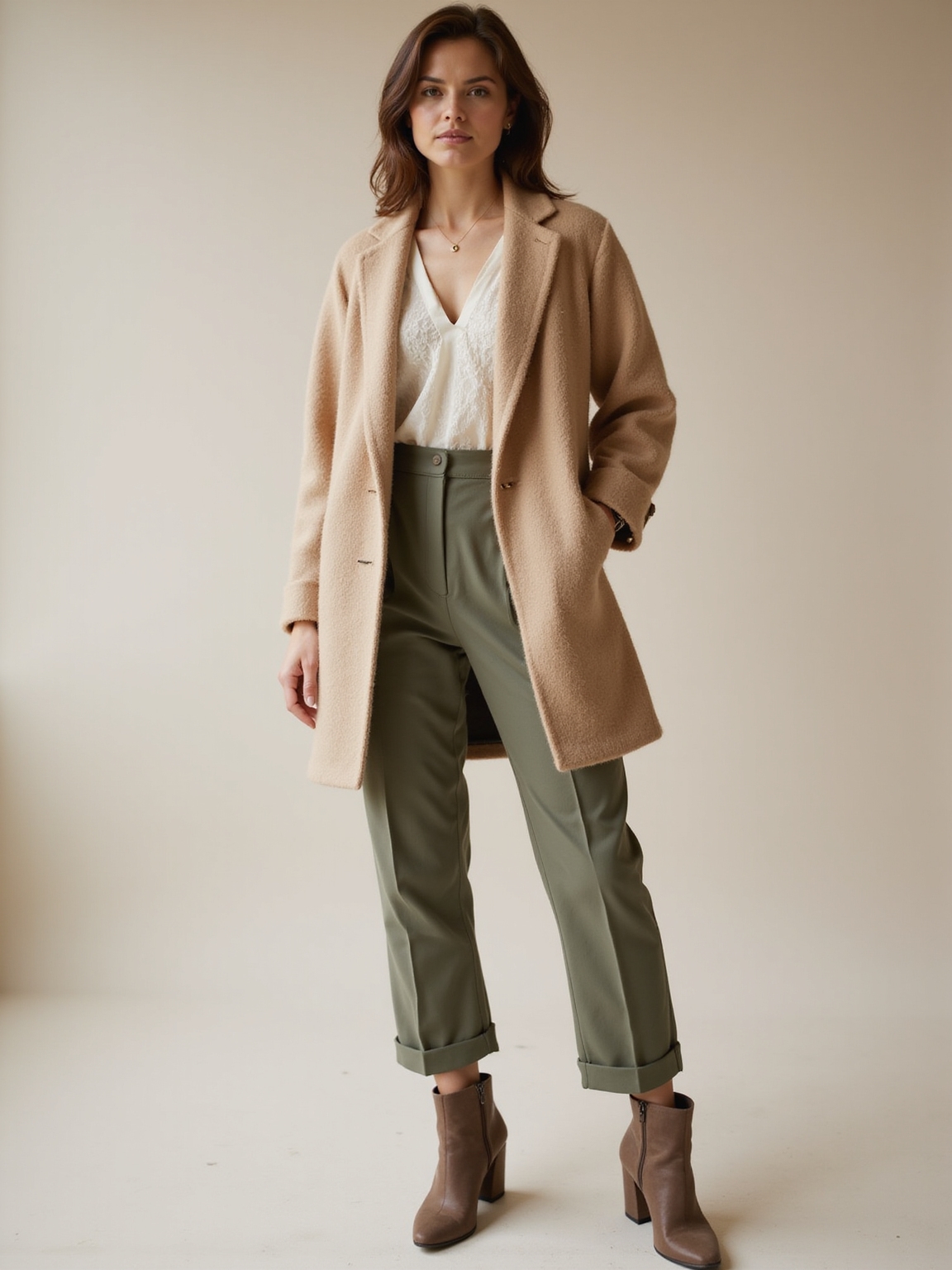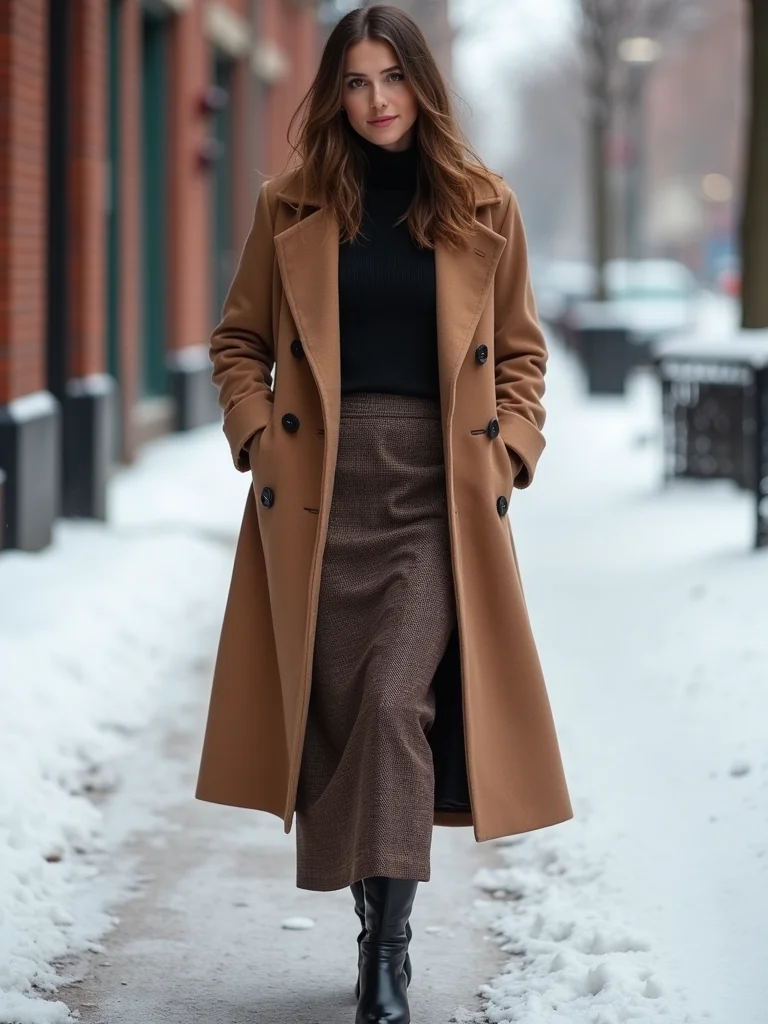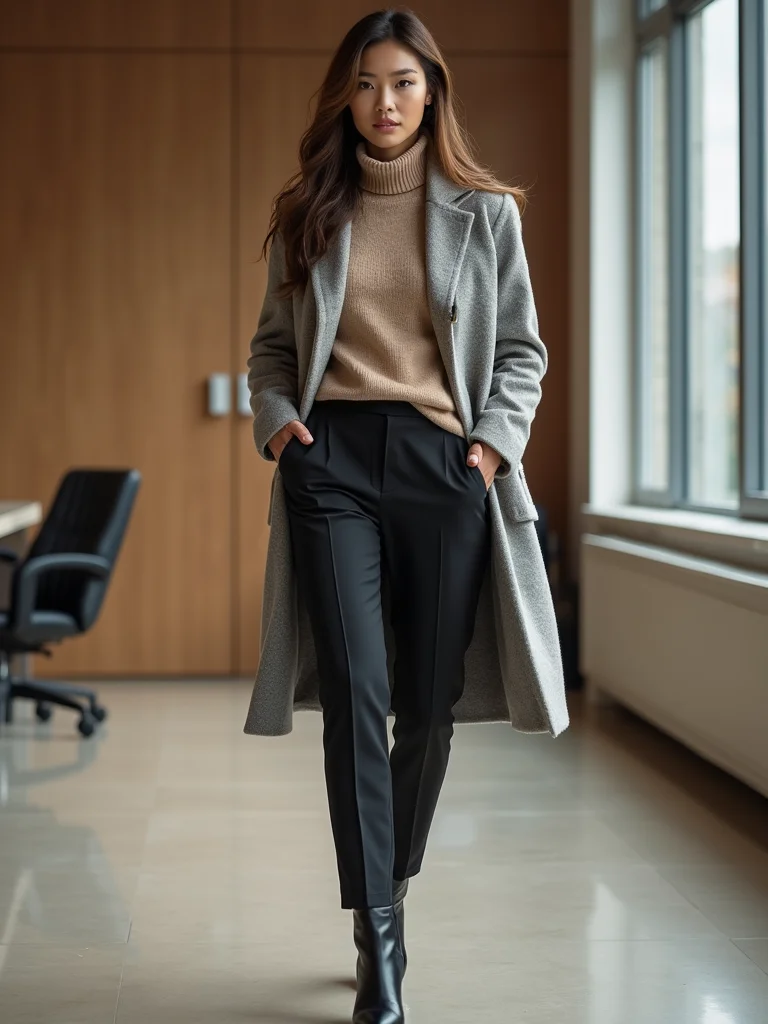

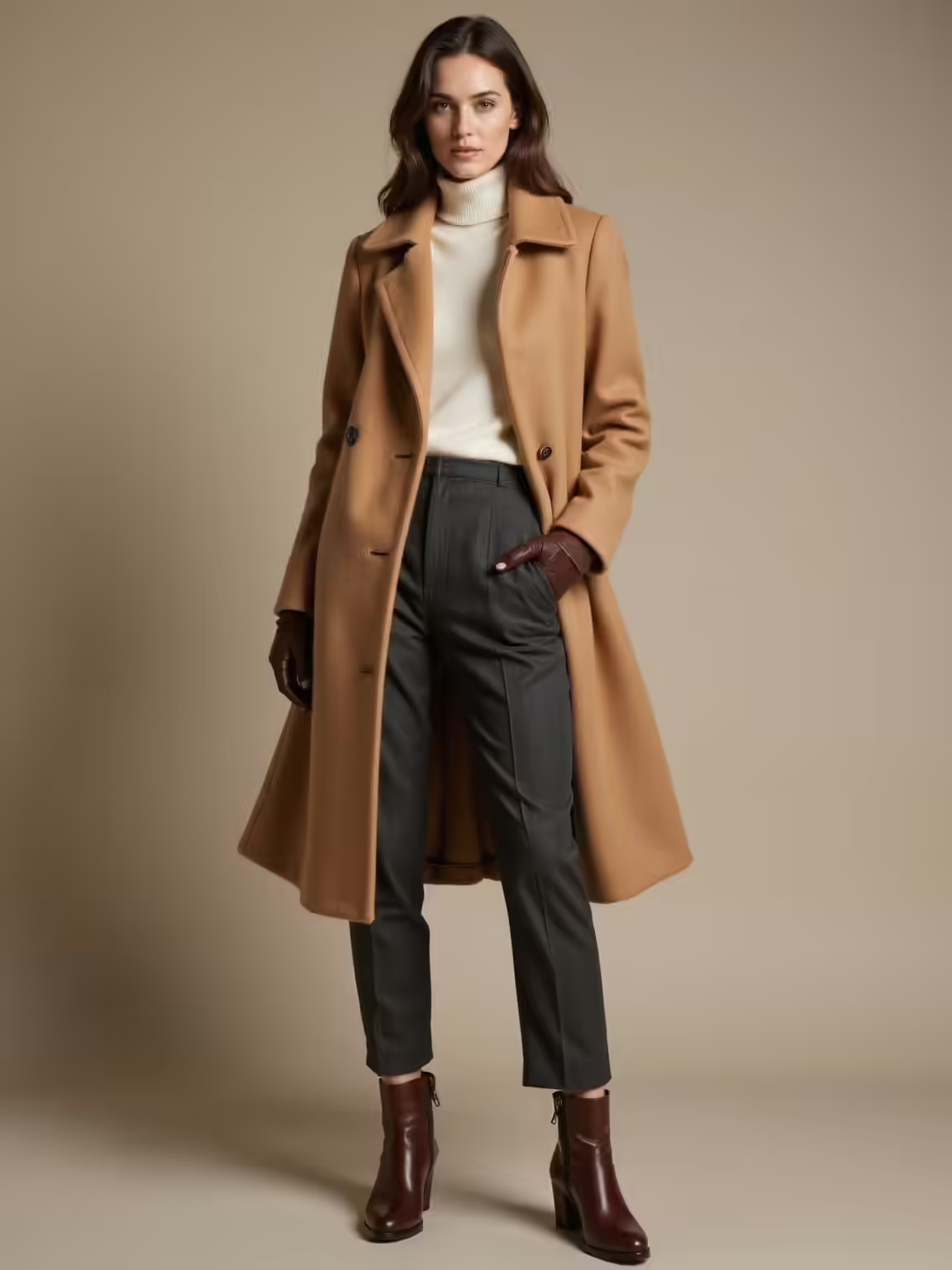
I design cold-weather outfits that actually keep you warm and look intentional: I start with a snug merino base, add a slim insulating midlayer (fleece, down, or synthetic), and finish with a weatherproof shell that blocks wind and wet.
I balance proportions—cropped knits under long coats, cinched waists—and seal gaps with hats, scarves, and insulated gloves. I choose waterproof, insulated boots with good traction. Keep going and I’ll show exact looks, fabrics, and packing tips.
Freeze-Proof Outfit Formula: Layers That Actually Warm
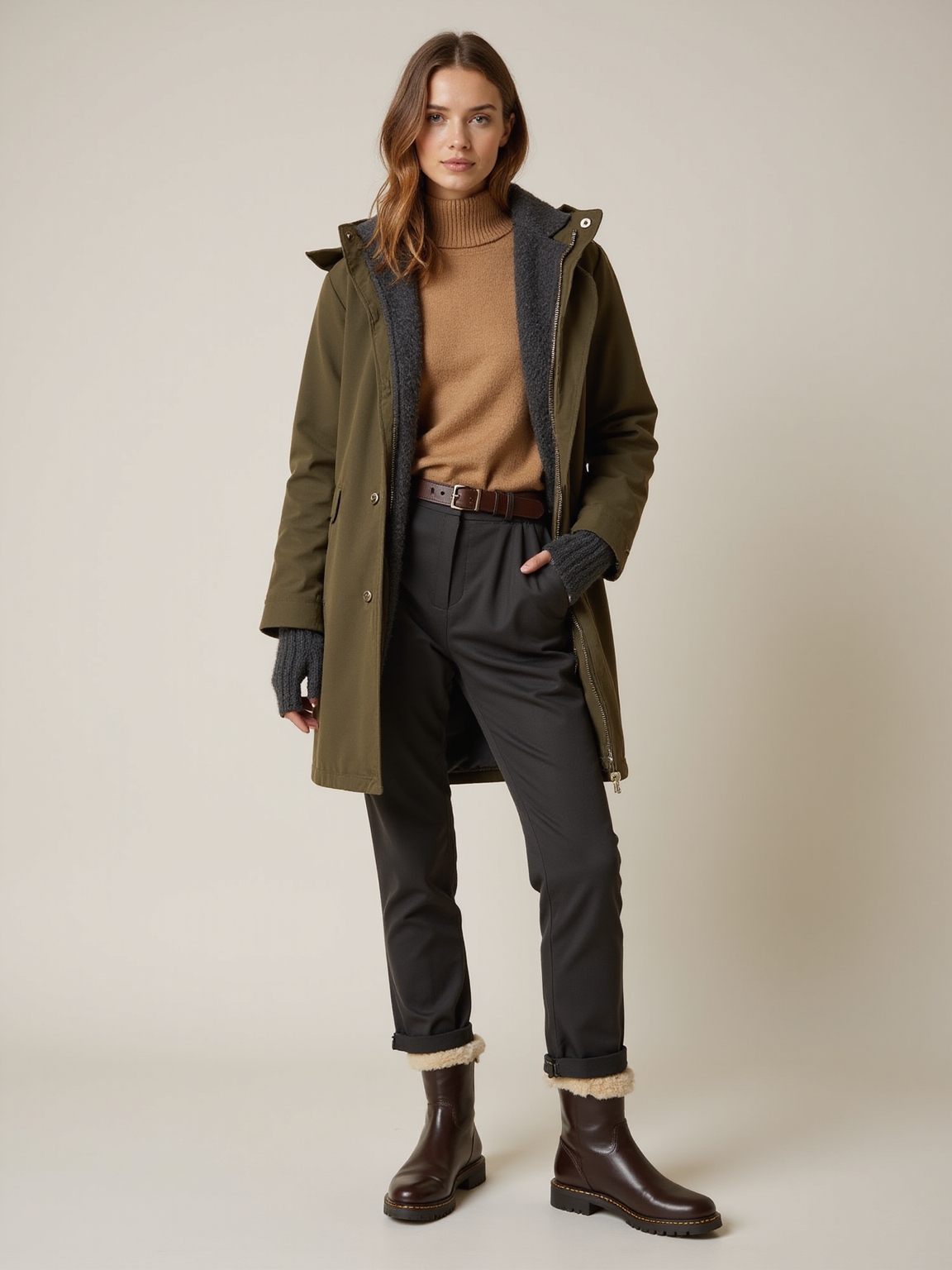
I start with a simple rule: three intentional layers — base, insulating, and shell — that work together so you actually stay warm instead of just looking bundled.
I pick moisture-wicking bases, a midweight wool or down insulating piece, and a weatherproof shell. Add snug cuffs, a scarf, and insulated boots.
Choose colors and textures that feel seasonal and quietly refined. For a polished, timeless feel, aim for old money inspired silhouettes and muted tones that read quietly luxurious.
How Layering Works in Sub-Zero Temperatures
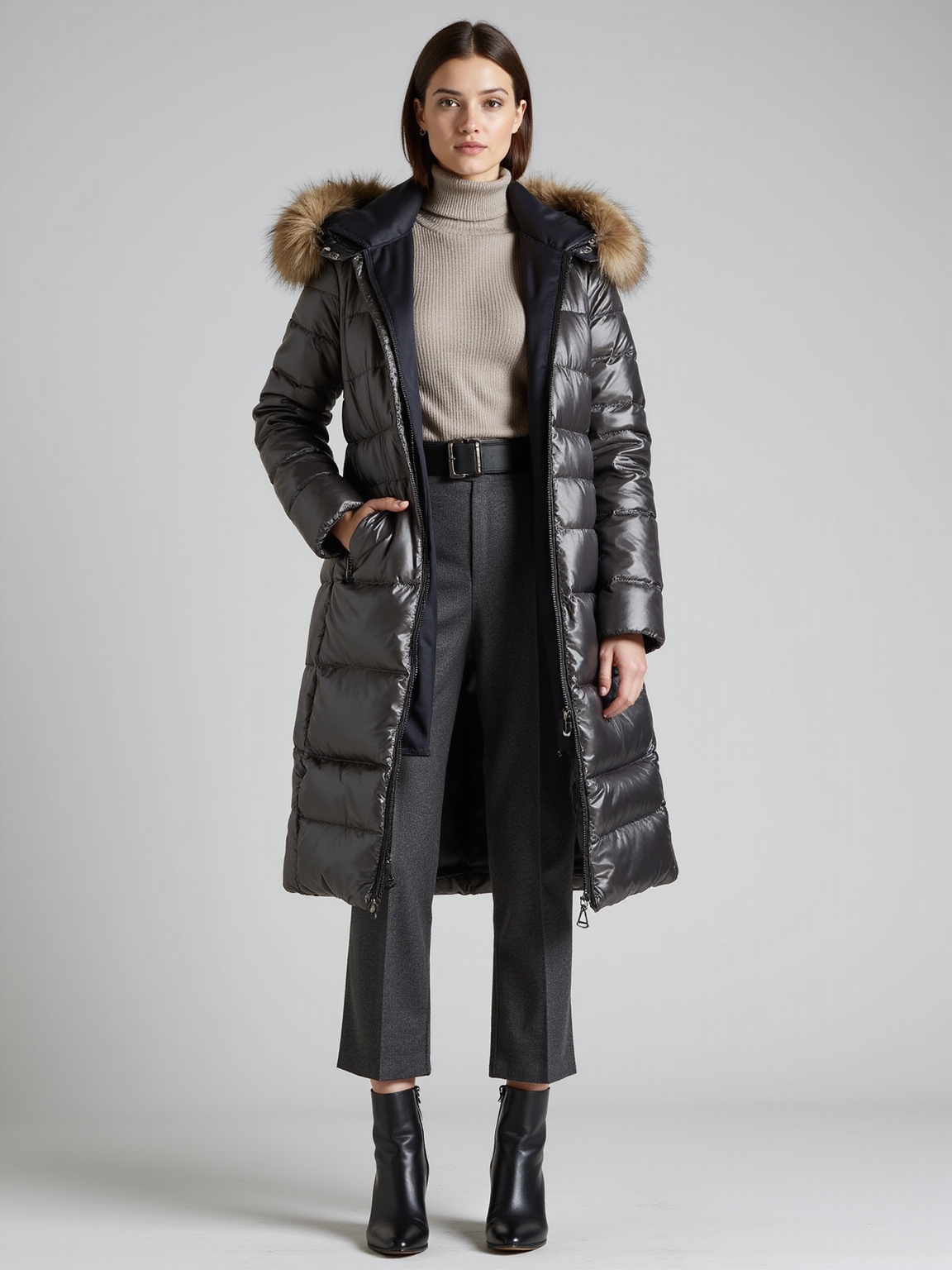
When temperatures dip below zero, I tighten the logic of my three-layer rule: each layer has a clear job—move moisture, trap air, or block wind and wet—so nothing overlaps uselessly.
I check fit, ventilation, and seam placement, favoring mobility and thermal continuity.
Small adjustments—cuffs, collars, zips—let me shed heat or lock it in, keeping winters crisp yet comfortably controlled.
I also balance function with style, borrowing elements from the Baddie Winter Outfits aesthetic to keep looks confident as well as practical.
Insulation Materials: Down, Synthetic, Wool, and When to Pick Them
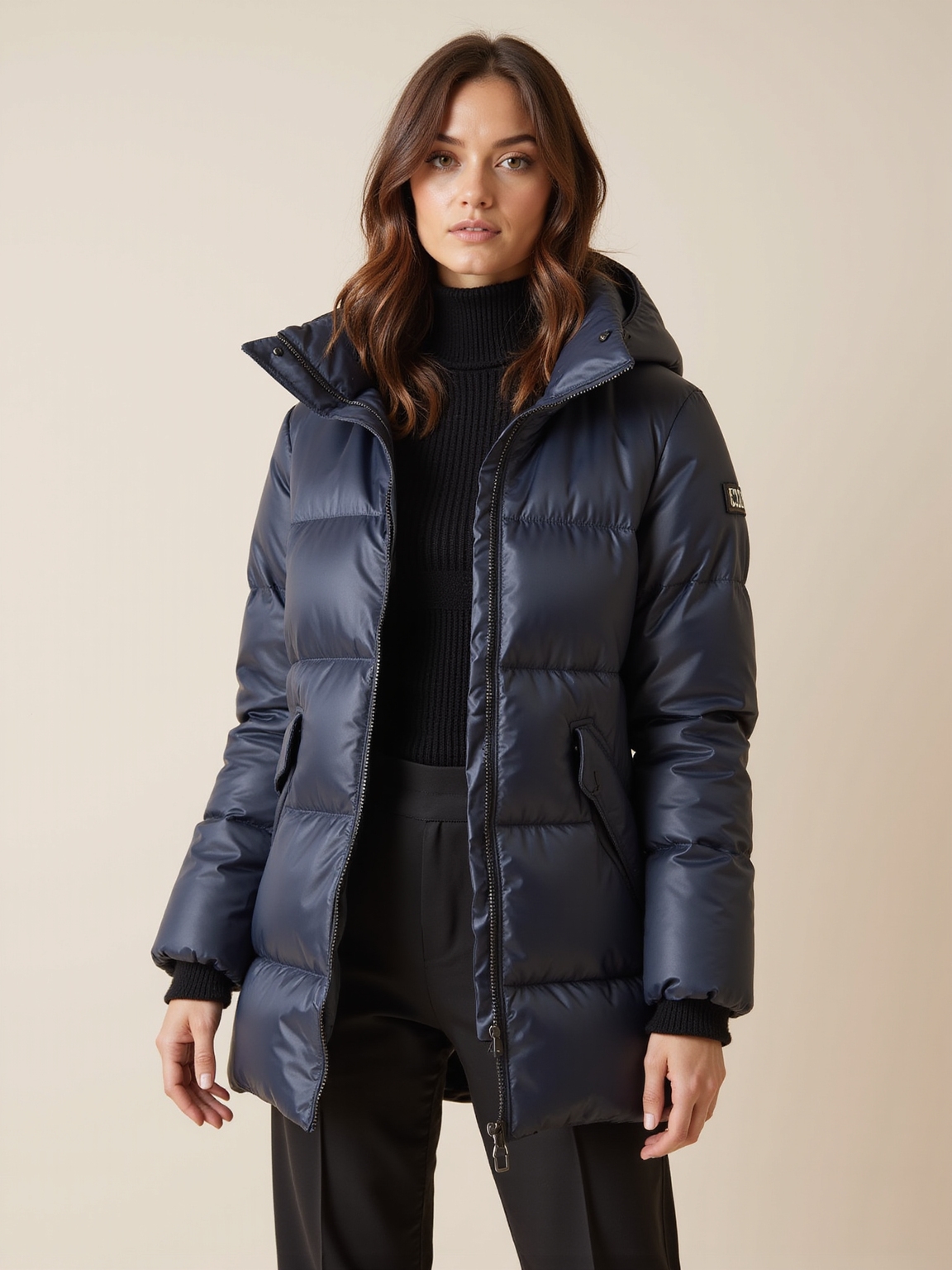
Although each insulating material does the same basic job—keeping heat close to your body—I pick down, synthetic, or wool based on the activity, weather, and how much care I’m willing to give the garment.
For dry, extreme cold I favor down for warmth-to-weight; for wet or active days I choose synthetic for resilience; for chilly, low-intensity outings I rely on wool’s odor resistance and comfort.
I often pair these choices with classic, muted pieces from the old money wardrobe to keep the overall look timeless and refined.
Thermal Baselayers: Fit, Fabrics, and Breathability
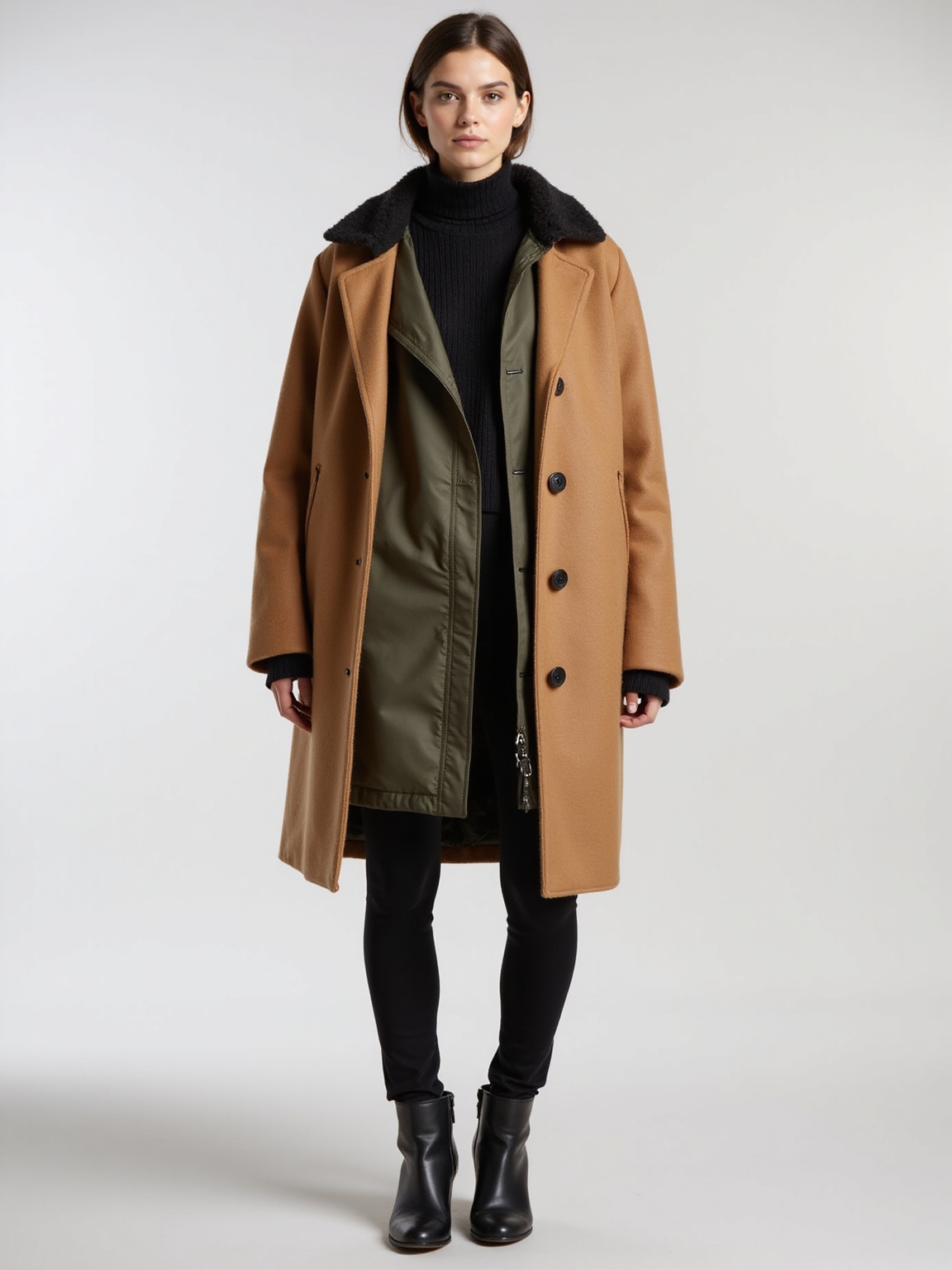
When I dress for biting weather I start with close-fitting baselayers that trap warmth without bulk.
I lean on merino for its natural odor control and comfort, and synthetics for quicker drying and rugged use.
Pay attention to moisture-wicking performance — that balance of fit and fabric keeps you warm and comfortable all day.
Layering with a lightweight insulated shell adds warmth without sacrificing mobility and pairs well with simple winter pieces.
Close Fitting Layers
I start with a close-fitting baselayer because it’s the foundation that keeps you warm without bulk.
I choose snug cuts that trap heat and move with me, favoring smooth seams and strategic panels for warmth where I need it.
Breathable fabrics wick moisture so I stay dry during winter activity.
Fit matters most—too loose loses efficiency; too tight restricts movement.
Layering builds warmth efficiently when you mix textures and weights, so I often combine different pieces for a casual, adaptable look and effortless layering.
Merino And Synthetics
Because different winters demand different tools, I pick merino for its natural warmth and odor control and synthetics when I need faster drying and greater durability.
I choose slim fits that trap heat close without restricting movement. Breathability matters—fine knits for calm days, slightly lofted weaves for bitter winds.
I layer thoughtfully, balancing comfort, practicality, and a clean seasonal silhouette.
I also recommend keeping a selection of cute casual pieces that mix texture and function for effortless outfits.
Moisture Wicking Performance
Often I reach for a baselayer not just for warmth but for its ability to move moisture away from my skin so I stay dry and thermally efficient.
I choose snug, breathable fabrics—merino for natural odor control, synthetic blends for rapid wicking—so sweat evaporates before chill sets in.
Fit matters: close to the body without restricting movement keeps airflow consistent and comfort intact.
For outdoor winter sports I prefer designs inspired by winter-ready ice skating outfits that keep their shape while retaining insulation.
Midlayers That Add Warmth and Shape
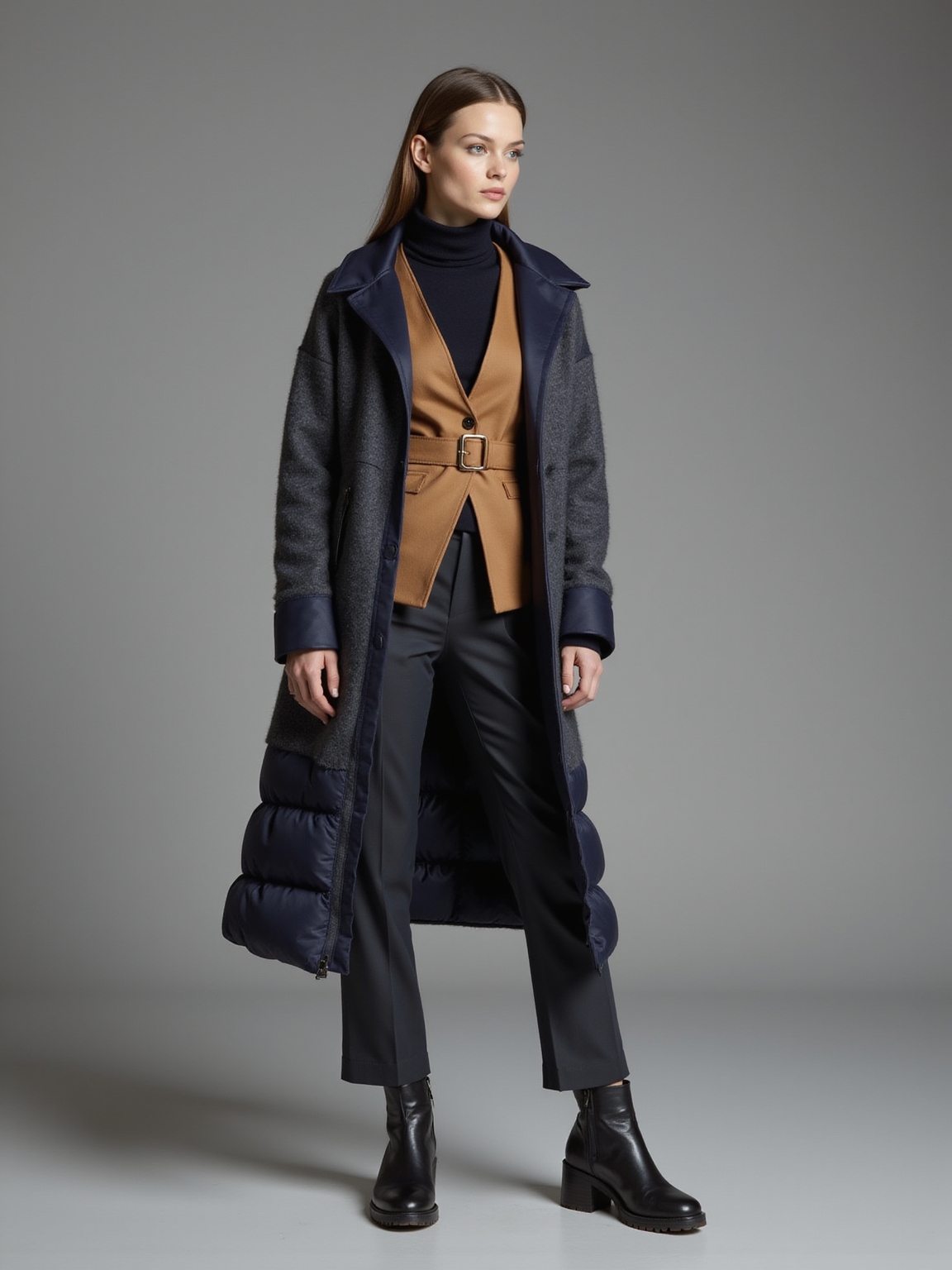
Now that we’ve covered baselayers, I’ll talk about midlayers that lock in heat without looking bulky.
I like pairing an insulating piece—like a lightweight down or synthetic jacket—with a fitted fleece to add shape and cozy warmth.
Together they give you structure under a coat and the flexibility to adapt as temperatures change.
Business casual winter looks often use insulating pieces layered with tailored items to stay warm and professional.
Insulating Layer Choices
I reach for midlayers that do double duty—trapping heat while keeping my silhouette clean—because they’re the secret to weatherproof, stylish winter outfits.
I pick pieces that layer slimly, sculpt subtly, and resist damp cold.
- Quilted vest cinched at the waist.
- Thin down jacket under a wool coat.
- Merino cardigan with structured shoulders.
- Sleek insulated blazer for city walks.
Shaping With Fleece
I reach for fleece when I want a midlayer that both warms and sculpts—its soft pile traps heat while the right cut defines the waist and smooths layers beneath.
I choose fitted zip-necks or cropped boxes to preserve silhouette under coats, favoring muted tones for a winter palette.
Lightweight but insulating, fleece balances function and form so outfits stay streamlined without sacrificing cozy warmth.
Insulated Outerwear for Sub-Zero Weather
When temperatures plunge below zero, I reach for insulated outerwear that balances serious warmth with breathable performance so I can stay outdoors longer without overheating.
I choose pieces that move and protect:
- Down parka with a hood rimmed in faux fur.
- Quilted bomber with windproof shell.
- Long puffer with adjustable hem.
- Parka layered over lightweight merino midlayers for dry warmth.
Balancing Proportions for a Sleeker Winter Silhouette
A few thoughtful tweaks can make heavy winter layers look intentionally sleek rather than bulky, and I focus on balancing proportions to keep my silhouette streamlined.
I pair cropped, fitted knits with longer coats, cinch waists with belts, and choose tapered trousers to avoid boxy shapes.
Strategic layering—thin base, structured midlayer, roomy outer—keeps warmth without overwhelming form, seasonal and refined.
Footwear That Keeps Feet Warm, Dry, and Stylish
Shifting from pared-down layering to footwear, I make boots and shoes work as deliberately as coats and knits so my feet stay warm, dry, and stylish.
I favor insulated soles, waterproof leather, textured treads, and refined silhouettes that read seasonal and polished.
- Lug-sole leather boots
- Insulated lace-up hikers
- Sleek waterproof Chelsea
- Wool-lined ankle boots
Hats, Gloves, and Scarves That Trap Heat Smartly
Although I lean on insulation and layering for my core, I treat hats, gloves, and scarves as the technical finishes that actually trap heat where it matters most.
I pick snug knit hats with ear coverage, insulated gloves with touchscreen tips, and long scarves you can double-wrap.
They’re intentional pieces—lightweight, compact, and effective—so brisk walks stay comfortable without bulk.
Weatherproof Fabrics That Look Intentional
I lean into weatherproof fabrics that quietly look intentional, because winter outerwear should do its technical job without announcing itself.
I choose matte-coated shells, wool-blend felts, taped-seam parkas, and soft-shells that move with me.
They read refined in snow, shrug off sleet, and feel calm against layers. Practicality becomes subtle design.
- Matte-coated shell
- Wool-blend felt
- Taped-seam parka
- Soft-shell knit
Color Palettes and Outfit Formulas for Cohesive Cold-Weather Looks
When my outer layers do their quiet work, the colors and outfit structures take on the job of cohesion—so I pick palettes that feel intentional in the same way as a taped-seam parka or wool-blend felt.
I favor muted earth tones with one accent color, repeat textures across layers, and rely on simple formulas: neutral base, cozy midlayer, statement coat, and coordinated accessories to feel composed in cold light.
Wet-Snow and Windproofing Tips for Real Conditions
When snow gets slushy and the wind cuts through your layers, I focus on moisture control first—breathable base layers and a waterproof outer shell keep me dry without overheating.
I also check that seams and closures are sealed so gusts and wet flakes can’t creep in, and I pick boots with good traction and drainage to stay steady and dry on changing surfaces.
Tell me where you usually walk and I’ll suggest specific pieces that fit your routine.
Layer For Moisture Control
Although the snow looks pretty, I’ve learned to treat wet, wind-driven flakes as the real threat to comfort, so I layer with moisture control as my top priority.
I pick breathable base layers, quick-drying midlayers, and a protective outer; I manage ventilation to shed sweat before it chills.
- Tight merino next-to-skin
- Lightweight fleece mid
- Water-shedding shell
- Vent zips and cuffs
Sealed Seams And Closures
Keeping moisture out means more than the right layers next to your skin; seams and closures are where wet and wind sneak in.
I check taped seams, storm flaps, and waterproof zippers before heading out, preferring welded seams on my shell and adjustable cuffs and drawcords at hems.
Properly sealed closures keep snow and gusts from undoing all your careful layering.
Footwear Traction And Drainage
I always pay close attention to my boots before heading into wet, wind-scoured snow because traction and drainage decide whether a hike stays safe or turns slippery and cold.
I clear snow, test tread grip, and choose gusseted tongues and sealed drains so water doesn’t pool.
- Deep lug soles biting ice
- Self-cleaning treads shedding slush
- Gore‑tex lining with drained exits
- Heel brakes for downhill control
Packing a Cold-Weather Capsule: City vs. Trail
When I pack for winter trips, I separate my city capsule from my trail kit because each demands a different balance of warmth, style, and function.
For urban days I choose sleek insulating layers, versatile coats, and polished boots.
For trails I prioritize breathable waterproof shells, rugged insulation, and traction-ready footwear.
Each kit stays compact, purposeful, and ready for seasonal shifts.
Five Exact Freeze-Proof Looks With Complete Layers
Let’s map out five freeze-proof looks you can actually wear all winter — each one a complete layered outfit that balances insulation, weatherproofing, and style so you don’t overthink mornings. I’ll sketch decisive ensembles you’ll reach for.
- Parka, wool sweater, thermal tee, lined jeans.
- Puffer, fleece hoodie, merino base, cargo pants.
- Trench with insulated lining, knit, leggings.
- Technical shell, down midlayer, wool skirt, tights.
Common Layering Mistakes and Quick Fixes
After sketching five ready-to-wear winter outfits, I want to flag the common layering mistakes that quietly ruin warmth and comfort — and how to fix them fast.
I often see bulky outerwear over thin base layers, trapped moisture from cotton, and awkward necklines. Swap cotton for merino, size layers for mobility, add a breathable midlayer, and seal gaps with scarves, hats, and insulated gloves.
I’ve walked you through a foolproof formula for freeze-proof fashion, and now I’ll leave you with one final, brisk bit of advice: bundle boldly, balance breathability, and banish bulk with smart, slim layers that actually shelter.
Mix moisture-managing basics with warm, windproof outerwear, and match materials to weather. Keep a compact kit for city commutes and a rugged roll for trail treks. Stay snug, stay stylish, and savor sharp, seasonal serenity.