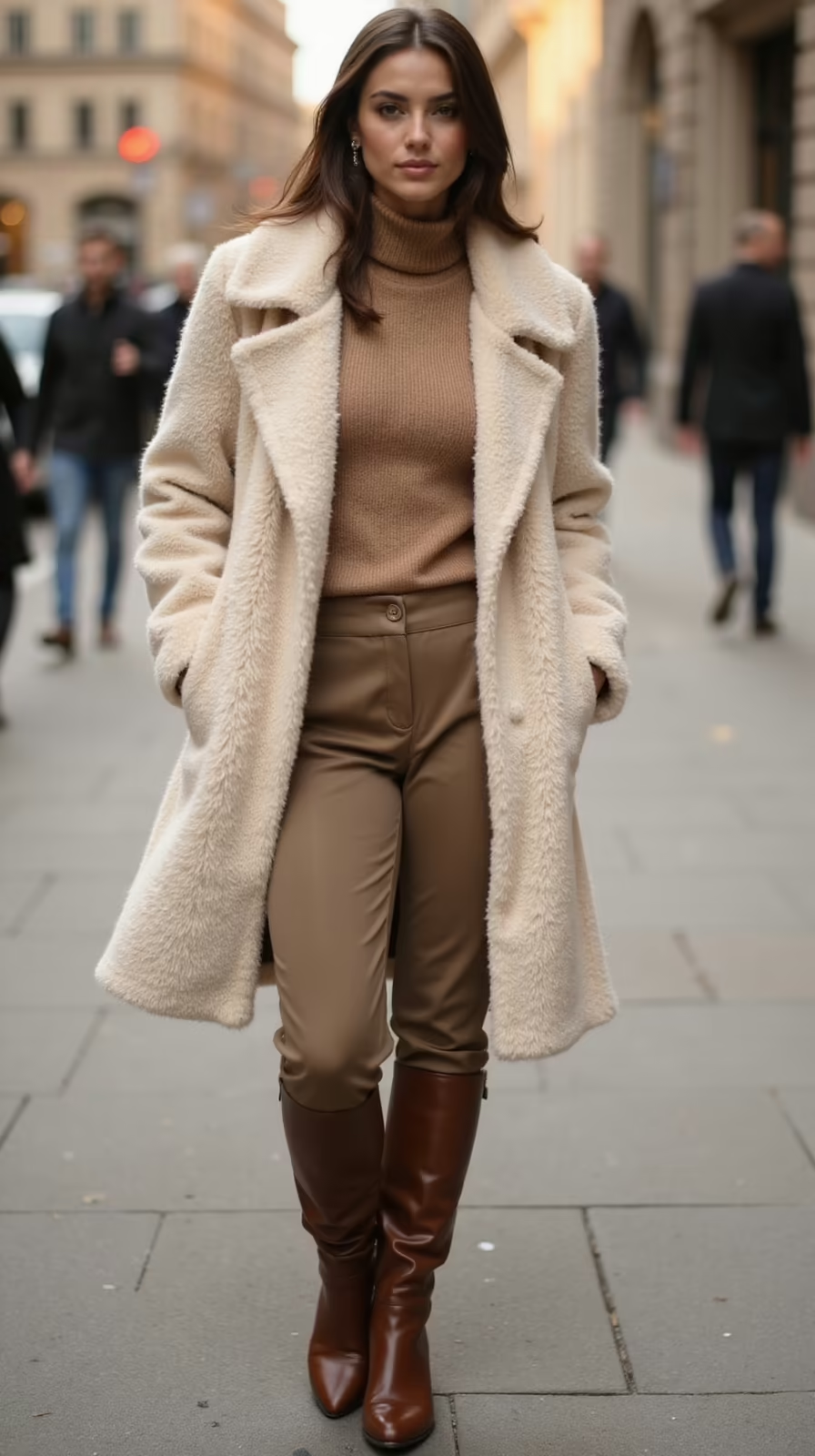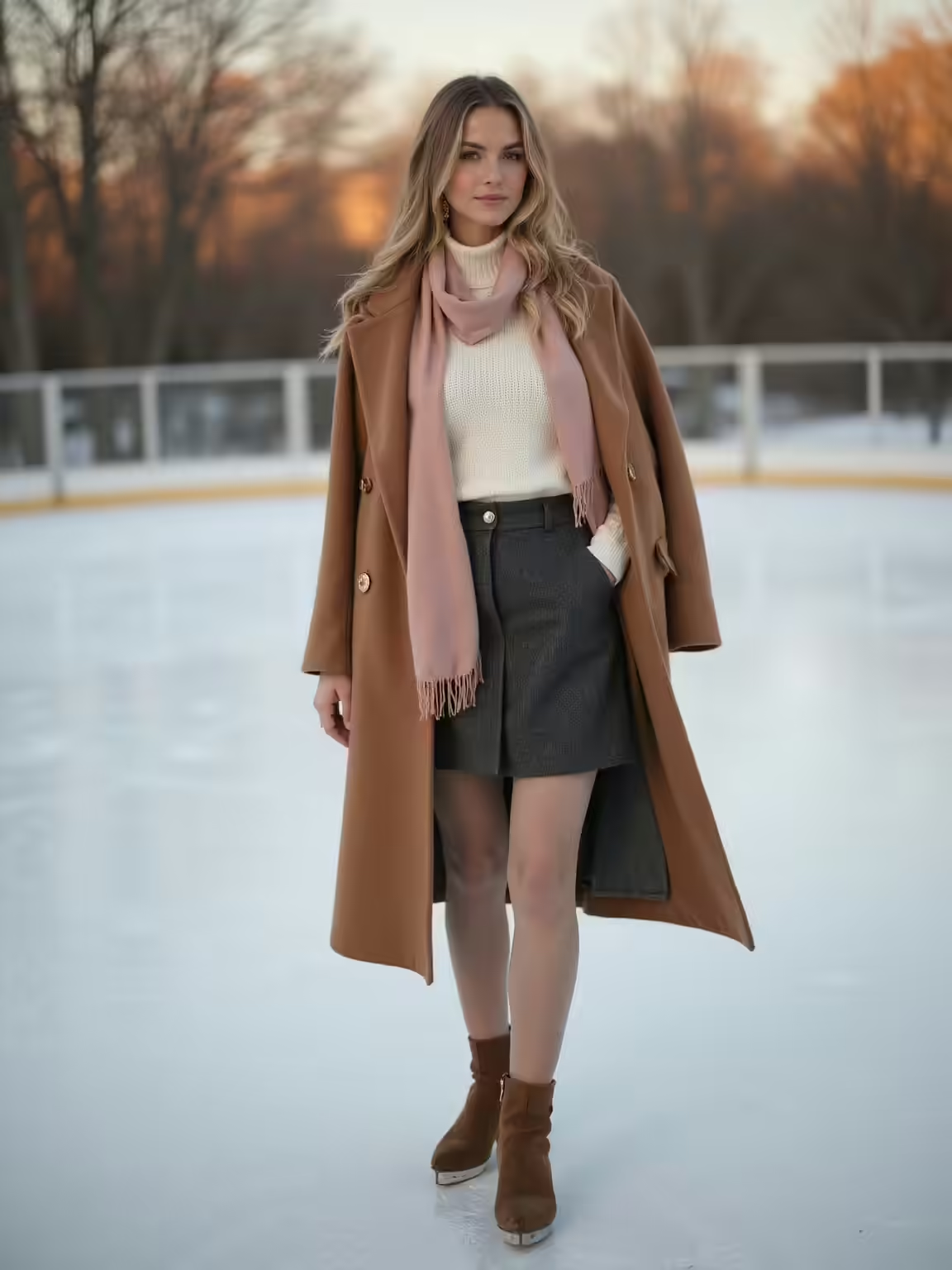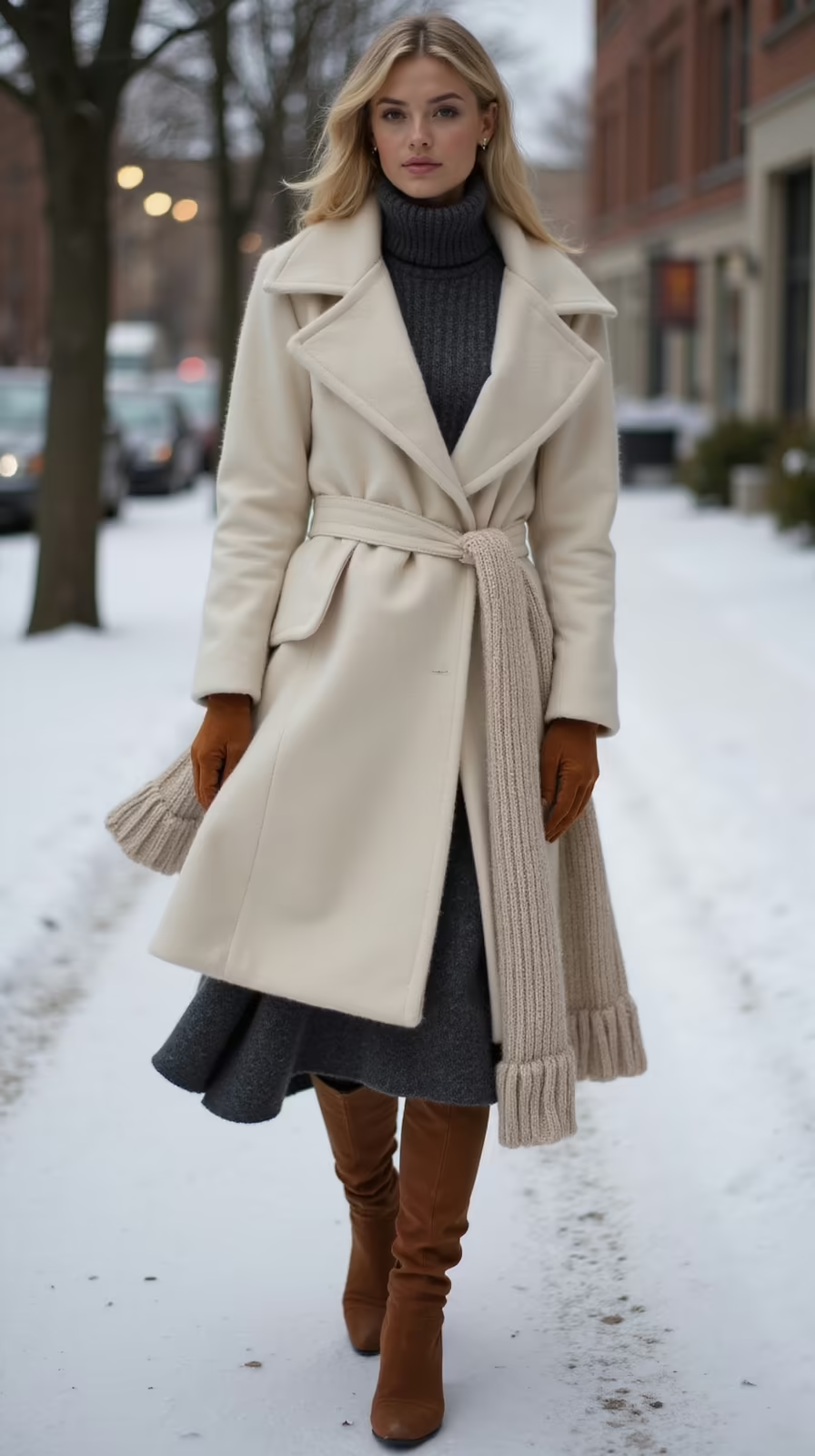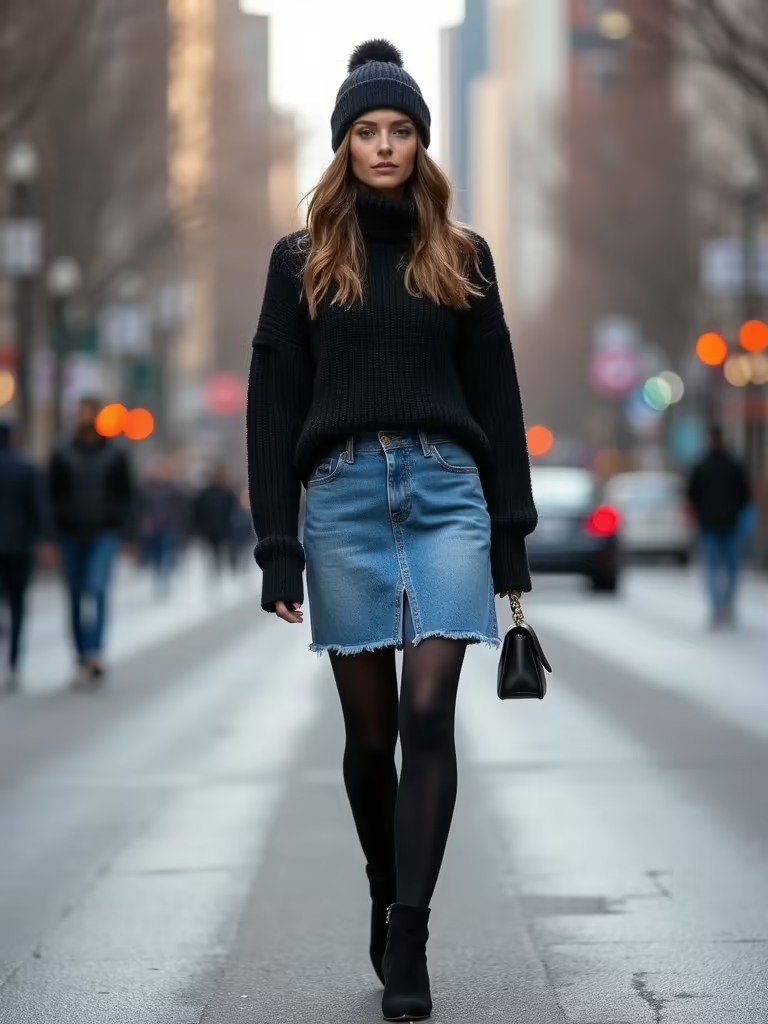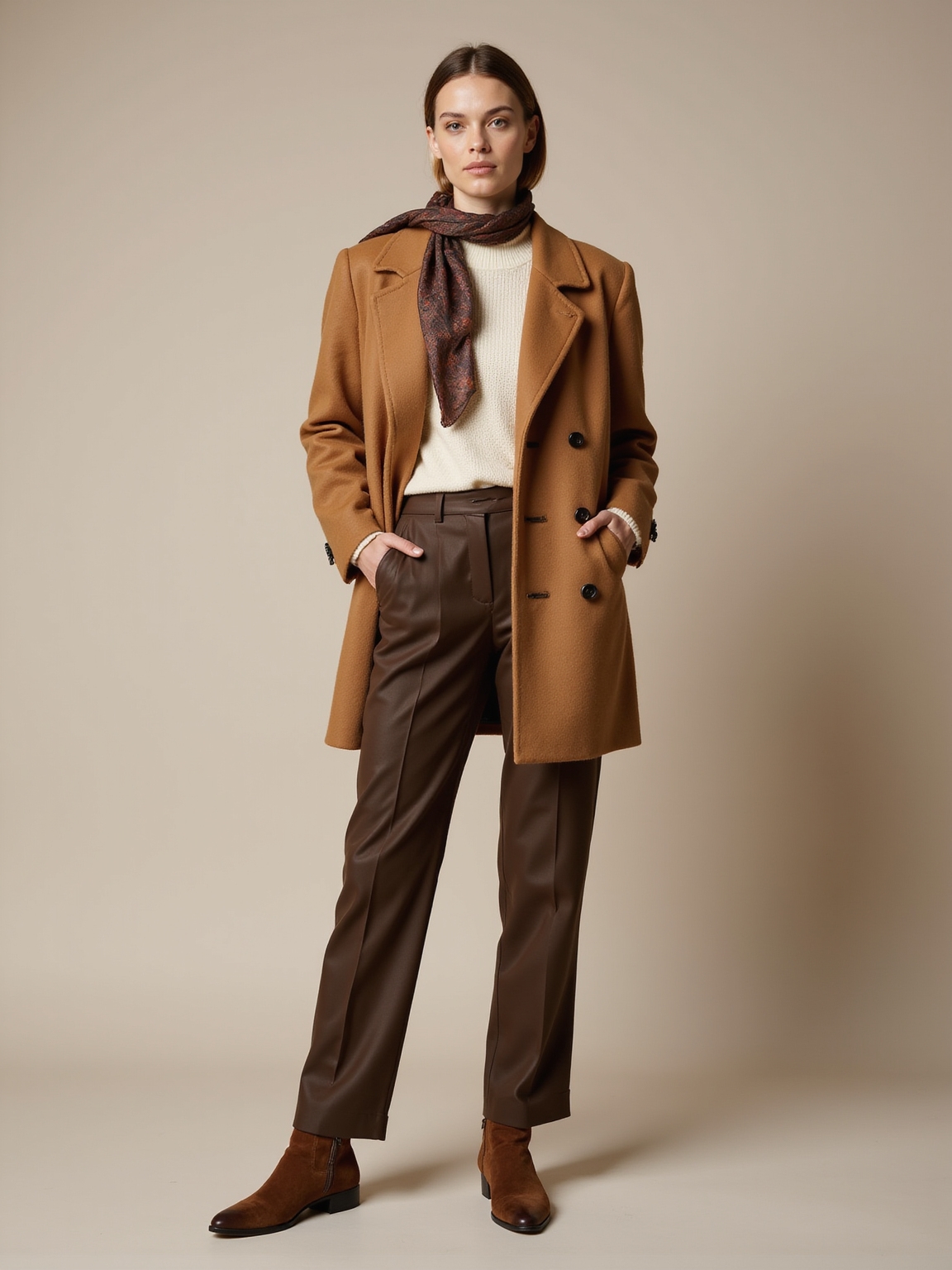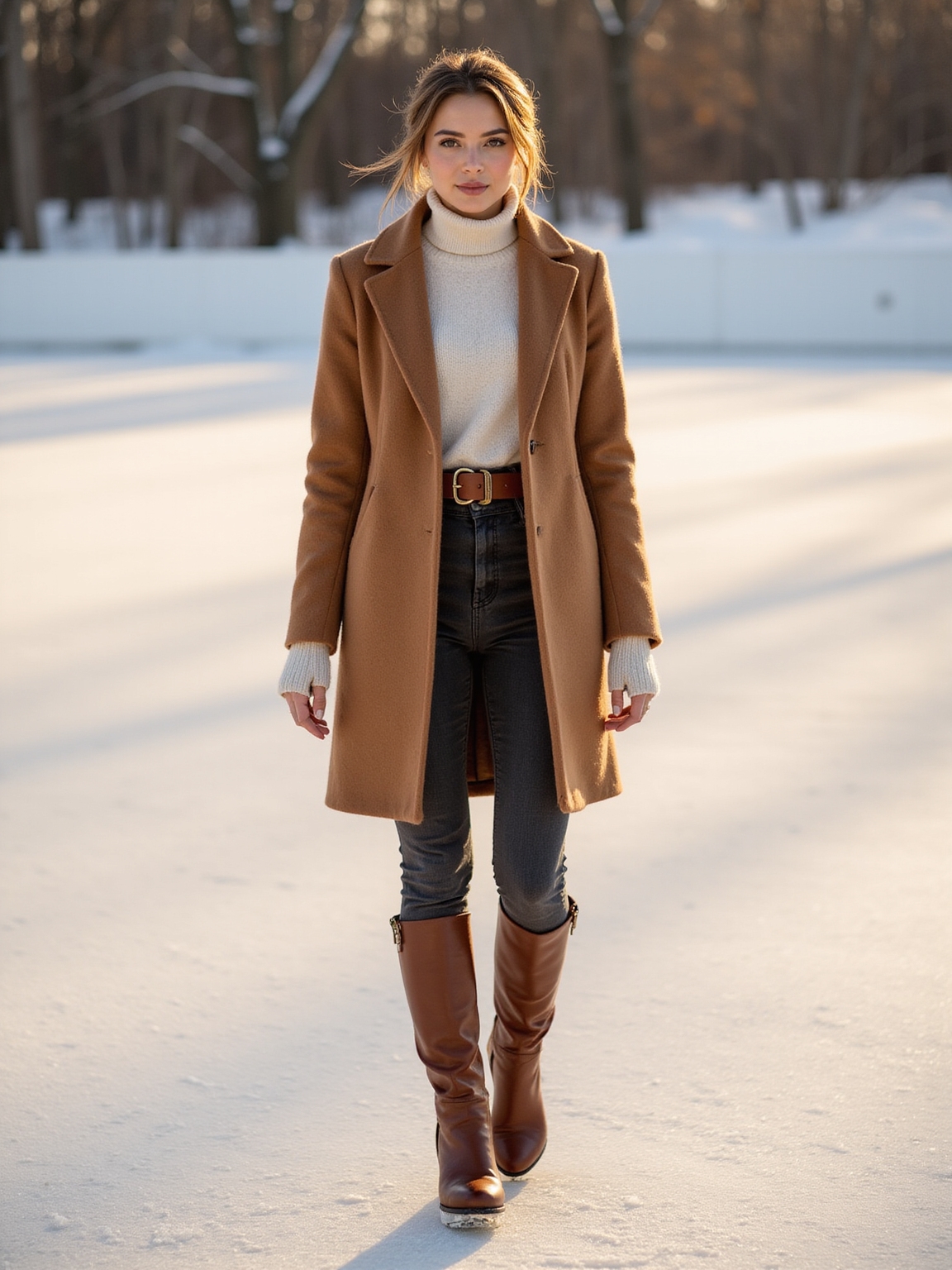

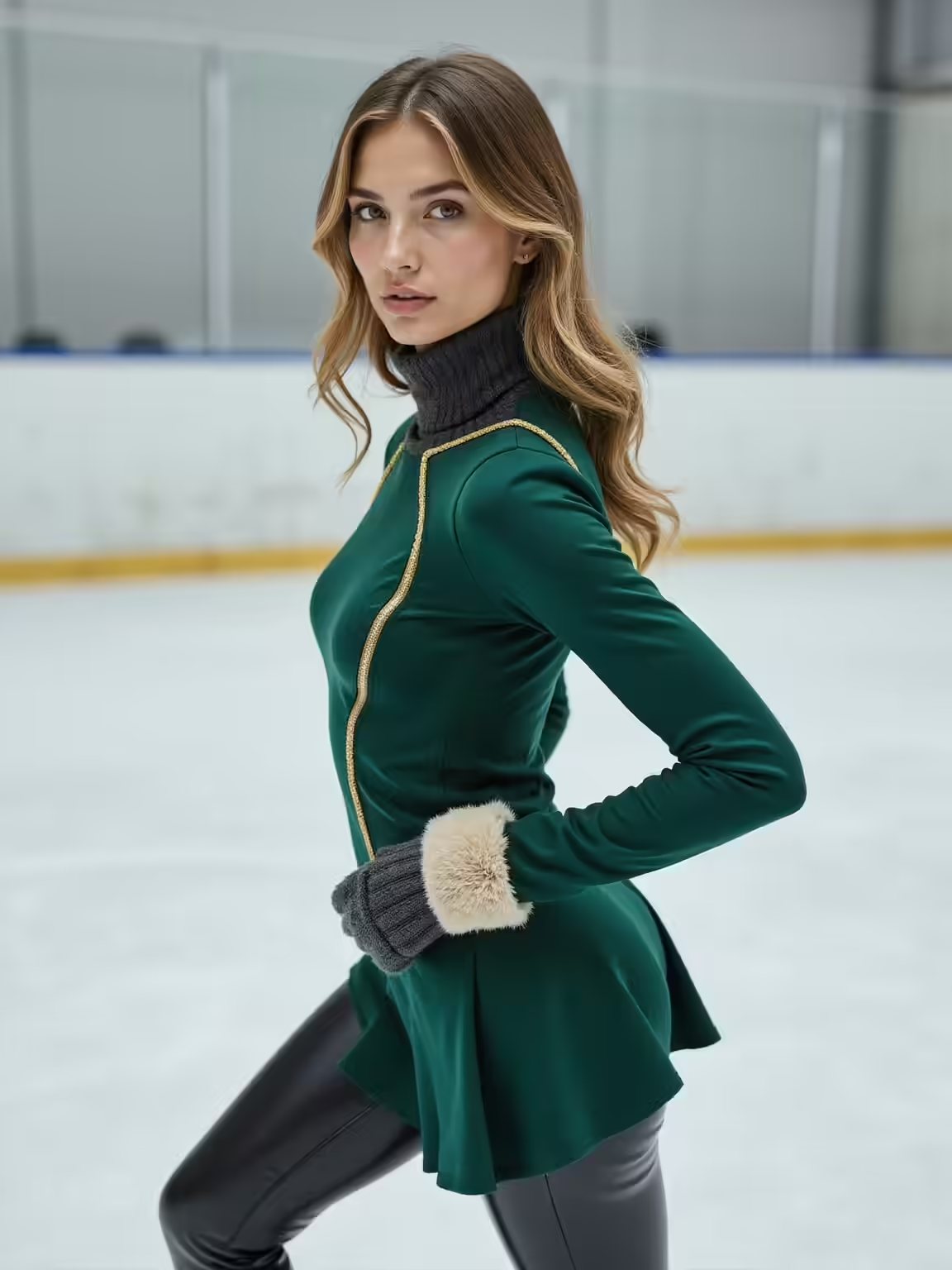
I balance warmth and crisp lines by starting with a sleek, moisture-wicking base, then a slim high-loft midlayer and a close-cut windproof shell so nothing bulks or sags.
I choose merino or polyester–elastane blends for stretch, memory and quick dry, add targeted insulation at the core and reinforced panels at stress points, and use low-profile accessories for heat without shape loss. Want outfit formulas, fabrics and care tips to perfect the look?
Quick: 3 Steps to Balance Warmth and Shape for Your Skating Outfit
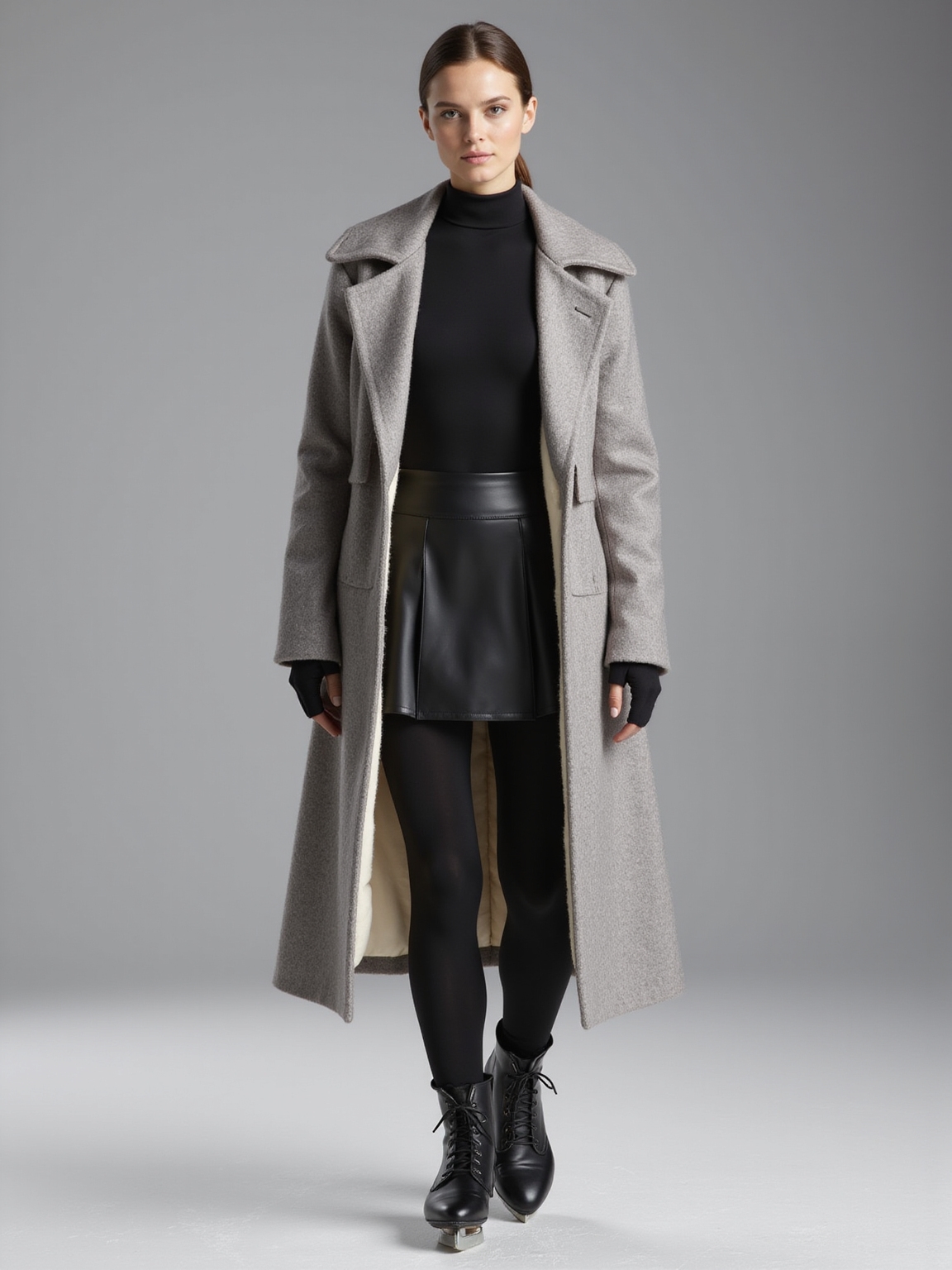
When I’m putting together a skating outfit, I focus on three simple moves that keep me warm without turning my silhouette into a puffy sleeping bag: layer with purpose, choose structured fabrics, and finish with smart insulation where it matters.
I pick slim mid-layers, tailored outer shells, and targeted warmth at collar, cuffs, and core.
The result’s polished, mobile, and utterly rink-ready.
For bitter cold days, I also prioritize cozy ice skating outfit choices that balance insulation and shape.
Base Layers That Wick Sweat and Stay Smooth
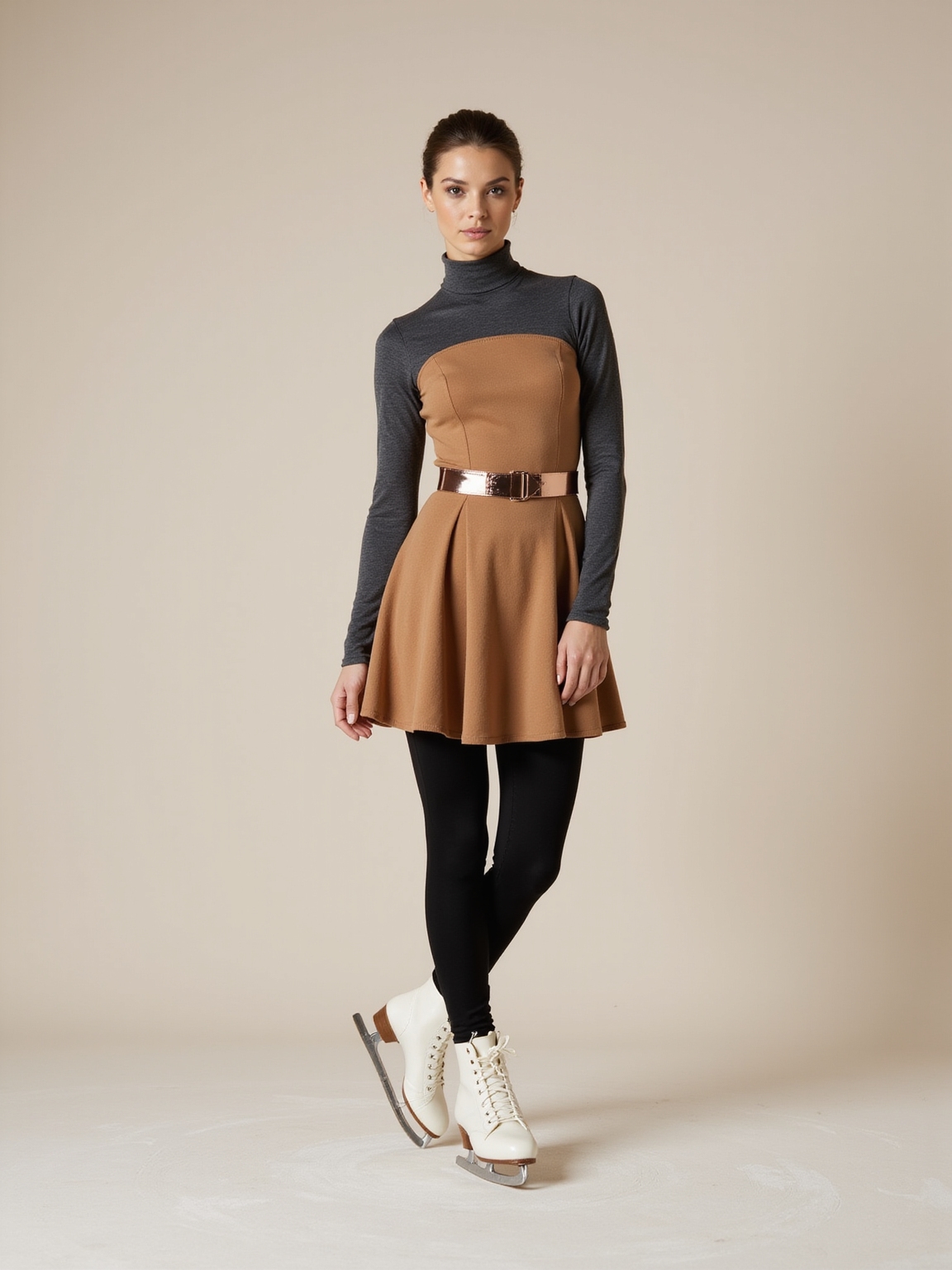
Layering with purpose gets you the silhouette, but it’s the base that keeps you comfortable while you skate—so I start with pieces that move moisture away and stay sleek under my tailoring.
I pick thin, close-fitting layers that prevent cling and chill while letting me skate freely.
- Slim moisture-wicking top
- Smooth, flat-seam leggings
- Lightweight, breathable undershirt
I also favor pieces designed for comfort and motion so I can move freely without bulk.
Which Base-Layer Fabrics Work Best for Skating Outfits?
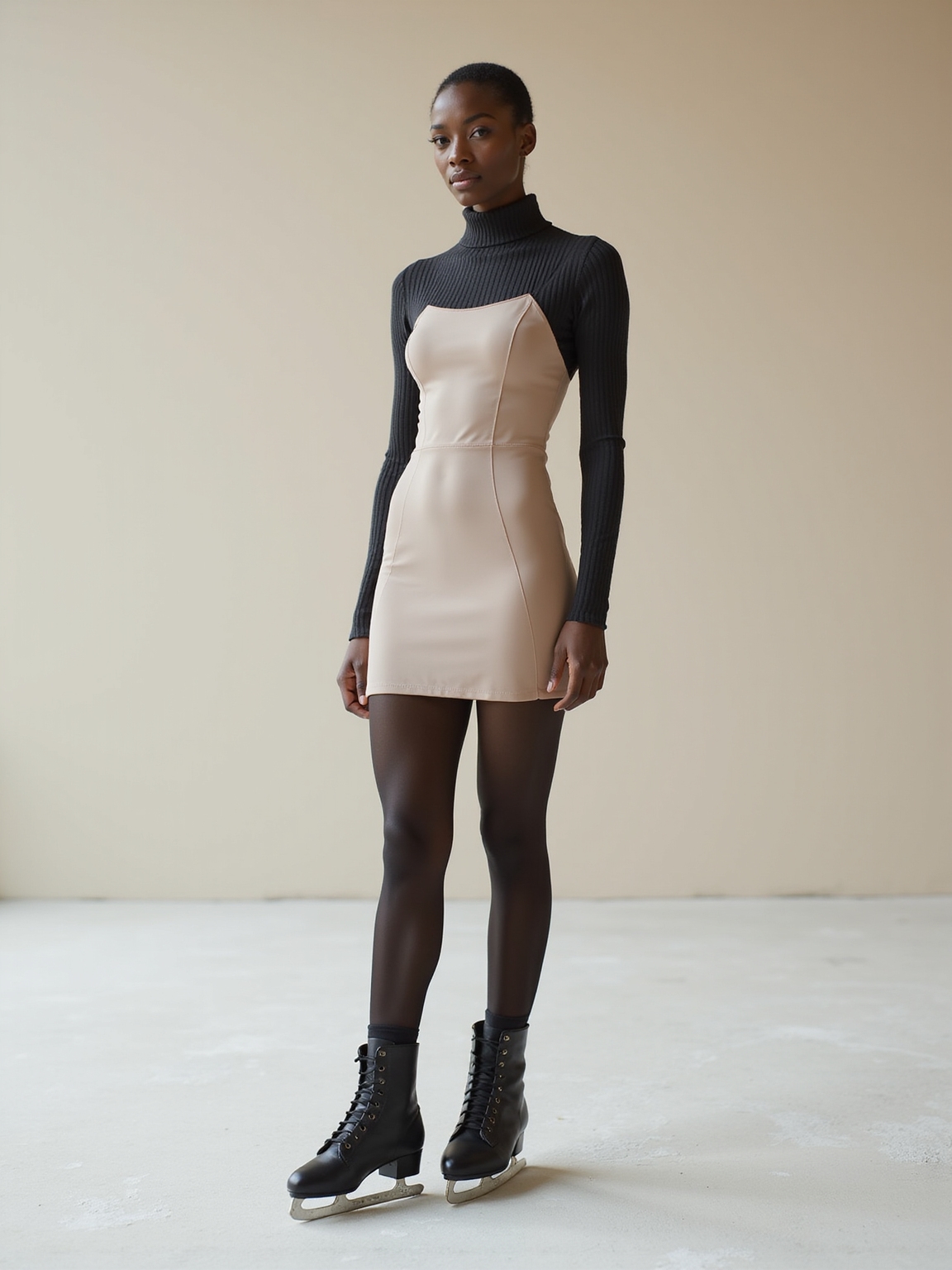
I’ll walk you through the fabrics that actually earn their place under a skating dress—those that wick sweat fast, trap heat where you need it, and still stretch without sagging.
Think performance synthetics and merino blends that balance moisture‑management, thermal efficiency, and shape retention.
Consider also layering with thermal base layers for extra warmth without bulk.
Moisture‑Wicking Performance
I usually start with the base layer because it does the heavy lifting—literally—by wicking sweat away from skin so you stay warm without feeling clammy.
- Merino: breathes, resists odor, feels luxe against skin.
- Synthetic blends: fast-drying, durable, move with you.
- Silk or lightweight modal: smooth, temperature-adaptive, ideal under fitted costumes.
Cozy casual ice skating outfits favor layers and versatile pieces to stay comfortable on relaxed winter days, so I often prioritize a base layer that pairs well with layering pieces.
Thermal Insulation Efficiency
Because cold isn’t just about temperature but about how your body and fabric negotiate heat, I pick base layers that trap warmth without bulk so I can move freely and still feel cozy.
I favor merino and technical synthetic blends—merino for breathable warmth, polyester or nylon mixes for quick-dry insulation.
Thin, high-loft knits win for skating: sleek, insulating, and seasonally smart.
I also layer thoughtfully to maintain thermal balance while keeping a streamlined silhouette.
Stretch And Shape Retention
Think of base layers as the silent choreographers of your skating: they need to stretch with every arabesque and snap back without sagging or puckering.
I favor blends that pair elasticity with memory—lightweight merino with spandex, polyester–elastane mixes, or nylon blends that resist bagging. Consider:
- Merino + spandex — breathable, resilient
- Polyester–elastane — quick-dry, shape-holding
- Nylon blends — durable, smooth-fitting
For chilly outdoor sessions, pair these base layers with insulated outer pieces designed for figure skating to maintain both warmth and elegance; see Elegant Ice Skating Dresses for styling ideas.
Layering Order and Fit for Free Movement
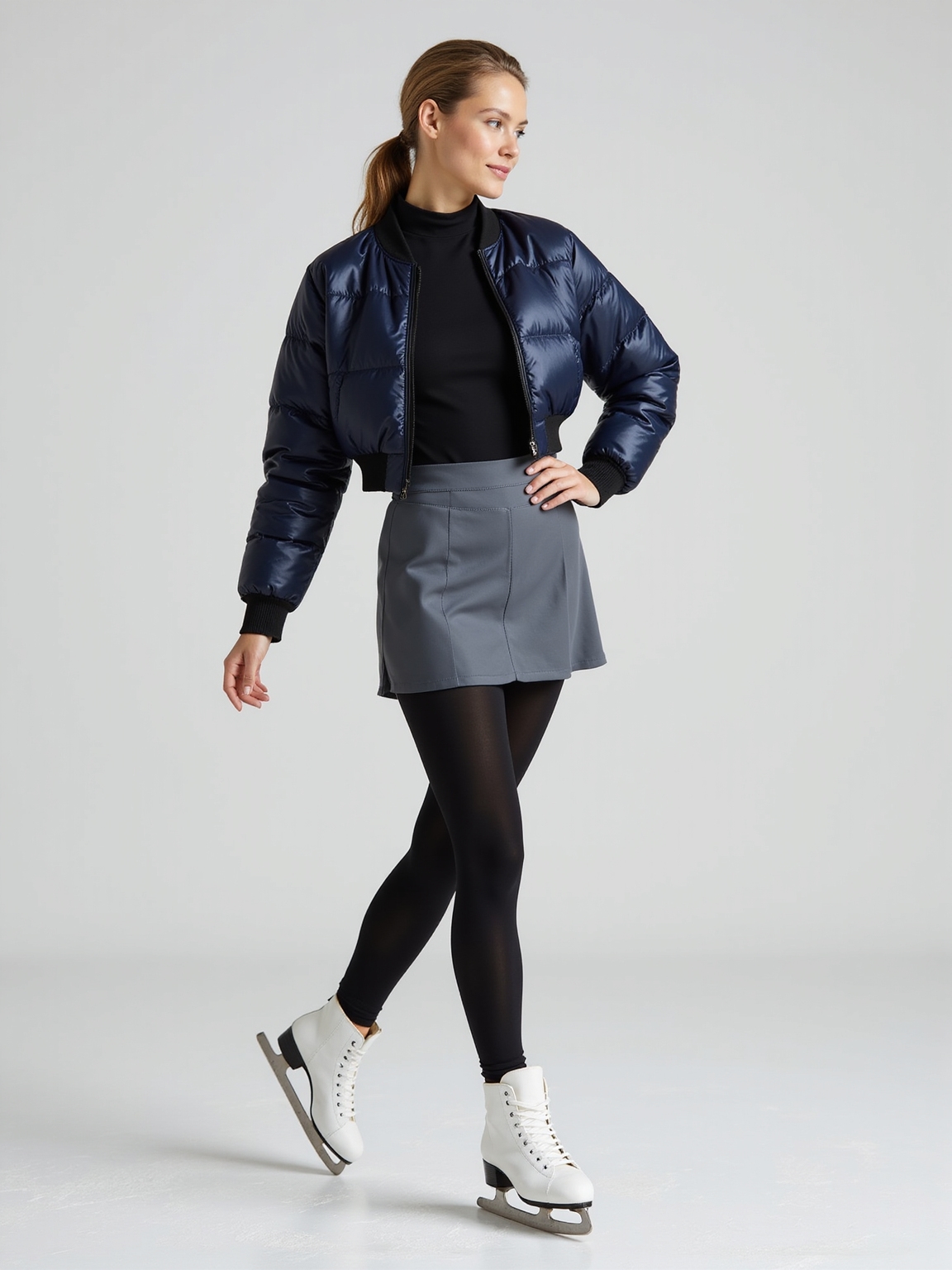
I start with a stretchy, warm base layer that moves with every blade stroke.
Then I add a nimble mid layer for insulation that still lets my limbs articulate, finishing with a slim, windproof outer shell that locks in heat without ballooning.
That order — stretch, insulated mobility, and a close-cut shield — keeps me warm and graceful on the ice.
Classy outfits emphasize polished details to look effortless without overdoing it.
Layer Base: Stretch And Warmth
I’ll start with the layer closest to your skin: the base needs to stretch with you and trap warmth without bulk.
I pick fitted, breathable fabrics—think silk blends or performance merino—that glide, wick, and let edges sit clean under leggings or tights.
- Stretch: four-way for full range.
- Warmth: thin thermal, not puffy.
- Fit: snug, flat seams, no bunching.
Effortless Casual Ice Skating Outfit Inspiration shows how simple pieces can be mixed for functional, stylish layers with minimal effort, making it easy to build looks that perform on the ice and off casual layering.
Mid Layers: Insulation With Mobility
Because you need insulation that moves when you move, I pick mid layers that trap heat without stealing mobility: slim-profile fleece, lightweight down or synthetic quilts with articulated seams, and stretch-knit sweaters that sit close to the body.
I favor pieces that compress for graceful lines, wick sweat, and layer thinly under pants or skirts—warmth that follows your edges, not drags them down.
Outer Layer: Windproof, Slim Cut
When the wind picks up at the rink, I reach for an outer layer that blocks the gusts without bulking my lines, so my motion stays crisp and my silhouette clean.
I prefer sleek, articulated cuts that breathe and shed wind.
- Slim, stretchy shell
- Tapered hem and articulated sleeves
- Minimal seams, strategic vents
Mid-Layers That Insulate Without Bulk
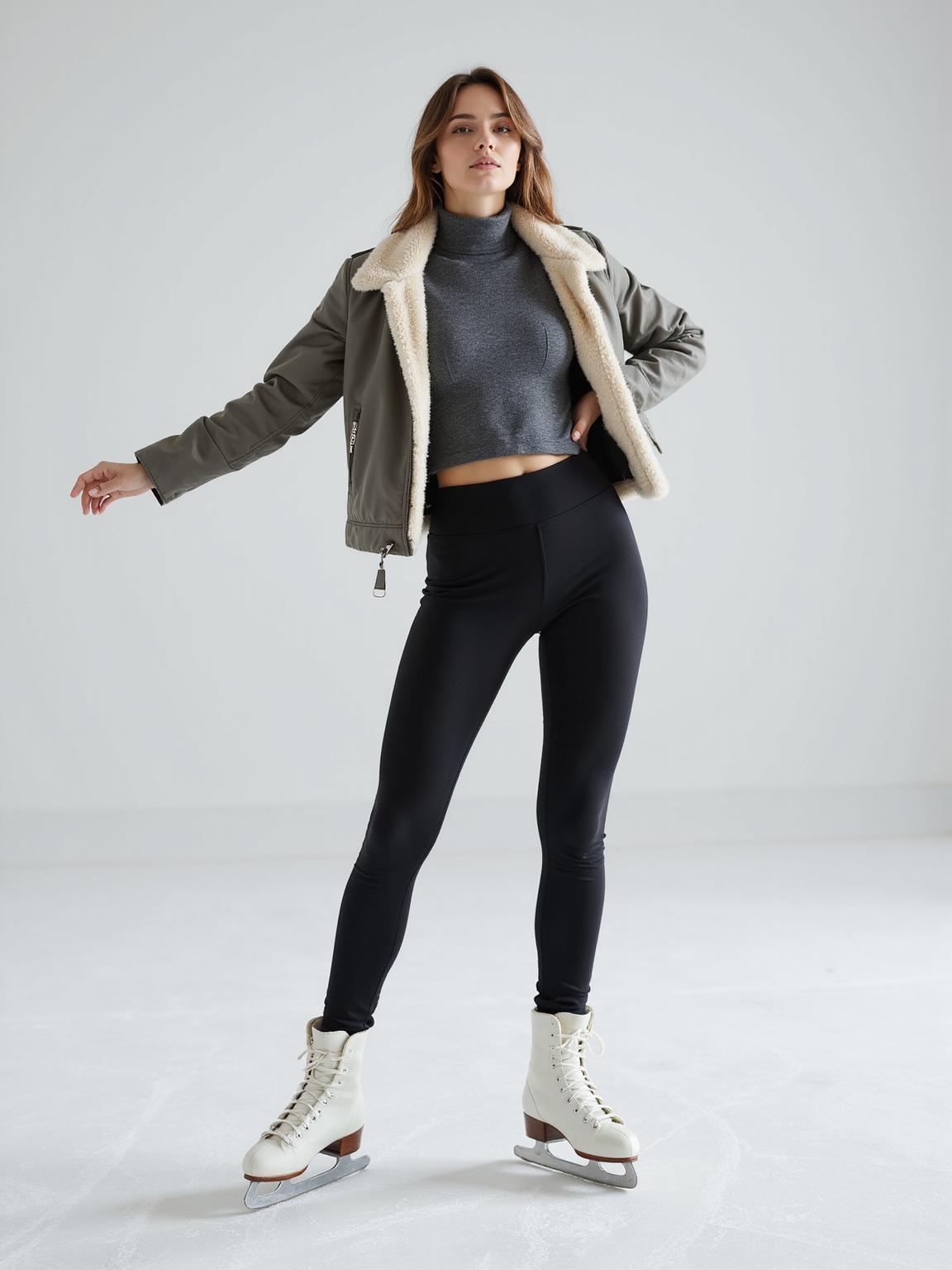
If you want to stay nimble on the ice without feeling like you’re wearing a sleeping bag, I rely on mid-layers that trap heat without adding bulk.
I favor lightweight merino or thin synthetic fleeces cut close to the body, with flat seams and a bit of stretch. They wick moisture, layer smoothly under a slim shell, and keep movement effortless while staying warm.
Choosing Outer Layers That Keep Structure on the Ice
Although I love the freedom of slim mid-layers, my outer layer is where performance and polish meet:
I pick jackets and pants with crisp tailoring, semi-rigid panels, and just enough insulation to hold their shape through spins and edge work.
- Structured jacket with articulated seams for movement.
- Tapered pants with reinforced knees and hem.
- Detachable collar or skirt for temperature control.
Stability Fabrics: Fibers and Weaves That Resist Sagging
I’m picky about fabrics because a skate dress should flatter without flopping, so I reach for high-performance synthetics that wick, stretch and snap back into place.
I like structured knits and clever weaves that give silhouette where you need it, and I’ll point out how targeted compression and support panels keep lines clean while still letting you breathe.
Let’s talk specifics so your outfit feels as confident as your jumps.
High-Performance Synthetic Fibers
When I lace up my skates, I want fabric that fights gravity and cold with equal gusto, so I reach for garments made from high-performance synthetic fibers designed to hold shape without weighing me down.
- Polyester blends: springy memory and moisture control.
- Nylon with elastane: sleek rebound and abrasion resistance.
- Thermoplastic elastomers: targeted support, lightweight warmth.
Structured Knit And Weave
After relying on high-performance synthetics to give my outfits snap and warmth, I start looking at how the fabric is built—because fibers only perform as well as their stitch.
I favor structured knits and tight weaves that cradle lines, shrug off sagging, and trap heat without bulk. Think ribbed panels, dobby textures and dense jersey—engineered subtlety that feels sleek, warm and unflappable on ice.
Compression And Support Panels
I zero in on compression and support panels because nothing ruins a clean line on the ice like fabric that sags or shifts; I want pieces that hug where they should and hold shape through jumps and long runs.
I favor targeted Lycra blends, bonded seams, and breathable mesh reinforcements for warmth, contour, and movement.
- Zoned Lycra
- Bonded seams
- Mesh vents
Stretch Fabrics: Keep a Crisp Silhouette While Moving
Feel the fabric hug your lines as you spin: I pick stretch materials that snap back into a crisp silhouette so jumps and spirals don’t leave your outfit looking tired.
I favor four-way stretch blends with light structure—crepe or ponte with Lycra—for warmth without bulk. They contour, resist bagging, and layer smoothly under skirts or tunics, keeping you elegant and comfortably mobile on cold ice.
Slim Insulation Options (Down, Synthetic, Fleece) for Skaters
When I need warmth without clumsiness, I choose slim insulation that tucks close to the body and moves with me—down for unbeatable warmth-to-weight, synthetic for damp-weather confidence, and fleece for breathable, quick-warming layers.
- Down: ultralight loft, packable warmth.
- Synthetic: retains heat wet, dries fast.
- Fleece: flexible midlayer, immediate comfort.
Construction Tweaks That Stop Sagging and Bagging
I’m going to show you how a few clever construction tweaks keep your jacket and pants from sagging mid-session.
With strategic seam placement and reinforced paneling in high-stress zones, insulation stays put where you need it, not in a slumped mess at your hips.
Layered insulation techniques then let’s balance loft and structure so you stay warm without looking like a puffy houseplant.
Strategic Seam Placement
Because seams do more than hold fabric together, I place them like a tailor-planned architecture—strategic lines that lift, compress, and redirect stretch so your outfit resists sagging without stiffening your movement.
- Princess seams for vertical support and graceful silhouette.
- Offset side seams to reduce pull at hip and underarm.
- Short reinforcement tucks at high-stress curves for lasting shape.
Reinforced Paneling Zones
If you want an outfit that stays sculpted through jumps and chills, I reinforce key zones with discreet panels that take the strain off stretch fabrics and keep pockets of warmth where you need them most.
I place firmer fabric at shoulders, seat, inner thighs and hem to prevent sagging, add subtle boning near the waist, and blend textures so structure feels invisible and cozy.
Layered Insulation Techniques
When I layer insulation, I think like an engineer with a soft spot for comfort: thin, high-loft fills near the body, denser quilting at stress points, and breathable meshes where you need movement.
I aim for light warmth without sag—strategic seams keep loft, and targeted compression prevents bagging.
- Chest/back: high-loft fill
- Elbows/knees: dense quilting
- Sides/joints: breathable mesh
Reinforcing Seams and Panels for Jumps and Spins
While I love the sweep of a well-cut dress on a glide, I’ve learned that nothing preserves performance like strategic reinforcement at the seams and panels; these are the quiet heroes that keep your outfit intact through hard landings and rapid spins.
I opt for discreet tape, bartacks at stress points, and lightweight interfacing—keeping warmth, mobility, and clean lines so style never sacrifices safety.
Accessories That Add Warmth Without Changing Shape
I usually reach for slim, technical accessories that tuck in or lay flat so I stay warm without changing my silhouette on the ice. I prefer pieces that whisper warmth: barely-there neck gaiters, thin merino liners, and low-profile wrist warmers that don’t bulk.
They keep circulation and grace intact, letting performance breathe while winter does its part.
- Neck gaiter
- Merino liner
- Wrist warmers
Care to Preserve Fit and Performance
Because I want my outfits to perform as well on week ten as they did on week one, I treat every piece as a precision tool: I launder merino and technical layers on gentle cycles, air-dry stretch fabrics flat to keep seams and hems true, and give zippers and blade skirts a quick once-over for snags before heading out.
I stitch loose hems, refresh waterproofing lightly, and rotate garments to avoid wear hotspots.
Quick Outfit Formulas: Practice, Competition, and Shows
Let’s break outfits down to three reliable formulas you can throw on without fuss: a breathable base and stretchy mid for practice, a sculpting but mobile combo for competition, and a show-ready layer that shines while keeping you warm—I’ll walk you through the exact pieces and swaps that make each one work across cold rinks and high-energy laps.
- Practice: moisture-wicking layers, flexible leggings, light insulated vest.
- Competition: compression bodysuit, supportive skirt, thermal tights.
- Show: embellished warm jacket, fitted fleece, detachable cape for drama.
Shopping Checklist: Fit, Fabric, and Functional Features
For a shopping checklist that actually makes cold-rink life easier, I start with fit, fabric, and functional features—those three decide whether an outfit keeps you warm, moves with you, and still looks polished under arena lights.
I insist on snug-but-not-restrictive cuts, insulating yet breathable blends, reinforced seams, discreet ventilation, and easy layering. Prioritize stretch, odor resistance, and pockets for warmers.
I’ve distilled the essentials so your skating outfit keeps its shape and your body stays warm without feeling like a woolly mammoth. Trust lightweight, wicking layers, strategic insulation, and sleek accessories to do the heavy lifting—literally and figuratively.
Try combos, care for fabrics, and you’ll glide through practices, competitions, and shows looking polished and feeling cozy. I promise it’s not rocket science—just smart, season-savvy dressing with a dash of glam.