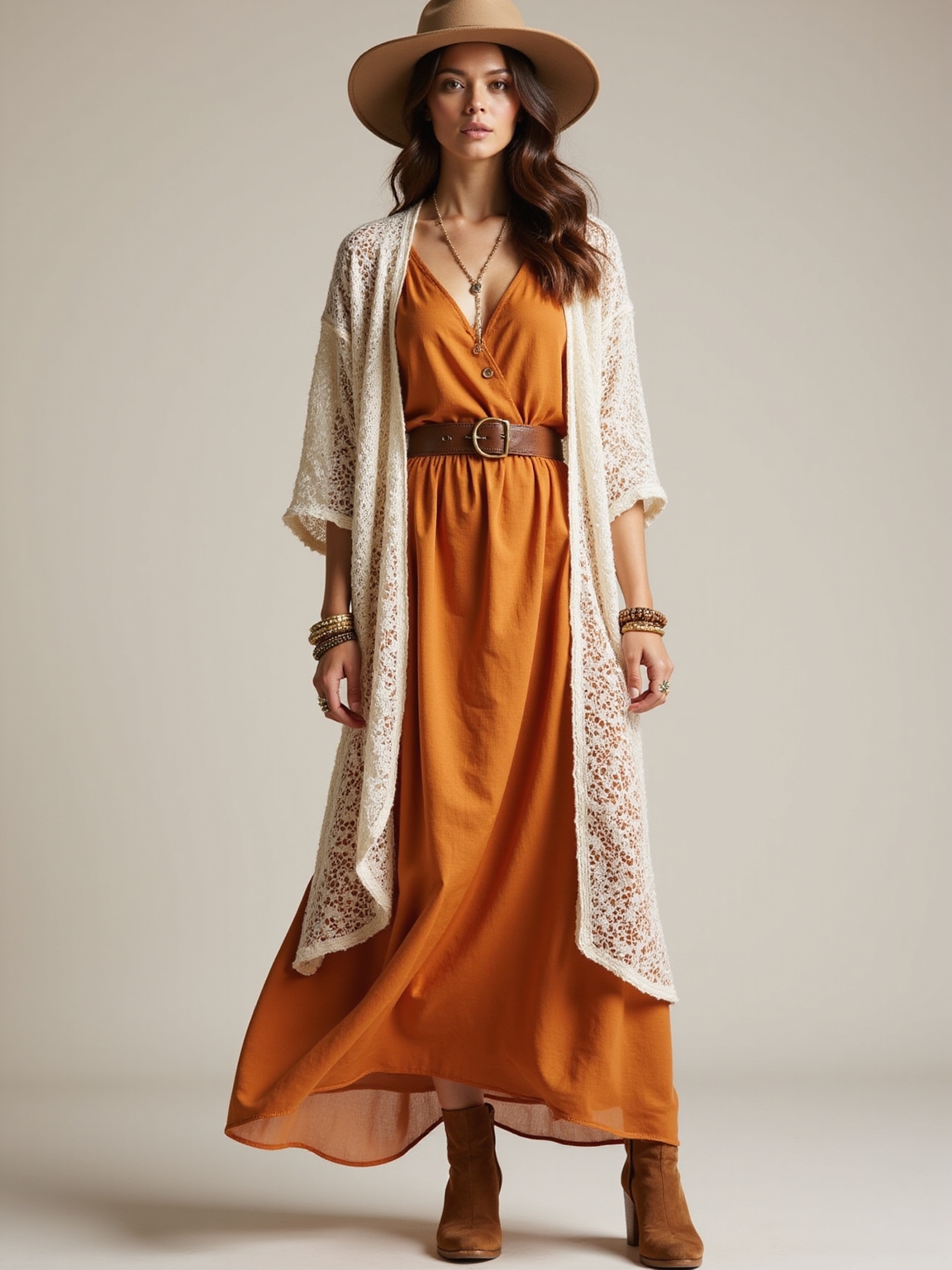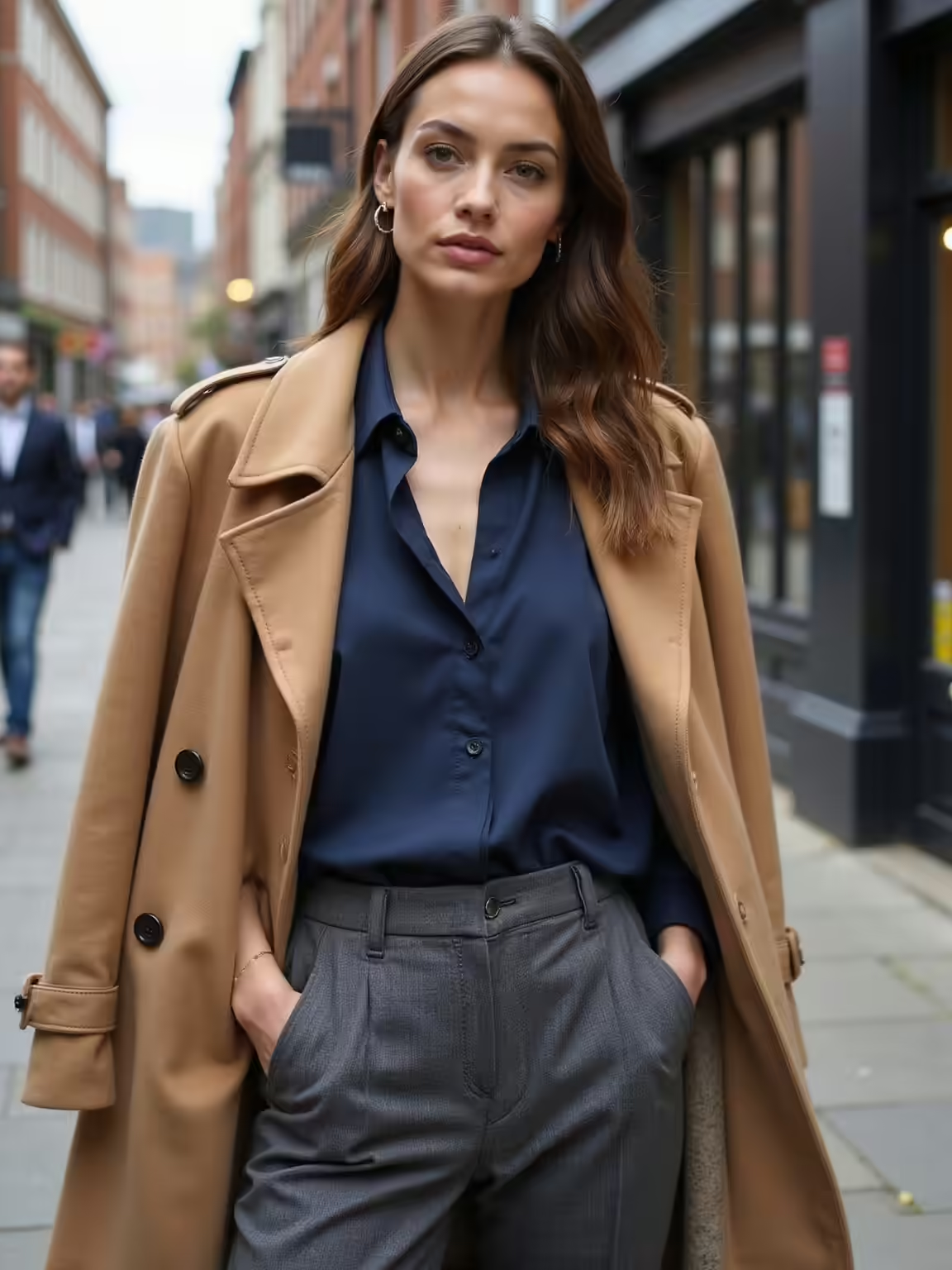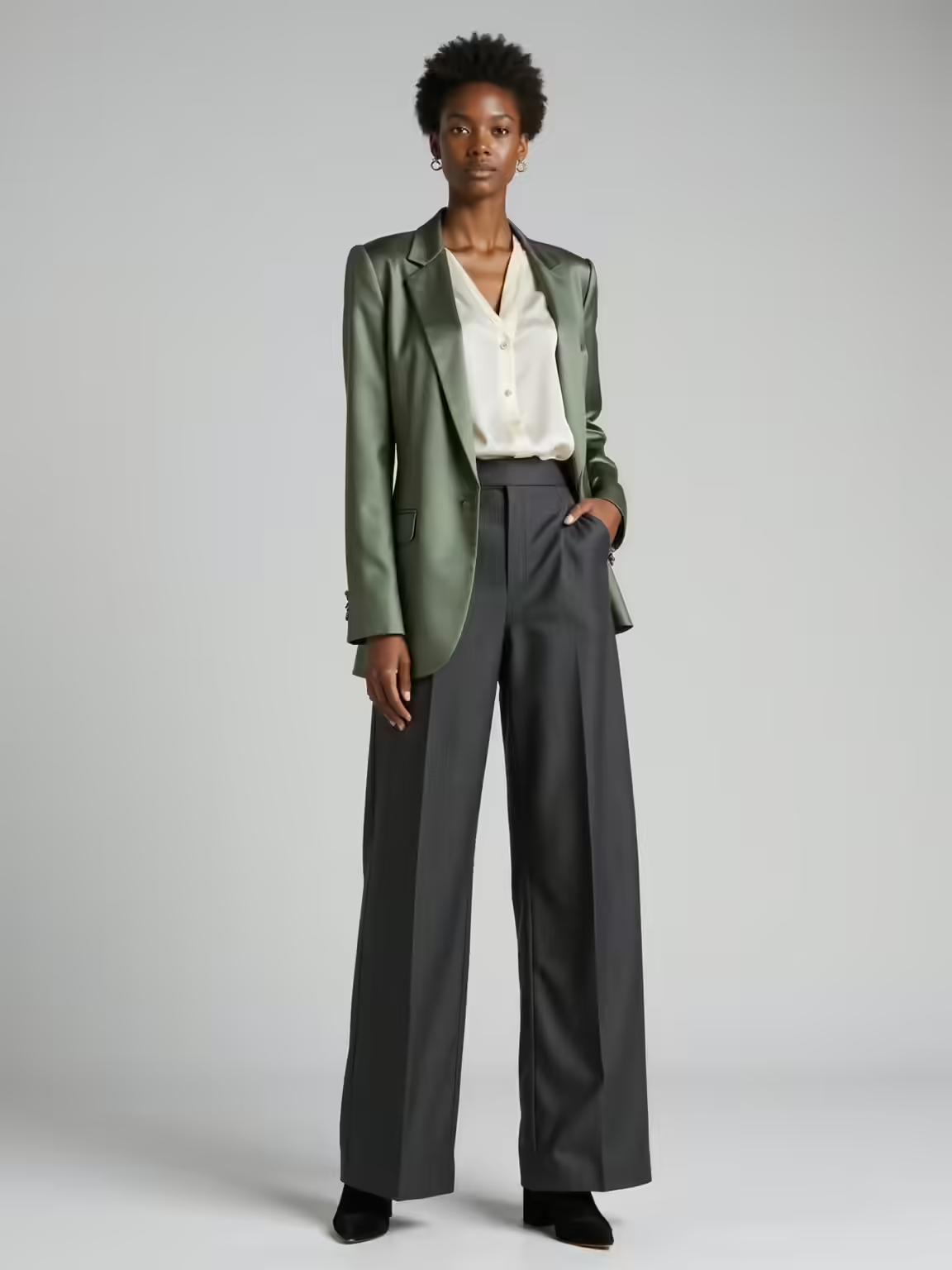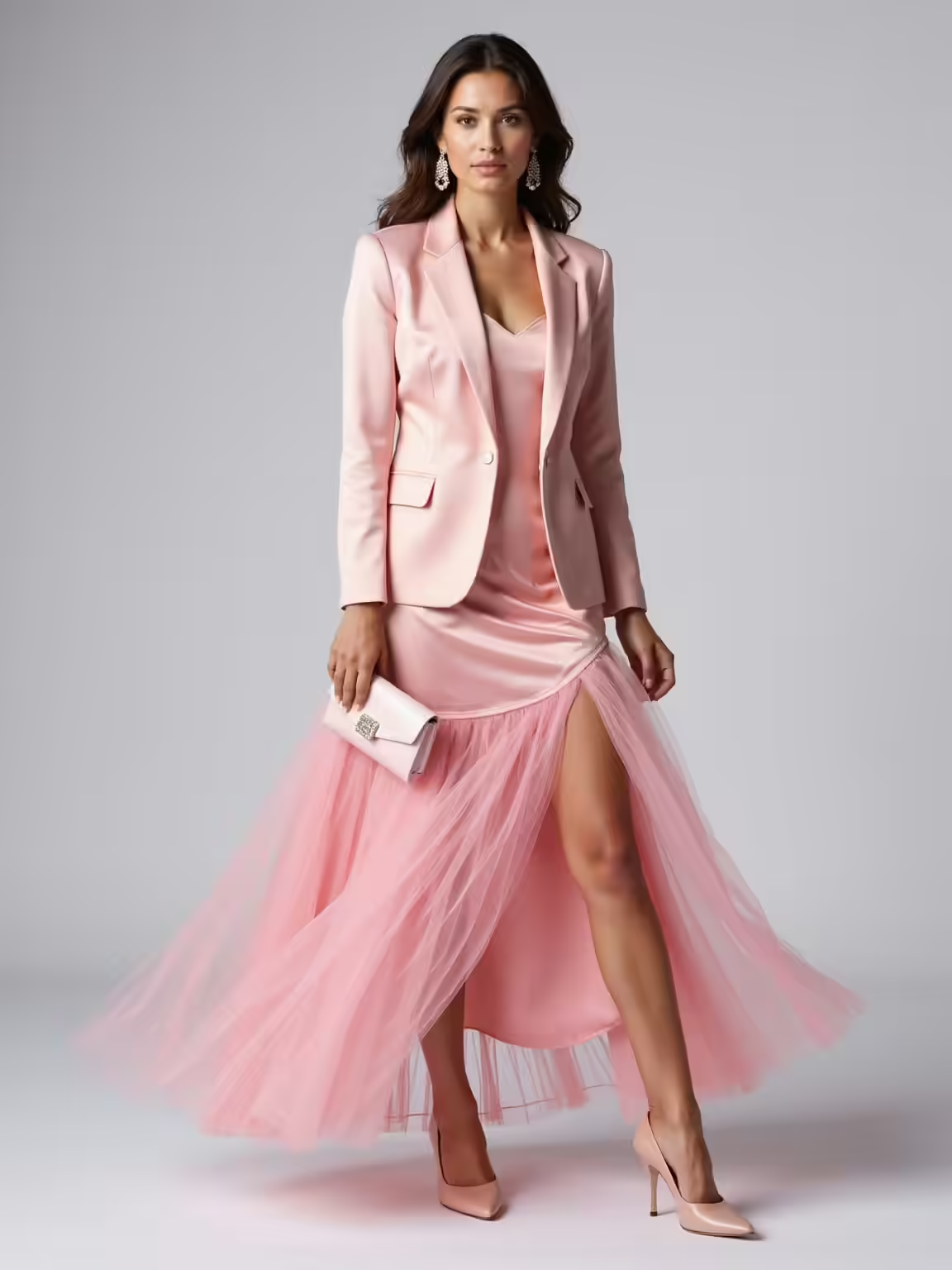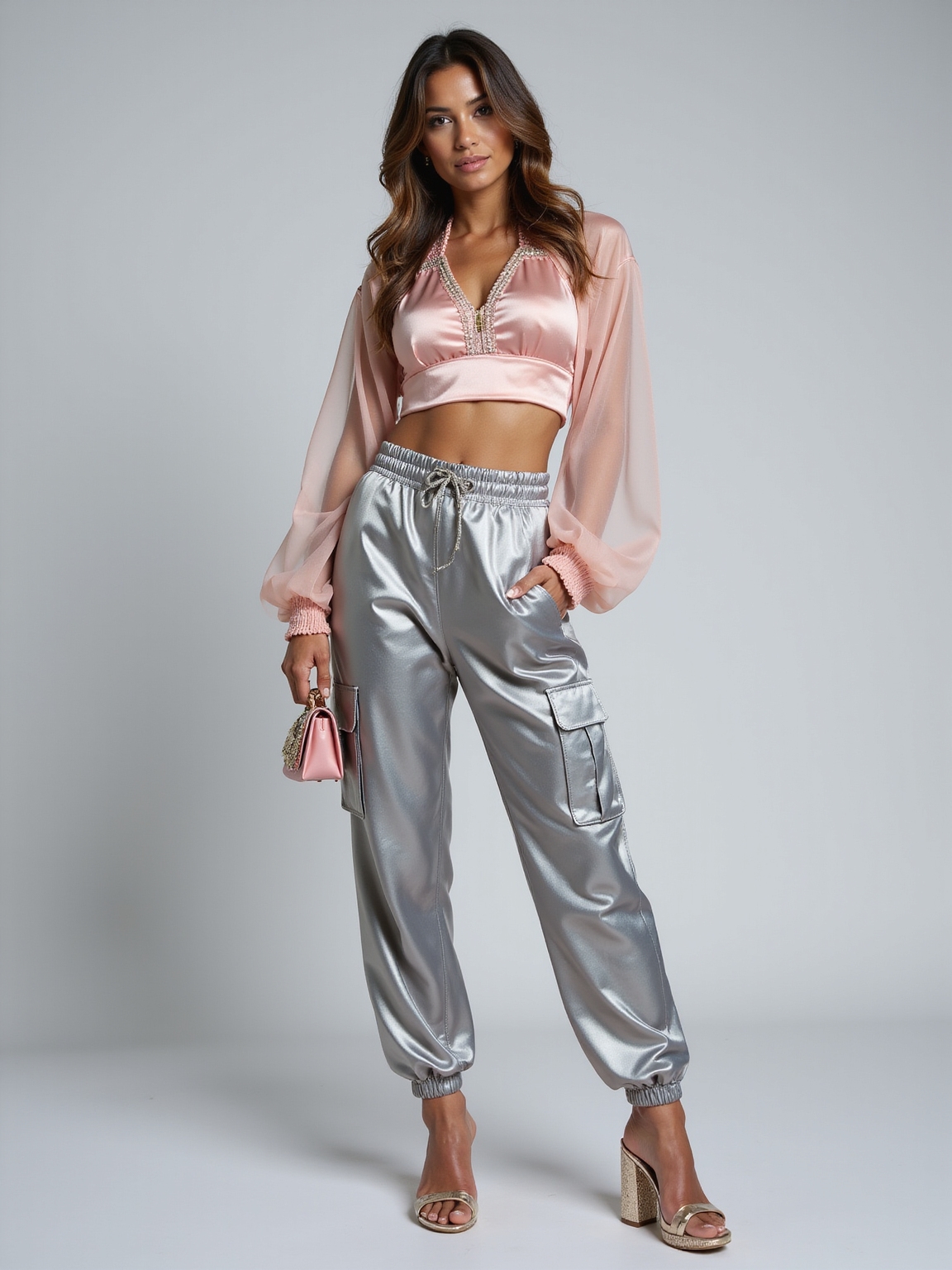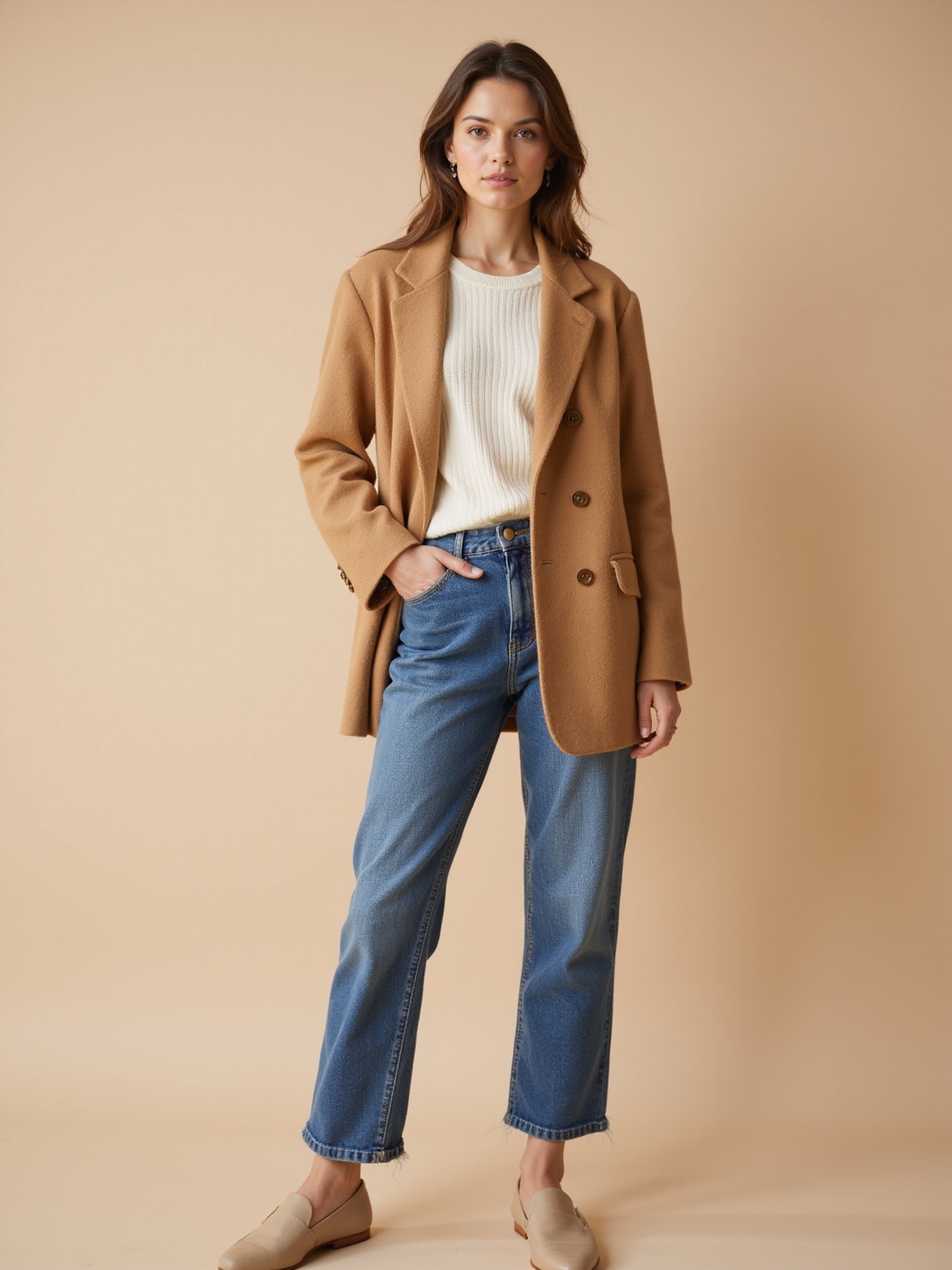

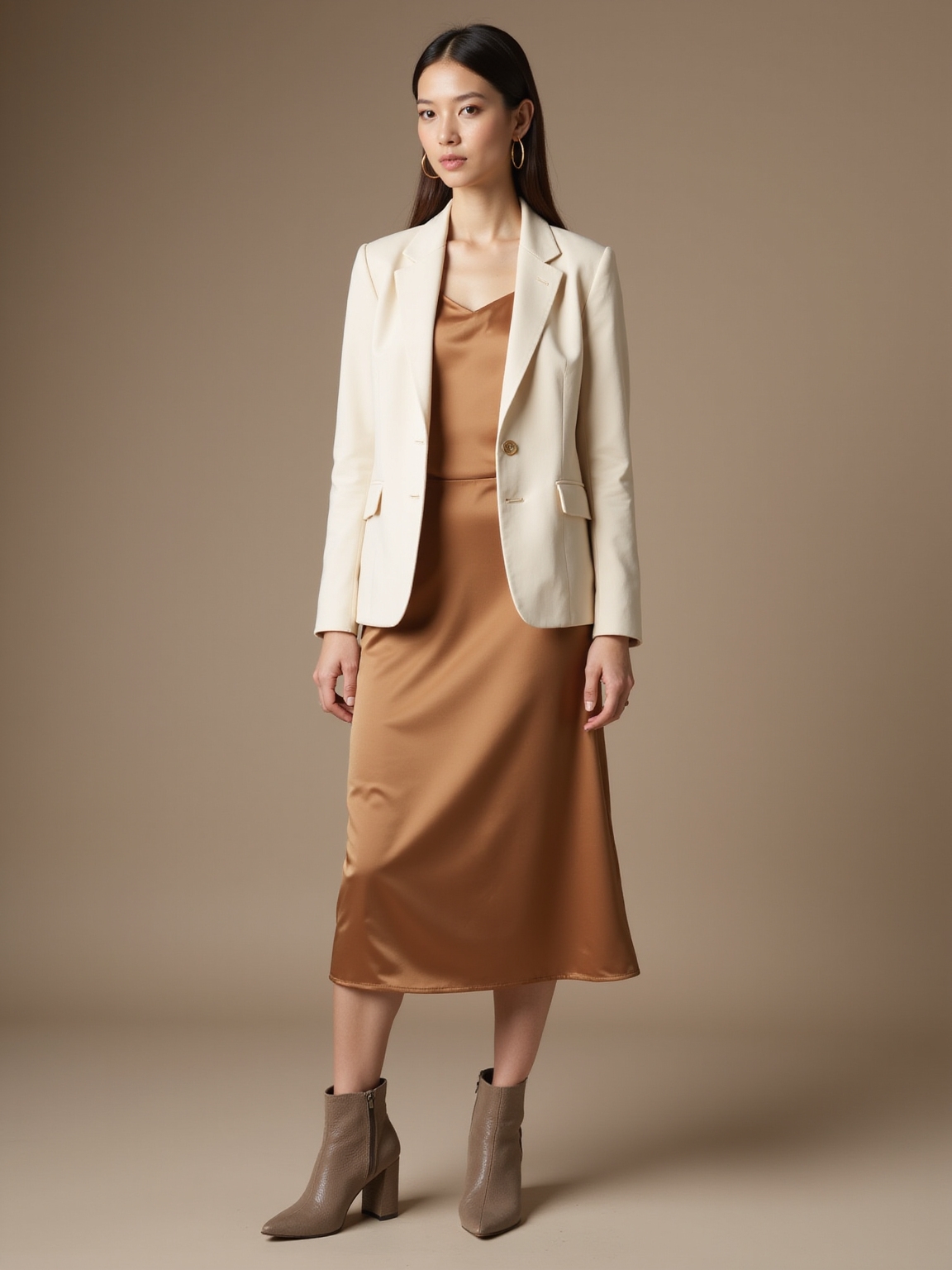
I’ll help you look like a quiet set, not a costume: pick one shared color palette and let each of you wear it differently—one dominant shade, one accent, one neutral. Anchor with a single standout piece (a coat, scarf or shoe), match textures not prints, and echo a metal or leather tone in accessories.
Favor flattering silhouettes over forced symmetry so both bodies breathe. Keep it restrained and seasonal; if you want, I’ll show you how to pull it together step‑by‑step.
Quick Rules: Match Outfits Without Looking Cheesy
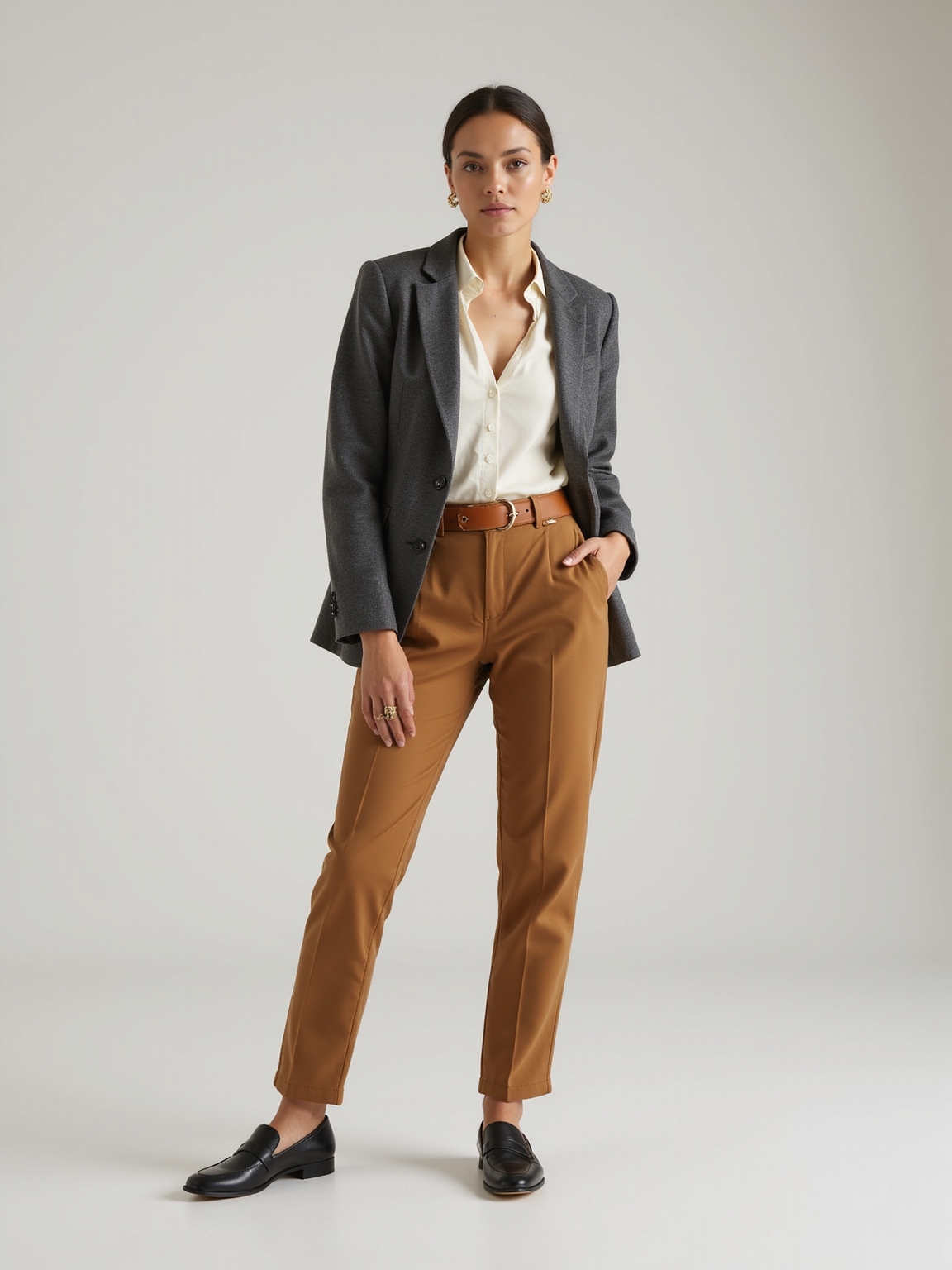
When we match outfits, I focus on harmony over identicality—small echoes of color, texture, or accessory can tie two looks together without shouting “twinning.”
I look for one shared element (a scarf, a muted hue, or the same metal in jewelry) and let each person keep their silhouette and personality; that contrast keeps the pair feeling intentional, not costume-y.
I also balance proportions, mix patterns sparingly, and choose complementary neutrals that read cohesive yet effortless. Minimalist wardrobes often rely on effortless casual staples that make pairing simple and timeless.
Choose One Shared Color Palette
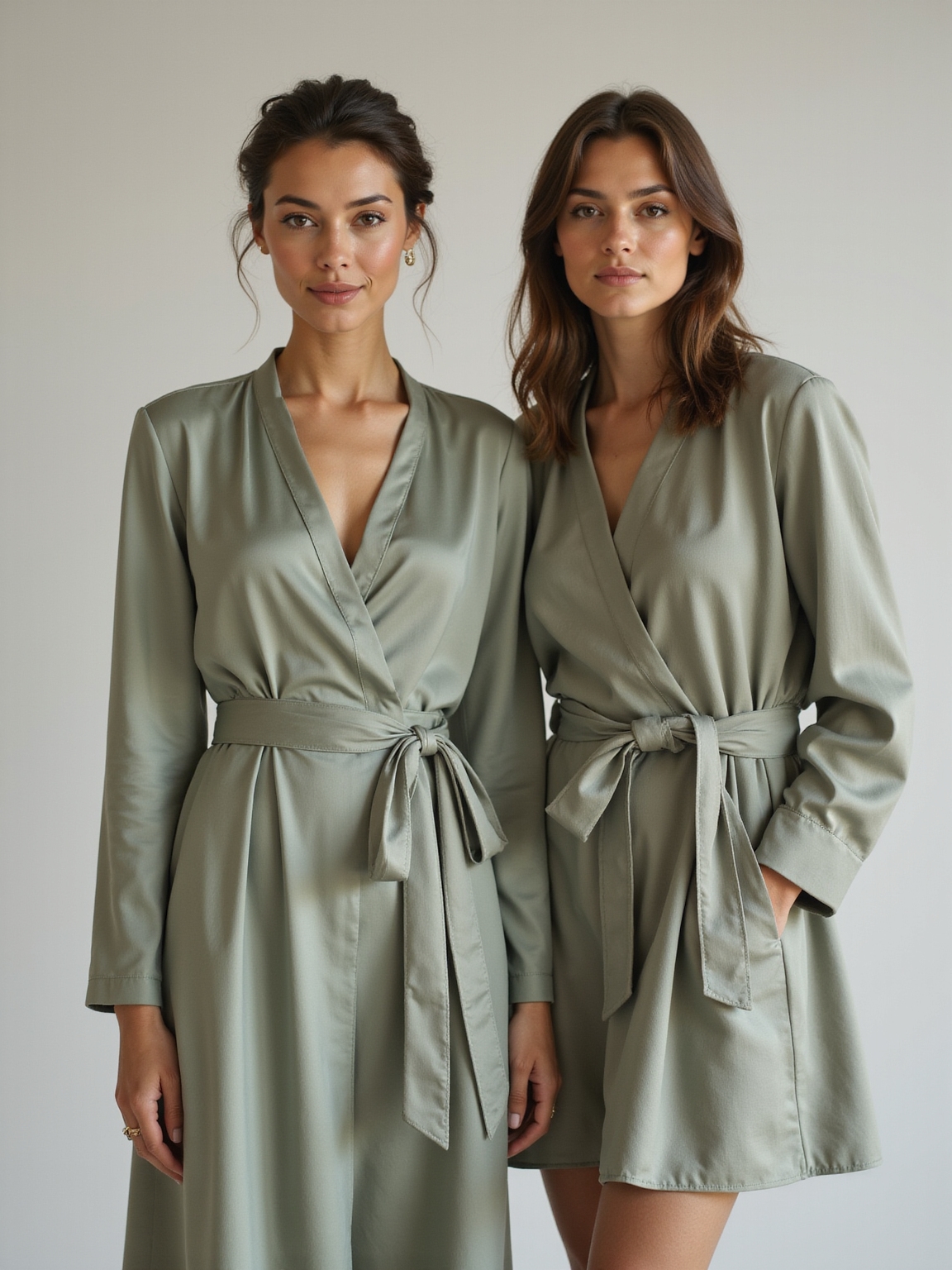
Leaning into a single color palette keeps our looks feeling intentional without matching head-to-toe; I pick a trio of related tones—a dominant shade, a softer midtone, and a neutral—to echo across both outfits.
I look for seasonal textures and let hues talk softly between us:
- dominant hue for presence
- midtone for warmth and layering
- neutral for balance and contrast
Old-money winter staples often favor classic, high-quality pieces like wool coats and cashmere knits to achieve a refined cold-weather look with timeless silhouettes.
Coordinate Outfits With One Anchor Piece
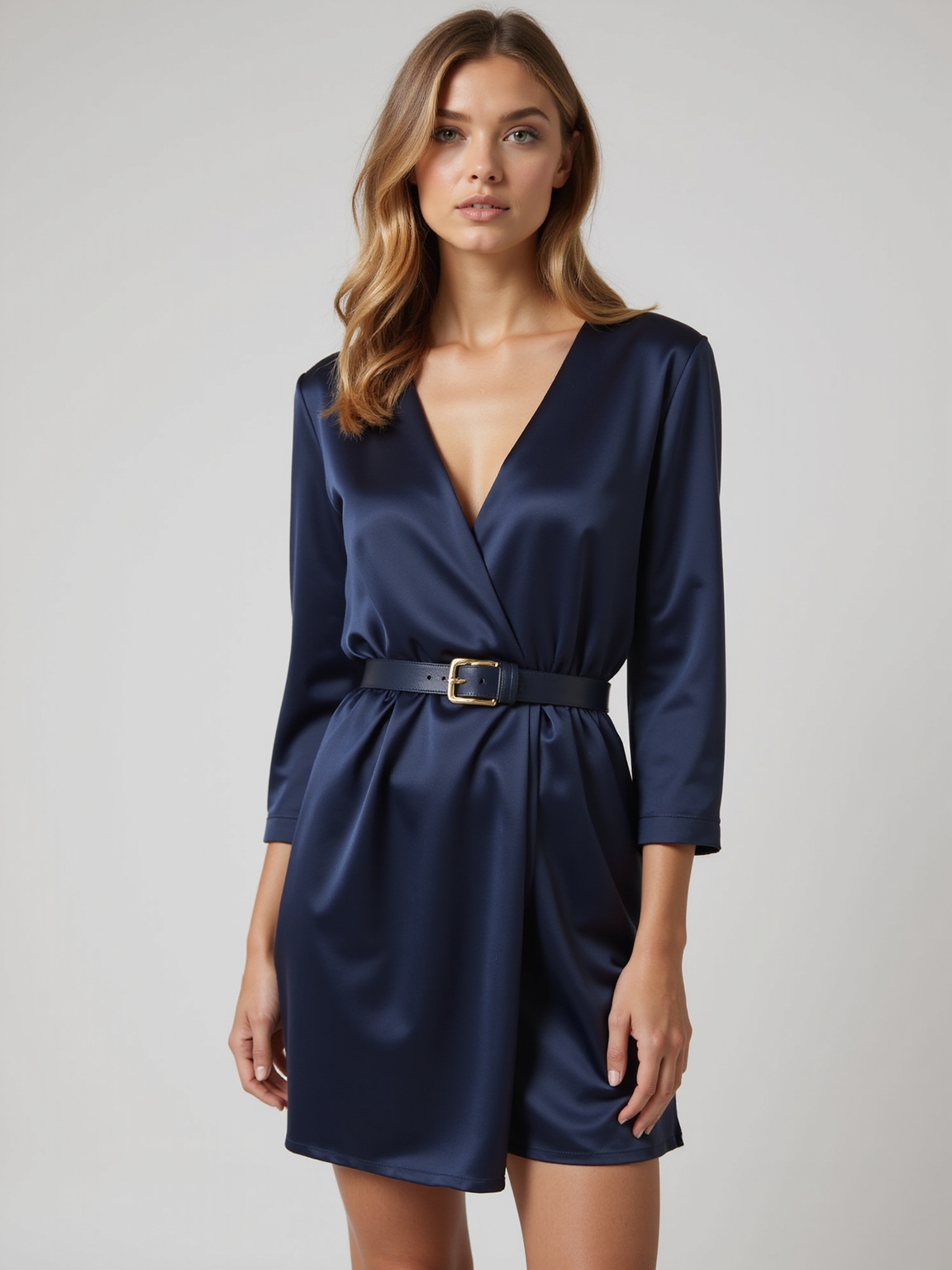
I like to pick one standout piece—a bold coat, a textured knit, or a statement shoe—and let our looks orbit around it. Then I balance colors and textures so the anchor sings without shouting, mixing soft neutrals with a single contrasting hue.
Finally, I tie things together with subtle accessories that echo the anchor’s tone for a quietly coordinated finish.
Layering insulated pieces and breathable fabrics helps maintain warmth and mobility for ice skating, especially when pairing cozy outerwear with lighter layers underneath.
Choose One Standout Piece
Because a single standout piece can quietly pull two wardrobes into harmony, I like to start there and build everything else around it.
I choose something with character—a coat, scarf, or pair of shoes—that guides mood without shouting. Then I suggest subtle replies so we feel paired, not matched:
- A textured coat that sets tone
- A vivid scarf as punctuation
- Complementary shoes that echo form
Fall outfits work best when you pick one anchor piece and let the rest coordinate around its colors and textures.
Balance Colors And Textures
When I build outfits around one anchor piece, I let that item dictate a small palette and a range of textures so everything feels intentional, not forced.
I balance a matte wool with a glossy leather or a soft cashmere with crisp cotton, echoing a color tie—warm ochre, muted navy, pale stone—so both looks read as a quiet conversation, seasonally tuned and naturally paired.
This approach mirrors the clean girl aesthetic emphasis on simplicity and polished basics.
Coordinate Accessories Subtly
I lean on one anchor piece to set the mood, then pick accessories that whisper rather than shout. I choose small echoes—shared metal tones, a single knitted texture, or a muted pattern—to keep us aligned without matching.
- slim leather belt or watch strap
- delicate pendant or lapel pin
- tonal scarf or beanie
These choices feel intentional, seasonally soft, quietly paired. For uncertain vibes, I often default to effortlessly dressy casual staples to bridge dressier and relaxed pieces effortless dressy casual looks.
Match Textures, Not Exact Patterns
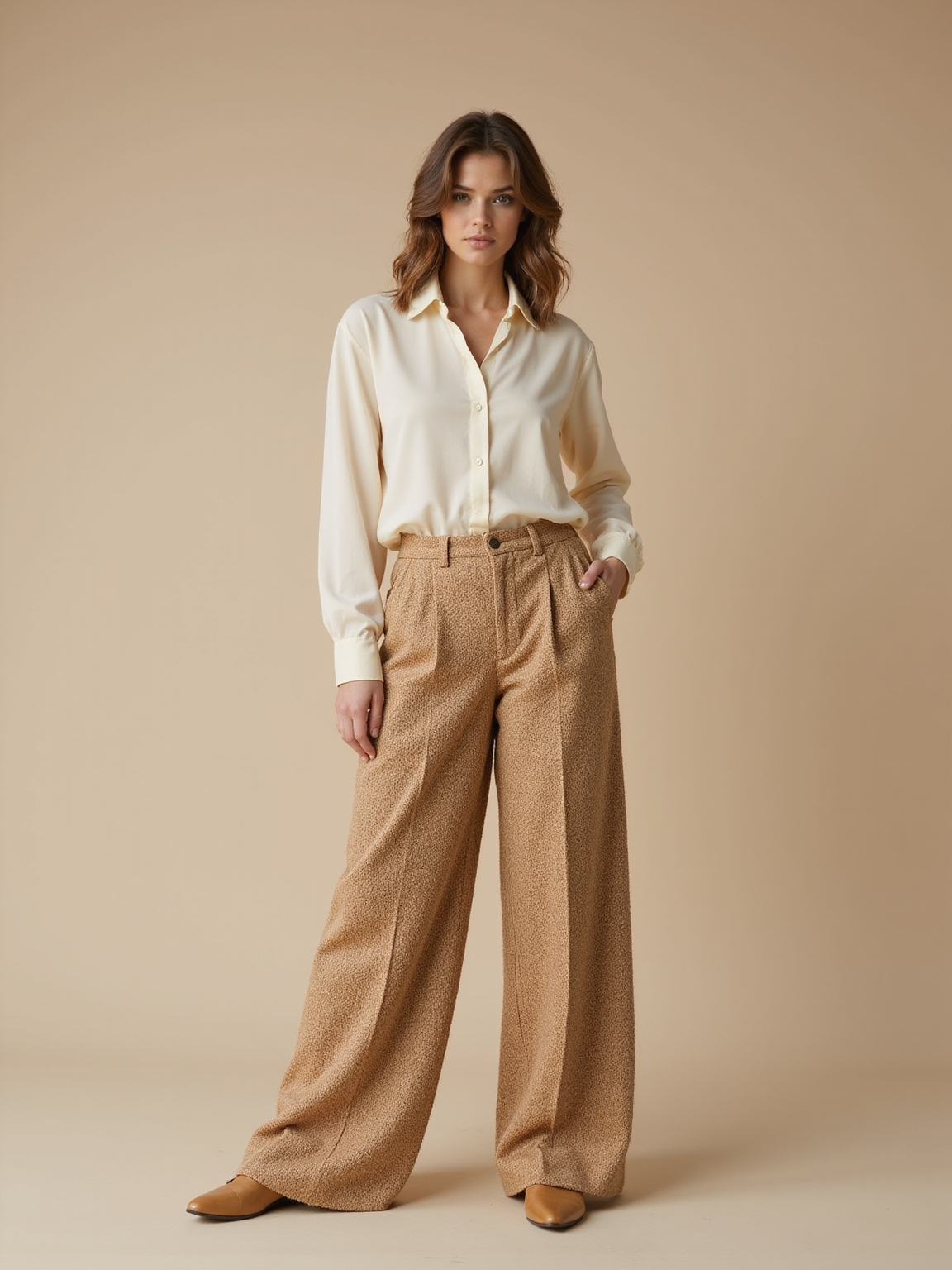
I like pairing complementary fabric families—think soft wool with brushed cotton—so our looks feel cohesive without matching print for print.
I’ll often add a shared texture accent, like a leather belt or knit scarf, to tie us together quietly. It keeps the outfits feeling intentional and seasonally layered without being identical.
Old Money blazers convey timeless polish and structure, so consider one as a neutral anchor with timeless tailoring.
Complementary Fabric Families
Although you don’t need identical patterns, I look for fabric families that speak the same language—think brushed wool with sturdy tweed, or silk charmeuse paired with lightweight satin—so textures harmonize without matching exactly.
I favor contrasts that feel intentional and soft:
- matte wool vs. subtle tweed
- glossy silk vs. muted satin
- crisp cotton poplin vs. relaxed linen
These blends read cohesive, seasonal, calm. For a smooth transition between seasons, consider layering pieces that follow a seamless style approach to move your wardrobe from summer to fall.
Shared Texture Accents
Picking up from fabric families, I look for small shared texture accents that tie two outfits together without forcing a match—think a suede elbow patch echoing a partner’s suede boot cuff, or a soft boucle scarf that hints at a boucle trim on a coat.
Those tiny echoes make looks feel intentional: knitted mittens, leather bag straps, or a velvet collar whisper seasonal cohesion without shouting uniformity.
Build Around Complementary Neutrals
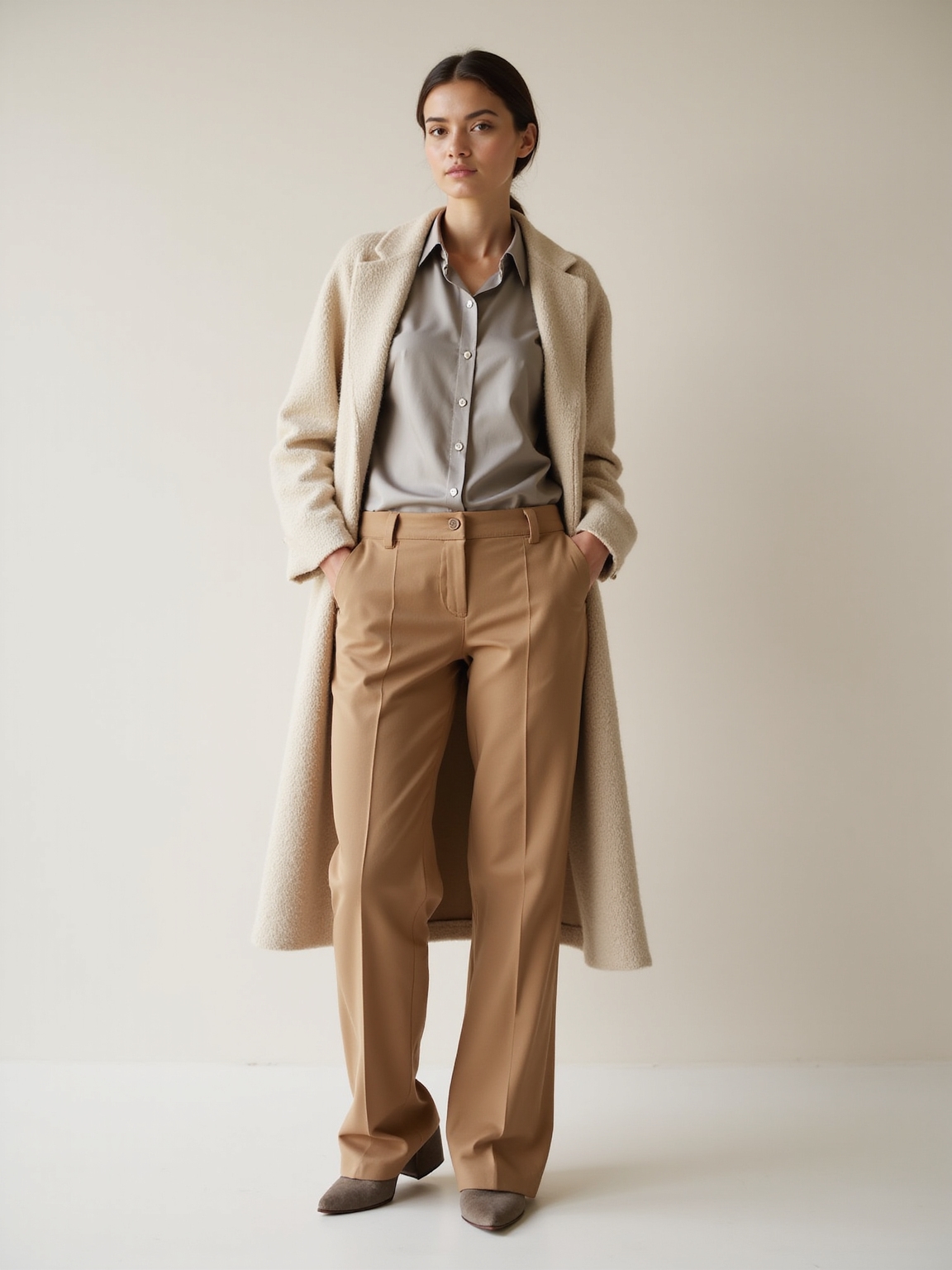
When I plan couple looks, I lean on complementary neutrals to let small details sing; muted tans, soft greys, and warm ivories give us a calm canvas so a shared silhouette reads intentional rather than matchy.
I choose layers and accents with care:
- texture contrasts (cashmere vs. canvas)
- tonal depth (light taupe beside stone)
- subtle metallics for seasonal warmth
Pair One Printed Piece With a Solid Partner
I often let the calm of complementary neutrals set the mood, then introduce a single printed piece to give the look a quiet punctuation—one floral blouse against a crisp, solid jacket or a patterned skirt paired with a neutral sweater.
I balance scale and color, letting one print sing while the other person echoes a hue, so we read cohesive without matching overtly.
Casual Daytime Matching: Easy Outfit Formulas
I like to start casual daytime matching with a shared color palette — think soft neutrals or one warm accent that ties us together without matching exactly.
Then I pair complementary silhouettes, like a relaxed tee with a slim chino, so we read as a unit while staying comfortable.
Finally I echo small accessories—a scarf, hat, or belt—to give the look a quiet, intentional rhythm.
Coordinated Color Palette
Although I love a little contrast, I usually start our daytime looks by picking a shared color mood—think sun-washed neutrals, muted pastels, or a single jewel tone—and building two easy formulas from there.
I then choose textures and accents that whisper, not shout:
- soft linen and faded denim
- a tonal knit and crisp white tee
- leather sandals and brass hardware
Complementary Silhouette Pairing
Once we’ve settled on a shared color mood, I pair silhouettes that speak to one another—think a relaxed linen shirt with a cropped pant against a flowing midi dress or a boxy tee matched with high-rise straight jeans—so you read as a unit without looking uniform.
I favor balance: one structured piece, one soft drape, similar proportions, subtle rhythm—effortless, season-ready, and quietly considered.
Accessory Echoing Elements
When I pair accessories with casual daytime looks, I listen for small echoes—a leather strap that mirrors a shoe tone, a brass clasp that repeats the warm gleam of a belt buckle—so the outfits feel intentionally linked without being matchy-matchy.
- Repeat one metal or leather hue subtly.
- Vary scale: chunky watch, slim ring.
- Tie texture: woven hat to canvas bag.
I favor restraint; it reads like quiet choreography.
Matching Outfits for Date Night (Simple Ideas)
I like to lean into low-effort coordination for date nights—think complementary colors, shared textures, or a single statement piece that ties our looks together—because it feels effortless and intentional at once.
I pick muted palettes, mix linen with soft knits, or share a bold scarf. It reads like a quiet conversation: considered, cozy, and right for whatever season we’re wandering through.
Packable Matching Outfits for Travel and Weekends
For weekend trips I lean into packable matching outfits that feel deliberate without fuss: a neutral base—think sand, slate, or soft olive—gets paired with one collapsible hero piece, like a linen blazer or a lightweight down vest, so we both look coordinated straight out of the suitcase.
- wrinkle-resistant tops
- versatile bottoms
- one statement accessory
I choose textures that travel well and weather gently.
Matching Outfits for Couple Photos (Plan & Sample Looks)
When I’m planning couple photos I aim for color coordination rather than being overly matchy, letting complementary hues whisper instead of shout.
I pay close attention to texture and layering—soft knits, worn denim, and a tailored coat add depth and photograph beautifully.
Together those choices create a cohesive look that feels effortless and seasonally tuned.
Color Coordination Over Matchy
With a simple shift toward complementary shades, I’ll help you move beyond literal matching so your photos feel more cohesive than contrived.
I choose palettes that sing together—muted ochres, soft denim, and mossy greens—so you both read as a pair without mirroring. Try these small moves:
- Pick one dominant hue and two accent tones.
- Use one neutral to ground both looks.
- Echo a single color in accessories.
Texture And Layering Choices
I often nudge couples to think beyond color and consider texture and layers as the quiet language of a photo—how a wool cardigan, suede boot, or silk scarf speaks to the season and to each other.
I suggest mixing knit, leather, and soft cotton for tactile contrast, layering light jackets or scarves for depth, and keeping silhouettes simple so textures sing without competing.
Seasonal Swaps: Spring/Summer vs Fall/Winter Tips
Although the sun shifts and the air cools, I swap just a few key pieces to keep our couple looks feeling intentional: light linens and breathable cottons for spring and summer, then layered knits, tailored coats, and textured accessories for fall and winter.
I aim for subtle harmony:
- Coordinate a shared color accent.
- Trade sneakers for boots as temps drop.
- Mix light fabrics with structured silhouettes for balance.
Match While Respecting Different Body Types and Styles
When we dress as a pair, I focus on flattering both of our shapes rather than forcing identical looks; subtle echoes—shared colors, complementary proportions, or a repeated texture—feel intentional without erasing who we are.
I pick silhouettes that honor height and curves, swap scale for balance, and choose fabrics that drape well. The result reads coordinated, considerate, and quietly seasonal.
Accessory Tactics: Shoes, Bags, and Subtle Pairings
Because small details steer the mood more than loud statements, I treat shoes, bags, and little shared accents as the quiet punctuation of our looks.
I lean into texture, tone, and purpose to sync without matching.
- neutral leather sneakers and a woven tote for autumn ease
- tonal belts or scarf knots as whisper links
- complementary metal finishes on watches and bag hardware
Common Matching Mistakes and How to Avoid Them
I love how small accessories whisper our connection, but they also teach us where matching can go off the rails—so let’s keep those lessons in mind before we try to mirror each other.
I warn against copying head‑to‑toe, ignoring proportion, or forcing seasonal mismatches. Instead, I favor shared tones, complementary textures, and a single intentional echo that feels effortless and quietly intentional.
Quick Pre‑Leave Checklist for Cohesive Couple Outfits
If we’ve five minutes before we walk out the door, I run through a tight checklist that keeps our looks feeling like a quiet conversation rather than a shout.
I scan color notes, texture echoes, and small gestures—items that tether us without matching.
- Check one dominant color and one accent.
- Balance textures, not patterns.
- Coordinate shoes and outerwear tones.
Think of dressing together like planting a small garden: you pick a shared palette as if choosing blooms, tuck in one anchor piece like a trellis, and let textures whisper instead of shout.
We tend our individual plots—flattering shapes, complementary neutrals—while adding matching accessories as subtle vines that tie everything quietly.
Walk out like neighbors admiring the same sunset: coordinated, not cloned, comfortable, and quietly, seasonally radiant.