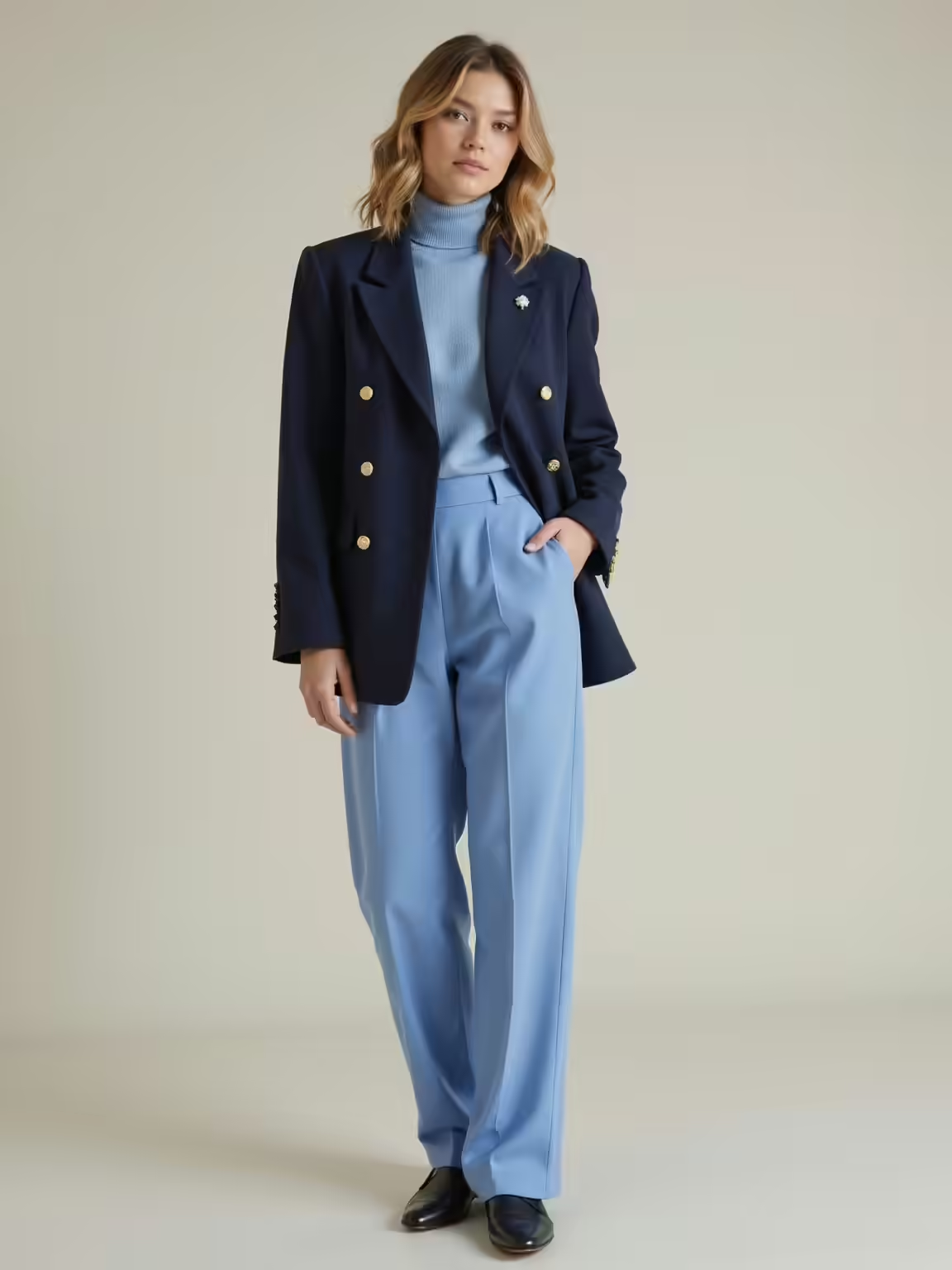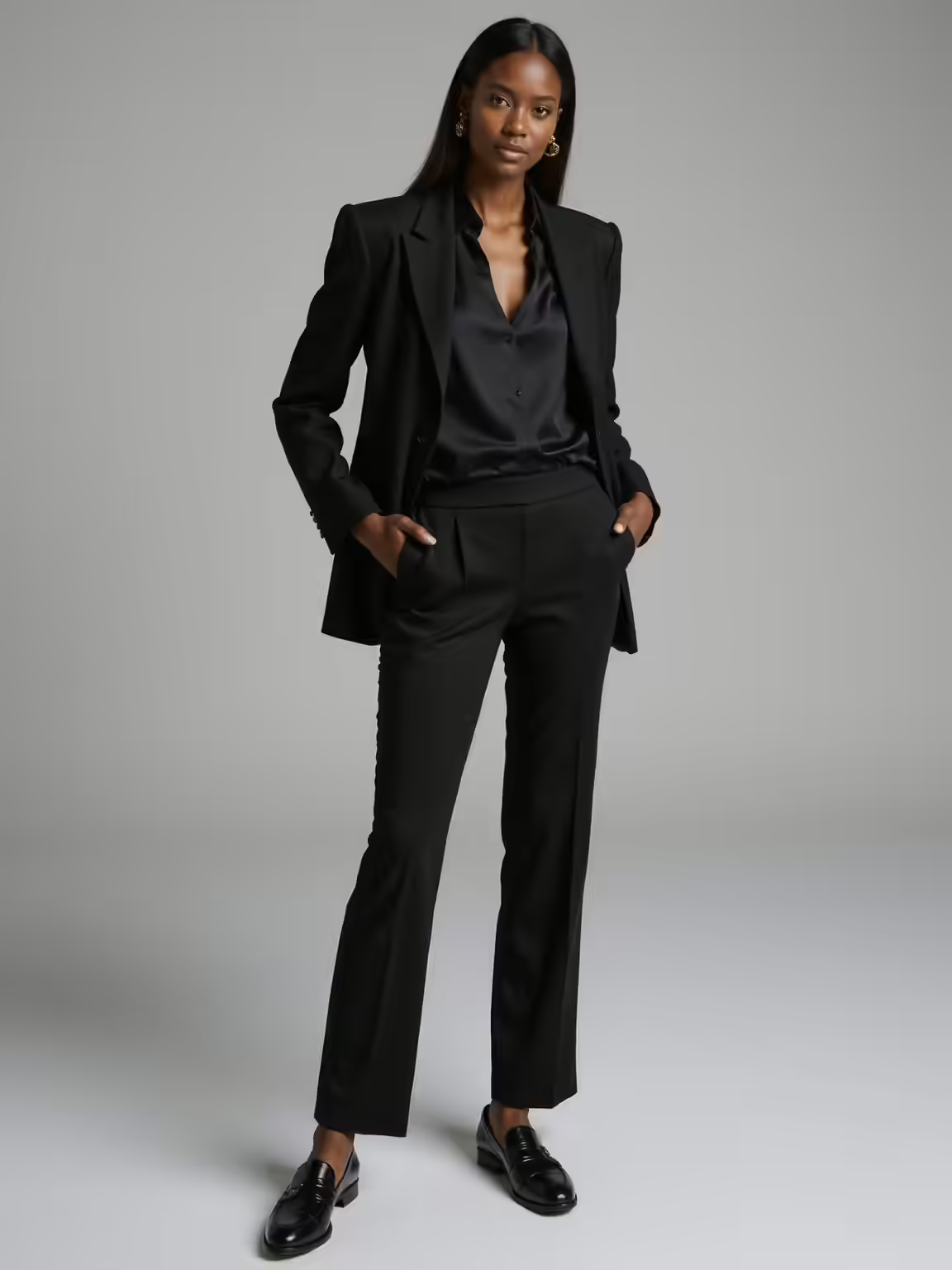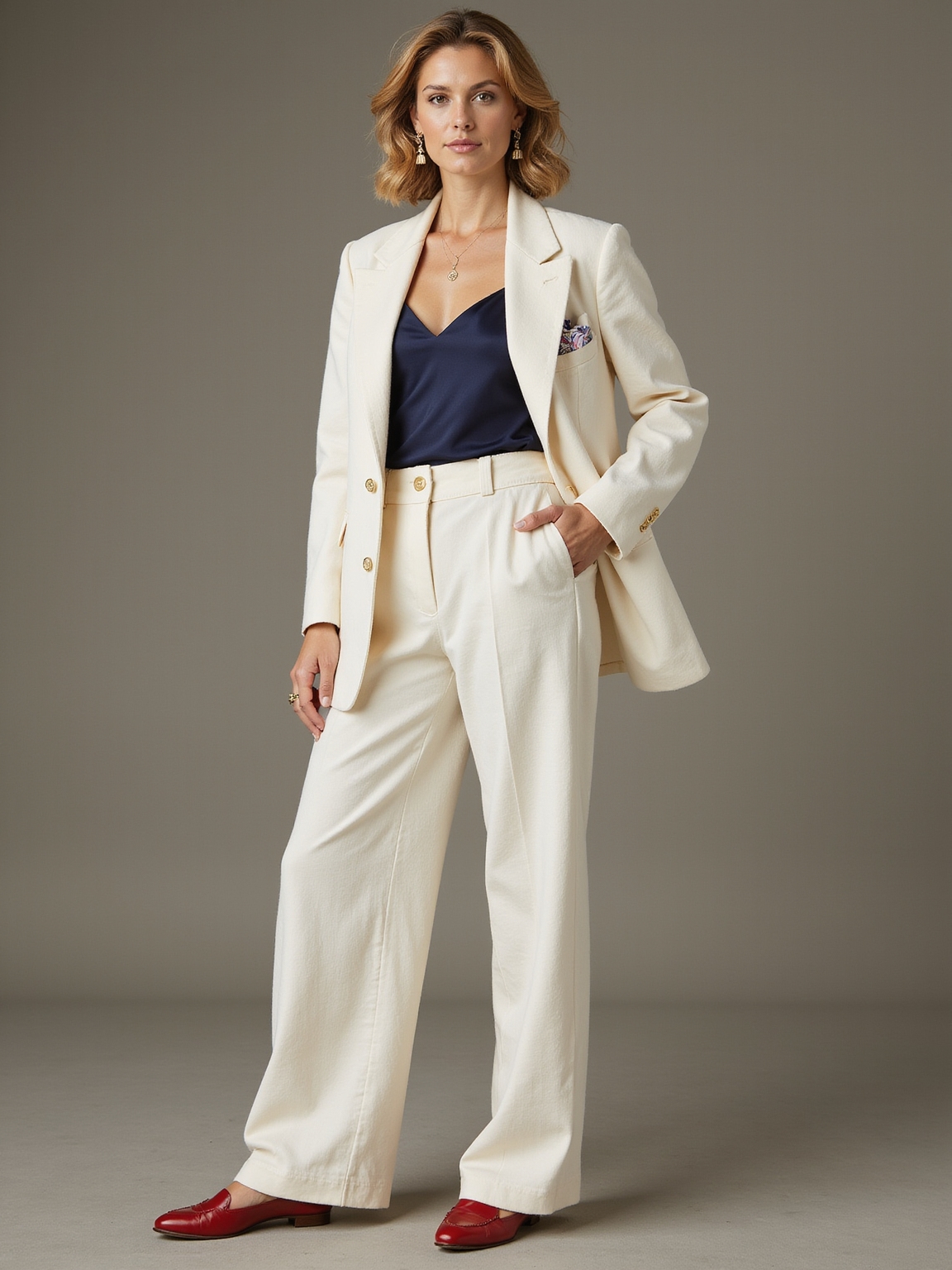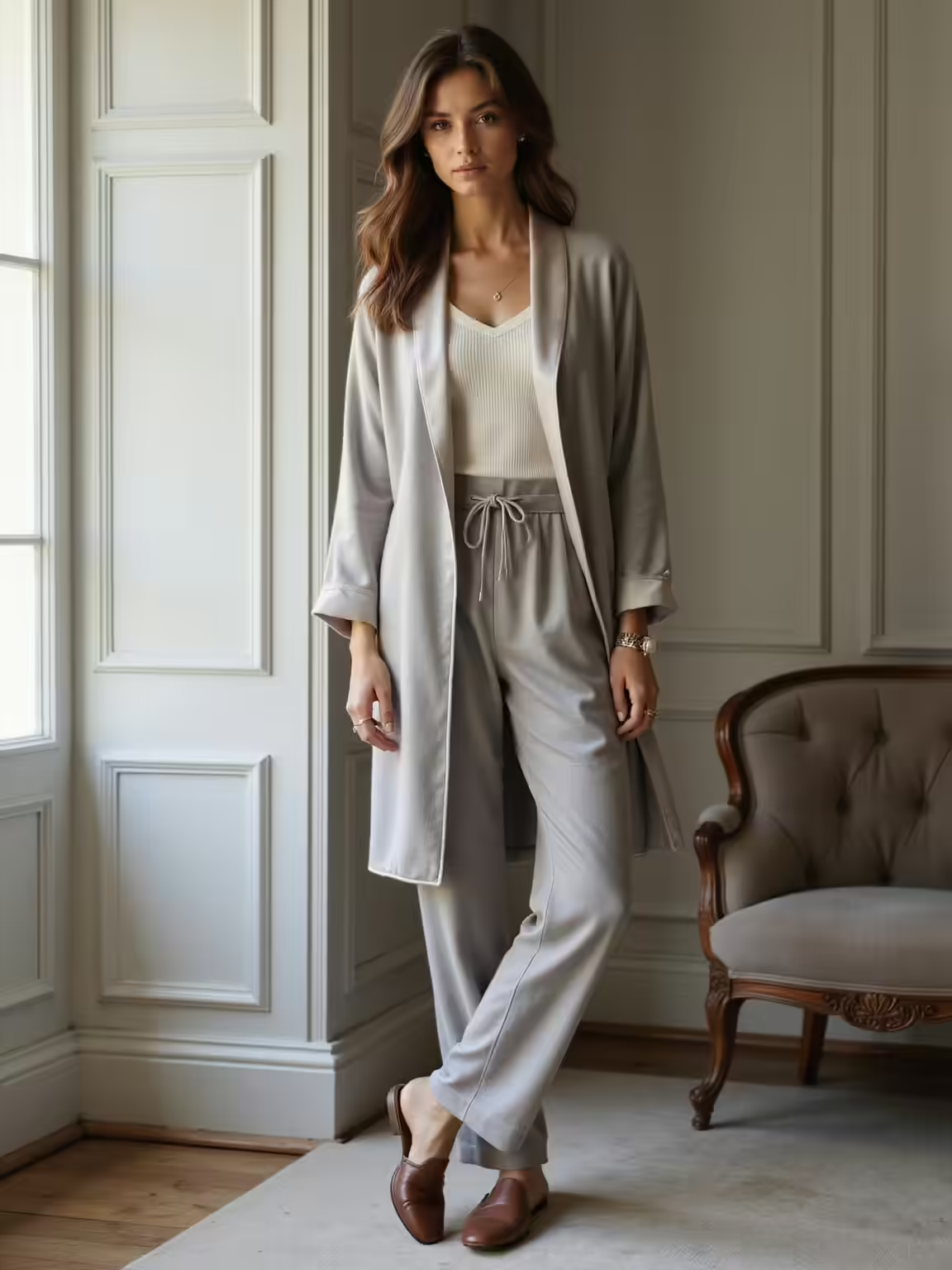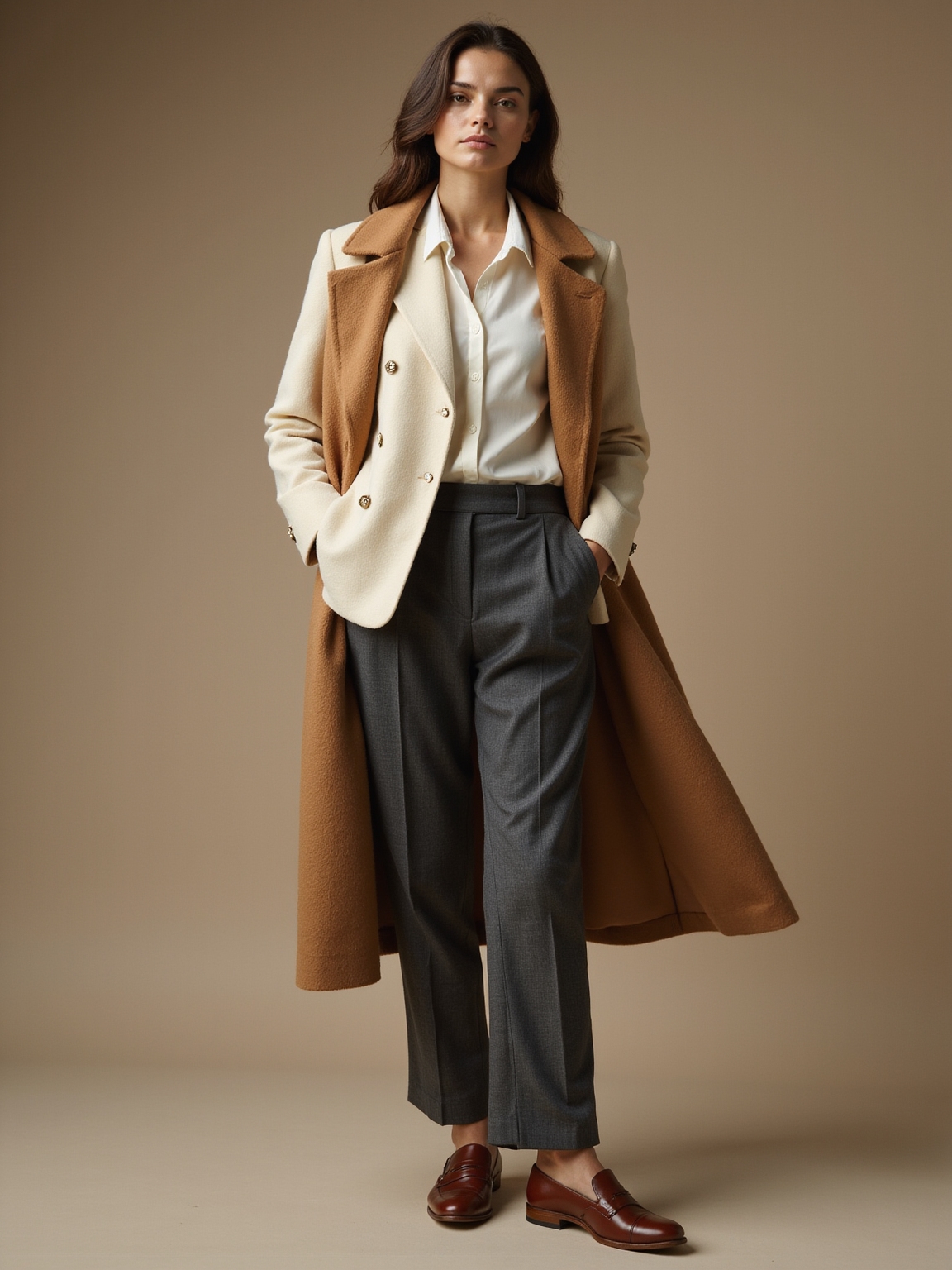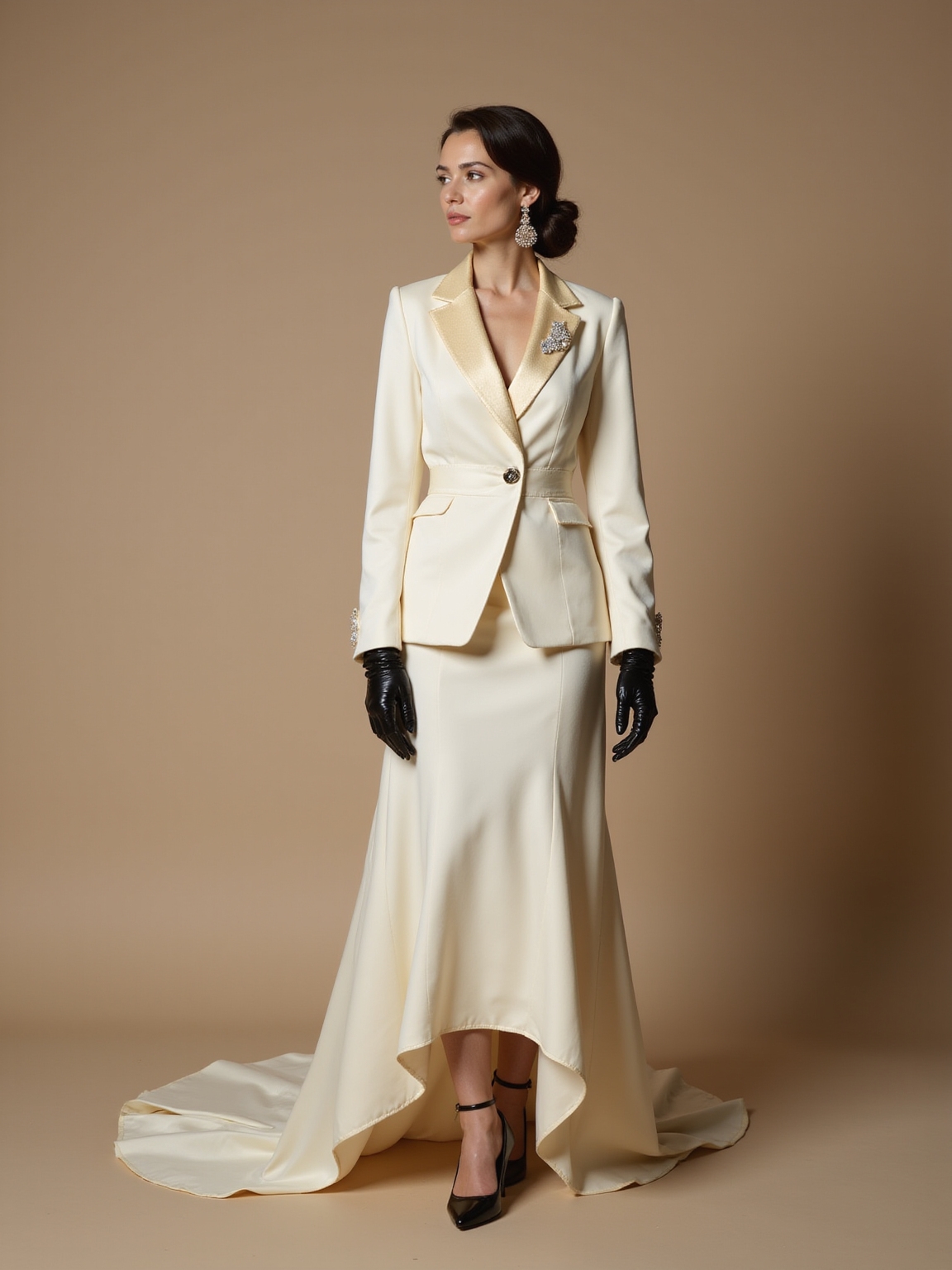

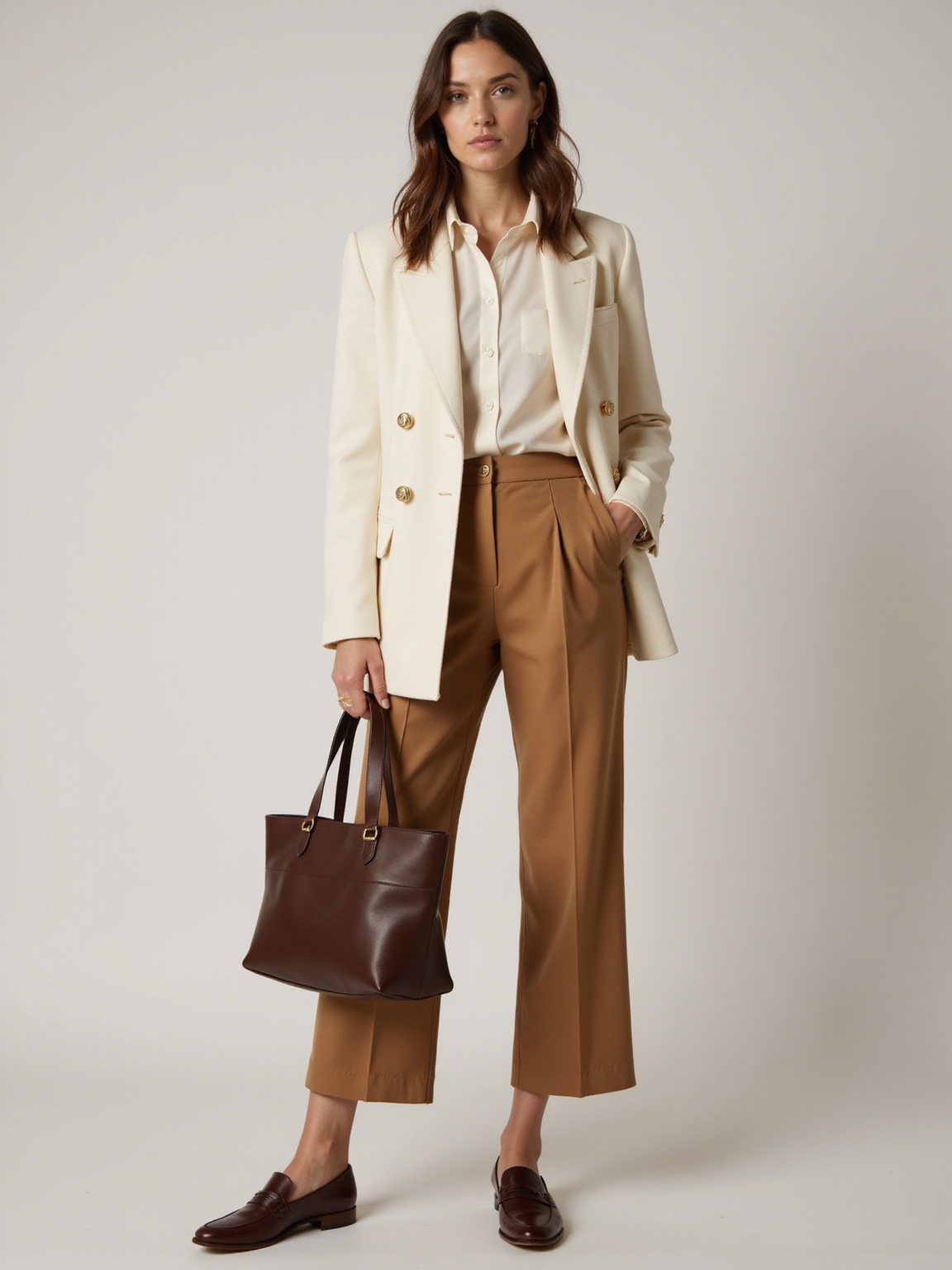
I reach for an old‑money blazer when I want quiet authority and polished ease; it’s about fit more than label—shoulders at the bone, a nipped waist, sleeves that skim the wrist. I favor natural fibers: mid‑weight wool for fall, linen blends for summer, cashmere touches in winter.
I wear one blazer five ways—silk blouse, tailored jeans, midi skirt, knit turtleneck, matching trousers—then swap shoes or scarves to shift from office to weekend. Keep going to see how to style each option.
What an Old‑Money Blazer Signals
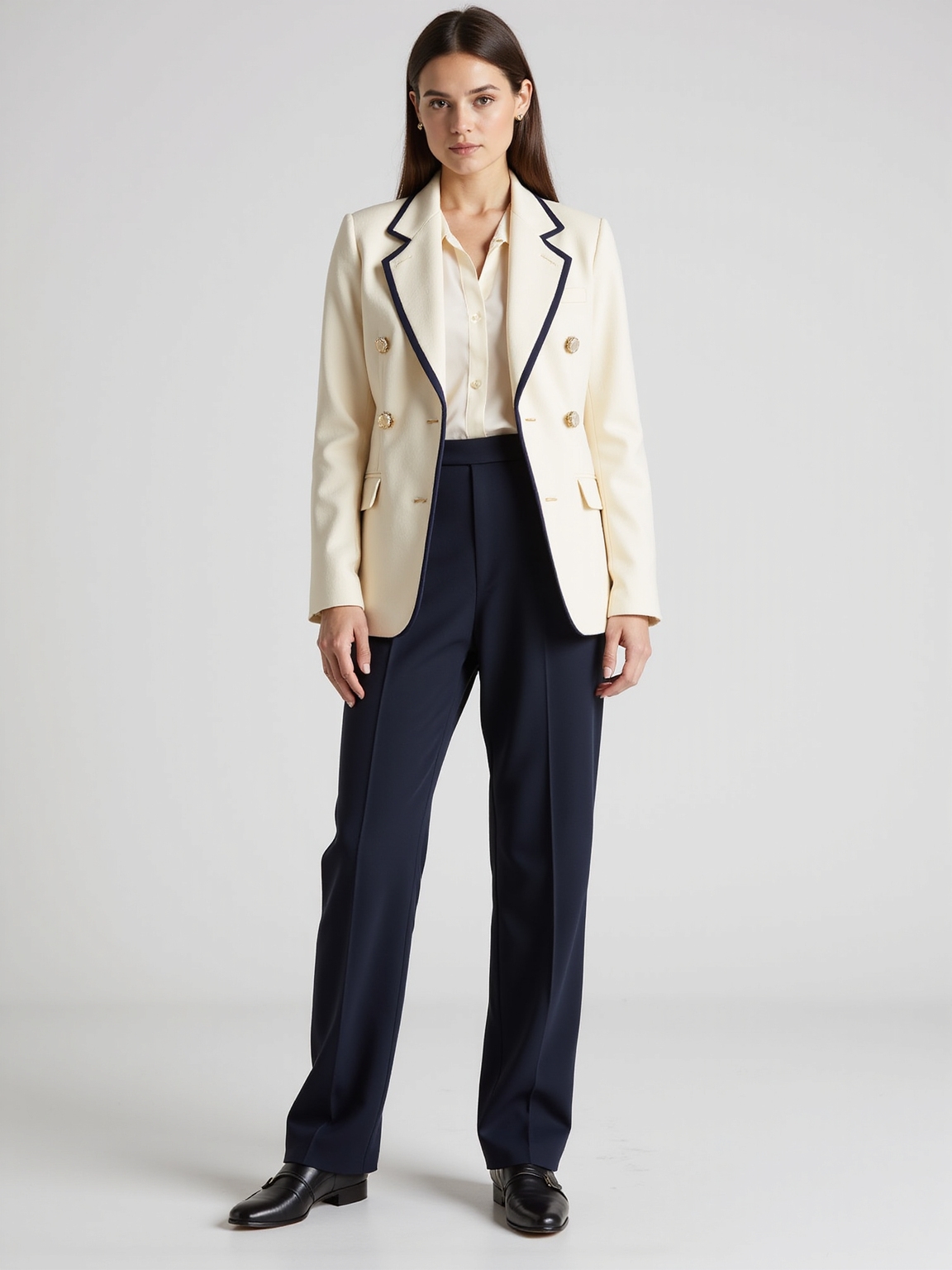
Confidence shows up in small details, and when I slip on an old‑money blazer it announces restraint more than flash.
I tell you it signals quiet authority, timeless taste, and investment in craftsmanship over trend.
It suggests I value provenance, careful edits, and poised restraint — the kind of seasonal ease that says I belong without needing to prove it, understated and intentional.
Old‑money wardrobes often prioritize timeless elegance as a guiding principle for every piece.
Old‑Money Blazer Fit: How to Choose
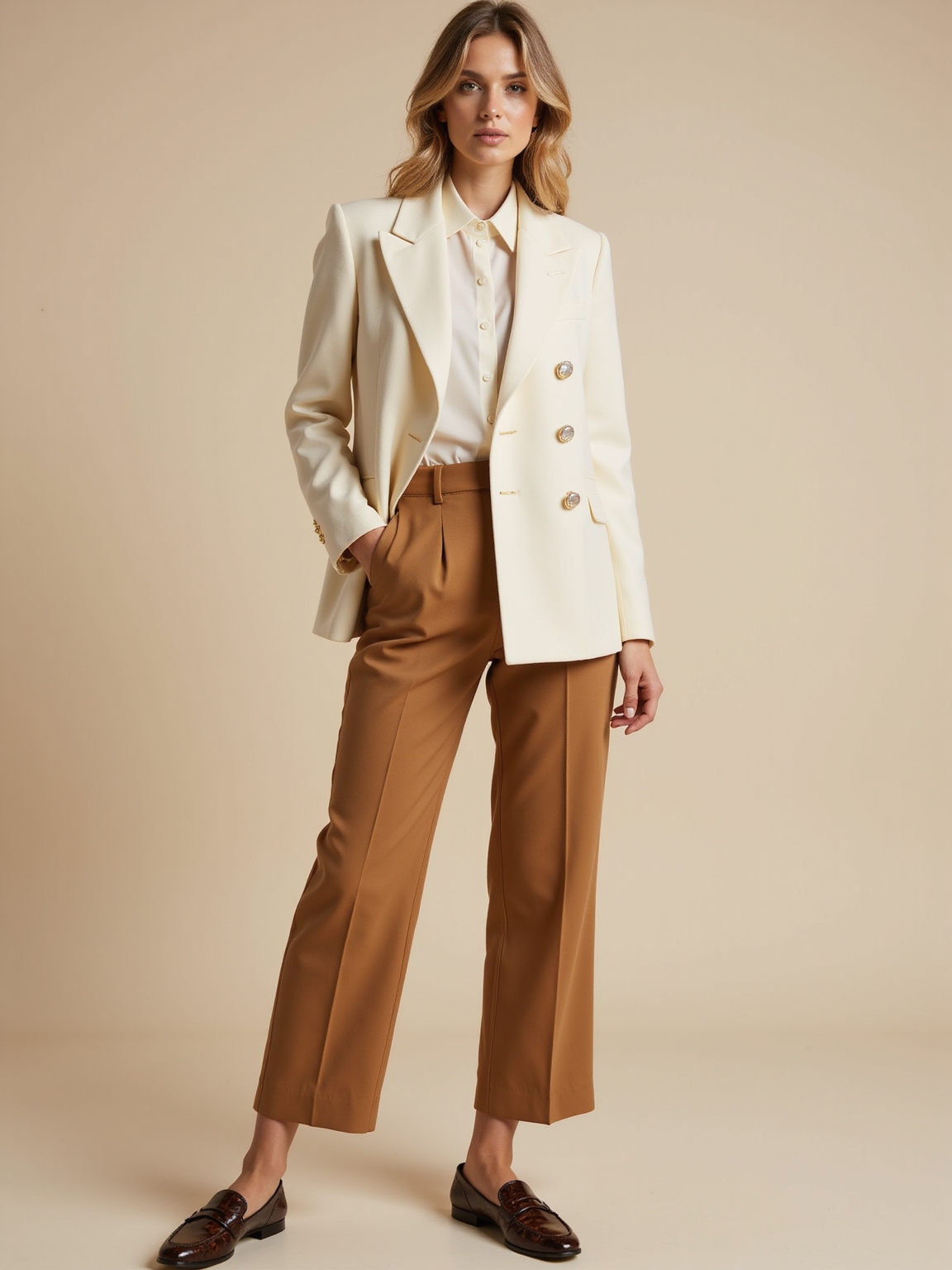
When I choose an old‑money blazer, I put fit over size—comfort and clean lines matter more than a number on a tag.
I look for shoulders that sit naturally at my bone and sleeves that hit just at the wrist so the silhouette reads effortless and refined.
Those small proportions make the whole outfit feel quietly luxurious for any season.
I also prioritize classic tailoring and timeless details like structured lapels and quality fabric to convey polished power.
Fit Over Size
Although I love a relaxed silhouette, I always choose fit over size when selecting an old‑money blazer — the right proportions make an outfit look purposeful rather than oversized or costume-y.
I favor tailoring that skims the body, allows movement, and layers cleanly. Seasonal fabrics guide choices — lightweight linens for summer, compact wools for winter — so the blazer feels effortless and intentional.
Blazers can transition from casual to formal with ease when you master versatile blazer looks.
Shoulder And Sleeve Proportions
Because the shoulder sets the blazer’s architecture, I always check that the seam sits right at the edge of my shoulder — not past it, which reads sloppy, and not tucked in, which looks strained.
Sleeve length should graze the wrist bone to show a sliver of cuff; slightly softened structure feels modern yet refined, and proportions must flatter your frame without swallowing seasonal layers.
Timeless silhouettes often draw on old money wardrobe principles to convey understated authority and longevity.
Best Fabrics and Colors for a Timeless Blazer
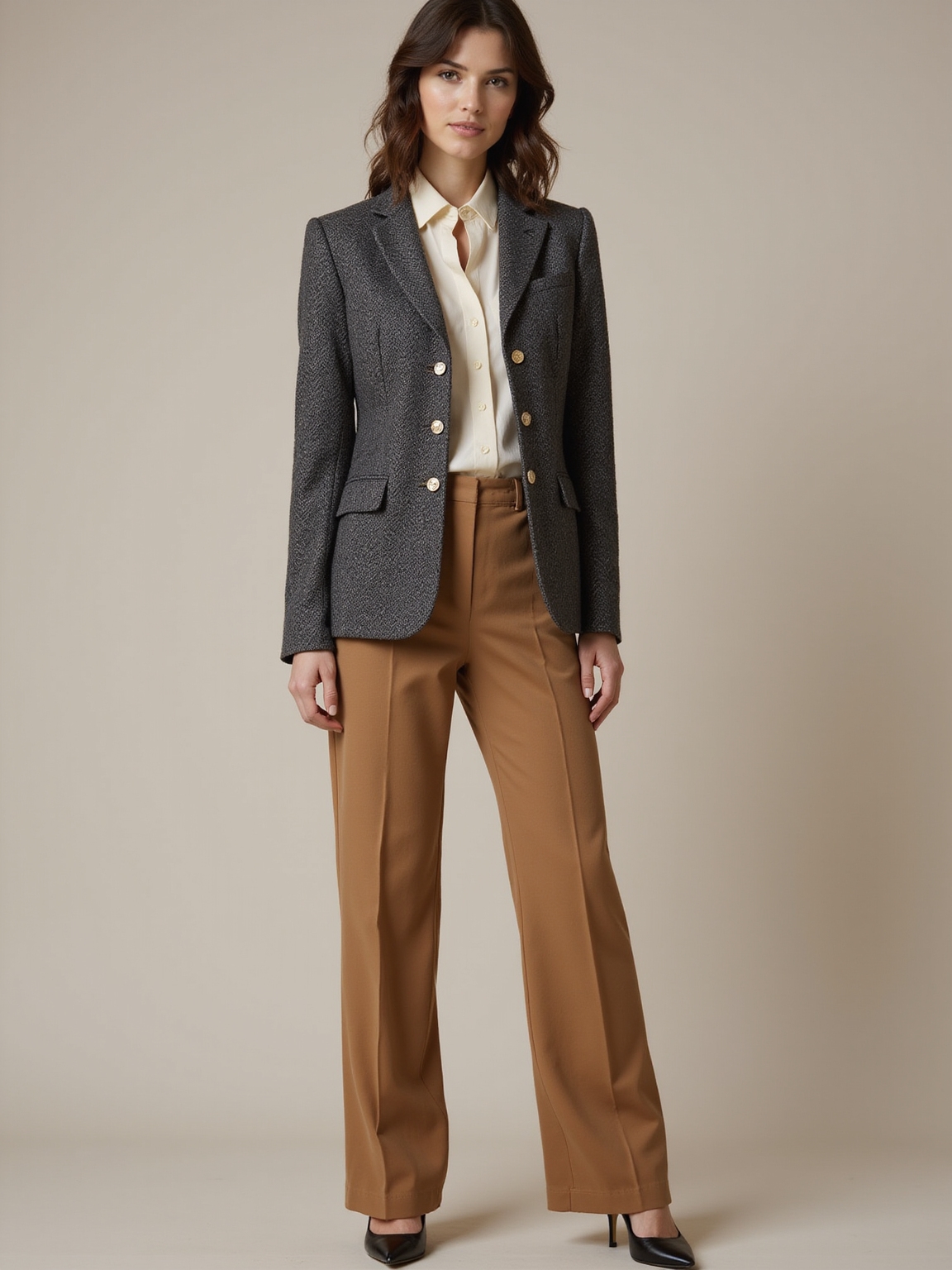
I like to start by feeling the fabric—weight and drape tell you if a blazer will hang right and last.
Neutral tones like navy, camel, and charcoal give you the most mileage, while seasonal fabrics—wool and tweed for cooler months, linen and lightweight blends for spring and summer—keep it appropriate.
Together those choices make a timeless piece you’ll reach for year after year.
Old Money style favors a refined, understated silhouette and quality materials that flatter plus size figures for lasting elegance.
Fabric Weight And Drape
Feel the weight of a blazer before you buy it — I always start there because weight and drape determine whether a jacket reads polished or slouchy.
I prefer mid-weight wools for structure in cooler months and lightweight linens or silk blends for spring.
Proper drape skims the shoulder, follows movement, and never pulls at seams; that balance makes an outfit feel intentional and quietly authoritative.
Quiet Elegance often emphasizes understated luxe as a defining principle of old money dressing.
Classic Neutral Colors
When you choose a blazer, color and fabric are the quiet decisions that do most of the work; they set the tone for everything you pair with it.
I favor classic neutrals — navy, camel, charcoal, cream — because they anchor outfits effortlessly. These hues read refined, mix well with texture, and move from office to weekend.
Pick tones that flatter your skin and stay versatile. A well-cut blazer in these tones evokes old money elegance and elevates even simple pieces.
Seasonal Fabric Choices
Though the season changes, I stick to a few go-to fabrics that keep a blazer looking timeless and appropriate: lightweight wool and worsted for cooler months, linen blends for warm weather, and cotton or lightweight suiting for transitional days.
I choose muted, balanced colors—navy, camel, dove gray—so the texture reads refined. Natural fibers breathe, drape well, and age with dignity, which is the point.
This approach aligns with Old Money Fall Outfits aesthetics that favor understated, high-quality pieces.
Quick Formula: One Blazer, Five Powerful Looks
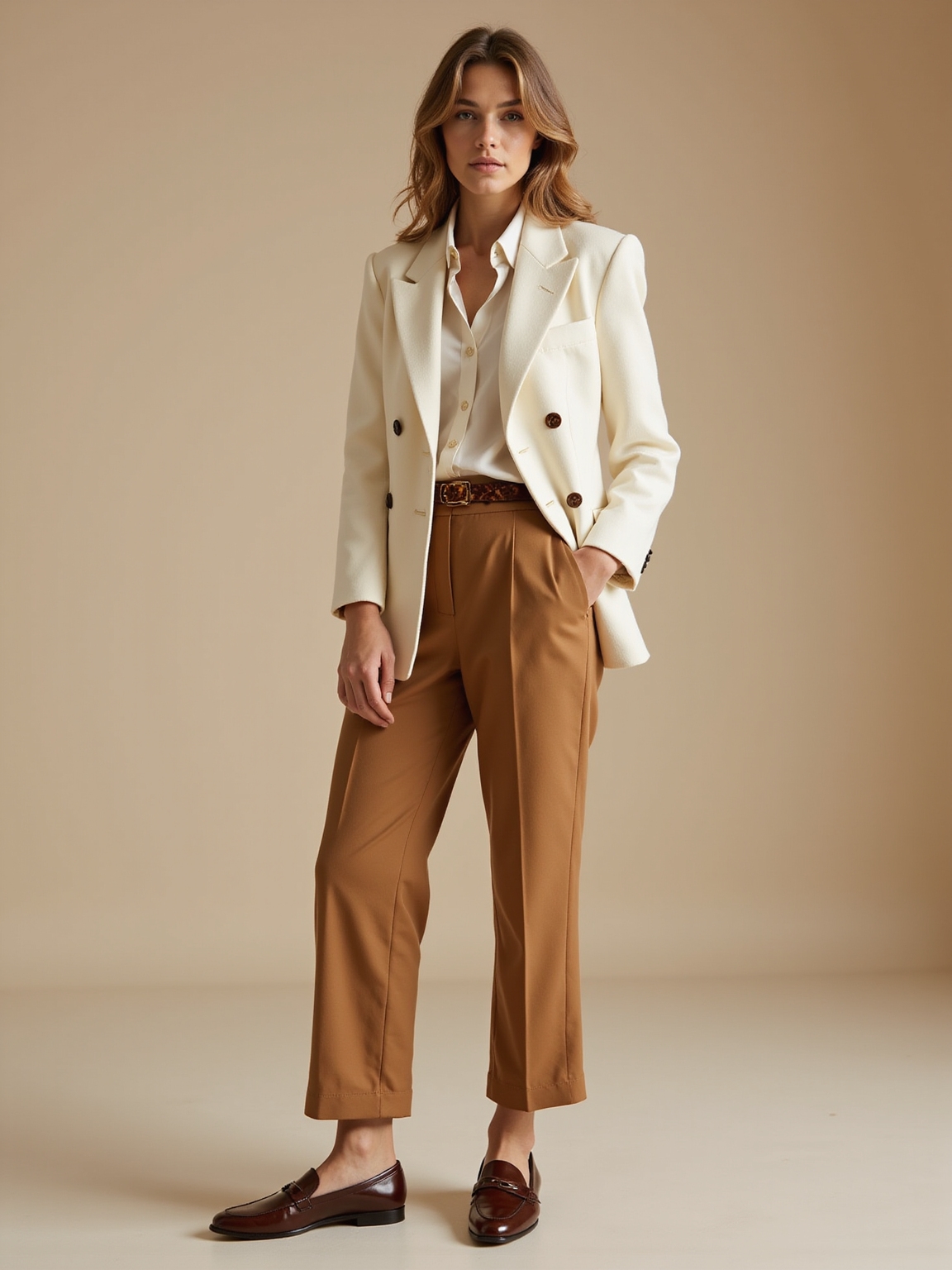
A well-cut blazer is the wardrobe workhorse I’ll reach for again and again, and with a few simple swaps it can carry you through five distinct Old Money looks.
I pair it with a crisp shirt and tailored jeans for casual polish, a silk blouse for evenings, a knit turtleneck for autumn, a midi skirt for ladylike ease, and loafers for effortless authority.
The Effortless Power Suit: Blazer + Tailored Trousers
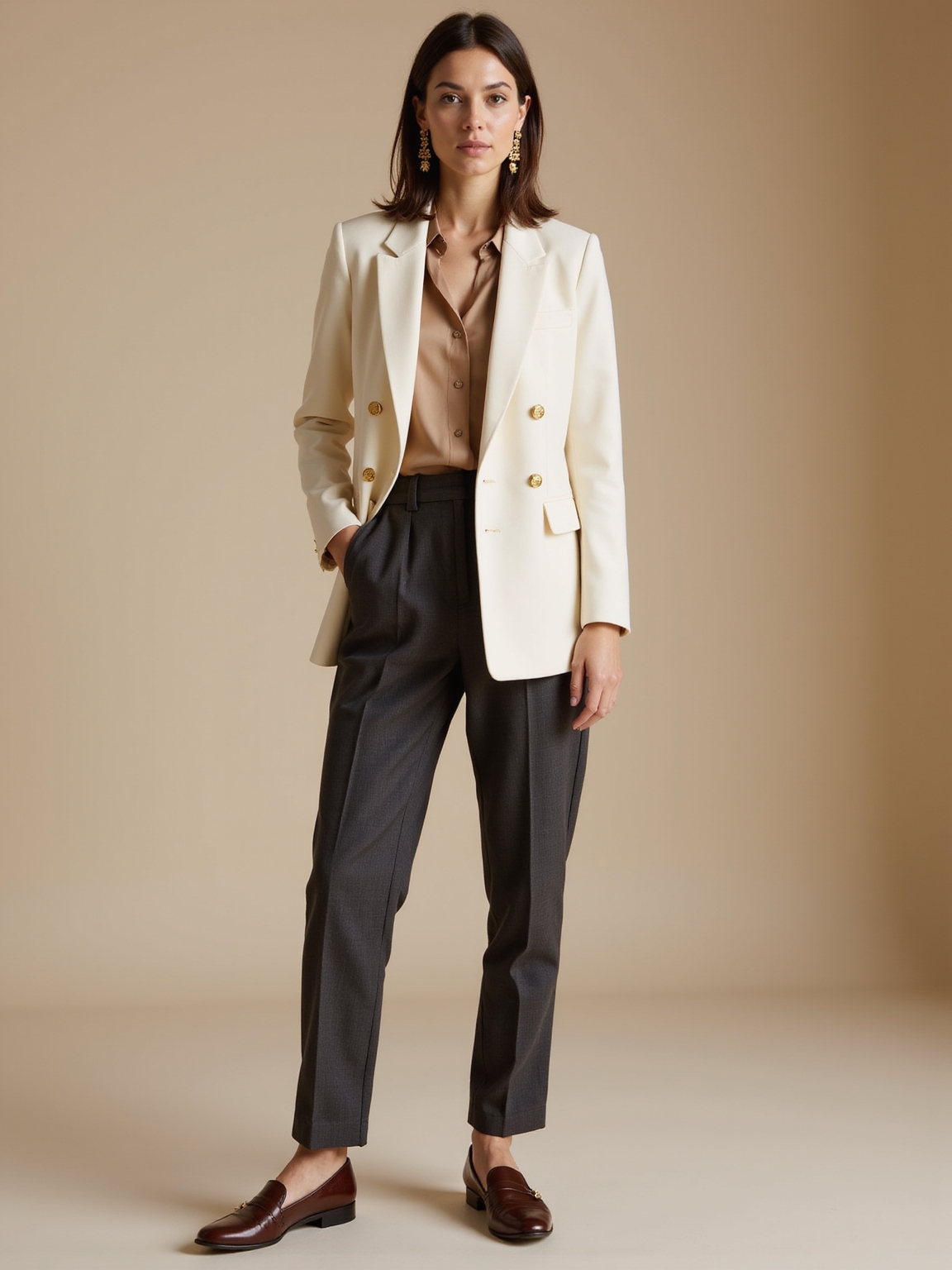
Because a matching blazer and tailored trousers cut a clean, decisive silhouette, I reach for this combo whenever I want to feel put-together with minimal fuss.
I choose neutral wool or lightweight linen depending on season, sharp but soft tailoring, and concise accessories—leather loafers, a slim belt, delicate watch—to convey calm authority without effort, favoring proportion and quality over ornament.
Blazer + Silk Blouse for Polished Meetings
When I wear a well-cut blazer with a silk blouse to a meeting, the fit is everything — it should skim the shoulders and nip the waist without feeling tight.
I pair supremely soft silks in muted colors with clean, unobtrusive jewelry and a single elegant watch to let the fabrics speak. That restrained approach feels right for the season: polished, quiet, and unmistakably composed.
Tailored Fit Essentials
If I’m dressing for a polished meeting, I reach instinctively for a sharply tailored blazer and a silk blouse — the combo reads confident without trying too hard.
I favor clean lines: nipped waist, structured shoulder, sleeves that hit the wrist. A slight taper at the hem flatters trousers or a pencil skirt. In cooler months I layer a thin cashmere crew beneath for warmth and restraint.
Luxurious Fabric Pairings
Having settled on a sharp silhouette, I turn next to the fabrics that make that silhouette sing—pairing a structured blazer with a silk blouse elevates a meeting look without shouting for attention.
I favor muted tones and tactile contrasts: crisp wool against fluid silk, lightweight cashmere blends in cooler months, and breathable silk in spring.
The result feels poised, comfortable, and quietly authoritative.
Accessory Minimalism Rules
Because a polished blazer-and-silk pairing already speaks volumes, I keep accessories spare and deliberate so each piece earns its place.
I choose items that whisper confidence, not shout:
- A slim gold hoop that catches autumn light.
- A mother-of-pearl button or cufflink for quiet luxury.
- A structured leather tote that balances form and function for meetings.
Blazer With Midi Skirts for Refined Femininity
When I pair a tailored blazer with a midi skirt, I’m aiming for a look that feels both polished and quietly feminine—perfect for cooler mornings that still hold a hint of sun.
I choose muted tones, structured shoulders, and soft skirt movement to balance strength and grace. A leather loafer or low heel and a silk scarf finish the ensemble with effortless seasonal ease.
Casual‑Chic: Blazer, Jeans, and Luxe Knits
If I want weekend polish without feeling overdressed, I reach for a soft cashmere or merino knit under a slightly oversized blazer and my favorite straight-leg jeans—it’s the easy balance of structure and comfort.
- Cozy confidence.
- Quiet luxury.
- Effortless seasonal ease.
I pair neutral tones, a slim leather belt, and loafers, choosing textures that read intentional without trying too hard.
Blazers Over Dresses: Instant Structure
Though I love the ease of a sundress, I slip on a tailored blazer to give the look instant structure and a polished edge. It balances softness with formality, sculpts the waist, and tames flouncy hems for in-between days.
I choose breathable fabrics and muted tones so the combination reads effortless yet curated, perfect for brunch, the office, or an autumn stroll.
Three Low‑Key Accessories That Elevate a Blazer
I lean on a few understated pieces to lift a blazer without shouting for attention: a slim leather belt to define the waist, a delicate gold chain that peeks from the lapel, and a silk scarf tied at the neck or looped through a bag handle.
- Belt — cinches, refines silhouette.
- Chain — warms the neckline.
- Scarf — adds seasonal color and motion.
Shoes That Balance Power and Comfort
I reach for timeless loafers when I’m aiming for effortless daywear—their clean lines and leather patina keep a blazer looking composed without sacrificing comfort.
When I want to project authority, a mid-heel boot adds height and a tailored silhouette that reads intentional rather than flashy.
For the season, I mix warm tones and quality materials so both options feel polished and wearable.
Timeless Loafers For Daywear
Often I reach for loafers when I want an outfit that reads as quietly assured, and for daytime wear they strike the perfect balance between authority and ease.
I choose quiet leather, a subtle heel, and neat stitching to convey calm confidence.
- Classic leather
- Soft sole
- Clean lines
They pair effortlessly with blazers and seasonal layers.
Heeled Boots For Authority
Loafers cover daytime ease, but when I want to project a bit more authority—especially as the air cools—I reach for heeled boots that marry power with comfort.
I pick low, block heels and refined leather in chestnut or black, pairing them with tailored blazers and wool trousers.
They lengthen my silhouette, feel steady underfoot, and translate seasonal polish into practical confidence.
Seasonal Blazer Swaps That Keep the Old‑Money Vibe
While the core of an old‑money blazer — clean lines, quality fabric, restrained details — stays the same, I swap pieces each season to keep the look fresh and suited to the weather.
I choose subtle shifts that feel intentional and comforting.
- Lightweight linen blazer for summer ease.
- Wool blazer layered for crisp autumn mornings.
- Cashmere‑blend blazer for winter warmth and polish.
How to Mix Patterns and Textures While Staying Refined
After swapping in lighter linens and cozy cashmere through the seasons, I pay equal attention to how patterns and textures converse without shouting.
I pair a subtle herringbone blazer with a silk blouse and a fine ribbed knit, keeping color muted and scale varied.
A single statement—leather loafers or a pocket square—anchors the look, preserving restraint and quiet confidence.
Workplace Vs Weekend: Five Quick Outfit Swaps
If I need to move from the office to an evening out, I reach for five simple swaps that shift my blazer from strictly professional to effortlessly relaxed without losing polish.
I change one detail at a time to feel confident and seasonal.
- Swap blouse for silk cami.
- Ditch pumps for sleek loafers.
- Add a statement scarf.
Tailoring, Care, and Where to Buy Old‑Money Blazers
Moving from office-ready swaps into how your blazer lives day-to-day, I find fit and upkeep make the difference between a blazer that looks curated and one that looks worn.
I tailor sleeves and shoulders for clean lines, steam gently, and rotate fabrics by season.
Invest in classic brands, vintage finds, and a trusted tailor—small care rituals extend style and confidence year after year.
I promise you — one old‑money blazer really does feel like a tiny coronation every time you put it on. It quietly says “I’ve got my life together” even on laundry days, turns jeans into a strategy session, and makes you walk straighter without an actual posture coach.
Choose fit, fabric, and a few smart swaps, and you’ll have a wardrobe that’s calm, capable, and stylish through every season — honestly, it’s borderline magical.