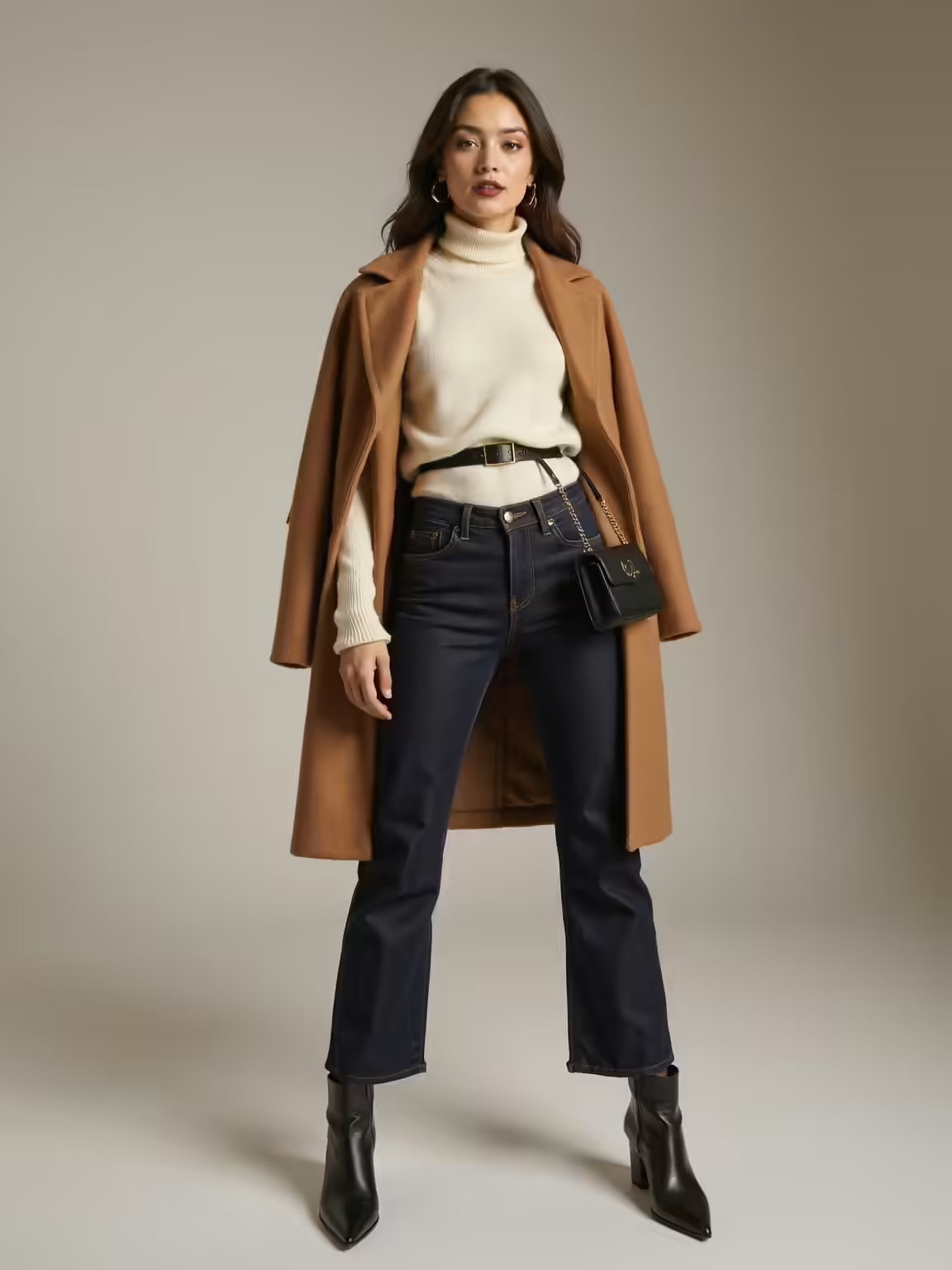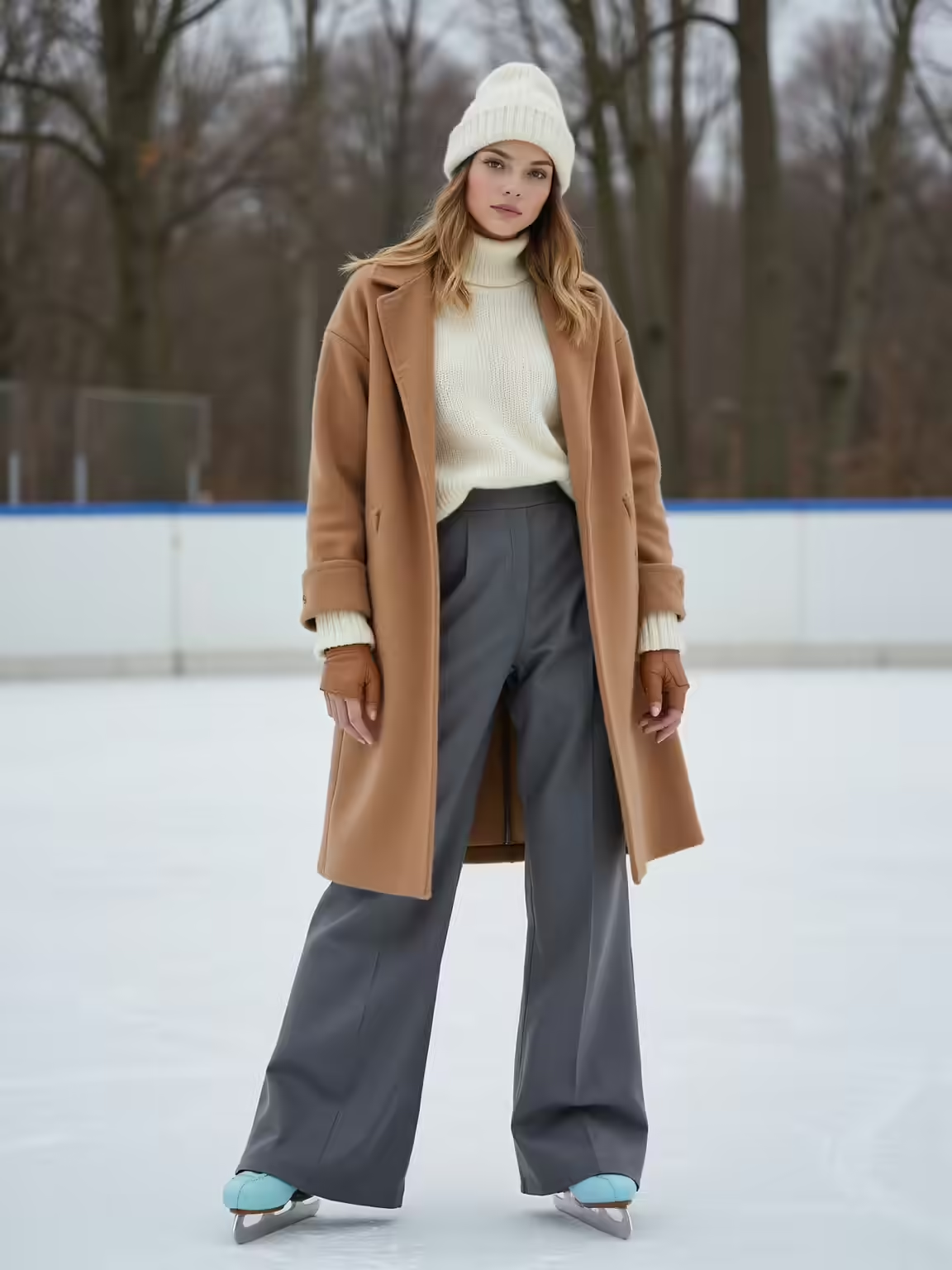

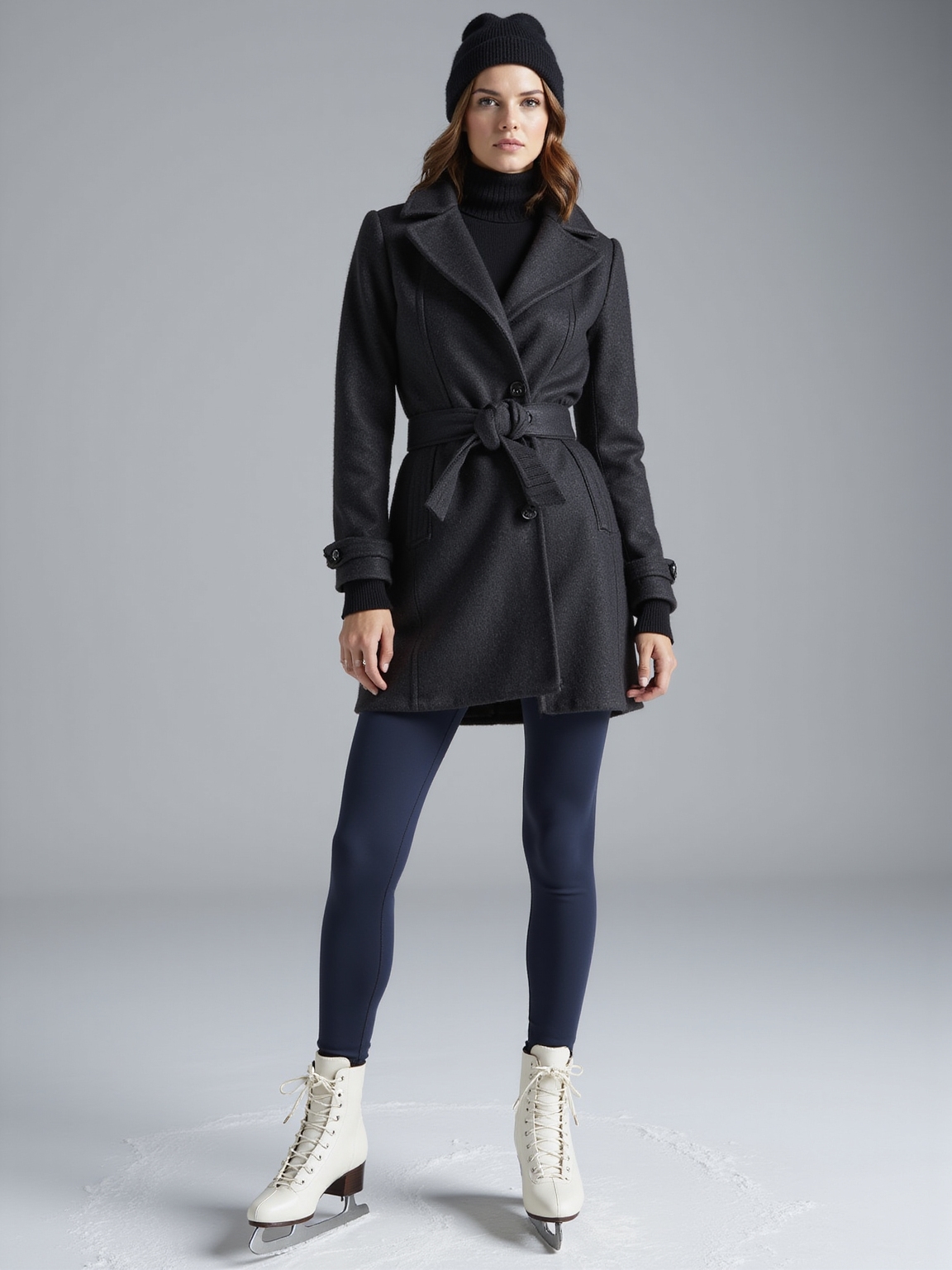
I layer a snug merino base that breathes against my skin, add a thin stretch midlayer for warmth without bulk, and finish with a whisper-quiet windproof shell that vents where I heat up.
Slim insulated tights, grippy gloves with a merino liner, and seamless-toe socks keep comfort and control, while a compact down vest and hand warmers tuck into my skate bag for quick warmth boosts. Stick with that formula and I’ll show you precise combos and tweaks.
Quick Outfit Recipes for Cold Skating
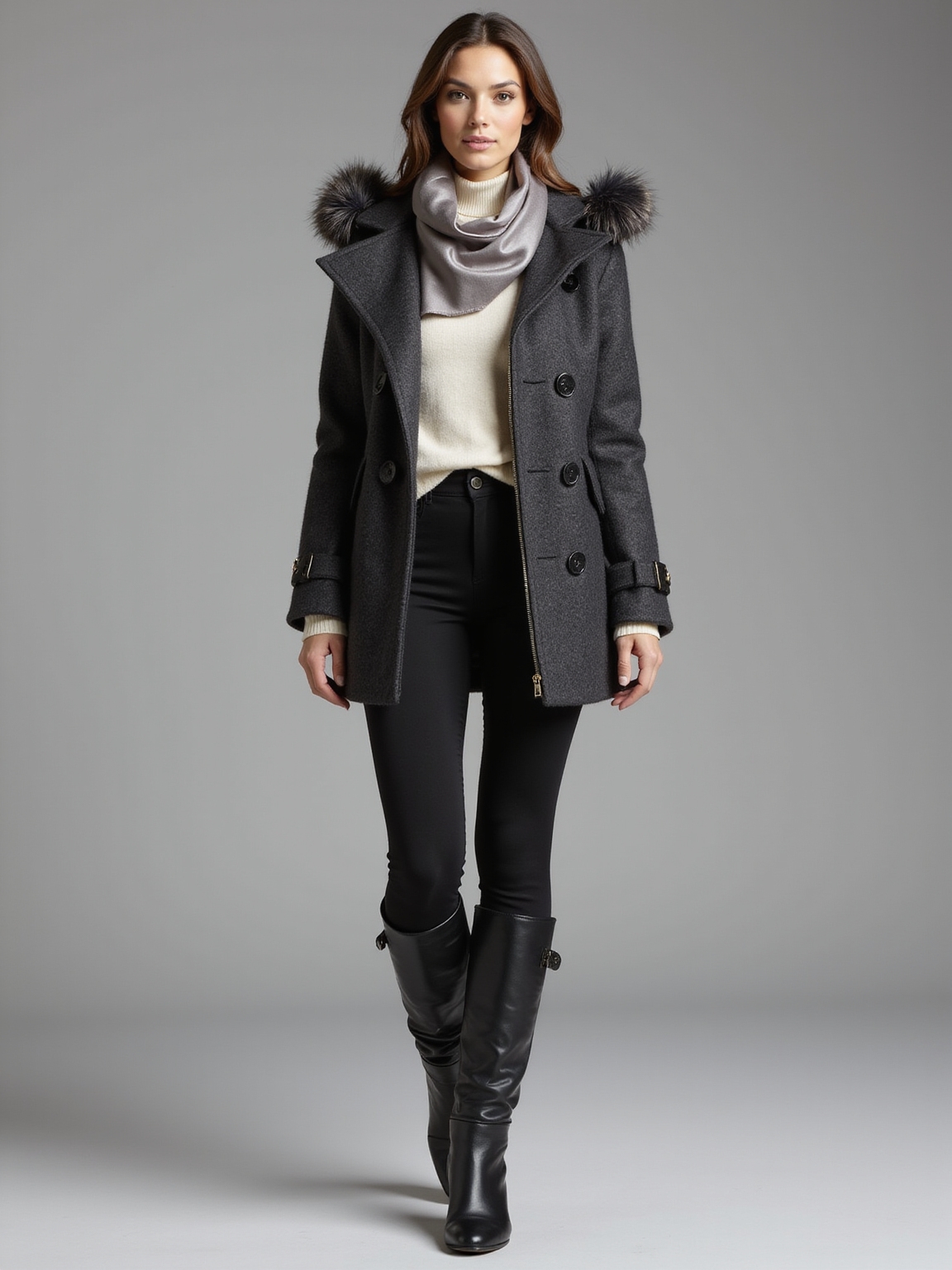
When I’m dressing for a chilly skate, I start with a slim, insulating base layer that breathes and moves with me, then add a wool midlayer for warmth and a windproof shell to block gusts—each piece chosen so I can shed or reapply as the rink (or my pace) changes.
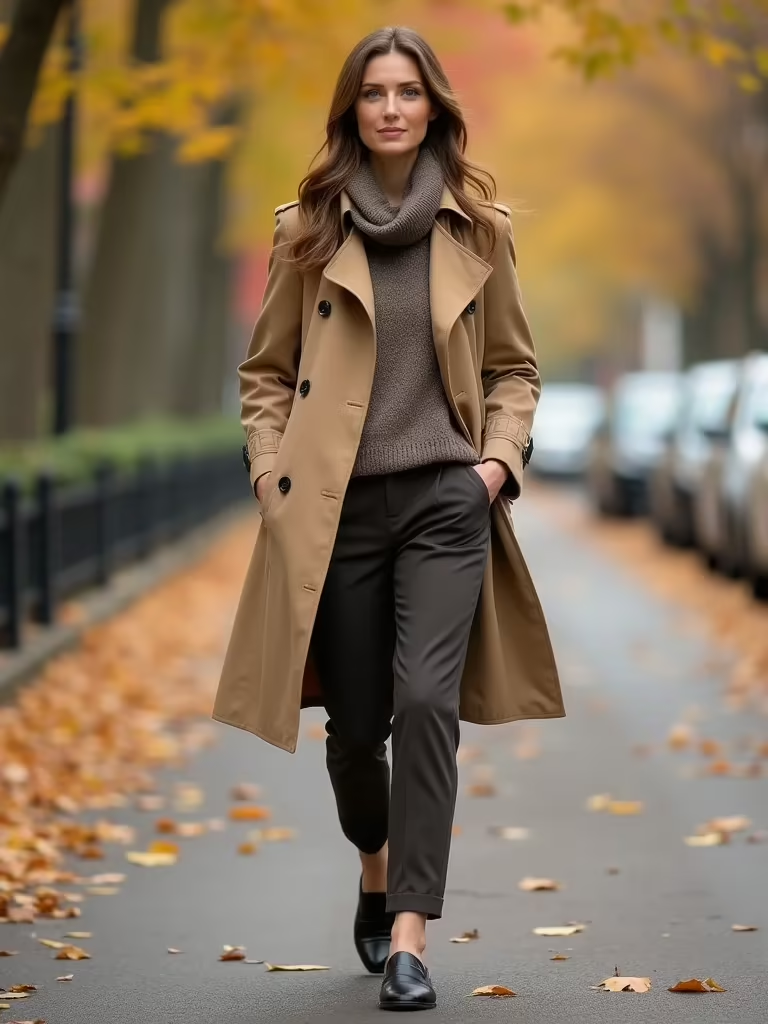
I pair tapered pants, wool socks, leather gloves, and a snug beanie for crisp, tactile comfort.
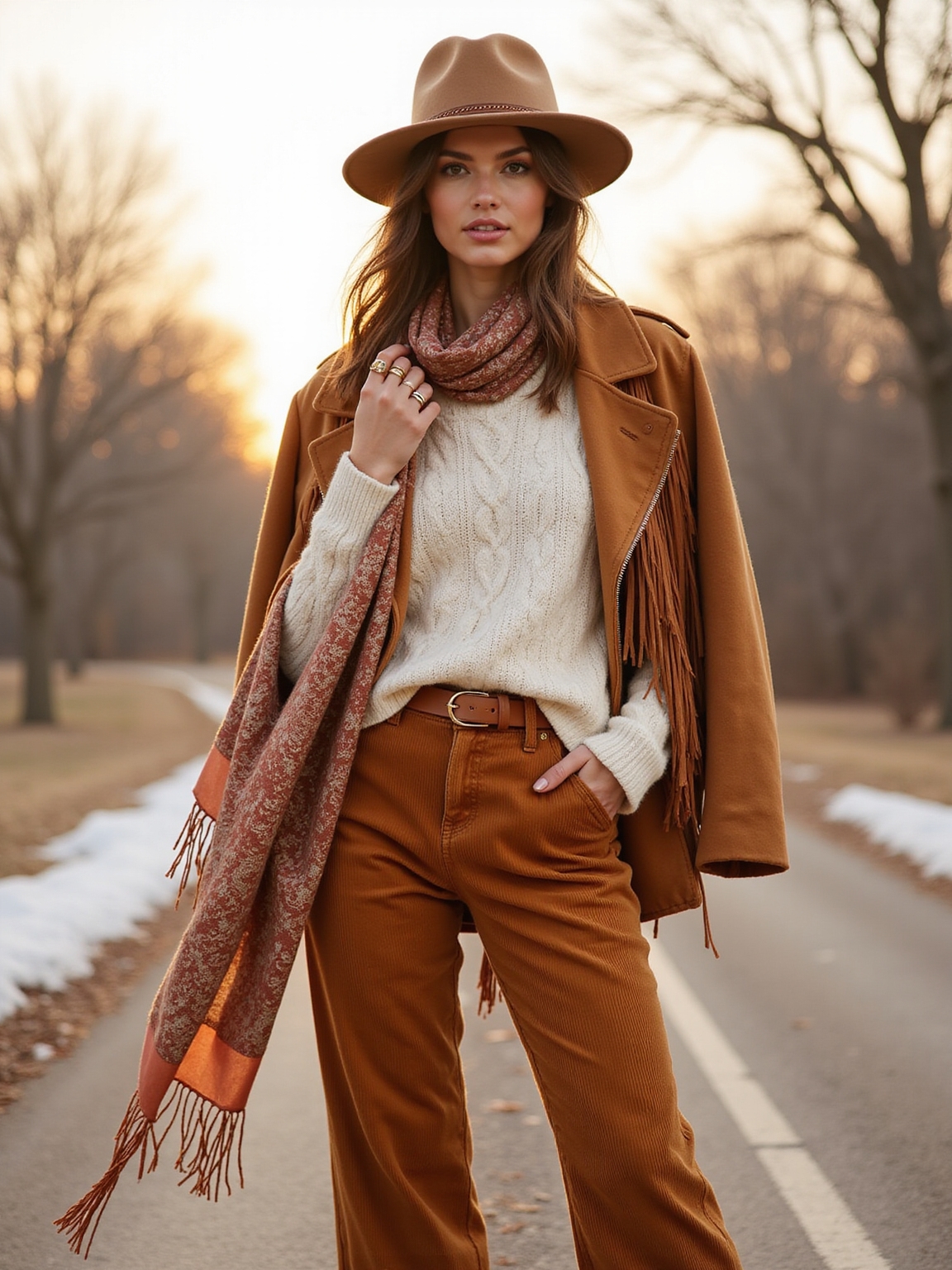
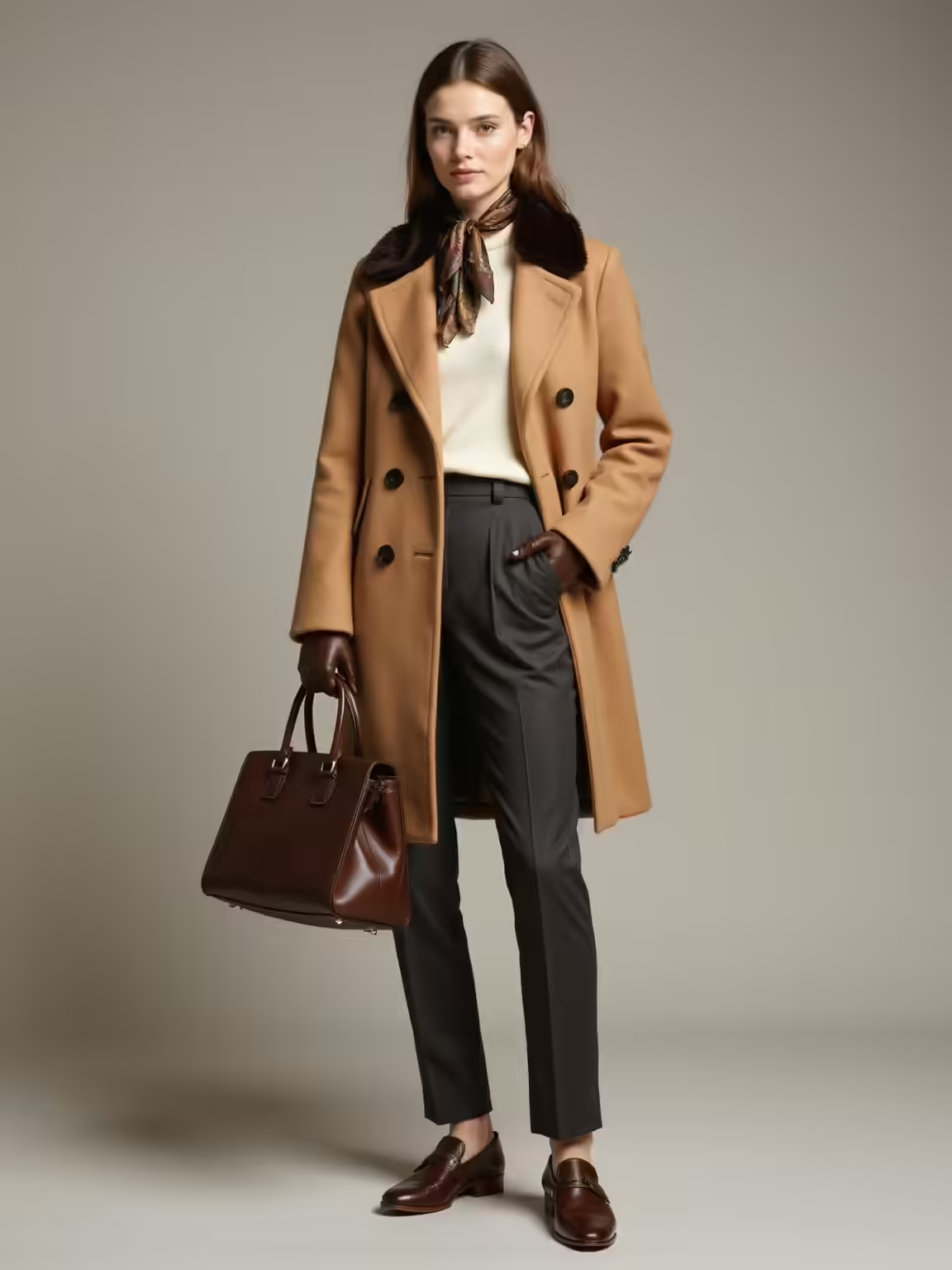
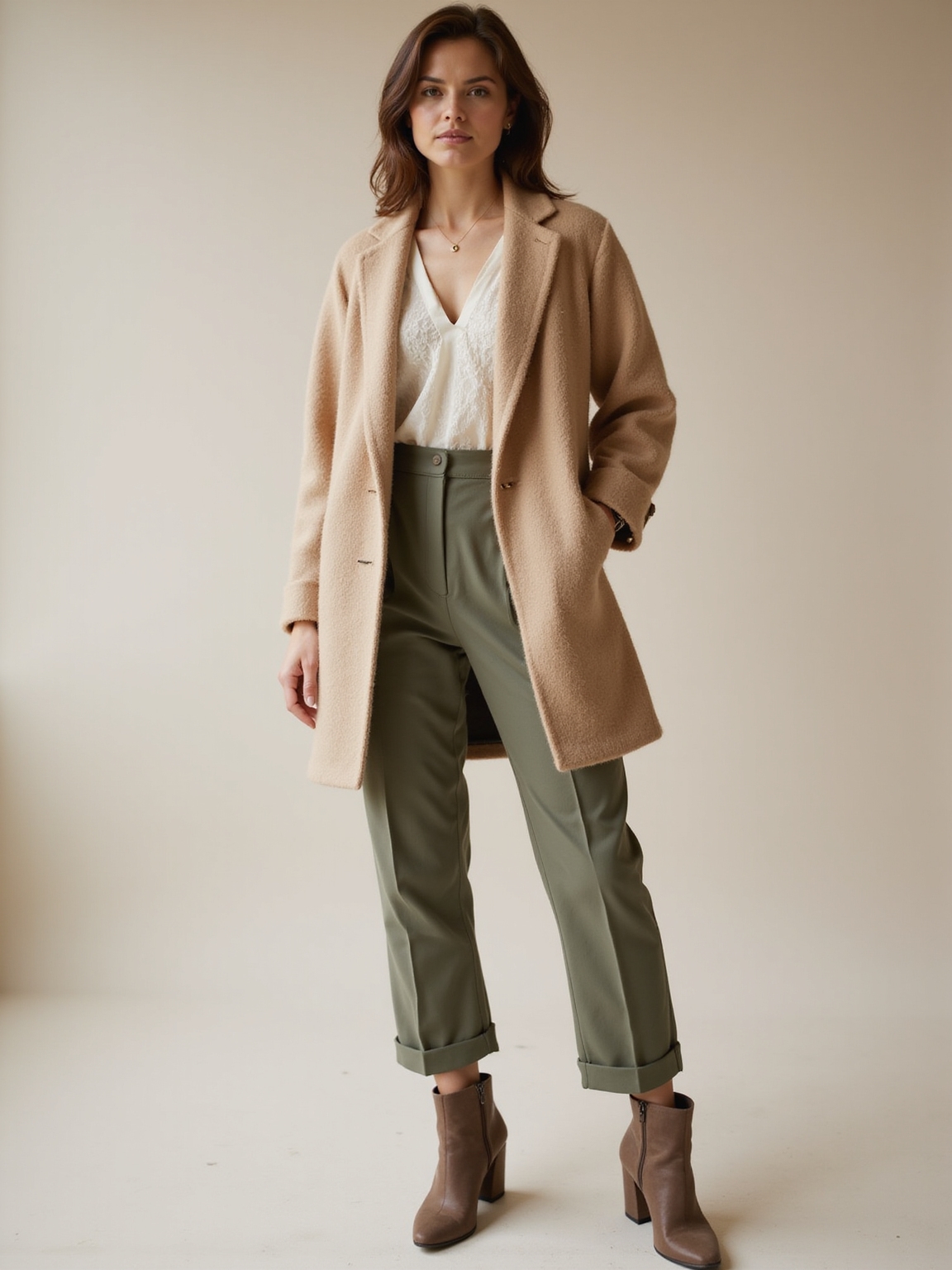
I also lean on effortless casual styling cues from Effortless Casual outfits to keep looks simple and functional.
Core Principles: Warm, Flexible, Weatherproof
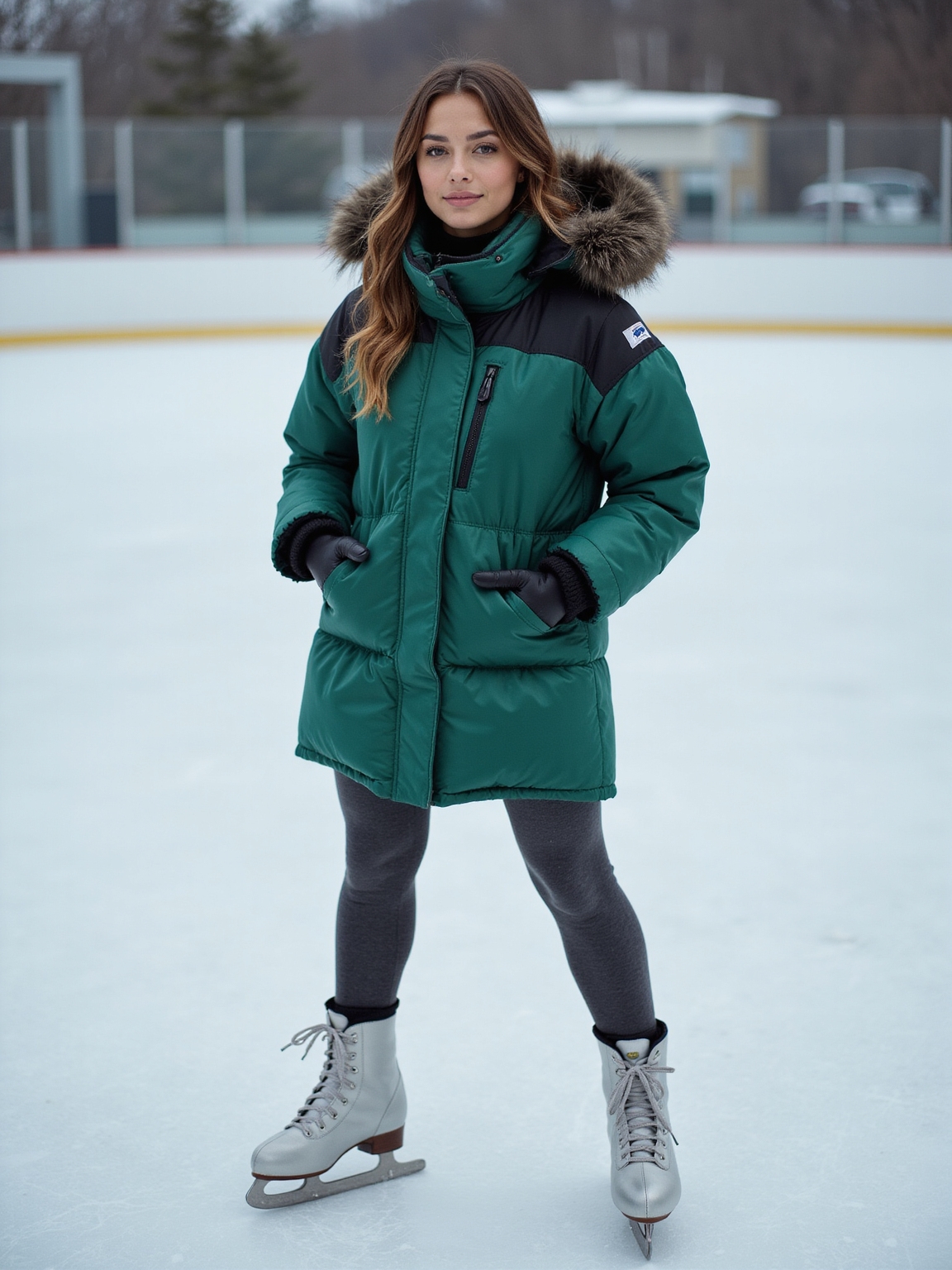
When I dress for the ice I think in layers that move with me—slick base layers, a stretchy midlayer, and room at the hips for crossover strides.
I want fabrics that breathe and stretch so I don’t feel boxed in when I spin or lunge.
Over everything I’ll reach for a weatherproof shell that blocks wind and light snow without deadening the fabric’s give.
This approach keeps looks polished while staying practical for winter ice skating.
Layering For Movement
I tune my layers like a musician adjusts strings: snug where I need warmth, loose where I need stretch, and sealed against wind and damp.
I pick buttery merino next to skin, a springy midlayer that breathes and rebounds with each stride, and lightweight insulated panels that cushion hips and thighs.
Movement feels effortless, warmth lingering without bulk.
Many winter-ready skating outfits are designed to hold shape while staying warm.
Weatherproof Outer Shell
Because the outer shell is what meets wind, snow, and the occasional disgruntled spray from a jump, I choose it like a shield that still knows how to move — warm where my core needs protection, cut to follow my hips and shoulders, and sealed against damp without sounding like plastic.
Light insulation, articulated seams, and matte, whisper-quiet fabrics keep me dry, unencumbered, and quietly confident.
This approach creates classy ice skating outfits that feel polished without overdoing it.
Base Layers for Skating: Thermal Fabrics and Fit
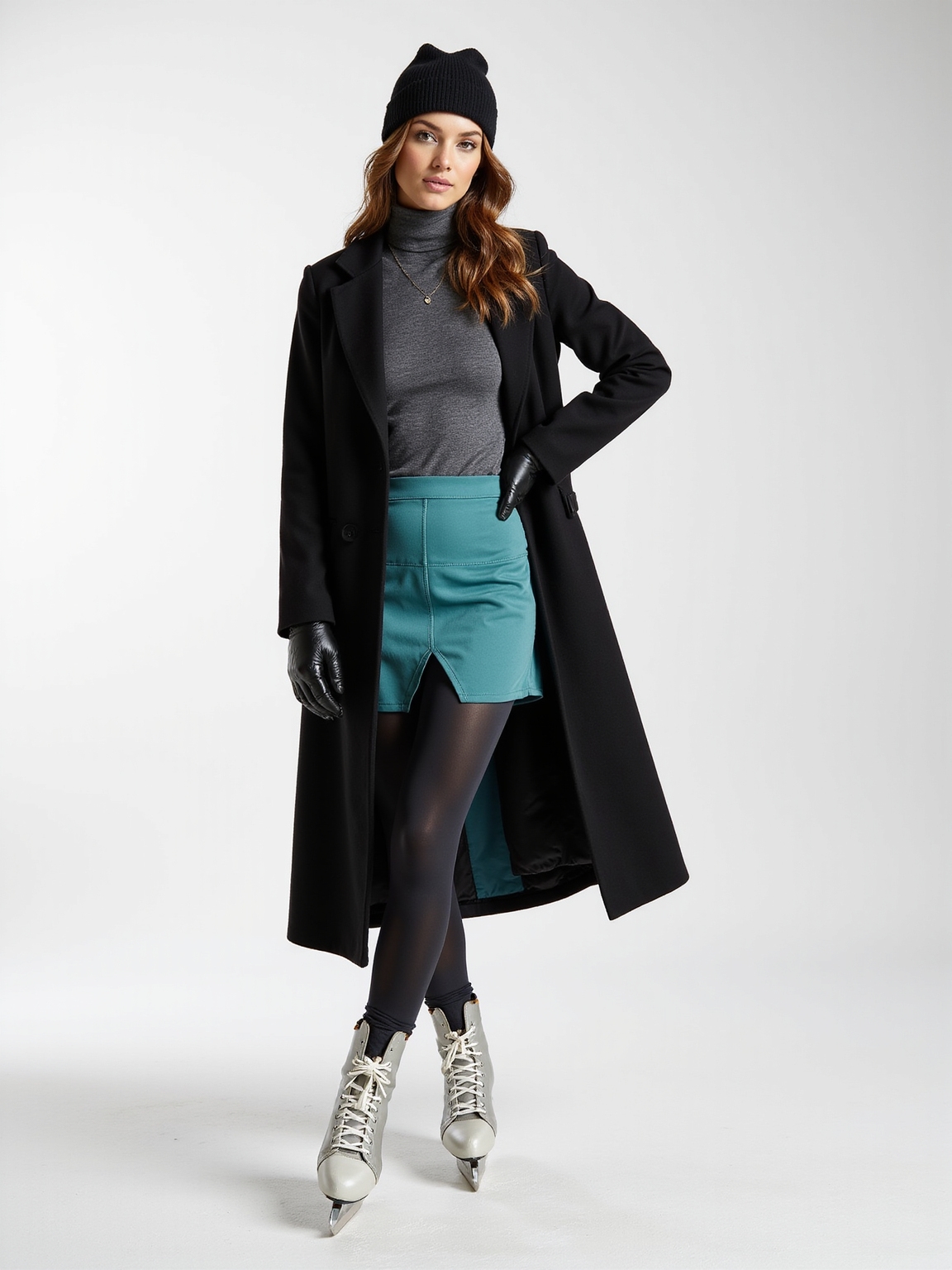
Although the rink air bites at my cheeks, I start every session with a thought-out base layer—it’s the quiet foundation that keeps movement effortless and warmth balanced.
I choose snug, breathable pieces that wick and contour without bulk.
- Merino or synthetic blend
- Flat seams for frictionless glide
- Slight compression for muscle support
- Quick-dry, low-odor comfort
Layering effectively also means choosing fabrics with proven thermal properties to trap heat without overheating.
Mid Layers: Stretch + Insulation Under Your Jacket
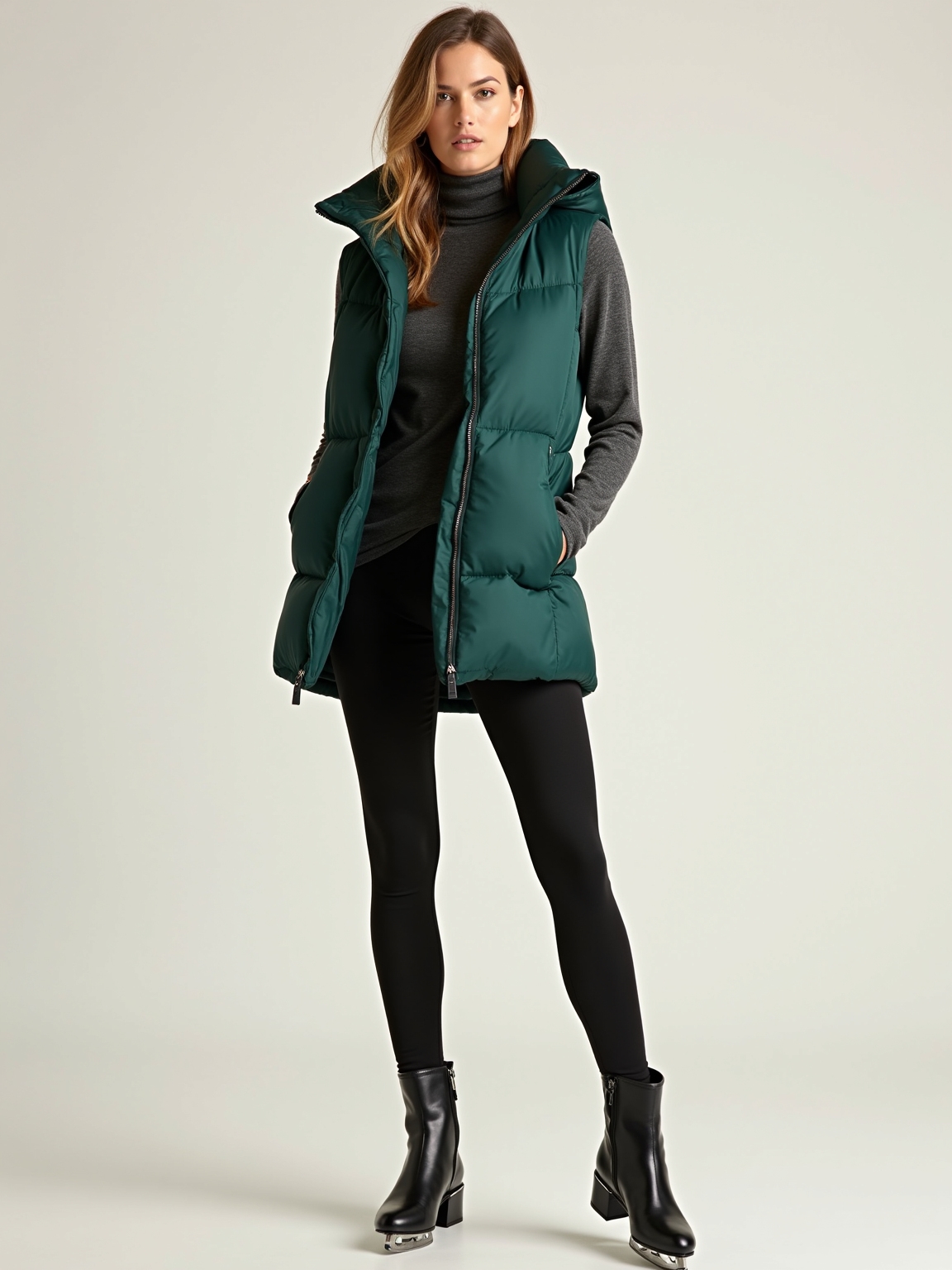
When the temperature drops but I still want freedom to move, I layer a midpiece that marries stretch with just enough insulation—think lightweight fleece or a technical knit that hugs without pinching.
I love the soft nap against my skin, the quiet give as I spiral, and the way trapped warmth blooms without bulk. It breathes, moves, and keeps edges crisp.
I often pair it with playful accessories to keep the look cozy and fun, like patterned tights or a pom-pom beanie for extra personality and warmth cozy and playful.
Outer Layers: Insulated, Windproof Skating Jackets
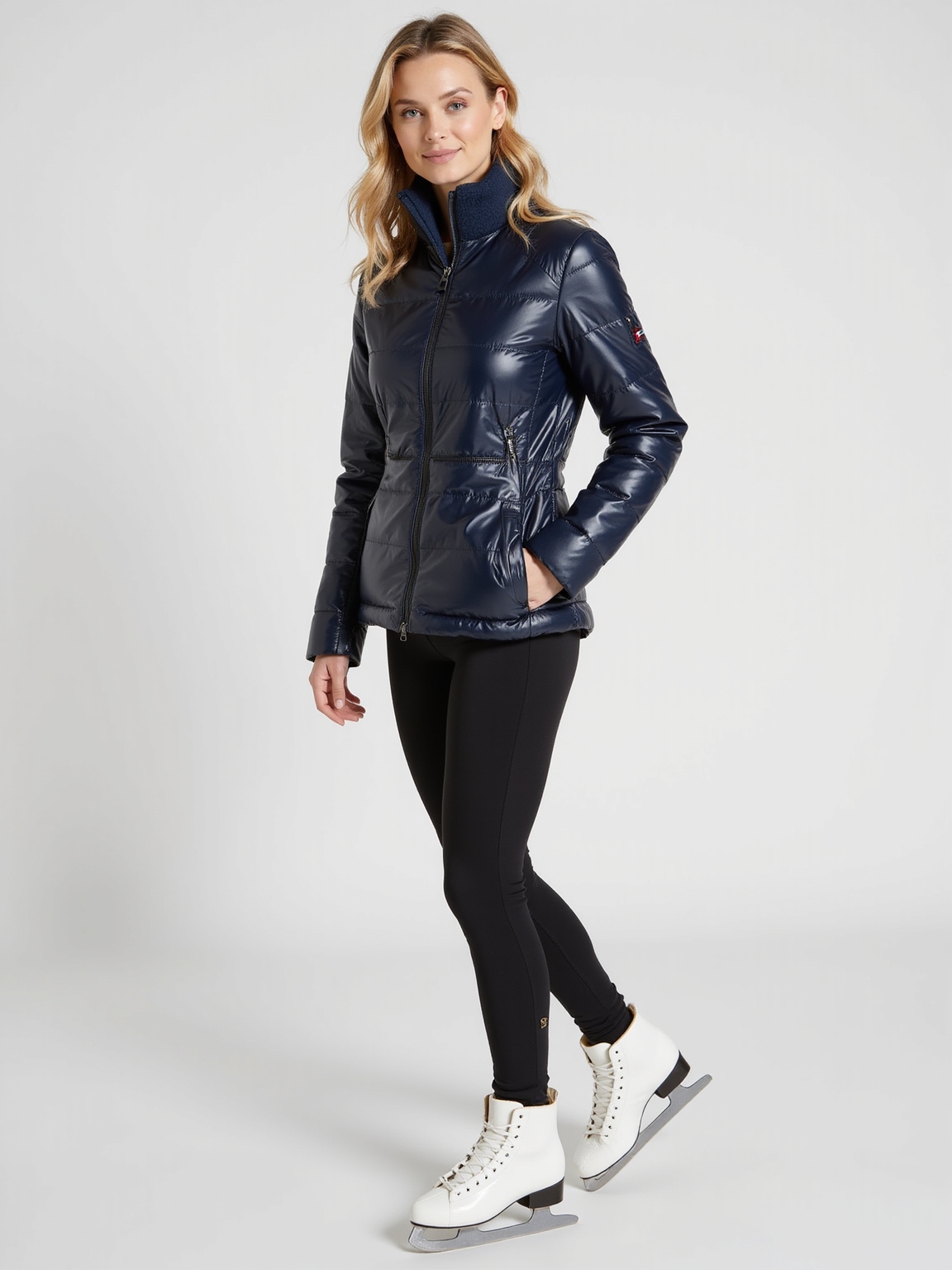
Bracing against the wind, I reach for a jacket that locks warmth in and keeps chill out without feeling like armor.
I want sleek insulation, a whisper-quiet shell, and seam-sealed windproofing that still moves with me.
Consider:
- Lightweight down or synthetic
- Articulated shoulders
- Adjustable hem and hood
- Breathable vents
The texture should hug warmth, not weight.
Lightweight options like down or synthetic offer high warmth-to-weight ratios and compressibility for easy packing.
Skating Pants & Tights: Warmth, Stretch, Traction
If I want to glide without distraction, my legs need a balance of heat, give, and grip that feels almost invisible—warmth that doesn’t bulk, stretch that follows every cross-cut, and traction where my boots meet the ice.
I choose slim insulated tights with brushed interiors, panels that track motion, and subtle rubberized cuffs. They hug, move, and reassure without noise, keeping edges confident and skin comfortably warm.
For styling that stays practical on and off the rink, I lean toward pieces that read as chic and cozy in everyday settings.
Gloves & Wrist Protection: Warmth Without Losing Grip
I always reach for insulated grip gloves that keep my fingers toasty without turning the palms into slippery mitts.
When I skate hard I tuck slim wrist guards under a snug glove cuff so protection feels like a second skin rather than a bulky afterthought.
And I layer thin liners beneath thicker gloves when I need fingertip dexterity for laces or phone screens while still holding warmth.
Insulated Grip Gloves
Feel the difference when you slip on insulated grip gloves—the soft, padded lining warms your hands without smothering the tactile feedback you need on the ice.
I love how textured palms kiss the skate blade and fingers stay nimble.
- Thin insulation
- Silicone grip
- Breathable shell
- Snug cuff
Wrist Guards Integration
Slip on a pair of integrated wrist-guard gloves and you’ll notice how warmth and support can coexist without clumsy bulk; I like that the reinforced splint tucks beneath a slim, insulated shell so my wrist feels secure but my fingers still find the blade.
The fabric breathes, leather palm offers crisp contact, and a faint fleece scent reminds me of cold air and steady, confident edges.
Layering For Dexterity
Balance matters most when I layer for dexterity on the ice: I want fingers nimble for lace tweaks and strong edges, but palms and wrists warm and protected without that bulky, clumsy feeling.
I choose slim liners, padded wrist guards, and tactile palms. My routine:
- Thin merino liner
- Grip-enhanced glove
- Low-profile wrist guard
- Windproof shell glove
Each layer breathes, contours, and keeps touch.
Head & Neck Warmth That Fits Helmets
When I’m tucking a thin merino neck gaiter under my helmet, I notice how a little fabric can cut the wind without muffling the world — the fleece side warms my jaw, while the knit lets breath escape in soft puffs.
I pair a low-profile balaclava or skull cap that hugs ears, smooth seams under straps, and a lightweight insulated headband for extra warmth without bulk.
Socks, Boot Liners & Preventing Cold Feet
I always start with a slim, layered thermal sock against the skin and a thicker wool or synthetic outer sock so my toes stay dry and warm without feeling cramped.
If the rink’s chill still nips at my feet, a removable insulated boot liner adds a pillowy barrier and traps heat around the arch.
Let me show you how those two simple layers can transform fit and comfort so you can focus on the glide, not numb toes.
Layered Thermal Socks
Keeping my feet warm on the ice starts with layered thermal socks, and I’ve learned that the right combo can change the whole skating experience.
I favor thin moisture-wicking liners under cushioned merino pairs for warmth without bulk. Tips I follow:
- Thin base layer
- Merino mid layer
- Seamless toe design
- Slightly snug fit for circulation and feel
Insulated Boot Liners
After nailing the right sock combo, I reach for insulated boot liners to lock in that warmth and shave off the cold that sneaks in around the edges of my skates.
They mold softly, a brushed fleece whisper against my ankles, trimming drafts and adding buoyant cushion.
I notice steadier balance and a steady, cozy heat that keeps focus on glide, not numbness.
Layer Combos by Activity: Rink Date, Laps, Coaching
When I’m planning outfits by activity, I think about how each layer needs to work with movement, temperature changes, and the vibe I want to give off.
I pick pieces that feel tactile and effortless for each moment:
- Rink date: soft cashmere scarf, fitted coat.
- Laps: slim puffer, stretch leggings.
- Coaching: durable shell, warm mitts.
- Transit: compact down, cozy hat.
Breathable Fabrics: Manage Sweat & Temperature
How do I stop feeling clammy half an hour into a set? I pick merino baselayers and lightweight synthetics that breathe where heat builds — back, chest, underarms.
They whisk moisture, smell fresher, and dry against the skin so layers glide, not stick. I favor mesh panels and ventilated zips; the fabric’s subtle texture and quiet stretch keep movement effortless and temperature steady.
Weather Tweaks: Wind, Wet Snow, Extreme Cold
If a gust curls up the rink or snowflakes start coming down soggy and heavy, I tweak my kit so the weather feels like part of the show, not an interruption.
I choose layers and surfaces that breathe but deflect. I rely on:
- Windproof shell
- Water-shedding outer
- Insulating midlayer
- Tactile gloves and grippy boots
Textures, hush, and sure footing matter.
Portable Clothing Extras: Hand Warmers & Spare Layers
After I’ve layered for wind and wet, I tuck a small kit into my skate bag that makes cold hands and surprise chills feel manageable rather than memorable.
I pop soft hand warmers into gloves, tuck a slim merino spare layer and thin down vest for sit-down breaks, and keep a lightweight scarf—its wool scent and gentle weight are comfort when cold nips the edges of focus.
Packing Checklist & Quick Outfit Swaps
Because the rink can turn from toasty to biting in minutes, I pack with swaps in mind: a streamlined checklist fits into a slim pouch so I can trade layers without hunting through the whole bag.
I tuck essentials that smell faintly of cedar and wool:
- Thin merino base
- Lightweight down vest
- Wool gloves
- Spare socks
Quick changes feel deliberate, cozy, efficient.
Where to Spend and Where to Save: Budget vs Premium
When I strip my kit down to essentials, I decide early which pieces deserve splurging on and which I’ll happily replace when they wear out.
I invest in a glossy, insulating coat and supportive skates — tactile warmth, smooth blades — then save on colorful beanies, patterned leggings, and disposable liners. That balance keeps me warm, elegant, and practical without excess.
I’m glad you made it this far — dressing for cold skating is part science, part ritual, and fully worth the cozy reward.
Layer smartly: snug thermals, a stretchy insulated midlayer, and a windproof jacket that moves with you. Don’t forget waterproof gloves and hand warmers; they’re tiny miracles against biting wind. Swap pieces based on conditions, and invest where fit and function matter most.
You’ll glide warmer, freer, and very stylishly — like a comet in cashmere.