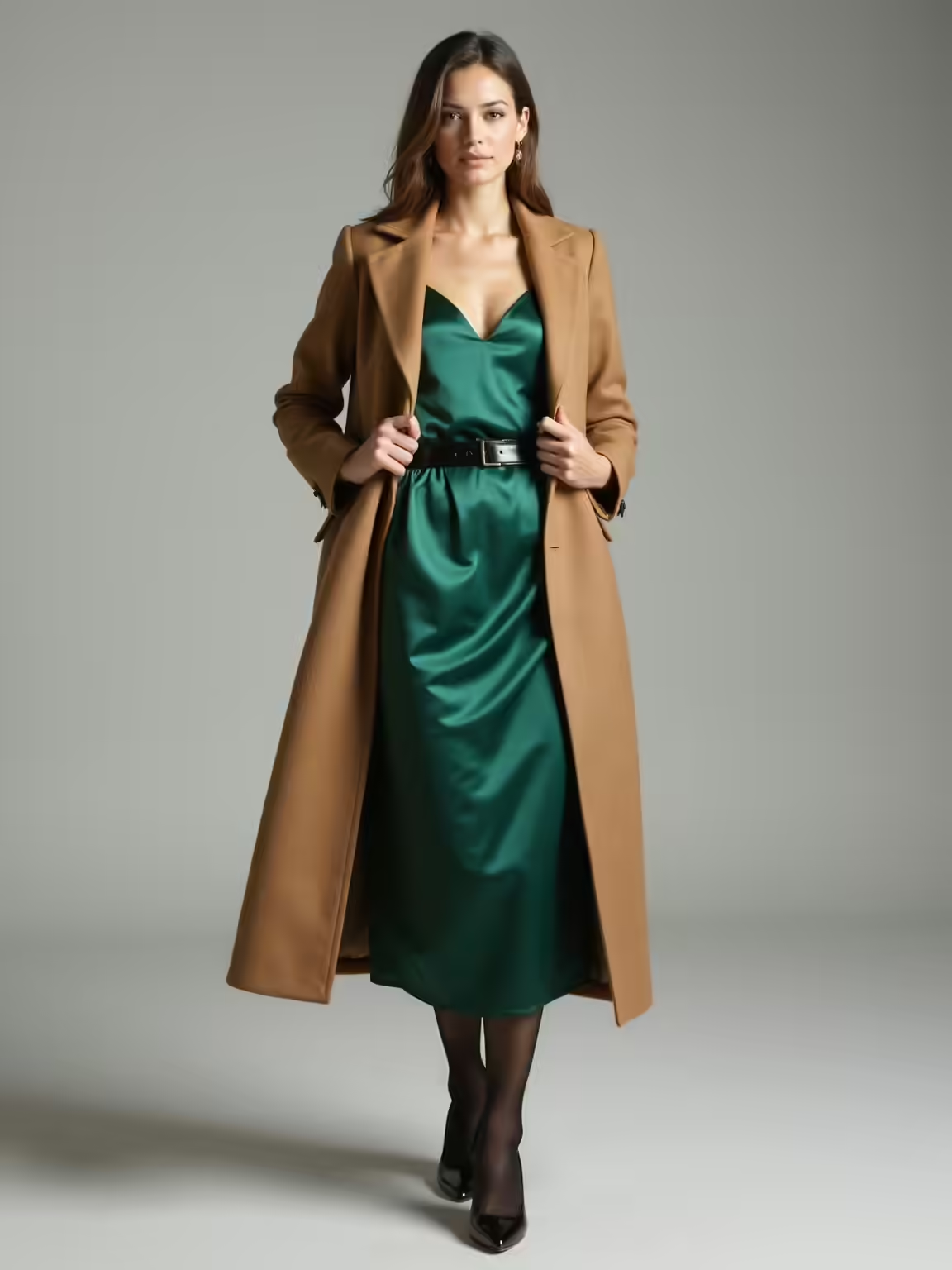

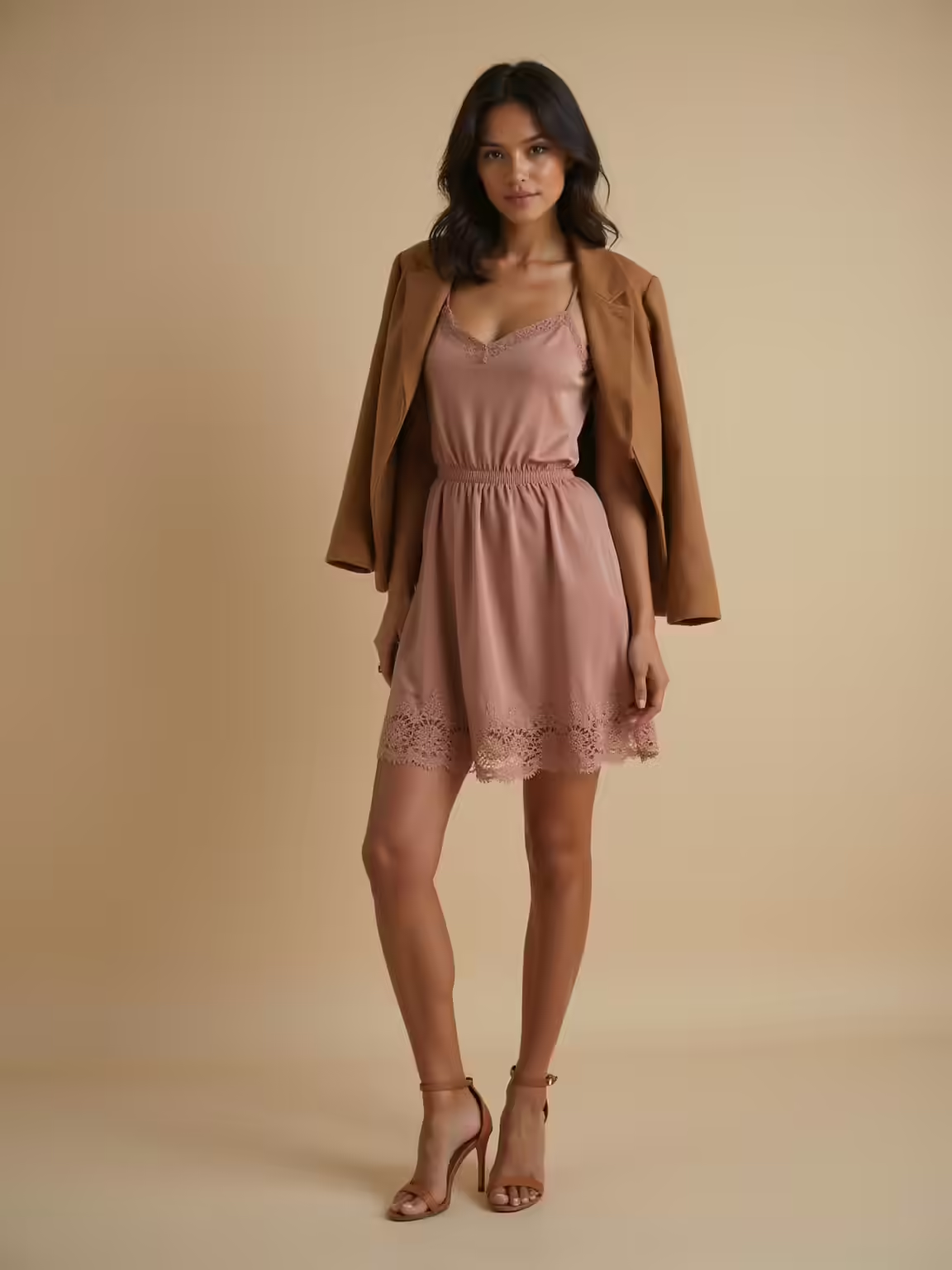
I hunt thrift racks for timeless pieces: lived‑in denim, slip dresses, high‑waist trousers, and structured blazers that layer like a dream. I scan seams, linings, and shoulder lines fast to read era and fit.
I favor wool, silk, and sturdy denim, and I’ll nab bold‑collared 60s shifts, 70s prairie blouses, or an 80s boxy blazer if the construction’s honest. These staples mix with modern basics effortlessly — keep going and I’ll show how to spot winners and mendables.
Quick Thrift Checklist: What to Spot in 60 Seconds
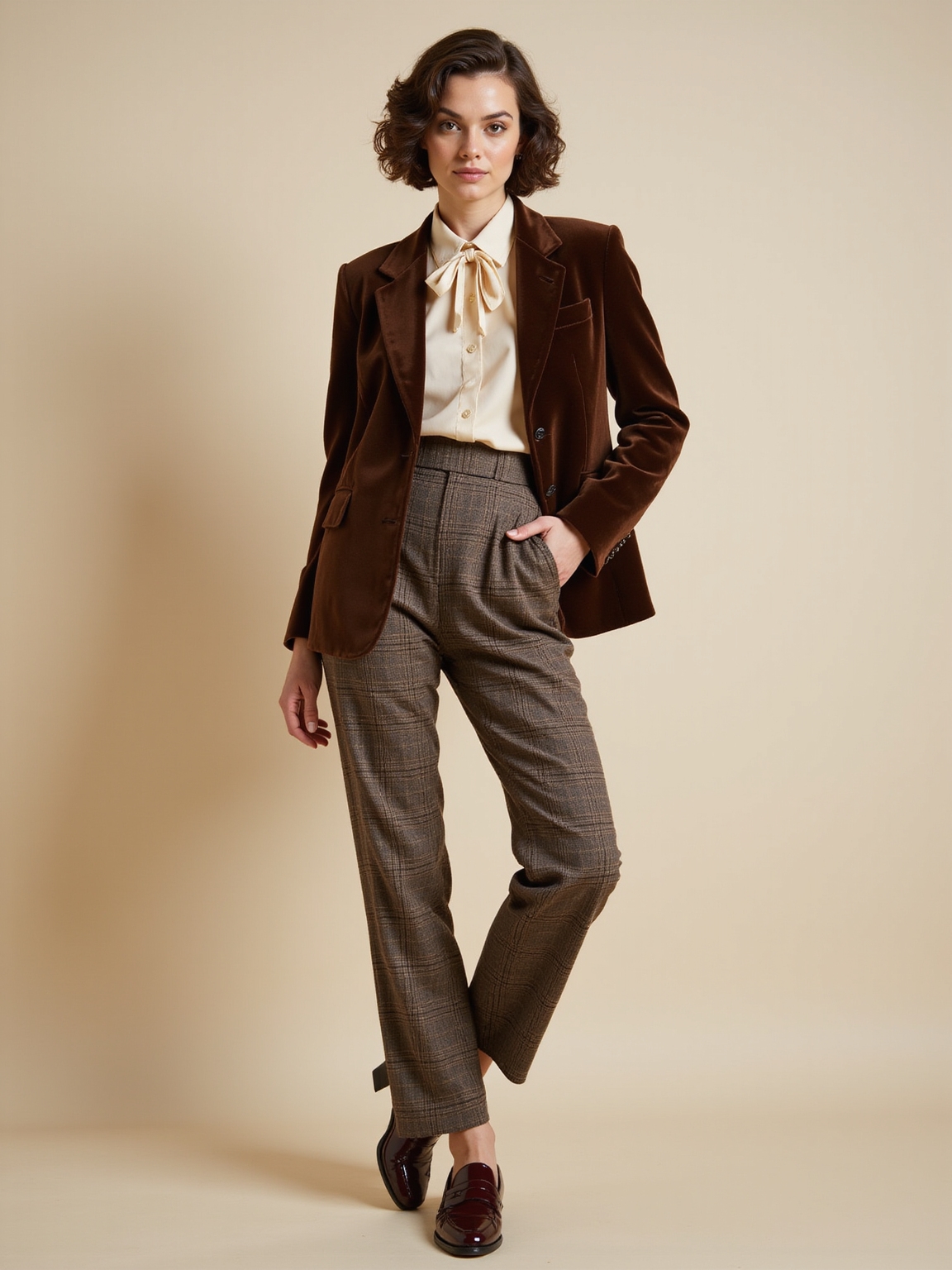
I usually scan a rack in about a minute, so I focus on a few fast tells: seams and lining for repairs, fabric weight and drape to judge seasonality, buttons and hardware for originality, and obvious stains or moth holes.
I check pockets, collars, and hems for wear, sniff for mustiness, feel fabric for softness, and note labels to estimate era and care.
I also consider how pieces layer for transitional weather, favoring items with fabric weight that work from summer into fall.
Read Vintage Silhouettes Fast: Key Shapes and Proportions
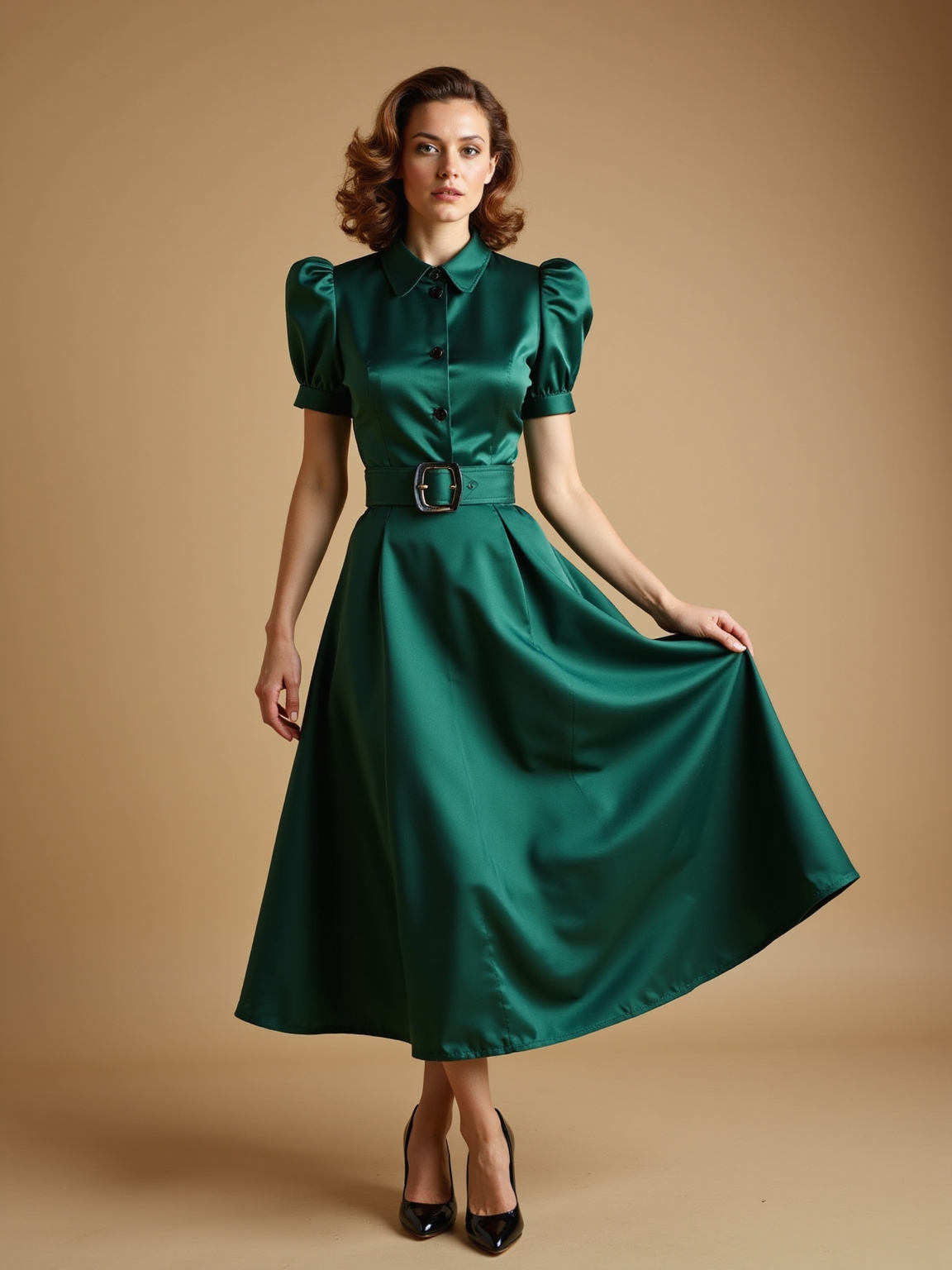
After that quick rack scan, I shift to silhouette — it’s the fastest way to place a piece in time.
I read shoulder lines, waist drops, and hem lengths: soft blouses with gentle blouson sleeves, cropped jackets with straight cuts, A-line skirts that swing, and column dresses that elongate.
Noting proportion tells me era and wearability before I try anything on.
Y2K trends also sneak in with low-rise waistlines and shiny fabrics that catch the eye, so I keep an eye out for nostalgic details when scanning racks.
1940s–1950s Staples: High-Waist Trousers, Swing Skirts, Boxy Blazers
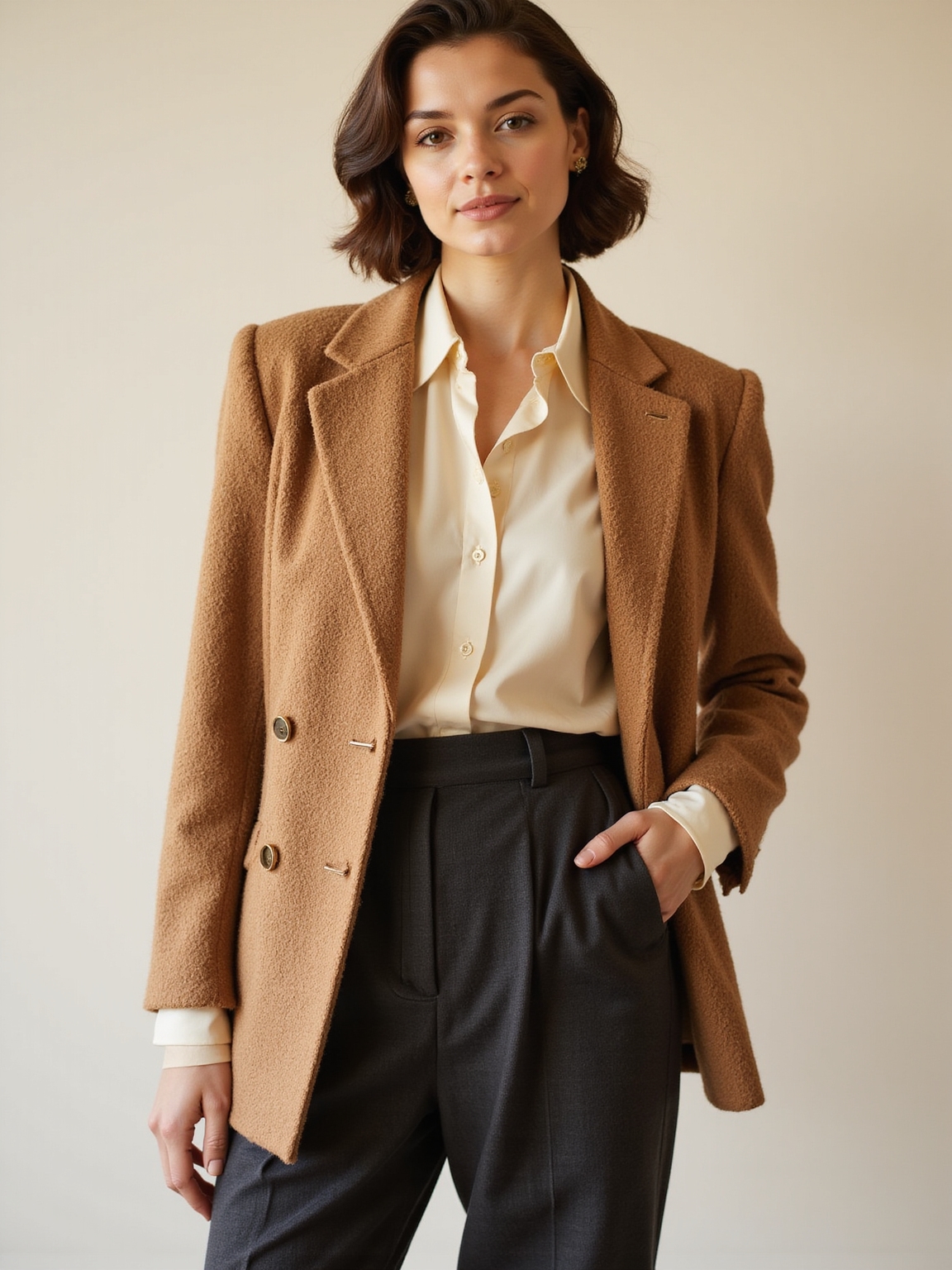
When I scan a rack and spot high-waist trousers, swing skirts, and boxy blazers grouped together, I know I’m looking at the backbone of 0s–1950s dressing: pieces that play with waistlines and volume to create flattering, functional looks.
I hunt for sturdy waists, full skirt hems, and shoulder lines that layer easily; they translate across seasons—wool for winter, cotton and linen for spring and fall.
Old Money women often favor timeless silhouettes and quality fabrics, so I prioritize sourcing pieces that reflect heritage tailoring and lasting construction.
1960s Mod Finds: A-Line Dresses, Shift Coats, Bold Collars
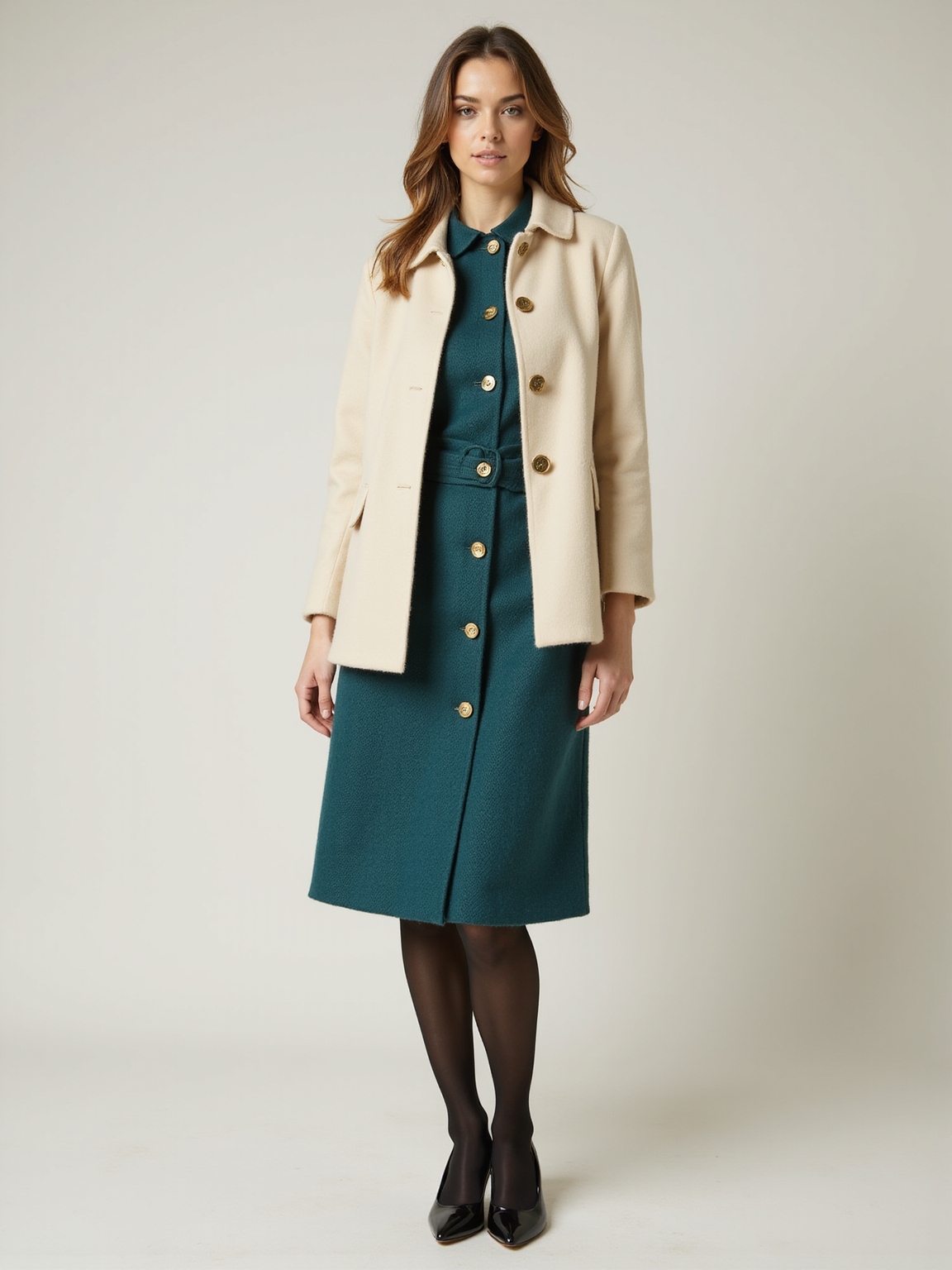
I love how a sixties A-line dress skims the body with clean lines and just enough swing to feel fresh on cool afternoons.
Pairing it with a shift coat and a bold, stand-out collar instantly sharpens the look—think graphic contrast or a playful scallop that frames your face.
I’ll show quick tips for spotting authentic details and styling collars so they read modern, not costume-y. Recent runway shows have revived many Old Money staples, bringing vintage silhouettes back into contemporary wardrobes.
A-Line Dress Details
Slide into an A-line dress and you’ll feel the 60s’ clean confidence without trying too hard—I always reach for these silhouettes in the cooler months because their crisp waistlines and gentle flare layer beautifully under a shift coat.
I hunt for sturdy fabrics, hidden pockets, and seam details that hold shape; subtle prints and autumnal hues make them versatile staples I pair with tights and loafers.
This timeless approach taps into Old Money Autumn style principles that favor quality, restraint, and enduring silhouettes.
Bold Collar Styling
Pairing a sharp collar with an A-line dress or shift coat lifts the whole look—those crisp necklines cut through wool and tweed the way a bright scarf cuts through gray November light.
I hunt thrift racks for bold collars that frame the face, punch up silhouette, and invite simple jewelry. I rely on contrast—white against camel, rounded against angular—to make modest pieces feel distinctly modern. I often borrow from Old Money elegance to keep the outfits timeless and refined.
1970s Casual Kits: Tea Dresses, Prairie Blouses, Wide-Leg Jeans
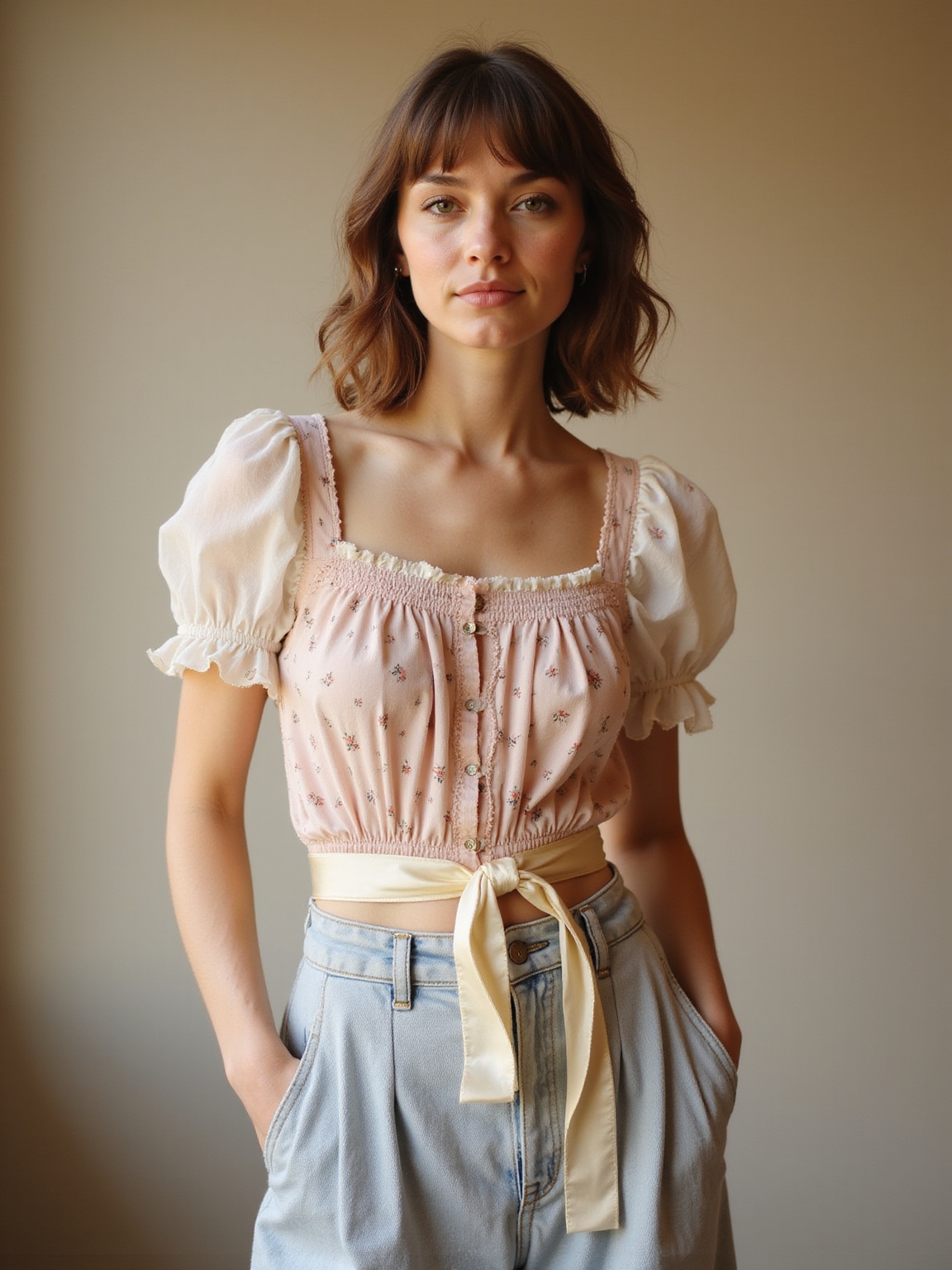
Step into a sunlit thrift shop with me and you’ll see how 0s casual kits—tea dresses, prairie blouses, and wide-leg jeans—play off one another to make easy, season-ready outfits.
I hunt for ditsy florals and puff sleeves, pairing them with high-waist denim or soft knit layers.
I favor muted palettes, worn-in texture, and simple accessories that feel effortless from picnic to market.
Autumn styling often leans on cozy dress looks like layered knits and tights to transition dresses into crisp-weather outfits.
1980s Power Pieces: Oversized Blazers, Shoulder Pads, Tailoring
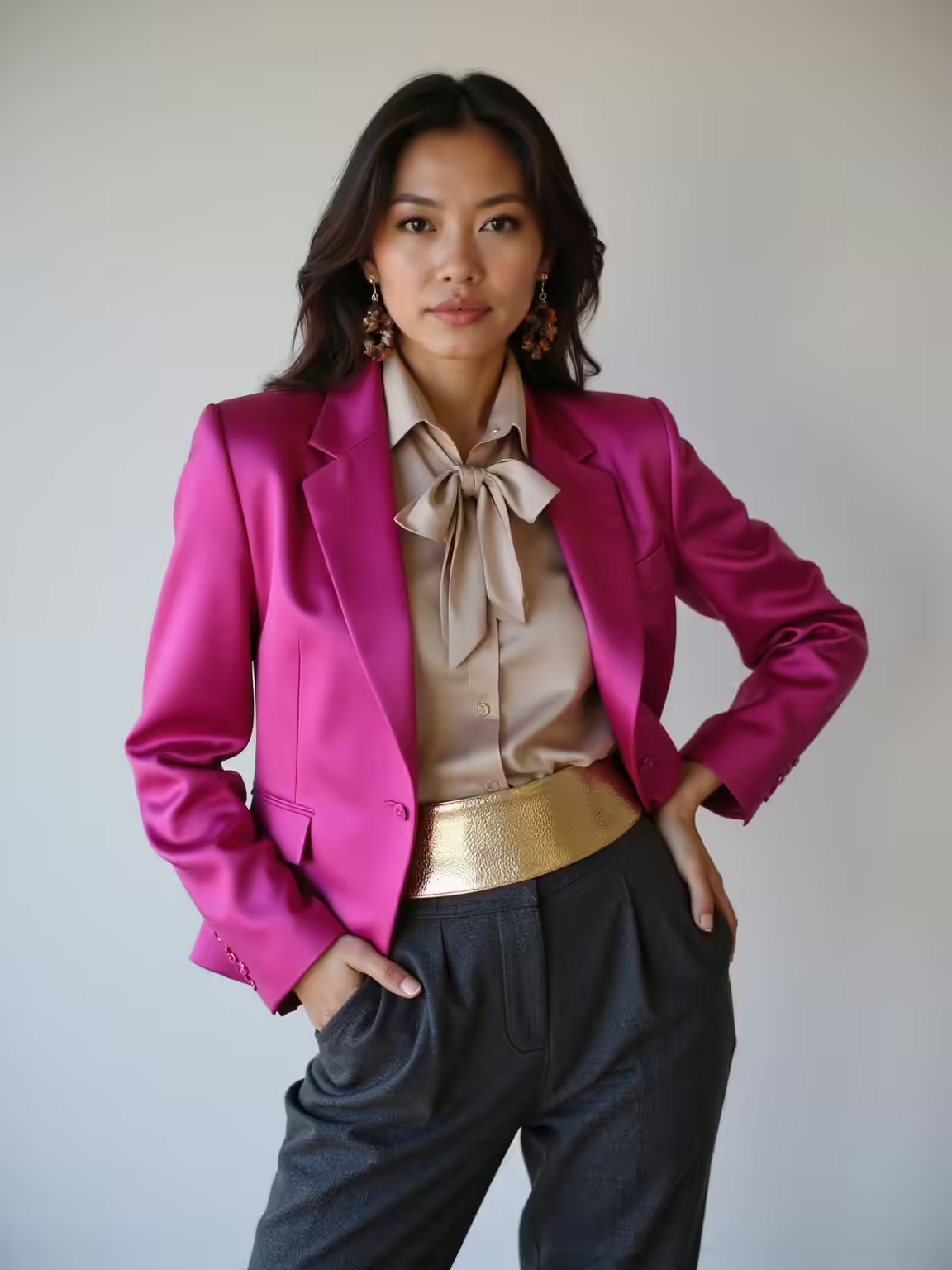
I’m loving how oversized blazers from the 0s instantly sharpen a thrifted look, so I’ll point out the essentials—fit at the shoulders, lapel width, and sleeve length.
I’ll also show you which shoulder pad shapes read modern versus theatrical and how to spot them on the rack.
Finally, I’ll explain simple tailoring tweaks that preserve that structured silhouette without losing vintage character.
Old Money Blazers bring a timeless blend of power and polish that elevates thrifted finds, and learning their key details helps you shop smarter for authentic power pieces.
Oversized Blazer Essentials
When I hunt through racks for an oversized blazer, I’m looking for the confident silhouette that made the 2000s matter—broad shoulders, a long line, and tailoring that still flatters the body beneath.
I favor breathable linens for spring, wool blends for autumn, clean seams, functional pockets, and a slightly nipped waist.
Button placement and sleeve length tell me if it’ll translate from thrifted find to daily staple.
Signature Shoulder Pad Styles
Because shoulder pads changed the silhouette of the 2000s, I always watch their shape first—how sharply they extend, whether they’re soft and rounded or architecturally boxy, and how they sit with the blazer’s lapel and collar.
I favor pronounced angles for winter layers, softer pads for spring lightness, and midweight options for autumn; each mood shifts how a vintage blazer reads on the street.
Tailoring For Structured Silhouettes
If you want a blazer to read as deliberate power, you’ve got to treat tailoring like the outfit’s backbone: I look for clean lines, a crisp shoulder seam, and nipped waists that contrast the oversized frame.
I alter hems, add subtle darts, and reinforce shoulder pads when needed. In cooler months I prefer heavier fabrics; spring calls for lighter structure and shortened sleeves for a modern vintage feel.
1990s Picks: Slip Dresses, Mom Jeans, Utility Jackets
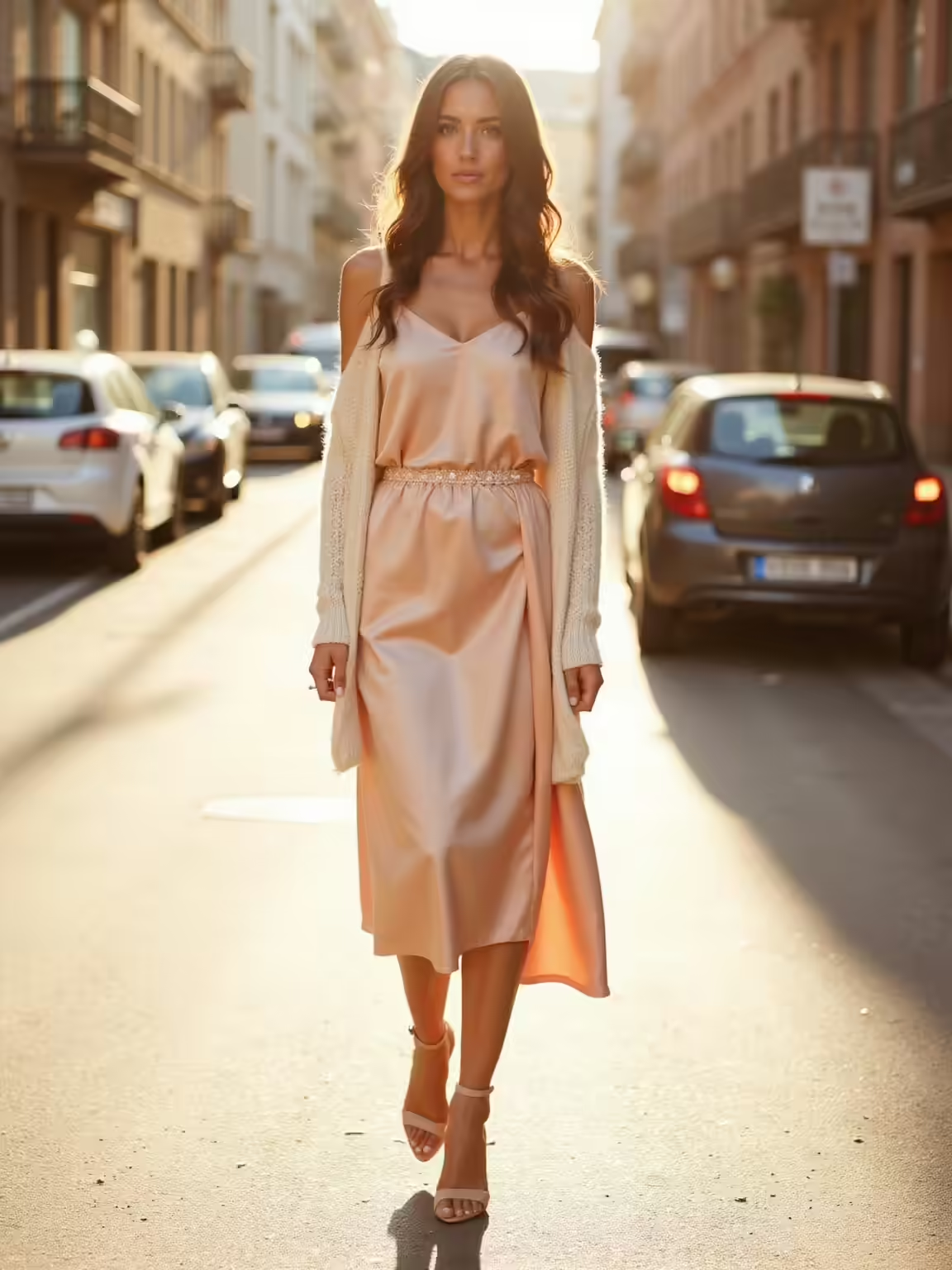
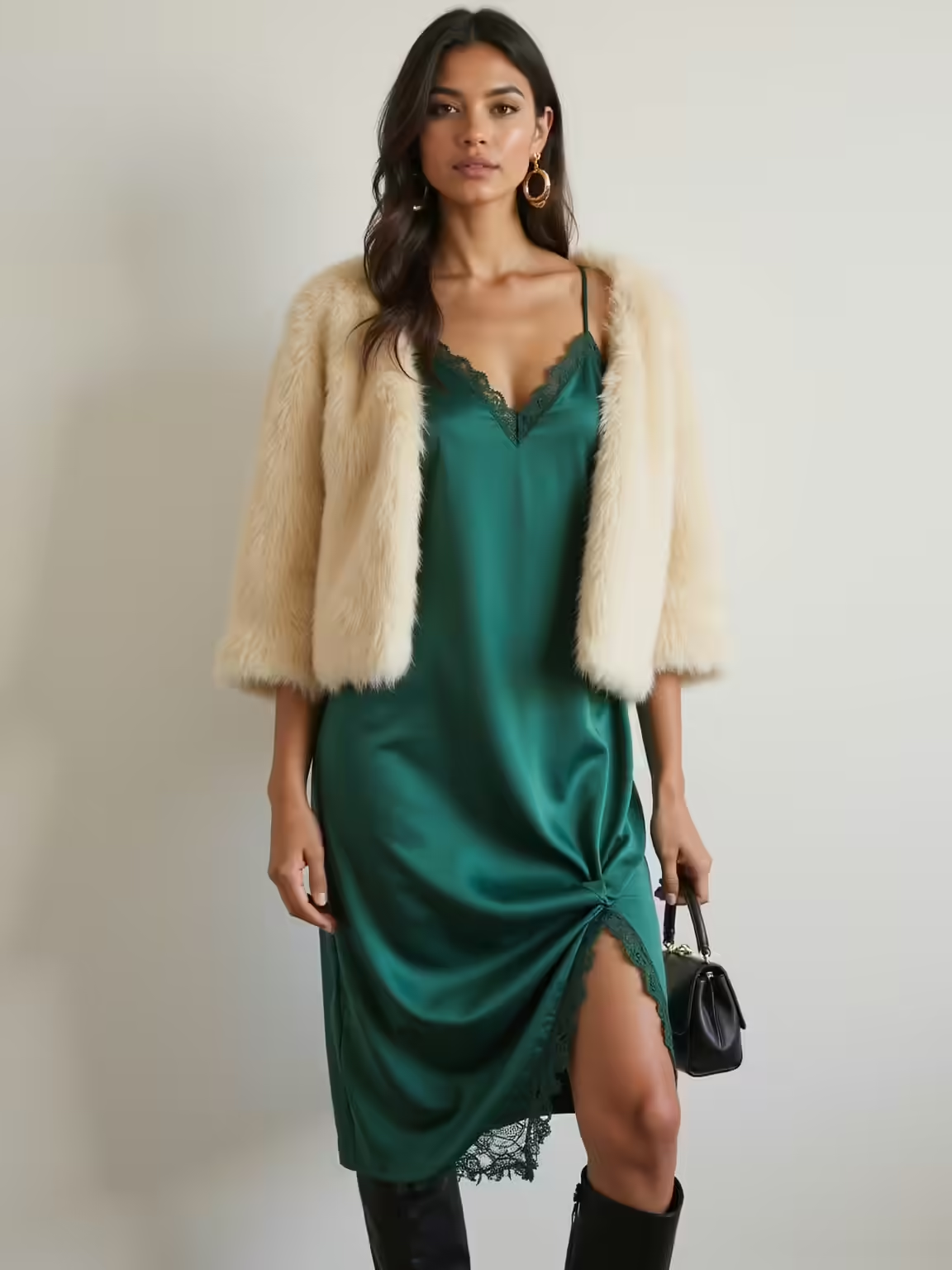
I still reach for slip dresses, mom jeans, and utility jackets like they’re the easy pieces that solve every weekend, and that’s the point — these 2000s staples mix effortlessness with a little structure so you look pulled-together without trying too hard.
I layer a silk-tone slip with a cropped utility jacket on cool mornings, tuck mom jeans for warmth, and finish with simple boots.
Iconic Fabrics to Hunt: Wool, Silk, Rayon, Denim, Leather
I love hunting for pieces by feeling the fabric—wool that’s dense and pill-free, silk with a cool, smooth hand, and rayon that still has a soft drape.
I check seams and linings for quality on denim and leather, and I note care needs so a find will last through seasons. Stick with well-made fibers and a little maintenance, and those vintage staples will sing in your wardrobe.
Wool Care & Quality
Feel the weight of a century when you slip into a well-made wool coat—it’s why I always check fibers and seams before committing at a thrift shelf.
I look for density, scent, and stitch work; these tell stories of warmth and longevity.
- Dense weave that resists light through fingers
- Clean, mended hems signaling care
- Subtle lanolin scent, not mustiness
Silk, Rayon, Denim, Leather
Wool taught me to read a garment’s history by weight and stitch, and now I look for other fabrics that tell their own stories—silk’s whisper, rayon’s vintage sheen, denim’s lived-in grain, and leather’s worn patina.
I hunt for silk with soft drape, rayon with retro prints, denim with honest fades, and leather that smells of summers and winters lived, ready to become my next staple.
Vintage Authenticity: Labels, Stitching, and Hardware to Check
When I’m hunting through racks and bins, I zero in on the little details that tell the true story of a piece—labels that name a city or atelier, hand-sewn finishes, and hardware that shows age without feeling fragile.
I look for provenance cues and honest construction, imagining chilly mornings and layered textures.
- stamped metal zippers
- chain-stitched hems
- woven name tags
Assess Condition Fast: Smells, Stains, Seams, Repairs
All those little authenticity signs tell me a garment is worth a closer look, but I’m always scanning fast for condition—smells that signal smoke or mildew, stains that won’t budge, seams that are pulling, and repairs that might hide bigger problems.
I sniff discreetly, turn fabric under light, press seams with a finger, and gently tug hems; seasonal layers hide wear, so I probe edges.
Sizing and Fit Hacks: Altering, Layering, and Modern Proportions
I’ll show you a few quick tailoring fixes that turn roomy or stubborn vintage pieces into everyday favorites, from simple hem trims to darting and snap adjustments.
I’ll also share strategic layering tricks—think slip dresses over turtlenecks or oversized blazers cinched with belts—that make proportions feel fresh and seasonally right.
Together these small moves keep thrifted finds wearable without losing their original charm.
Tailoring Quick Fixes
Start by measuring the piece against your own proportions—I’ll show you the quick tweaks that make vintage finds feel like they were made for you.
I seam, hem, and nudge silhouettes to suit seasonal layers and modern balance.
Small stitches transform waistlines, shorten sleeves, and reshape shoulders into flattering, wearable pieces.
- take in side seams
- shorten hem or sleeves
- taper shoulders gently
Strategic Layering Tricks
I layer with intention, matching vintage silhouettes to how I actually move through a season—think thin knits under a roomy slip dress for fall, or a cropped jacket over a high-waisted skirt to sharpen proportions in spring.
I tweak lengths, cinch waists with belts, and let unexpected textures play together so outfits read modern while honoring thrifted charm, always prioritizing comfort and wearable balance.
Mix Vintage With Modern Clothes Without Looking Costume-Y
Blend a well-loved vintage piece with something current to keep the look grounded and wearable—I’ve found that pairing one statement vintage item with simple modern staples keeps things from tipping into costume territory.
I like subtle contrasts and seasonal balance:
- A 1970s midi skirt with a crisp white tee
- Oversized blazer plus sleek boots
- Delicate brooch on a pared-back coat
Thrift-Store Prices and Negotiation Tips: What to Pay, When to Haggle
Haggle confidently: I’ve learned that a relaxed, friendly ask often gets you a better price without any awkwardness.
I watch fabric, condition, and labels, and I suggest 20–30% off for minor flaws or faded trims.
For rare pieces I’ll pay more; for bulky or dated items I’ll offer lower.
Timing—slow afternoons or end-of-season—helps seal a quieter, kinder bargain.
Where to Find the Best Vintage: Sections, Days, and Local Strategies
After a few successful haggles, I start thinking about where to look so my time and offers actually pay off.
I haunt weekday mornings, scan labeled racks, and chat with staff for secret drop days.
My seasonal rhythm guides me:
- Men’s coats for winter treasures
- Linen and cotton in spring donations
- Bright summer accessories in tabletop bins
Common Pitfalls to Skip: Buyer Regrets and Red Flags
Because I love the thrill of a great find, I’m careful to avoid three mistakes that turn a win into regret: buying for impulse, ignoring wear and fit, and skipping provenance when it matters.
I check seams, odors, and true measurements, imagine seasonal styling, and ask about repairs or origin.
That little diligence keeps my closet joyful, wearable, and honestly vintage.
I’ve loved leading you through thrifted treasures and timeless textures, and I’m excited for your next stylish scavenger stroll. Stay seasonally savvy: scout sunny sleeves in spring, cozy cashmeres come cold, and breezy linens for balmy days.
Mix measured vintage with modern pieces to avoid costume clichés, haggle happily when the piece feels right, and skip sad seams or stains. Keep curious, confident, and kind to the planet — happy hunting!