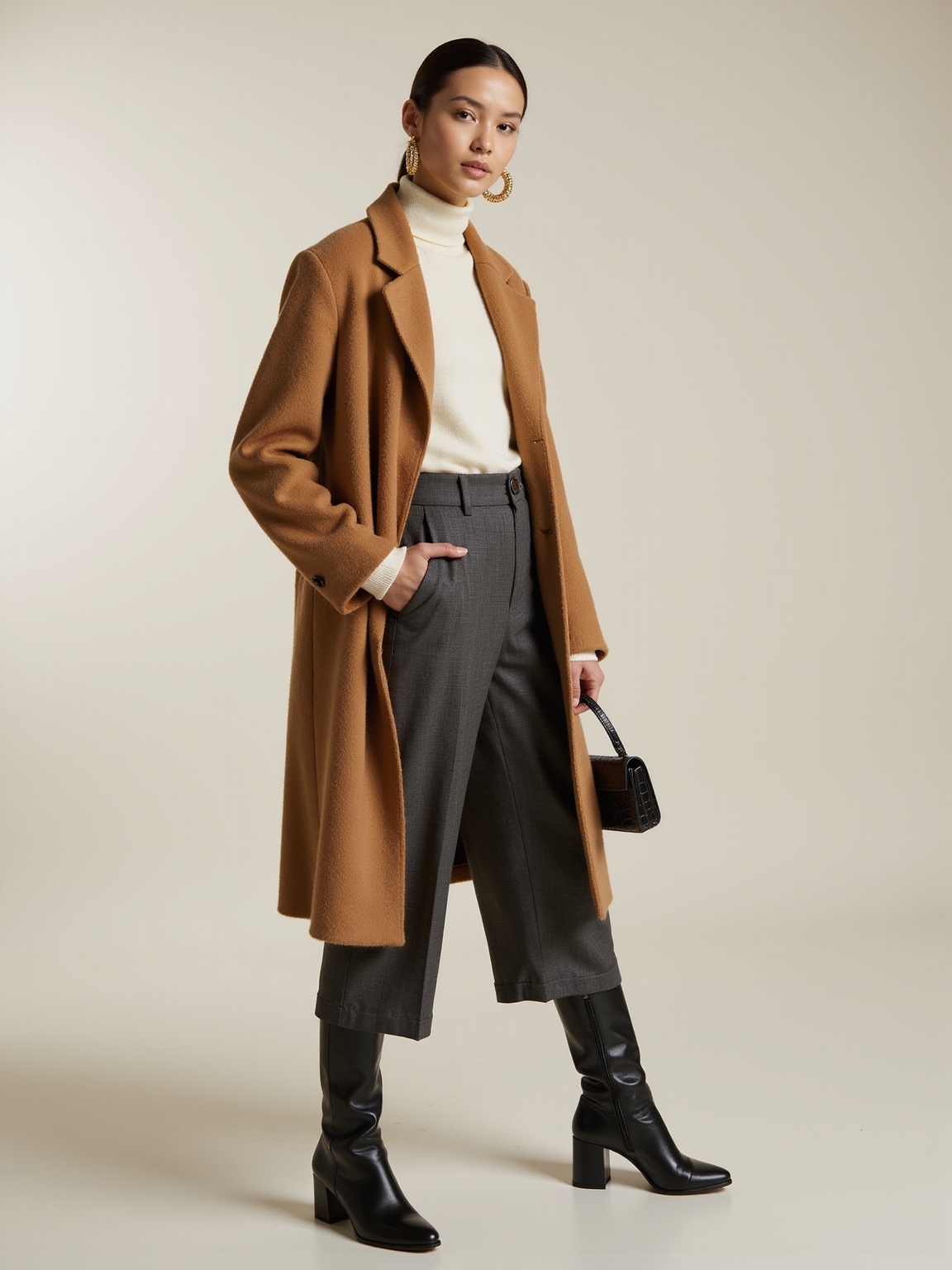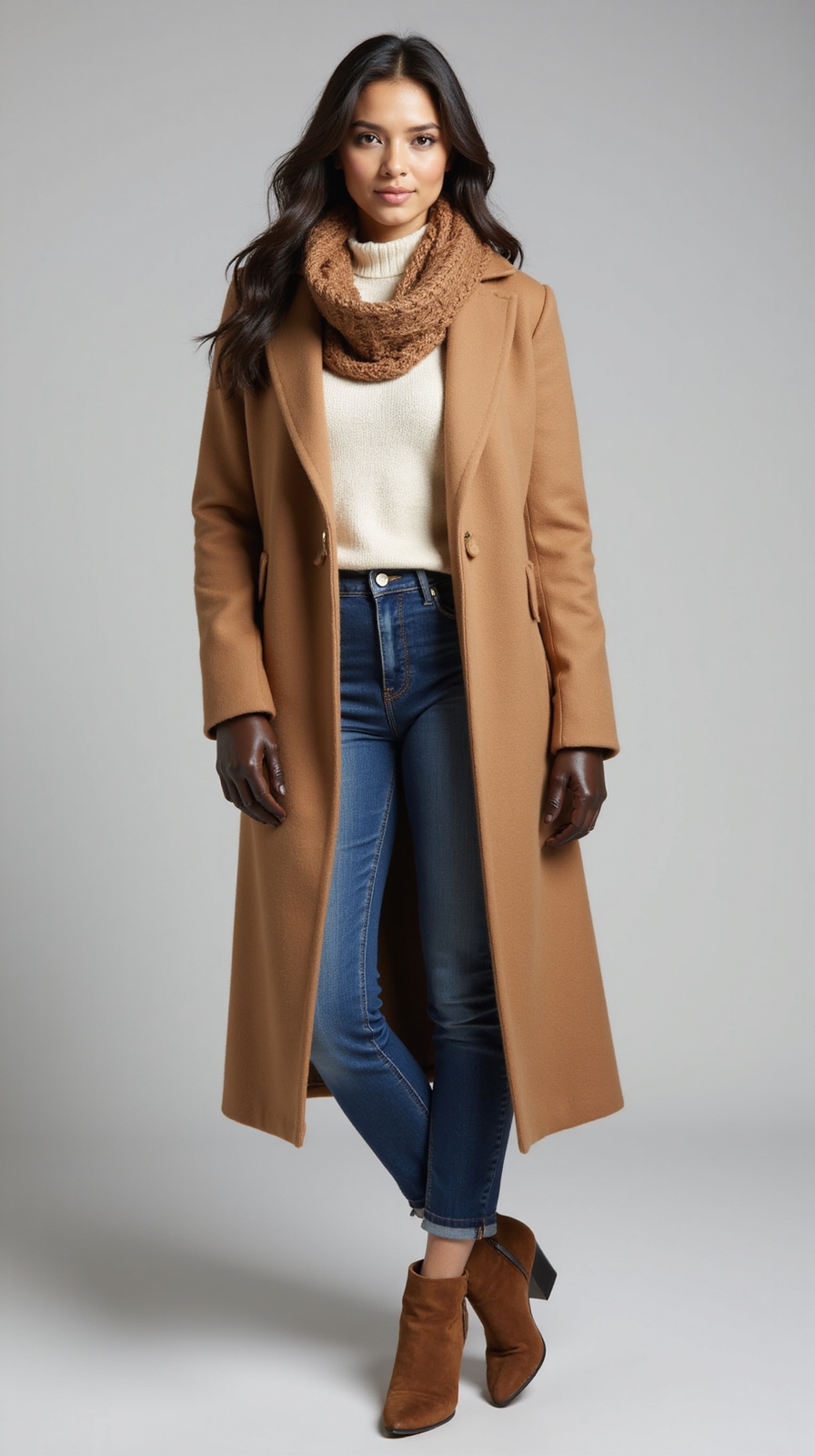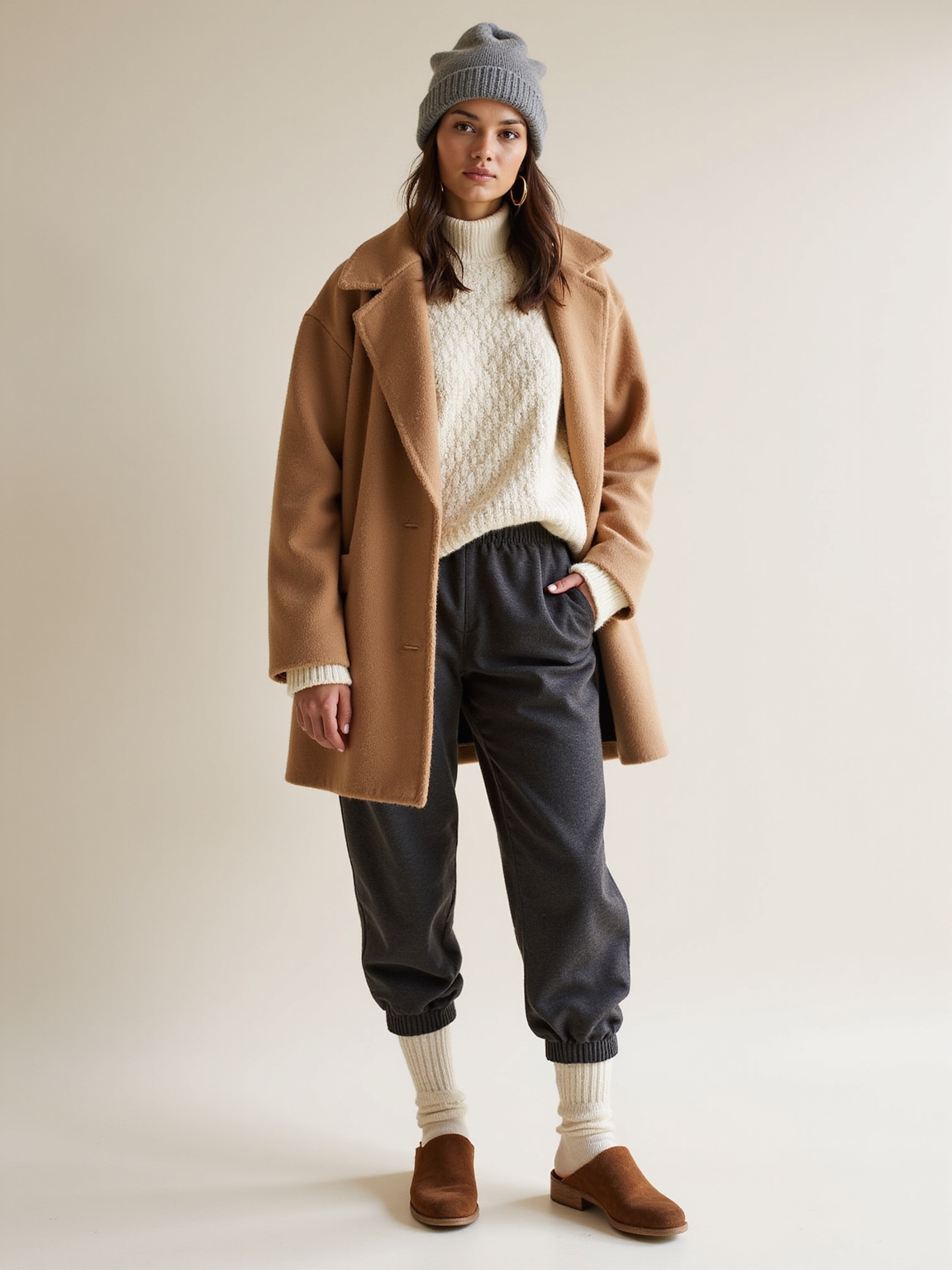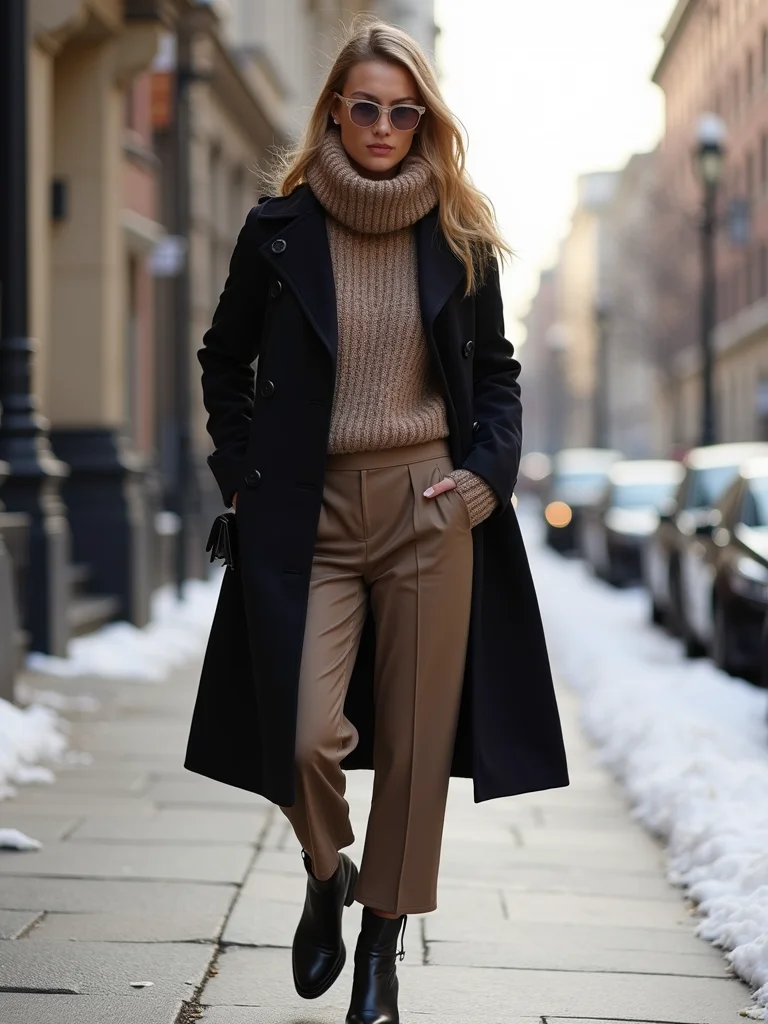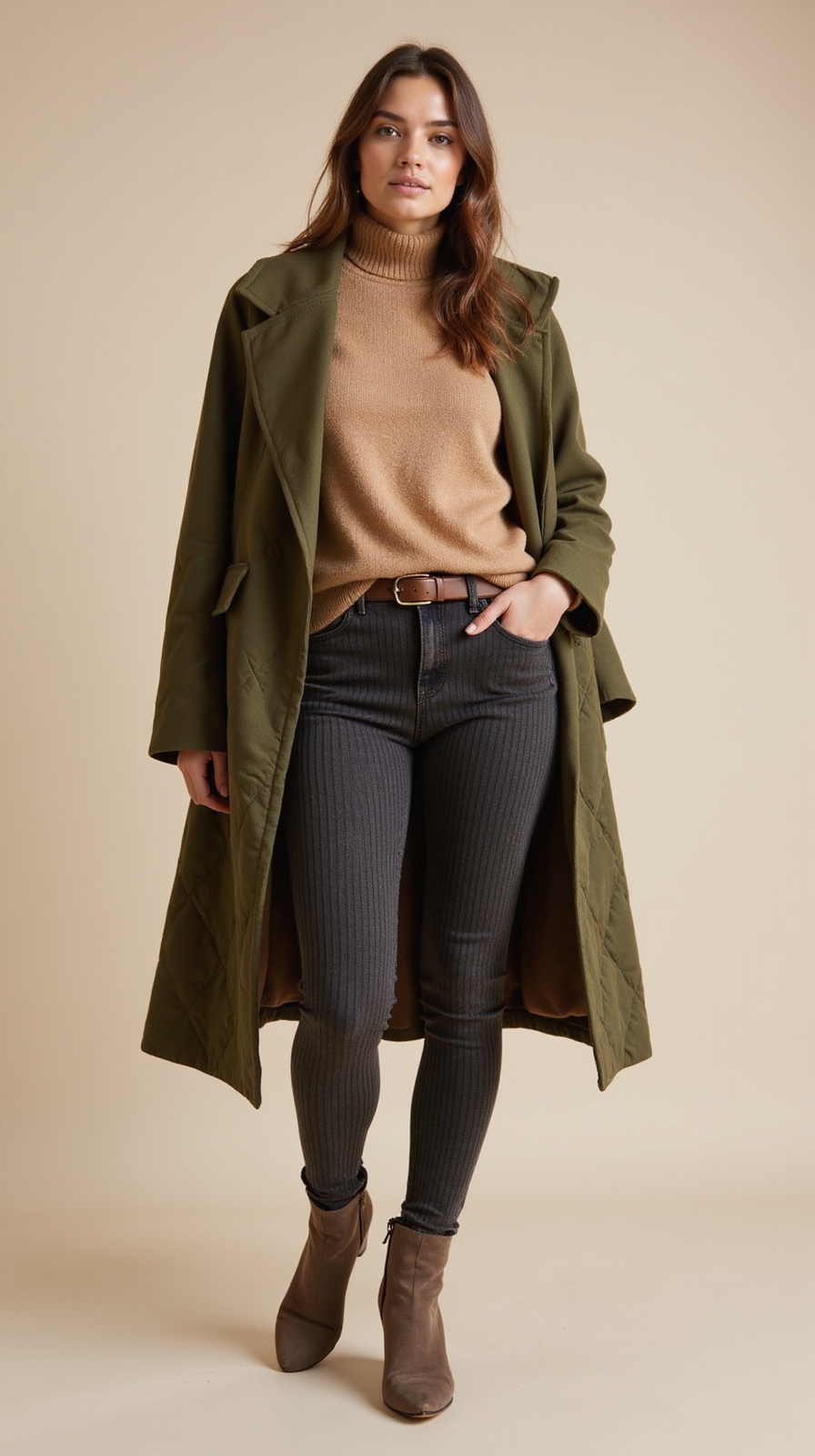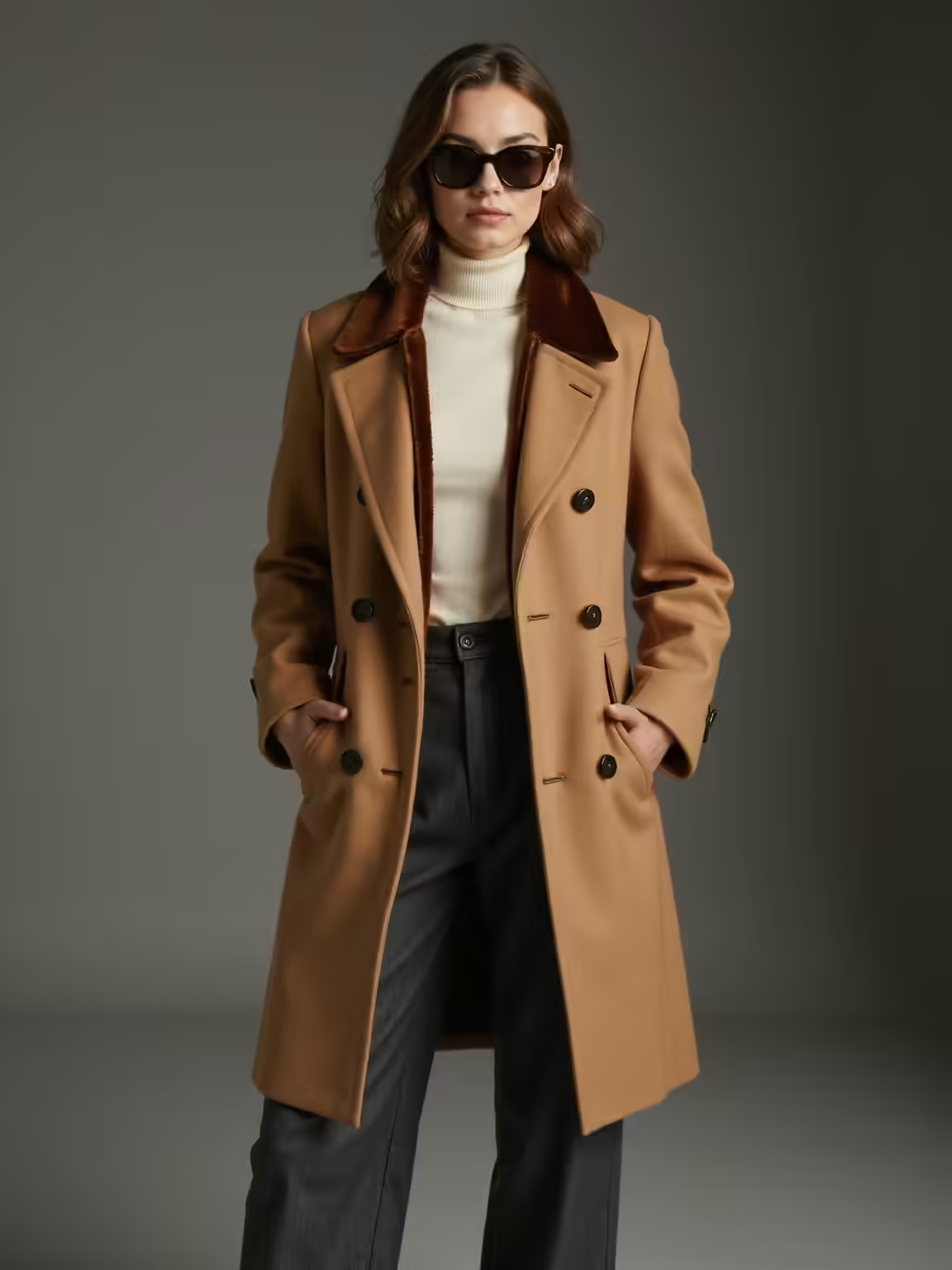

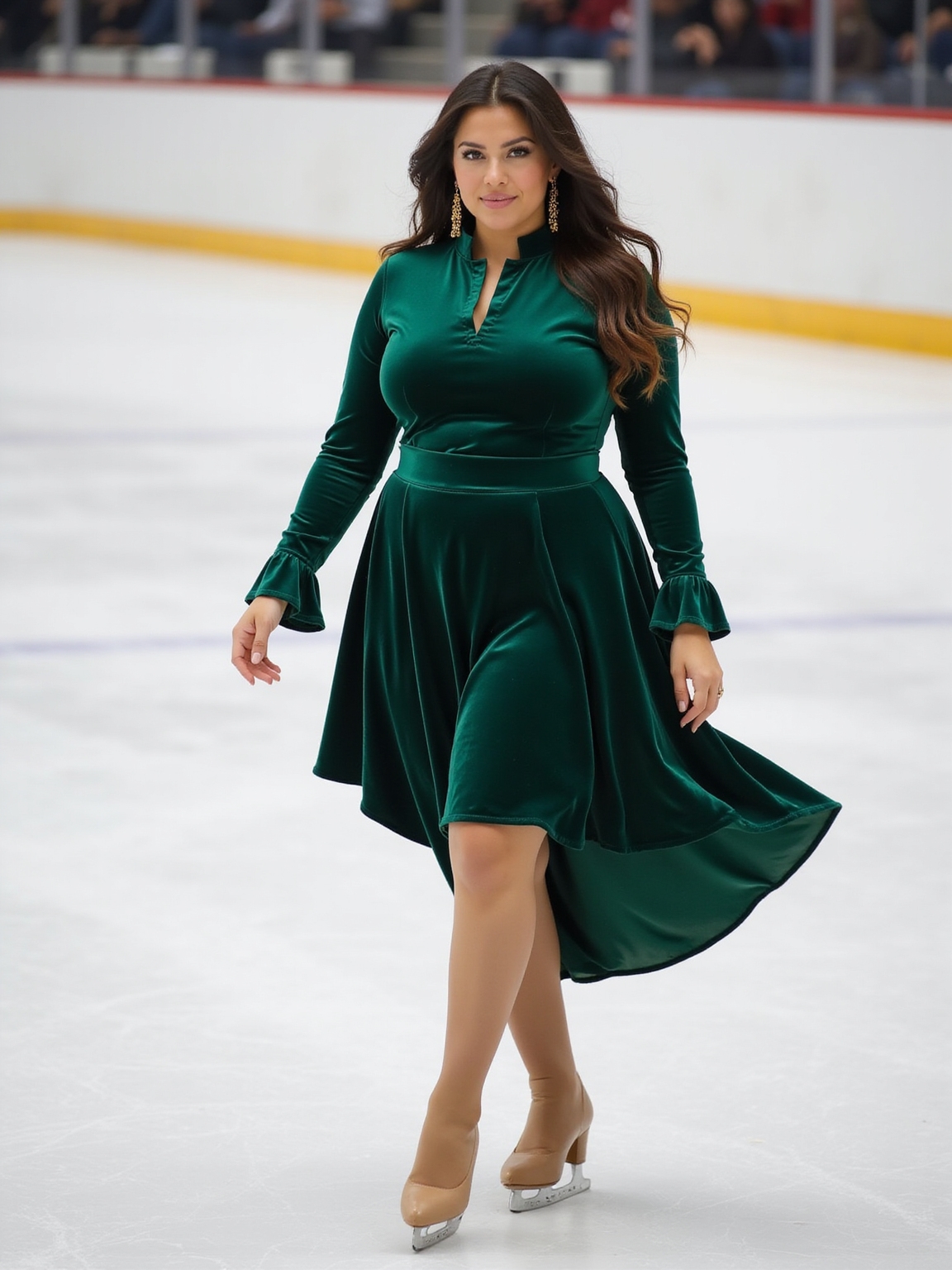
I love how the right layers let you glide—warm, streamlined, and utterly comfortable. I pick moisture-wicking base pieces and high-waisted, gentle-compression tights, add a lightweight brushed-mid layer, then a packable wind shell so nothing bulked at my knees or shoulders.
Skirts with soft panels or a short flared hem flatter leg lines; flat seams and wider bands avoid pinching. Think texture, darker bases, and practical socks for skate fit. Keep going and I’ll share exact pieces, fit checks, and quick tweaks.
Who This Guide Is For and How to Use It
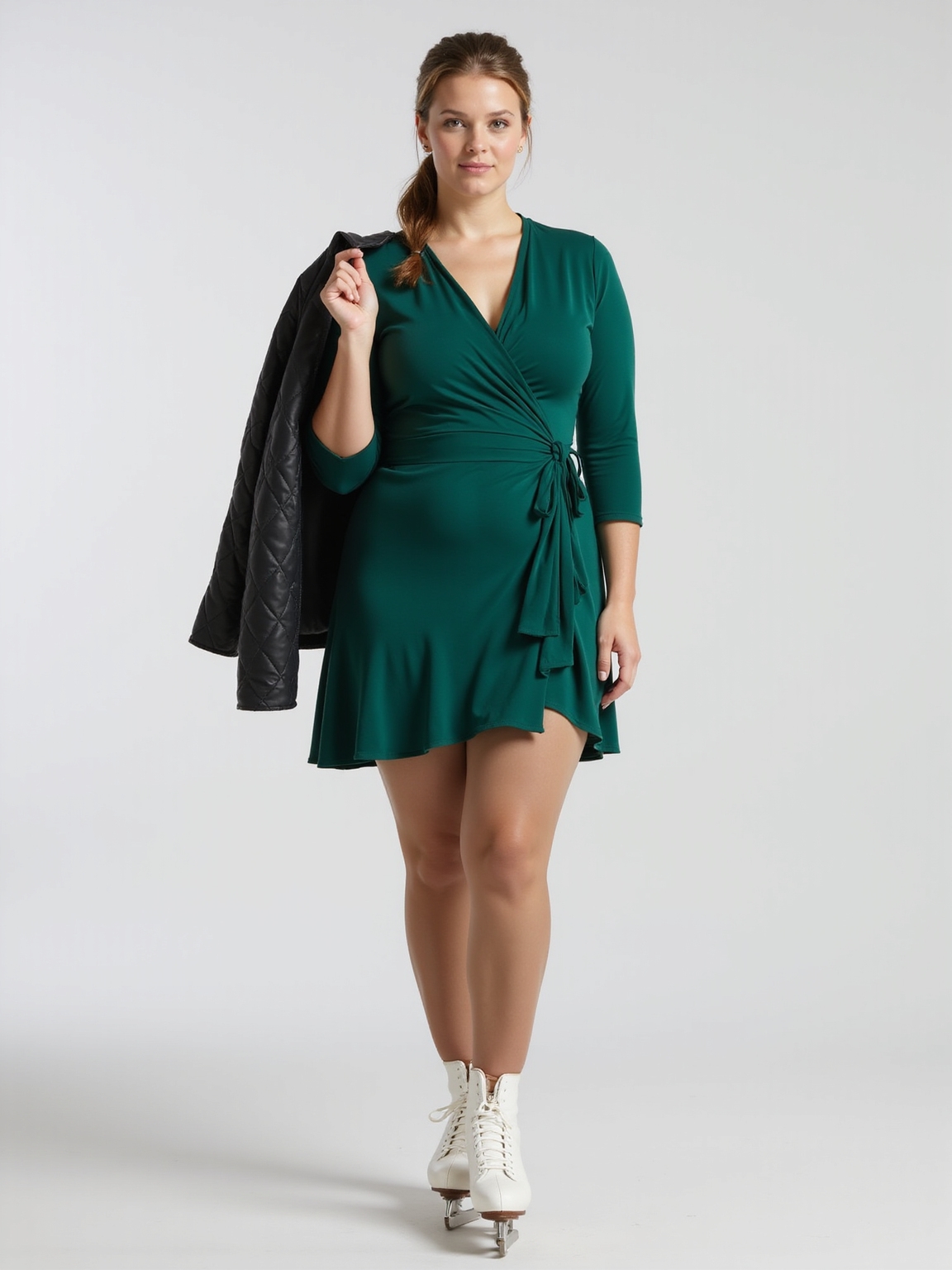
If you’re someone who loves the crisp hush of the rink but has felt overlooked by standard skating wear, I’ve written this guide for you.
I’m speaking to plus-size skaters seeking warmth, ease of movement, and outfits that honor curves. Use my tips as practical, seasonal prompts—pick what fits your rhythm, try pieces mindfully, and adapt ideas so your skating feels confident and true.
Cozy Ice Skating Outfit Ideas are built for real cold days and prioritize layering, thermal fabrics, and flexible silhouettes.
7 Rules for Flattering, Mobile Skating Outfits
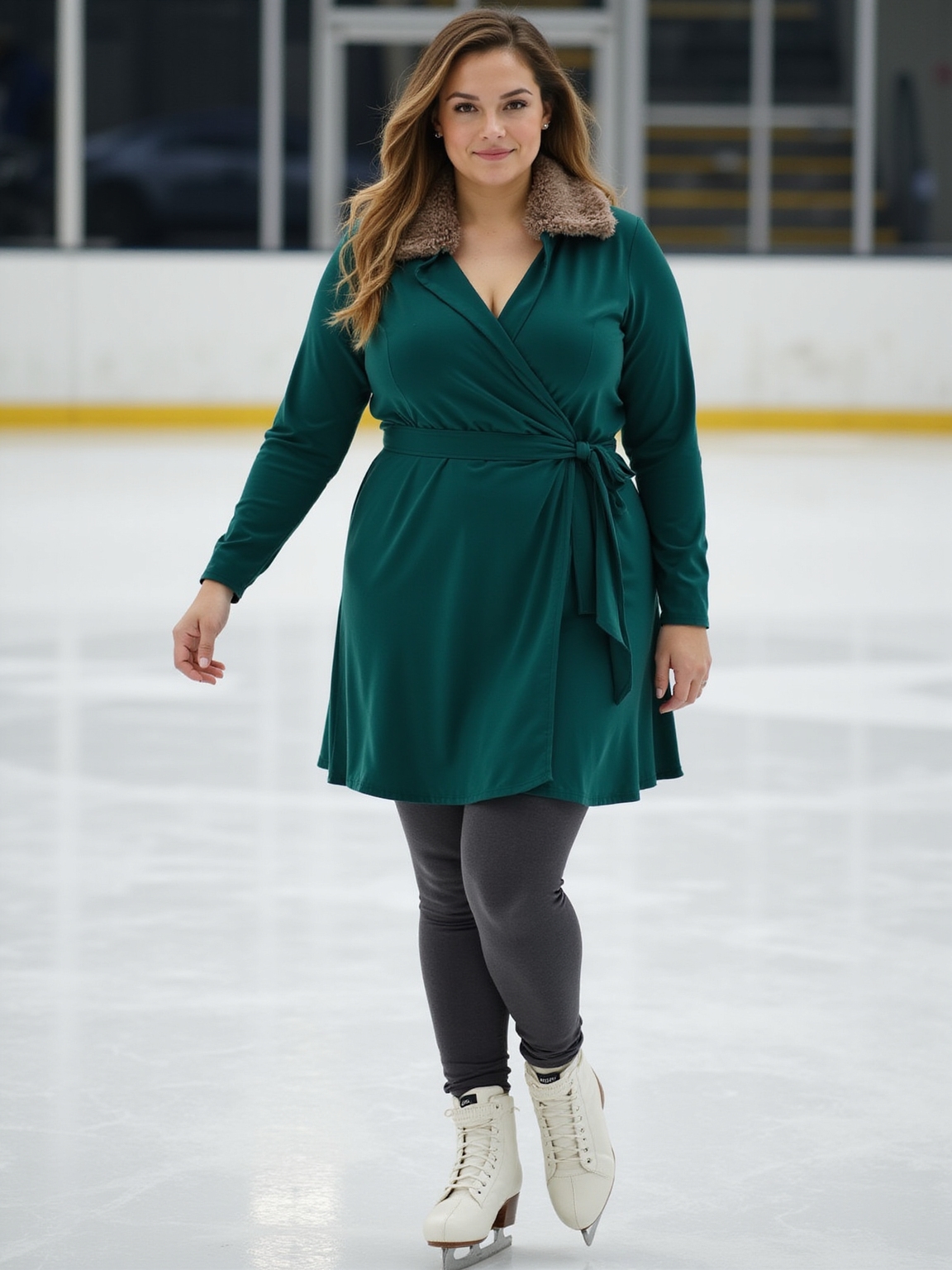
Now that you know who this guide is for and how to use it, let’s talk about the simple rules I follow when building skating outfits that flatter and move with my body.
I favor balanced proportions, clean lines, and strategic layering so warmth and motion coexist.
I pick shapes that skim curves, avoid bulk at joints, and choose details that draw the eye where I want it — confident, effortless winter poetry.
Cozy layers and thoughtful accessories make for relaxed skating days with style and comfort, especially when you prioritize casual ice skating outfits.
Best Fabrics for Warmth, Stretch, and Breathability
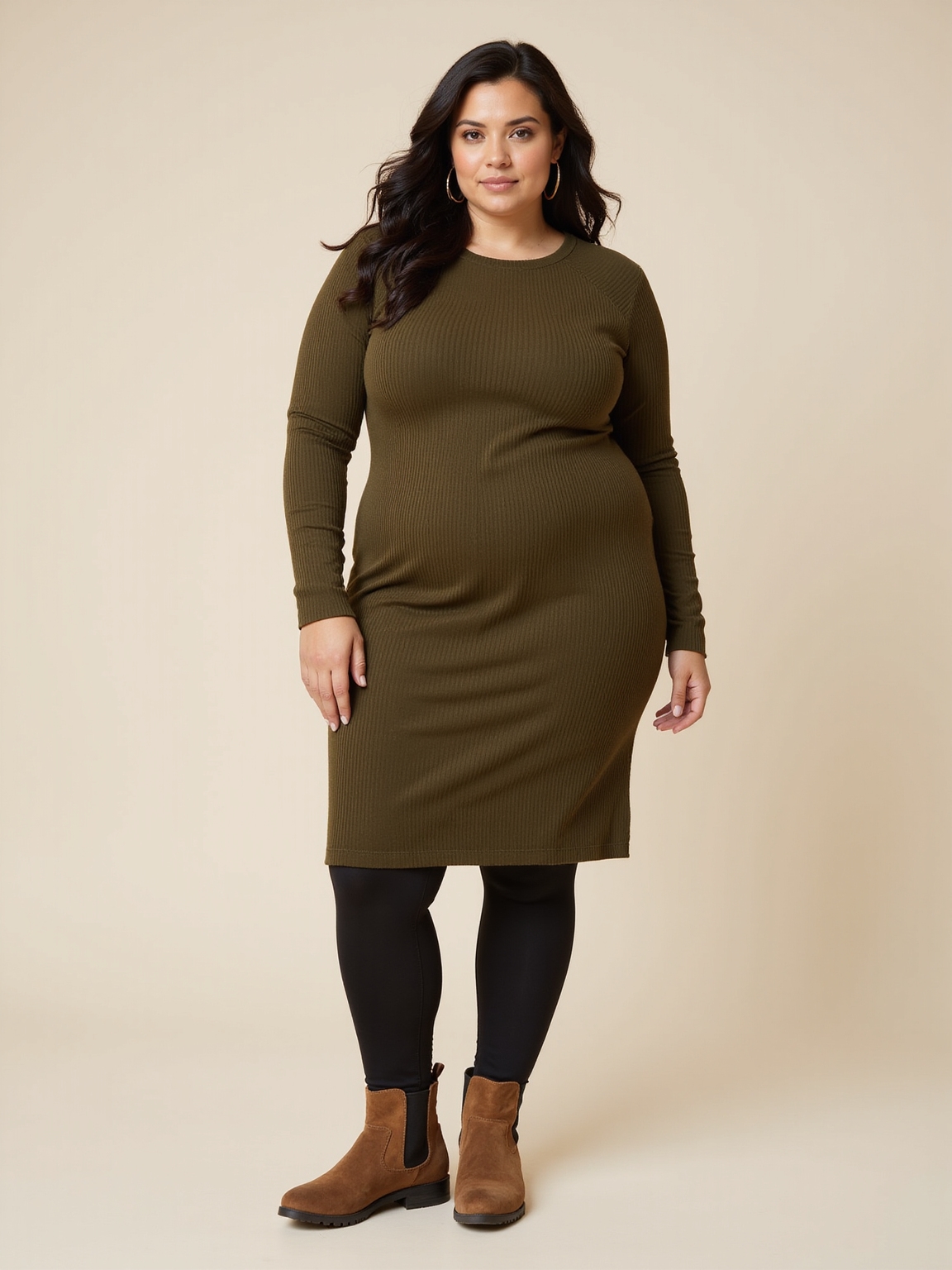
Because cold air and movement demand different things, I pick fabrics with care: they need to trap warmth without feeling stodgy, stretch where my body bends, and breathe so I don’t steam up mid-lap.
I favor brushed merino blends for insulation, nylon-spandex for graceful recovery, and lightweight polyester meshes at vents. Each layer feels intentional, cozy, and ready for crisp, luminous practice.
I also like to mix textures and colors to create outfits that look as good as they perform, drawing on ideas for cozy and stylish layering from my notes.
Base Layers: What to Wear Under Everything
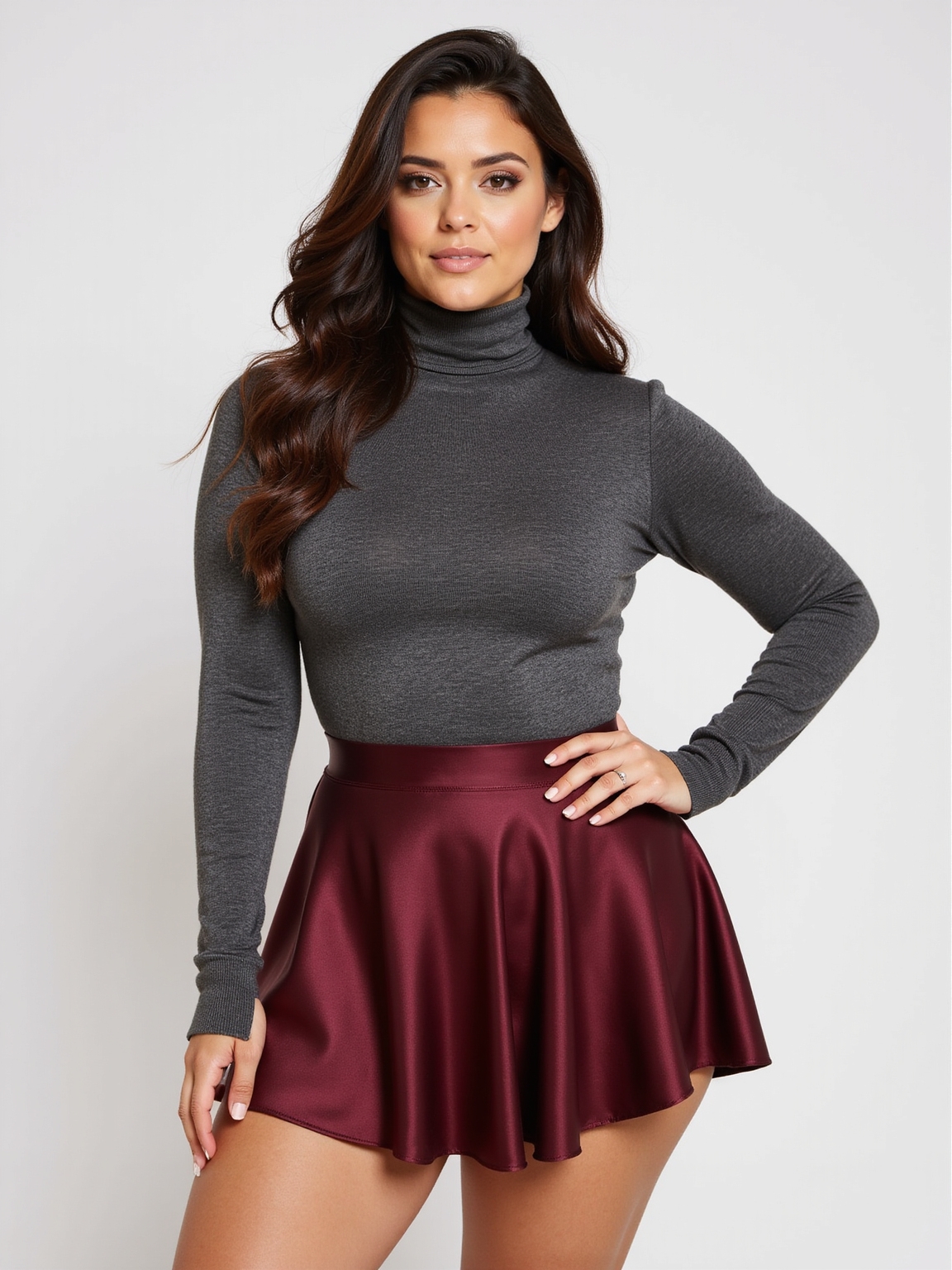
I always start with a moisture-wicking foundation that keeps me dry as the air chills, then layer thin thermals for warmth without bulk.
I look for seamless comfort pieces that move with my body and reduce irritation under tights and pants.
Let’s talk about which fabrics and fits give the best warmth-to-comfort balance.
I also pull outfit inspiration from Chic Ice Skating Date Outfit Ideas for Effortless Appeal to keep looks polished yet cozy.
Moisture-Wicking Foundations
I usually start with a thin, moisture-wicking base layer because it sets the whole comfort tone for a skating session—keeping sweat off your skin, regulating warmth, and preventing chill when you pause between laps.
I pick soft, breathable fabrics that hug curves without binding, preferring muted tones and smooth seams. They feel discreet, breathable, and quietly elegant beneath skirts or leggings on crisp winter evenings.
I also like to coordinate the outfit for a Pinterest-ready aesthetic to make the look feel intentional and camera-friendly.
Thermal Layering Options
After that thin moisture-wicking layer, I like to add a cozy thermal that keeps warmth close without bulk—think brushed-knit or lightweight merino that follows your shape and moves with you.
I choose fitted cuts that trap heat, flat seams to avoid rub, and neutral tones that pair easily.
A slim turtleneck or long-sleeve mock adds cradle-like warmth and quiet elegance on the ice.
Plus-size styling also benefits from soft textures that enhance comfort and confidence.
Seamless Comfort Pieces
Usually I slip into a seamless base layer before anything else; it feels like a gentle promise against the cold and won’t fight with the lines of my outfit. Thin, snug fabrics wick moisture and smooth curves without compression.
I choose neutral tones, soft seams, and breathability—small comforts that let my coat, sweater, and skates sit right, so movement feels effortless and quietly elegant on the ice.
Elegant ice skating dresses can be layered over these pieces to enhance warmth and style, offering insulation without bulk for graceful movement on the rink elegant ice skating dresses.
Supportive Bottoms for Plus‑Size Skaters
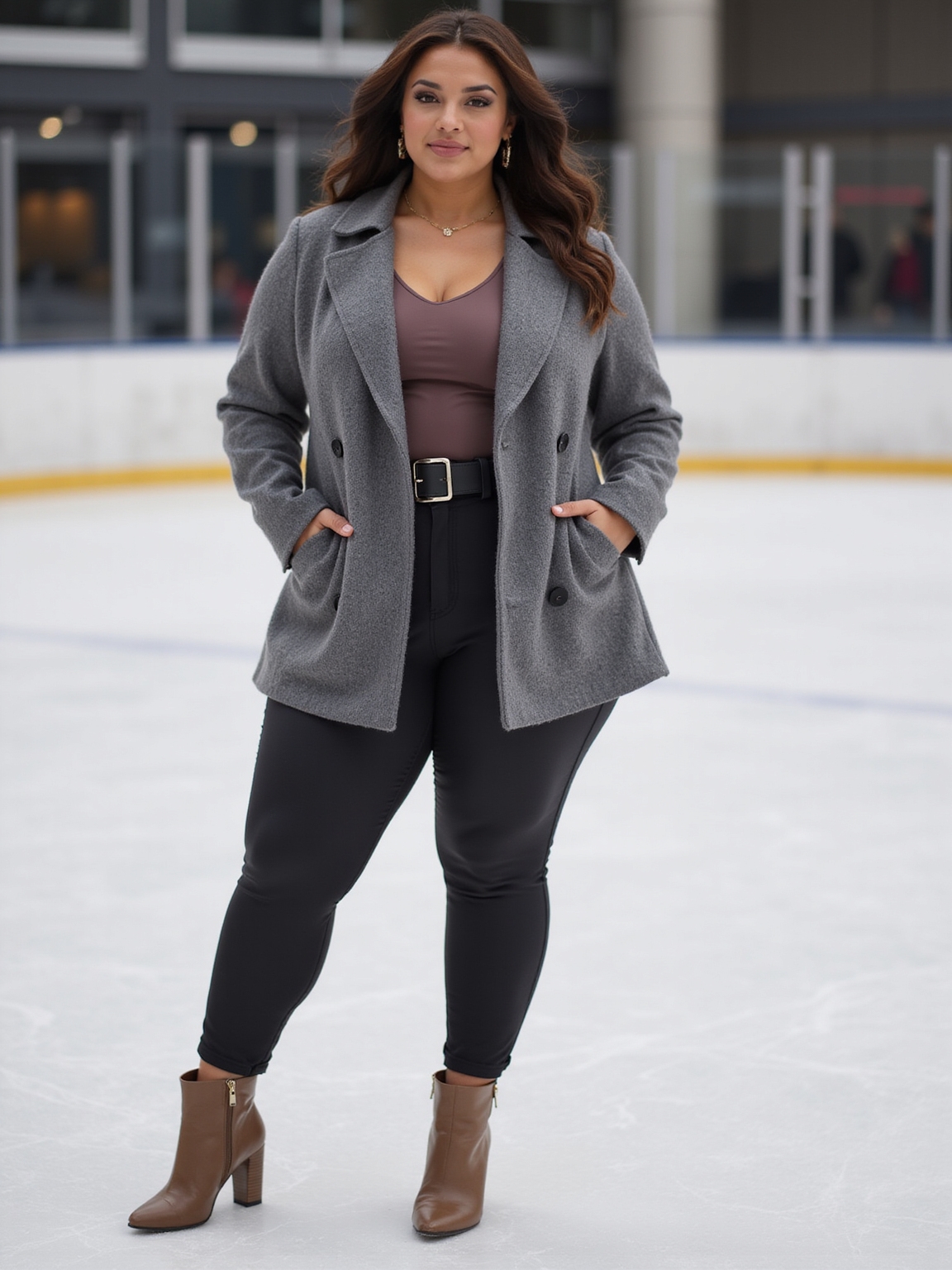
I reach for high‑waisted supportive tights when the rink air turns crisp, because they smooth, hold, and let me move without fuss.
I also love compression skirted shorts for days I want a touch of coverage with firm support that stays put through spins. Both options feel like a quiet promise of warmth and confidence as the season settles in.
I often pair them with easy, flattering layers for effortless casual looks that celebrate curves.
High-Waisted Supportive Tights
I often reach for a pair of high-waisted supportive tights when the rink air gets sharp and I want movement that feels as confident as it looks.
They hug my waist, smooth lines, and let me glide without fuss.
I pick fabrics that breathe, stay put, and flatter my curves in soft winter light.
- Waistband that won’t roll
- Gentle compression
- Stretch with recovery
- Moisture-wicking
- Flat seams
Compression Skirted Shorts
When my high-waisted tights feel right but I want a touch more coverage and shape, I reach for compression skirted shorts that marry support with a bit of skirted grace.
They smooth and hug without stiffness, offering modesty for spins and a gentle flare that catches rink light like late autumn sunlight. I feel steady, elegant, and quietly buoyed.
Tops That Give Coverage and Let You Move
Because we want to feel both supported and free on the ice, I look for tops that give coverage without pinching or restricting my arms and torso.
I choose breathable, slightly drapey fabrics and sleeves that move with me, like warm light fall air wrapping a skate.
Practical elegance keeps me smiling between edges.
- Long sleeves with stretch
- Higher neckline options
- Raglan or dolman cuts
- Flat seams for comfort
- Longer hem for coverage
Built‑In Support: Bras, Liners, Shapewear
Choose pieces with built-in support that feel like a quiet promise beneath your outfit. I reach for bras and liners that cradle without constricting, smoothing lines and letting movement breathe.
Gentle shaping gives confidence—soft cups, wide bands, seam placement that flatters curves. In cool rink light, this subtle structure feels like warmth and assurance, practical elegance that keeps me focused on the glide.
Layering Strategy for Changing Rink Temps
Although the rink air can shift from crisp to cozy in a single lap, I like to think of layering as a graceful choreography: thin, breathable base layers next to skin, a soft insulating mid layer that traps warmth without bulk, and a wind‑resistant outer that sheds drafts at the boards.
- moisture‑wicking base
- light fleece mid
- packable shell
- removable neck gaiter
- thin gloves for grip
Skating Dresses and Skirts That Flatter Curves
I love choosing waistlines that celebrate curves—empire, natural, or softly cinched bands can make you feel poised and supported on the ice.
I also think about skirt length as if planning for a brisk autumn spin: shorter skirts highlight leg lines while midi flares offer graceful coverage and movement.
Let’s look at how those choices work with your proportions so you skate both comfortably and beautifully.
Flattering Waist Definitions
When I sketch a silhouette for a skating dress, I think of the waist as the choreography’s quiet pivot—subtle shaping can create lift and length without pinching or shouting for attention.
I favor gentle seams, soft bands, and drape that honors movement and warmth.
- Contoured side seams
- High, soft waistbands
- Invisible shaping panels
- Light tummy drape
- Seam placement for waist illusion
Skirt Length Choices
For the rink and the changing light of practice, I choose skirt lengths that both move with the body and flatter its curves, balancing coverage with swing so every spin reads as confident rather than hiding.
I favor mid-thigh to knee lengths for warmth and motion, longer hems for elegance, and soft, layered fabrics that whisper with each glide, revealing shape without shouting.
Figure‑Enhancing Details: Seams, Panels, and Color
Although I love the dramatic sweep of a well-cut skirt, it’s the seams, panels, and color that quietly sculpt the body and boost confidence on the ice.
I notice vertical seams lengthen, curved panels define waist, and darker hues streamline, while contrast draws the eye upward. Small details feel like autumn light—subtle, warm, intentional.
- Vertical seams
- Curved panels
- Strategic color blocking
- Darker base tones
- Reflective accents
Skate‑Friendly Outerwear and Warmups
The seams and panels we’ve talked about carry you through a program, but the moments off-ice—tying blades, stretching at the boards, and warming up between runs—ask for outerwear that moves with you and still flatters your shape.
I reach for streamlined parkas, soft-wrap warmups, and layered shrugs with stretch—breathable, insulated, and cut to skim curves—so I feel elegant and ready, whatever the chill.
Socks, Foot Comfort, and Fitting Inside Skates
I pay close attention to the socks I wear, because the right thickness makes the difference between snug support and cramped toes.
I’ll talk about how layering or choosing thermal blends can manage warmth without crowding your skate fit.
Let’s explore simple choices that keep your feet comfortable and your blades steady.
Proper Sock Thickness
Slide a well-chosen pair of socks on and you’ll feel how much they change a skate’s fit; I prefer a medium-thickness merino blend that cushions without crowding the boot.
I notice balance improves, pressure evens, and movement feels cleaner.
- Cushioning where bones meet boot
- Thin seams to prevent blisters
- Breathable fibers for comfort
- Smooth fit around ankle
- Easy to layer subtly
Managing Foot Warmth
After finding the right sock thickness, I pay close attention to how my feet breathe and hold heat inside the boot.
I choose moisture-wicking liners, thin wool blends, and occasional toe warmers when frost bites.
I test fit with skates tied as I’d skate, easing pressure points and adding insoles for arch support.
Comfort lets me glide warmly and confidently.
Sizing Checks and At‑Home Fit Tests
Measure carefully and trust what you feel: when I check sizing for a new plus-size ice skating outfit at home, I start with the basics—bust, waist, hips, and torso length—then compare those numbers to the brand’s size chart rather than the number on the tag.
I try movements and note comfort, ease, and layering room.
- Sit and bend
- Reach arms overhead
- Glide stance test
- Jacket zipper check
- Skirt swing assessment
Simple Alterations and DIY Tweaks for Fit
I start with small, confident fixes that won’t wreck the line of a garment—hemming a skirt an inch, shortening sleeves, or letting in a side seam—to make a new skating outfit feel like it was made for me.
I tweak waistbands, add soft elastic, and sew modest darts; patch lining where cold drafts sneak in.
These quiet alterations cozy the silhouette and keep movement light.
Where to Shop: Inclusive Brands and Retailers
I scout brands that treat size as a starting point, not an afterthought—places that offer thoughtful cuts, stretch fabrics, and real measurements so I can trust what I order.
I favor shops that blend function with quiet style, seasonal color, and roomy comfort for gliding days.
- Inclusive size ranges
- Detailed size charts
- Stretchy performance fabrics
- Customer reviews with photos
- Easy returns and alterations
I’ve skated through this guide so you can feel both confident and comfortable on the ice. Remember: uniforms don’t make the skater — your movement and joy do.
Curiously, a recent survey found over 40% of recreational skaters want more size-inclusive gear, so your choices matter.
Layer thoughtfully, prioritize supportive fabrics, and tweak fits simply. With small alterations and the right brands, you’ll glide warmer, freer, and a little more radiant each season.