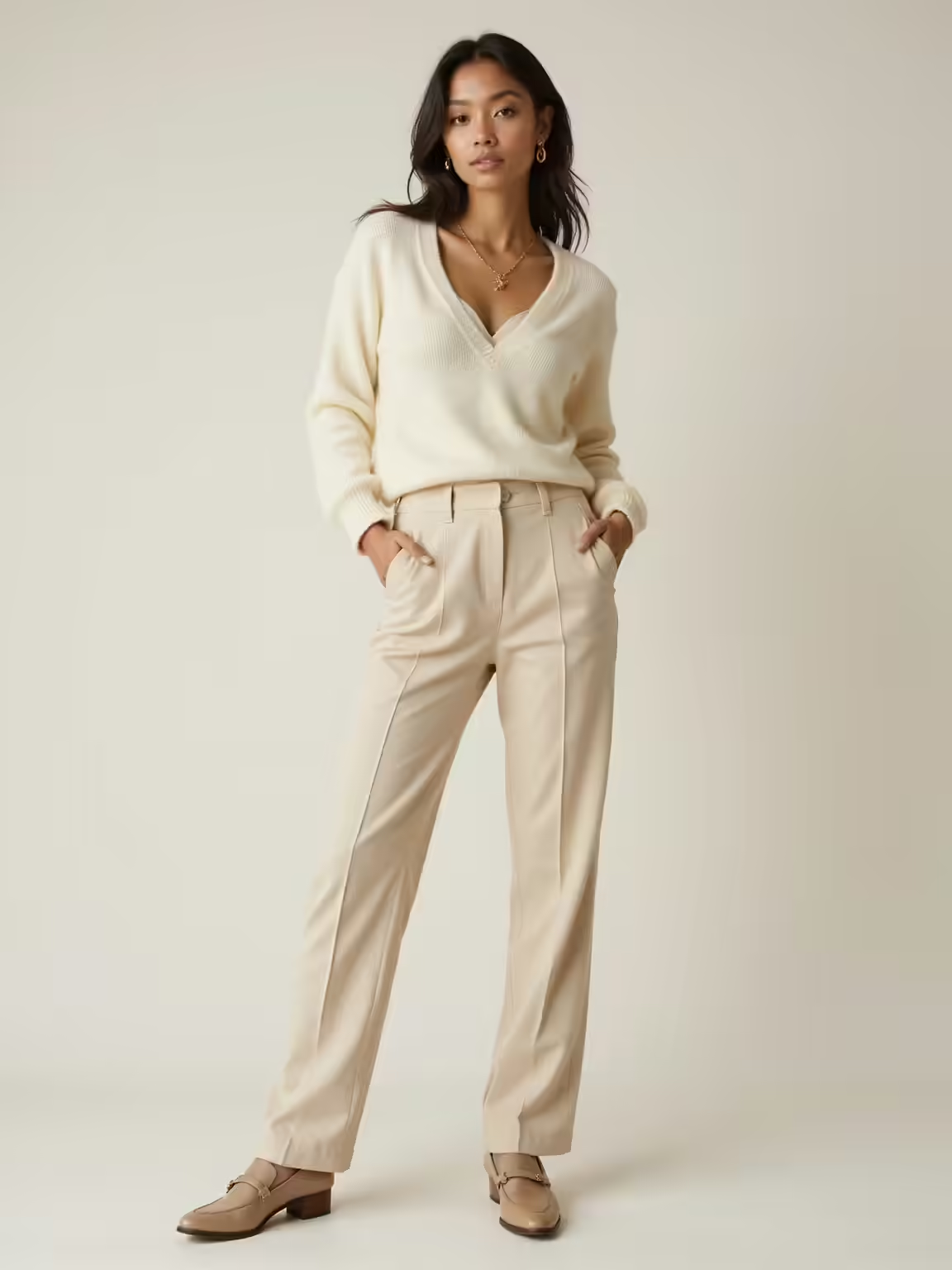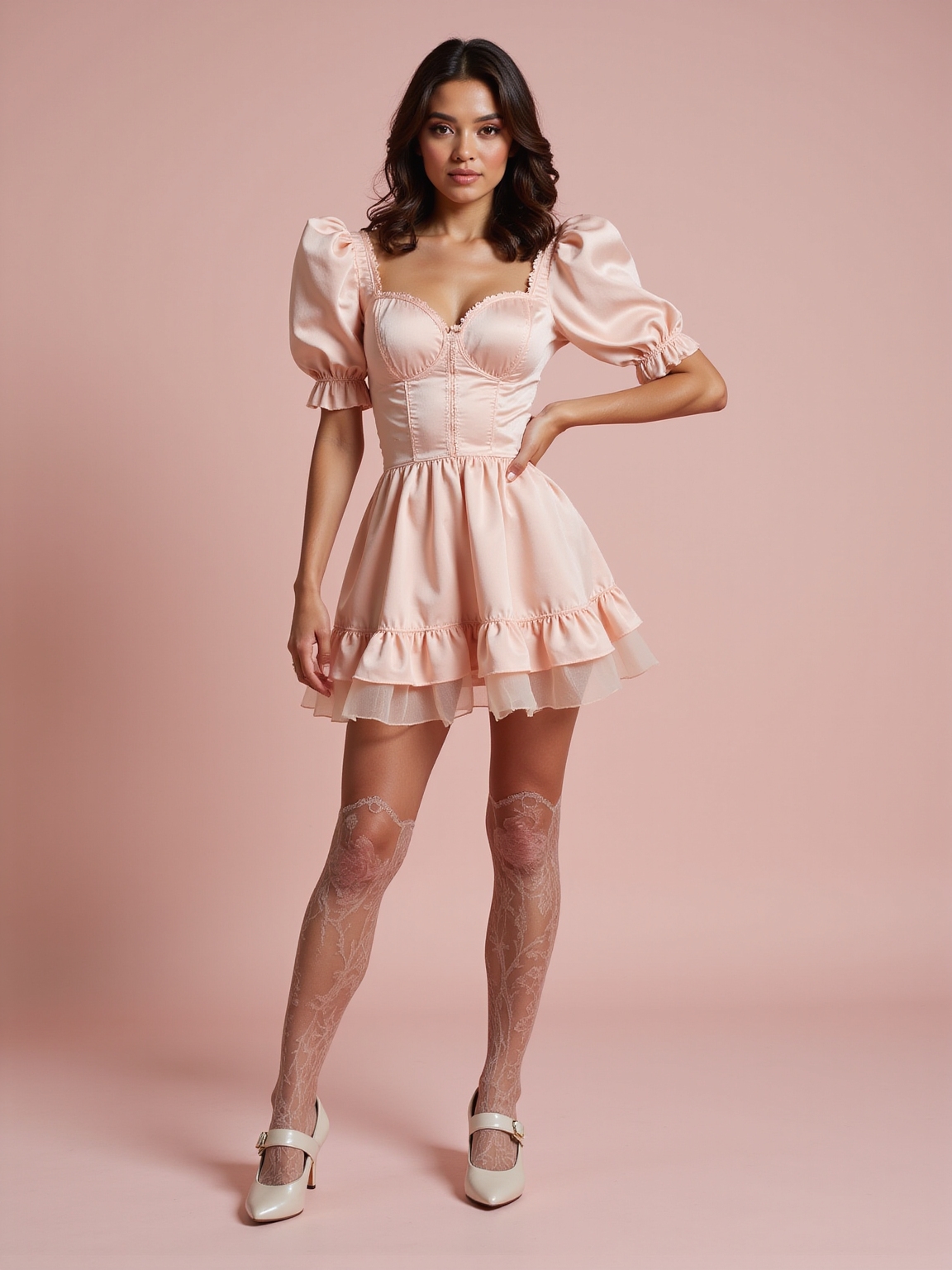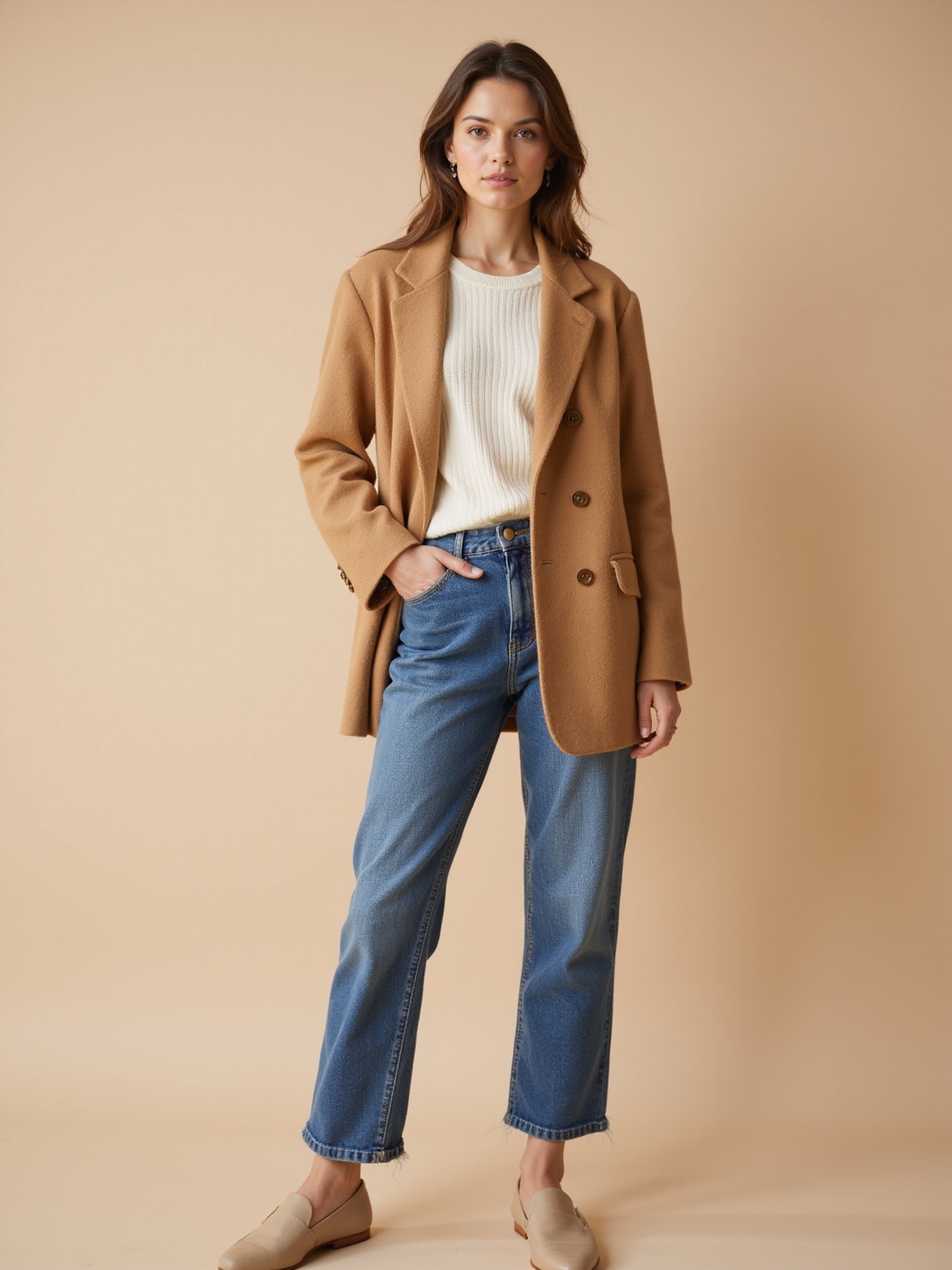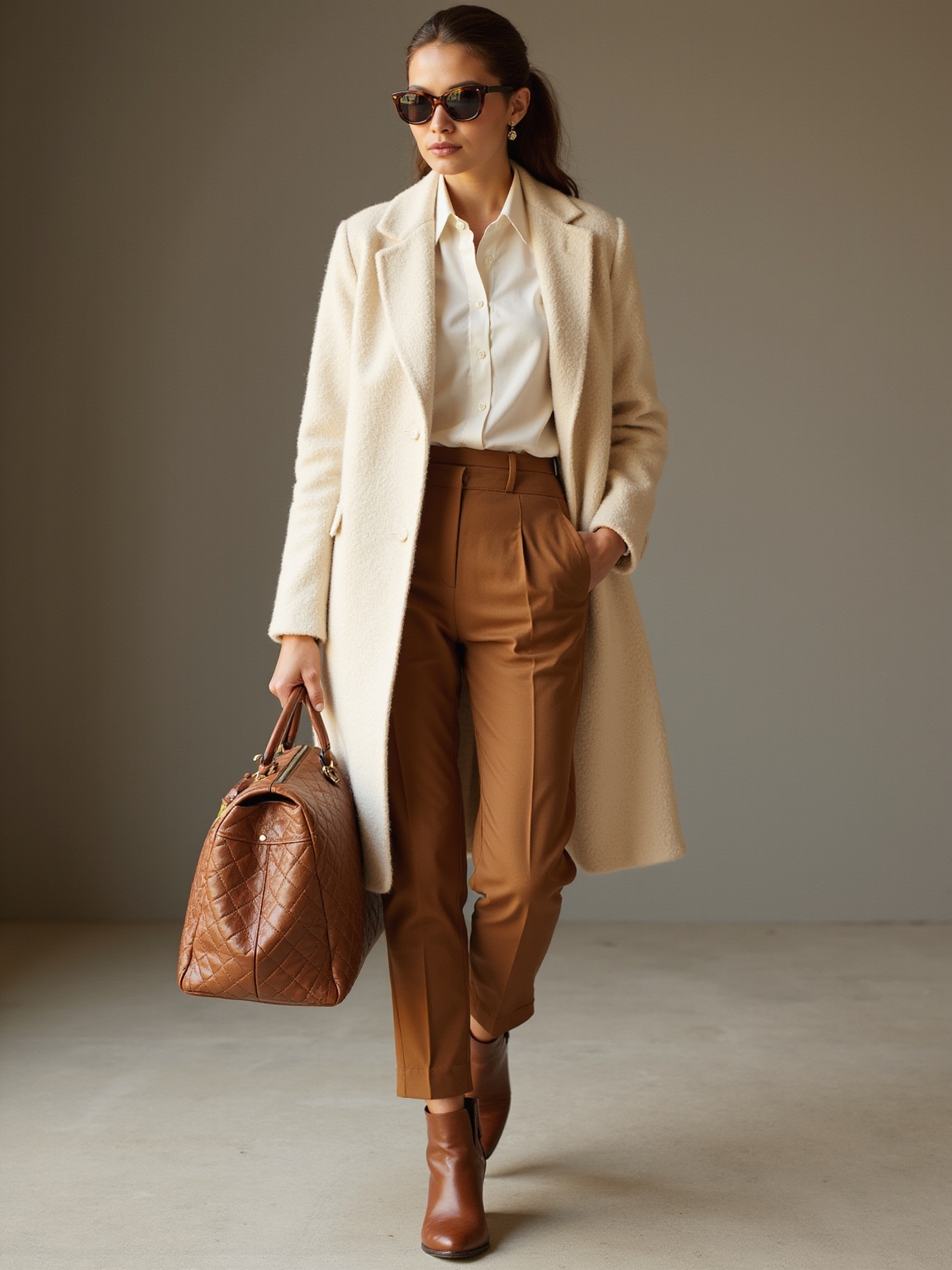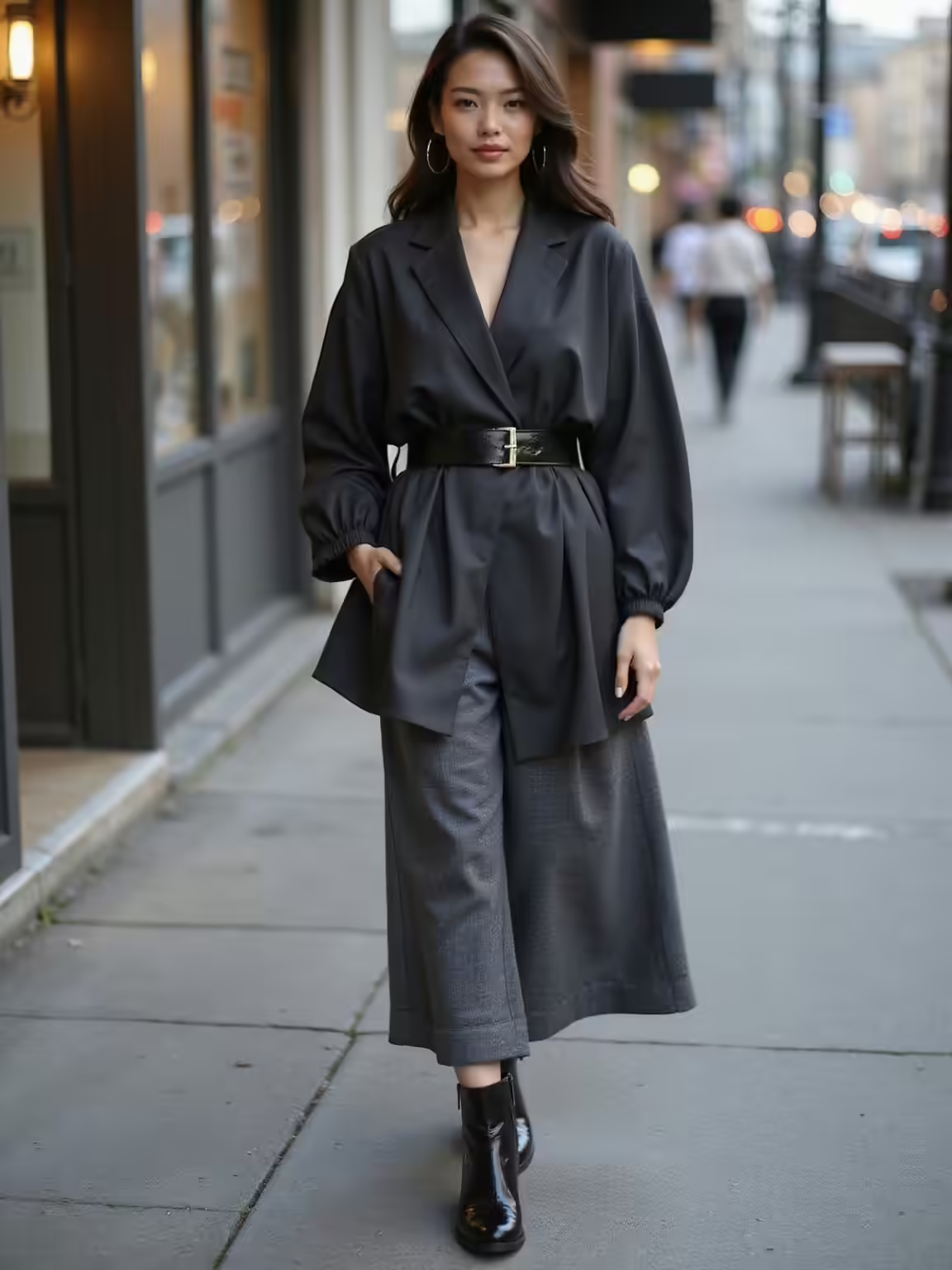

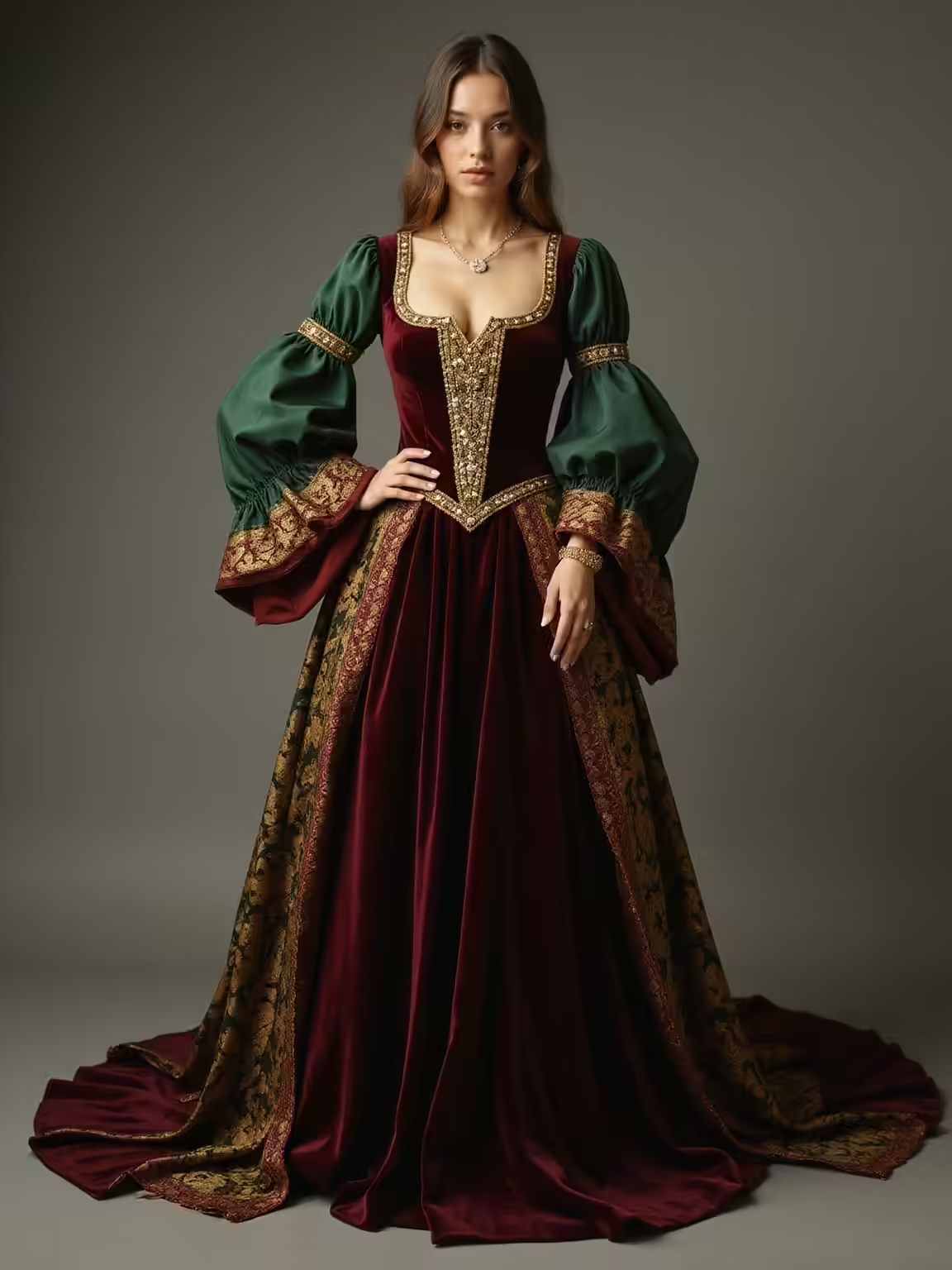
I love translating Renaissance portraits into wearable outfits that feel like late-afternoon scenes rather than costumes. I favor structured silhouettes softened with linen or brocade, measured embellishment—pearls, braids, subtle embroidery—and painterly colors like muted sienna, verdigris, and aged gold.
Think one focal element (voluminous sleeve or jeweled collar), tactile textures, and simple accessories to punctuate, not compete. I’ll show you how to pick fabrics, shape, and grooming so your look reads timelessly, season by season.
Who This Guide Is For and What You’ll Create
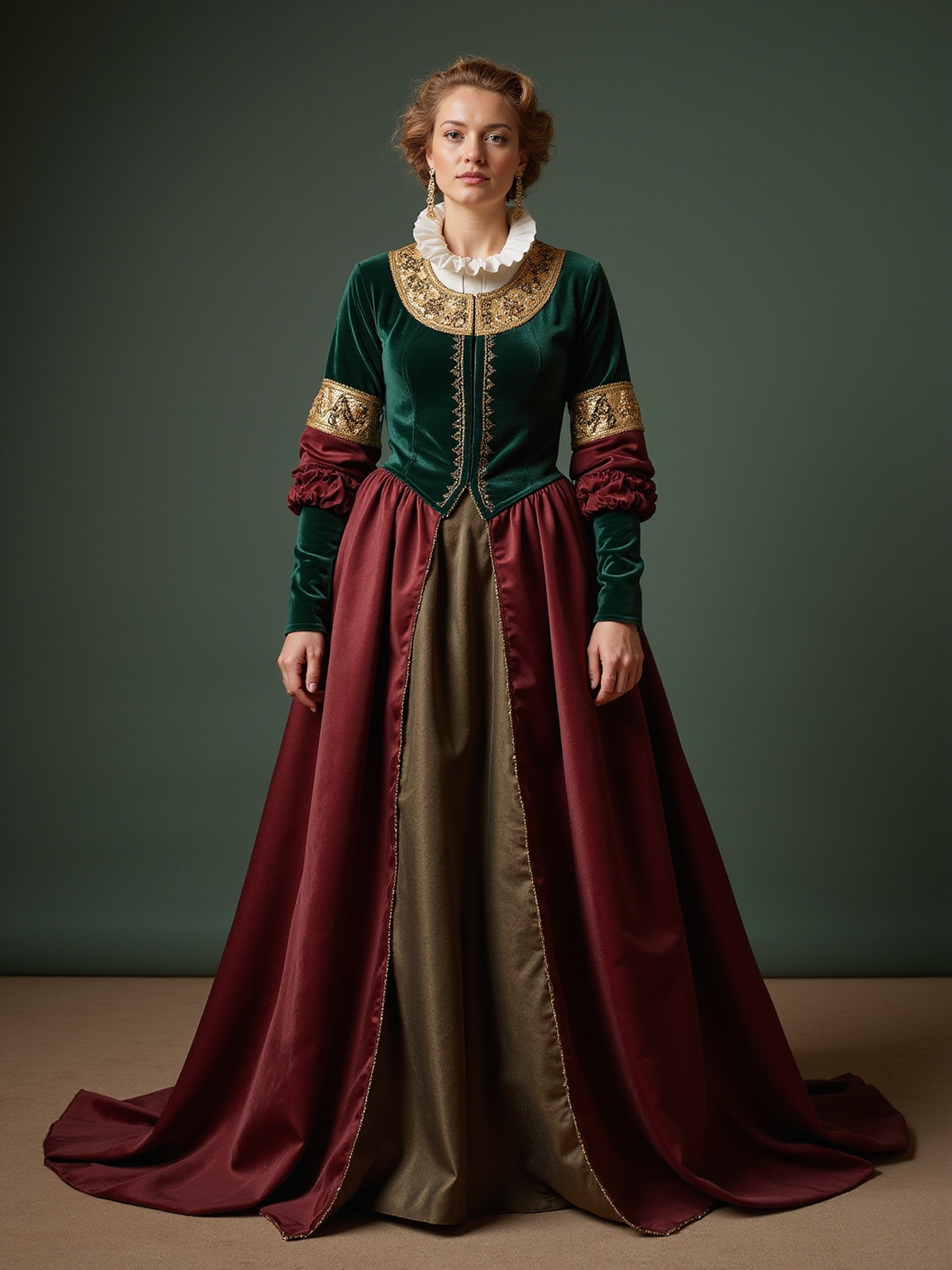
If you love the quiet drama of a ruffled cuff, the slow warmth of autumnal colors, or the way a velvet doublet can change how you carry yourself, this guide is for you; I’ll show you how to build Renaissance-inspired outfits that feel lived-in, elegant, and wearable today.
I write for curious dressers seeking thoughtful mixes of historical detail and modern ease—pieces you’ll actually wear.
For those drawn to timeless restraint, I’ll also suggest ways to achieve that quiet elegance in everyday looks, inspired by Old Money Outfit principles.
Core Elements: Silhouette, Fabric, Ornamentation
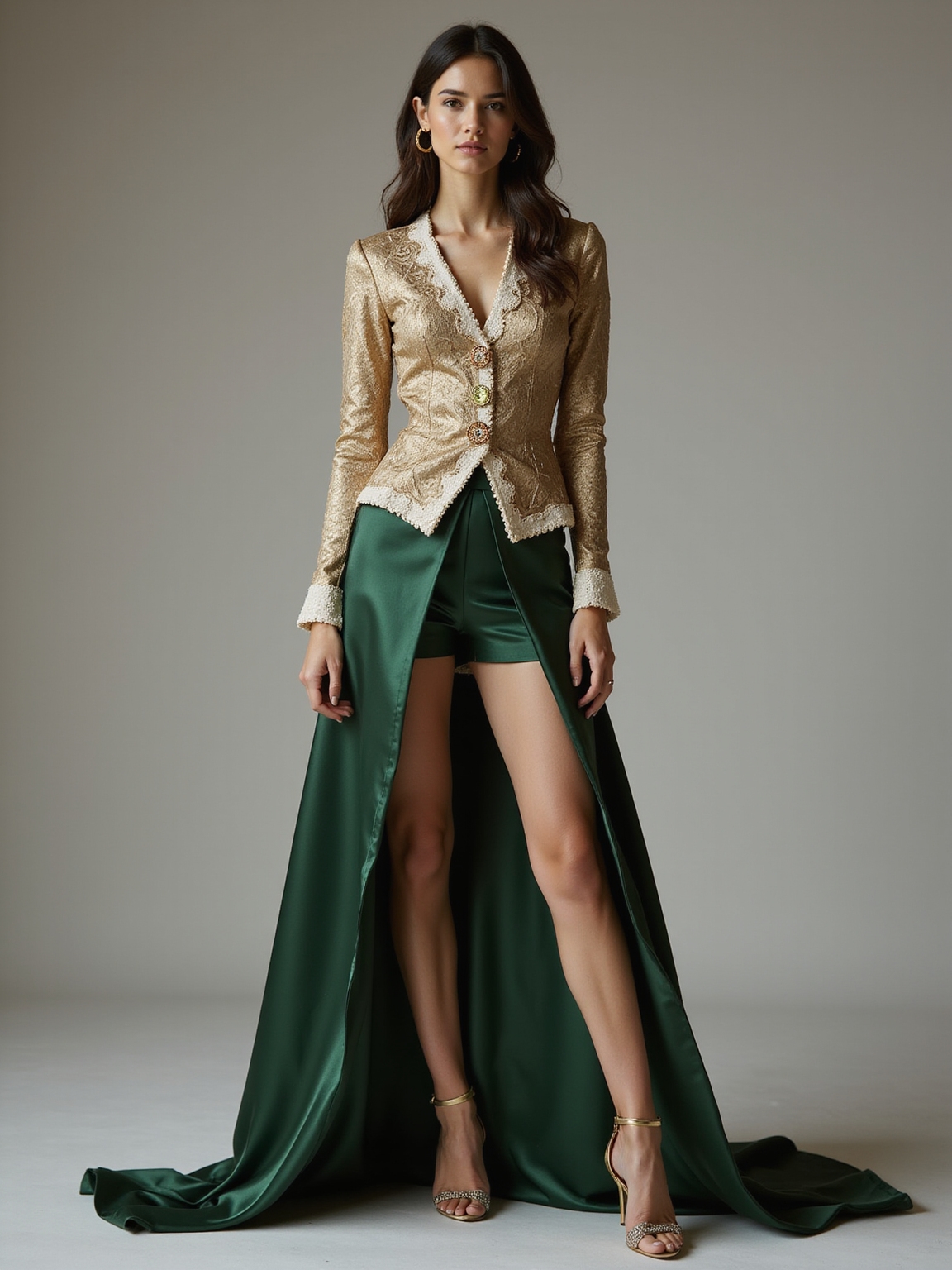
When I think about the core elements of a Renaissance aesthetic—silhouette, fabric, ornamentation—I look for how each part speaks to the others, like a chorus where one voice leads and the rest answer.
I favor structured silhouettes softened by tactile linens or brocades, and measured embellishment—pearls, braids, subtle embroidery—that catches light like late-afternoon gold without overwhelming the whole.
I often draw on timeless feminine outfits that embrace soft sophistication to ground the look in quiet elegance.
Painterly Color Palettes for Everyday Wear

I often reach for colors that feel painted by hand—muted siennas, smoky umbers, and soft verdigris—because they translate Renaissance richness into everyday ease.
I pair them with cream, deep navy, or aged gold accents, favoring texture over shine.
These tones age gracefully through seasons, lending quiet drama to simple pieces and inviting small, intentional contrasts that feel timeless rather than theatrical.
Old Money outfits often use cardigans to convey that same quiet luxury, embracing cardigan looks as versatile staples.
Choosing Silhouettes: Sleeves, Waists, Proportions
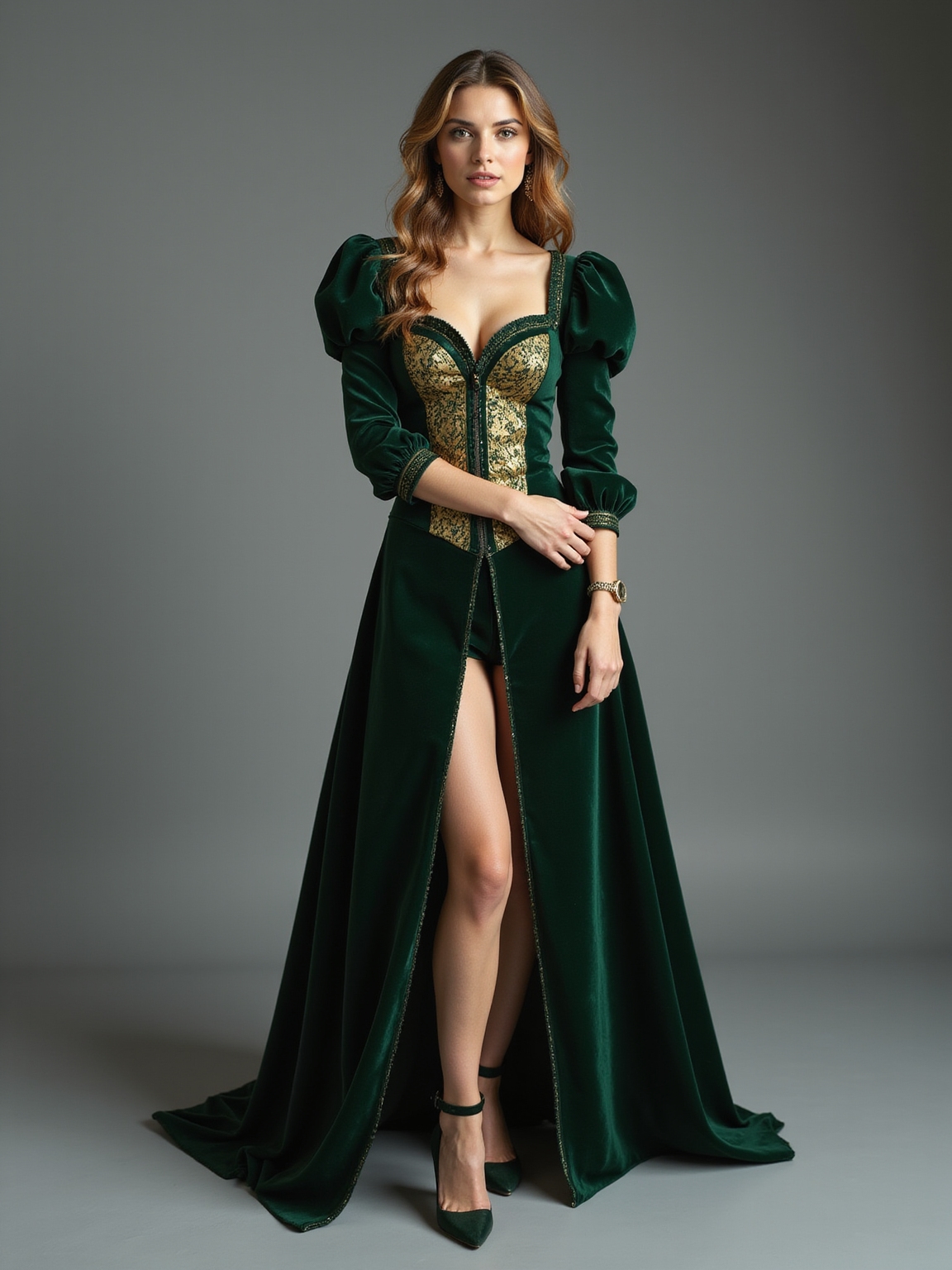
Those painterly colors invite a silhouette that feels sculpted yet easy; I reach for sleeves, waists, and proportions that echo Renaissance poise without fuss.
I favor gentle bishop sleeves, defined but not cinched waists, and balanced proportions that lengthen the torso or skirt depending on the day.
The effect feels composed, wearable, and quietly seasonal—a modern nod to classical posture.
Coquette Old Money style blends feminine with refined sensibility to complete the look.
Fabrics and Textures That Read Like Old-Master Paintings
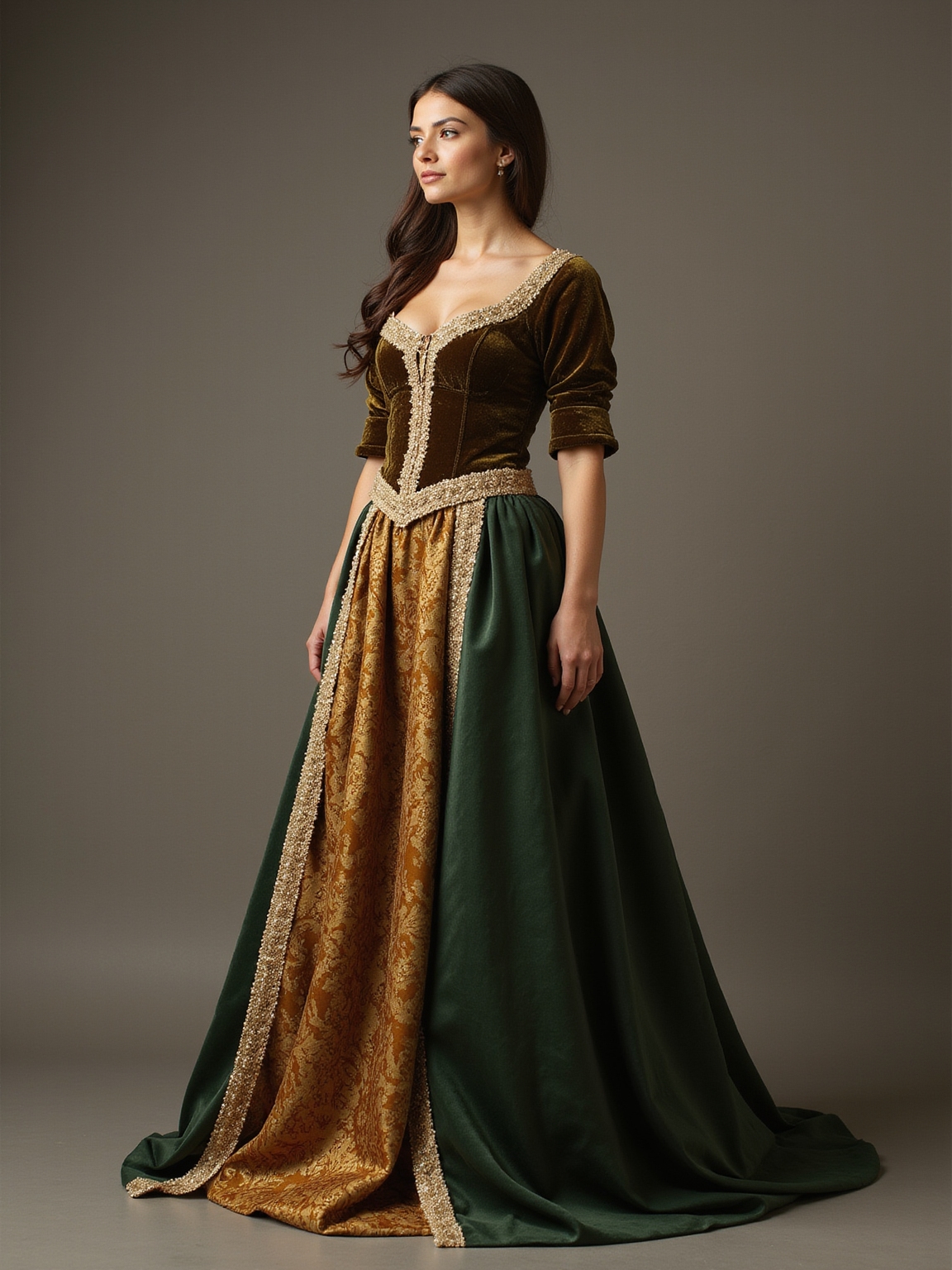
Although light and shadow are often what first pull me into a painting, it’s the surfaces—the way velvet swallows light, linen breathes, or brocade holds a pattern—that ultimately give a look its Old-Master soul.
I favor rich velvets, soft-worn linens, and metallic-threaded brocades, each layered with matte wool or silk to temper shine. These textures age beautifully, suggesting history, weight, and quiet warmth.
Timeless elegance for old money often leans on these classic fabrics to convey understated wealth and heritage.
Signature Accessories: Ruffs, Belts, and Headpieces
I love how a dramatic stiffened ruff frames the face like winter’s crisp air catching a candlelit portrait.
A sculpted waist belt can turn a simple gown into a story of lineage and purpose.
And when an embellished headpiece catches the light, it ties the whole look together with a whisper of ceremony.
Old Money Summer Looks From Fashion Week often updated these touches with modern tailoring and subtle detailing to keep the aesthetic relevant.
Dramatic Stiffened Ruffs
Why does a stiffened ruff still stop me in my tracks? I love how its crisp silhouette frames the face like autumn light, formal yet intimate.
I tuck hair, lift chin, and feel transported—textured linen, subtle starch, tiny pleats catching wind.
It balances a soft gown, commands attention without shouting, and turns ordinary moments into portrait-worthy pauses.
This understated drama echoes the ethos of Old Rich Money dressing, where clothes whisper luxury rather than scream it.
Ornate Waist Belts
I cinch an ornate waist belt and feel the whole outfit come into focus—metal filigree, braided leather, or jeweled straps tracing the waist like a subtle halo.
It anchors flowing skirts, balances tailored doublets, and catches autumn light with quiet brilliance. I tuck a sprig or ribbon into a buckle, savoring how this small clasp offers structure, warmth, and a whisper of old-world ceremony.
Many seek Timeless Old Money skirt looks as complementary pieces to these Renaissance-inspired ensembles.
Embellished Headpieces
A circlet, coif, or feathered cap can change how you hold your head—so I choose each piece like a punctuation mark for my face.
I favor pearls and gilt, sprigs of lavender or a soft plume, balancing formality with ease.
A ruffle frames the throat; a jeweled band catches light.
Wearing them, I move through autumn streets with quiet, painted grace.
Modern Anchors: Pairing Renaissance With Basics
When I mix a brocade doublet or ruffled blouse with a simple tee and well-worn jeans, the look feels deliberate rather than costume-y.
I balance ornate sleeves with plain sneakers, tuck delicate collars into faded belts, and let a single antique brooch punctuate an otherwise quiet outfit.
It’s a gentle dialogue between eras—autumnal warmth against everyday ease, textured history made wearable.
Starter Renaissance-Inspired Outfits (5 Easy Looks)
I’ll walk you through five easy looks that mix soft puff sleeve tops with high-waist full skirts for an effortless, old-world feel.
Small touches—like an embellished neckline or a ribbon-tied bodice—bring a quietly luxurious finishing note without feeling costume-y.
Think warm afternoons and crisp evenings, where each piece feels both wearable and a little poetic.
Soft Puff Sleeve Tops
Often I reach for a soft puff sleeve top when I want a quick nod to Renaissance romance without feeling costumey.
I pair breathable cotton or silk blends with simple jewelry, letting sleeves whisper historic charm while the rest stays modern.
In crisp mornings or golden afternoons, that gentle silhouette lifts an outfit—subtle, tactile, and perfectly suited to wandering markets or lingering over tea.
High-Waist Full Skirts
Between sunlight and shadow I lean toward high-waist full skirts for an easy, wearable touch of Renaissance drama—they cinch the waist, billow like a promise, and make simple tops feel intentional.
I pair them with soft knit sweaters or fitted blouses, choosing muted linens and deep autumnal tones.
They move like a quiet story, practical for city walks yet poetically nostalgic.
Embellished Neckline Details
High-waist skirts set the stage, but it’s the neckline that tells the room who you are; I lean into embellished collars to anchor an outfit with just a whisper of baroque flourish.
I pick embroidered ruffs, jeweled chokers, or lace-edged fichus to frame the face, balancing texture and light.
They make ordinary blouses feel ceremonious, perfect for crisp afternoons when details quietly sing.
Statement Renaissance Looks for Events and Shoots
When I plan a statement Renaissance look for an event or a shoot, I think about how a single silhouette can tell a whole story—voluminous sleeves that catch the light, a bodice shaped like a promise, and textures that beg to be touched.
I choose a focal element, balance with simple accessories, favor rich seasonal tones, and move slowly so the outfit reads like a scene, not a costume.
Where to Buy: Vintage, Artisan, and Budget Finds
I love hunting for wardrobe treasures at sun-warmed vintage markets, where faded brocades and brass buttons seem to hold stories.
I also turn to local artisans and small online makers for affordable pieces with thoughtful details that feel hand-touched rather than mass-made.
Let me show you where to find both charming secondhand gems and budget-friendly artisan options that suit a modern Renaissance mood.
Vintage Market Finds
I wander through stalls of creaking wood and canvas, hunting pieces that whisper of another era but still feel wearable today. I trace faded brocade, bargain with a smile, and imagine autumn light on sleeves.
Finds surprise: small imperfections become character, textures speak history, and affordability helps style stay soulful.
- Boxy cropped jackets
- Embroidered waistcoats
- Patinaed brass brooches
Affordable Artisan Options
Wandering from the vintage stalls, I keep my eyes open for artisan makers and bargain corners that echo the same worn elegance.
I chat with potters, seamsters, and small dyers—finding hand-stitched collars, brass buttons, and tea-stained linens priced kindly.
I mix one handcrafted piece with thrifted treasures, letting seasonal hues guide selections so looks feel curated, gentle, and surprisingly affordable.
Simple DIY Tweaks and Tailoring Tips
Although a few small changes can feel almost secret, I find that simple DIY tweaks and careful tailoring turn ordinary clothes into pieces that quietly sing of another time.
I alter hems, add subtle cuffs, and stitch soft gathers where fabric needs a gentle bloom.
- Narrow sleeves for historical silhouette
- Hand-stitched trims for texture
- Softened waistlines for comfort and grace
Hair, Makeup, and Grooming to Complete the Look
I’ll show you how soft, sculpted updos—loose rolls, gentle braids pinned with a stray tendril—frame the face like a portrait from an autumn gallery.
Pair that with a naturally flushed complexion: cream blush warmed along the apples and temple to mimic a brisk walk through orchard air.
With simple grooming and a light hand, the whole look feels lived-in and quietly refined.
Soft Sculpted Updos
I gather my tools and think of hair as clay — pliant, ready to be coaxed into soft, sculpted updos that feel both timeless and fresh.
I twist, pin, and ease stray tendrils to frame the face, imagining candlelit portraits and late‑summer air.
- Loose chignons with soft volume
- Ribboned braids tucked and softened
- Strategic pins for gentle structure
Natural Flushed Complexion
Having settled the hair into those soft, sculpted shapes, I turn my attention to the skin—wanting that faint, sun-warmed bloom that makes the whole look feel lived-in and luminous.
I dab a cream blush across apples and bridge of nose, blend with fingertips, and set sparingly. A touch of translucent powder and brows brushed up finish a complexion that reads natural, warm, and quietly radiant.
Seasonal Styling: Hot, Cold, and Transitional Climates
Although the Renaissance‘s layered silhouettes might seem at odds with summer heat or winter chill, I love adapting those historic shapes to whatever season I’m dressing for.
I balance fabric, proportion, and intent so each outfit breathes or shelters as needed.
- Lightweight linens, open sleeves for hot days
- Wool blends, high collars for cold
- Draped layers, removable pieces for shifts
How to Avoid Looking Like a Costume
Often I steer clear of literal replicas and instead translate Renaissance cues into pieces I can actually live in—because dressing with historical references shouldn’t make you feel like you’re on stage.
I balance drama with restraint: muted palettes, modern cuts, and one statement accessory. Textures whisper rather than shout.
I let proportion and fabric suggest an era while keeping silhouette wearable for real days and shifting seasons.
Building a Capsule of Renaissance-Inspired Pieces
With a few carefully chosen pieces, I build a small wardrobe that hints at the Renaissance without tipping into costume — a grounded mix of quality basics, a handful of statement items, and flexible layering that carry you through seasons and occasions.
I favor texture, tonal depth, and versatile silhouettes that feel heirloom-worn, not theatrical.
- Tailored blouse in ivory or deep ochre
- Wool skirt or trouser in muted jewel
- Structured jacket with subtle embroidery
I’ve loved exploring how painterly silhouettes, textures and muted jewel tones translate into everyday outfits — and you can too.
Fun fact: 68% of people say vintage-inspired dressing makes them feel more confident, so these looks aren’t just pretty, they lift your mood.
Keep one or two statement pieces, balance them with modern tailoring, and let seasonal fabrics and a soft, deliberate palette make each outfit feel like a small, lived-in masterpiece.