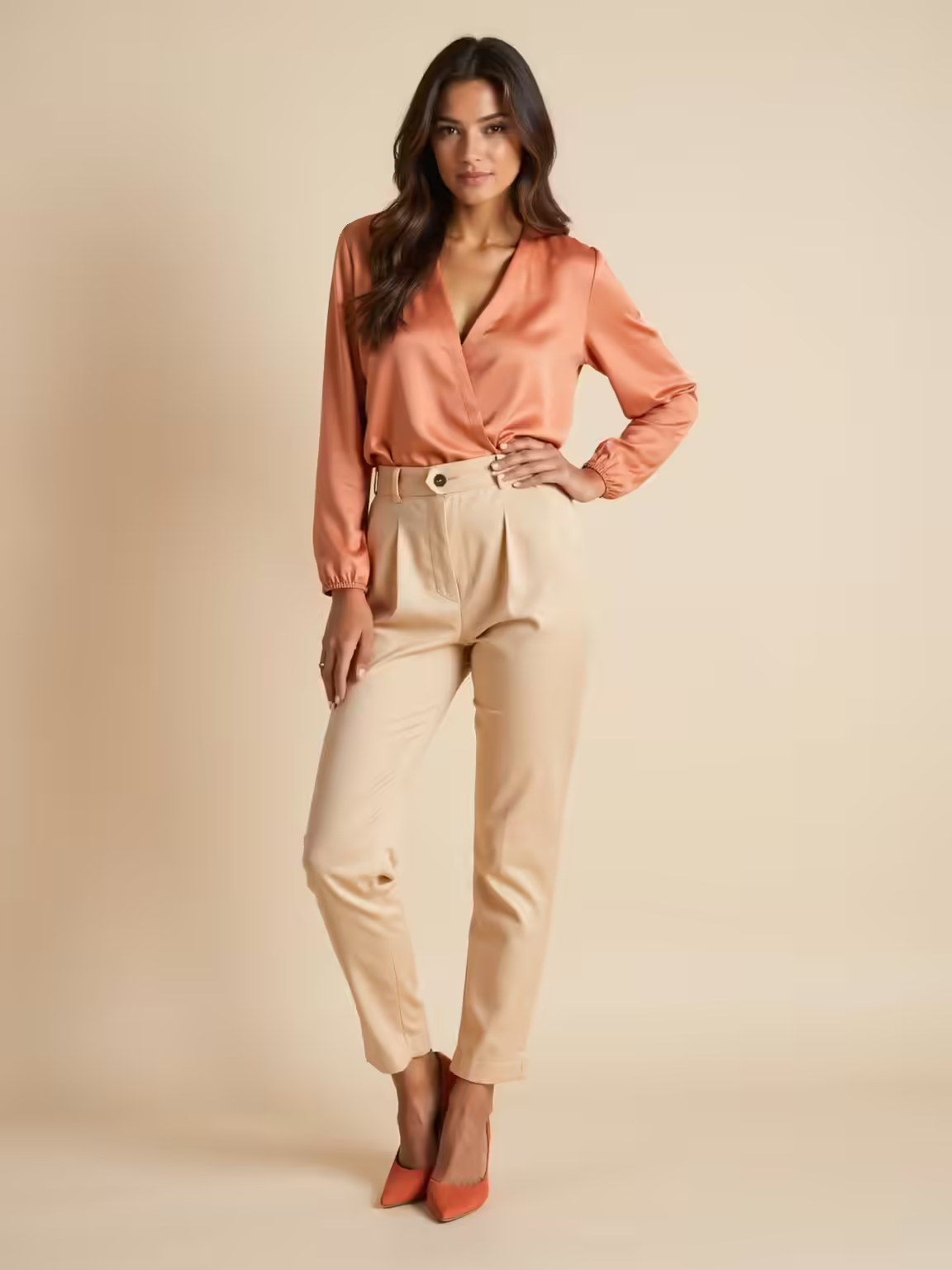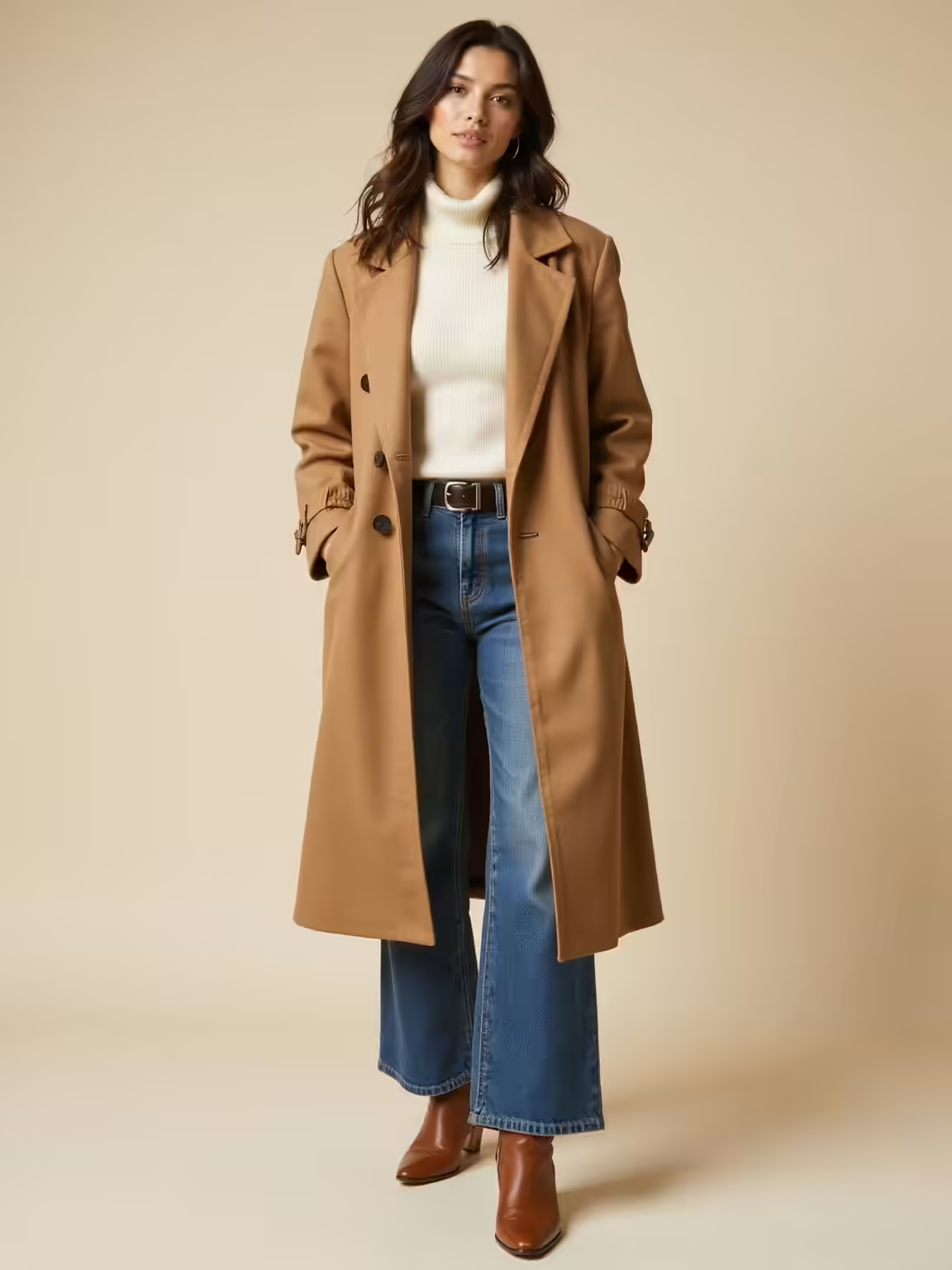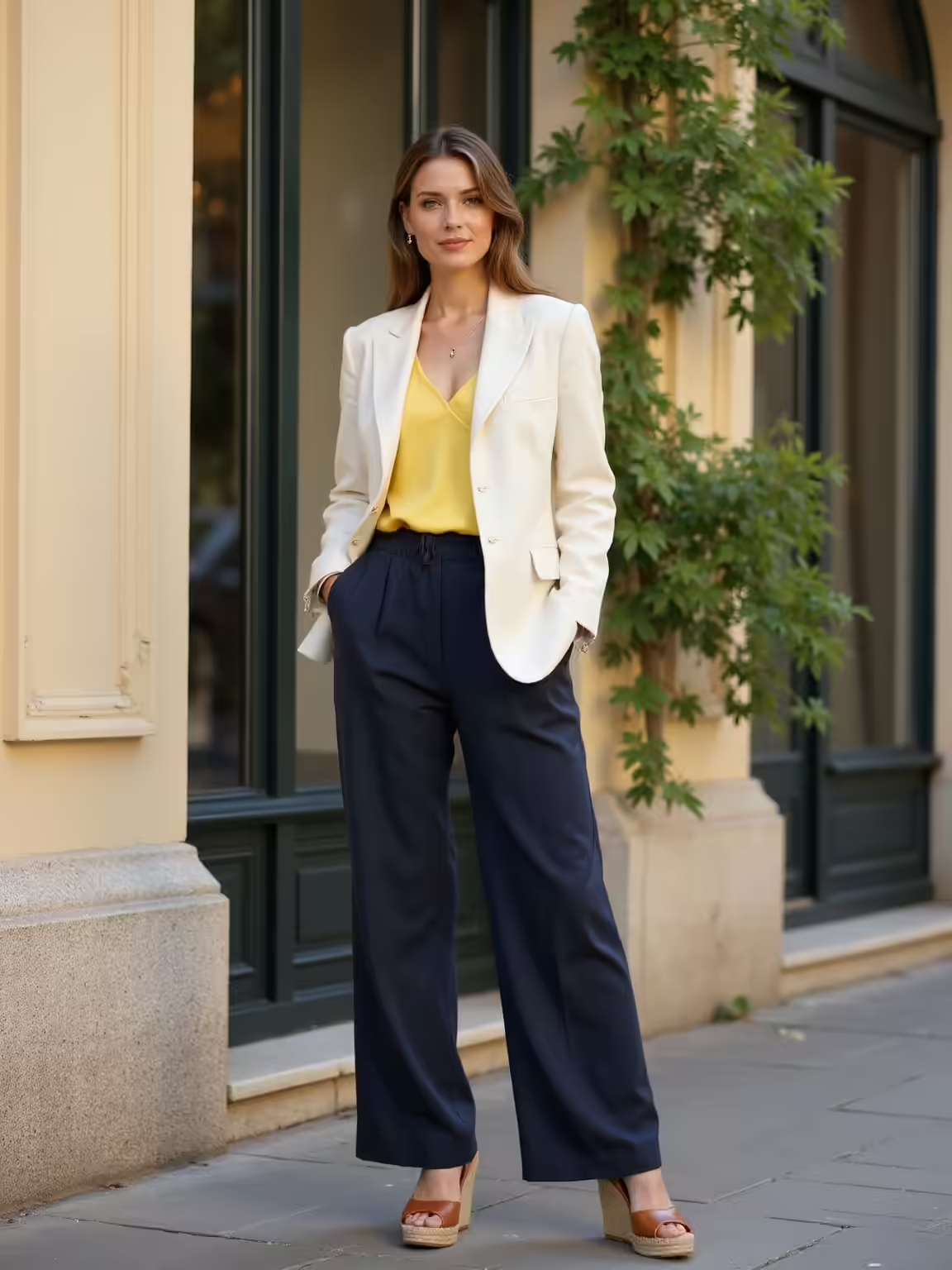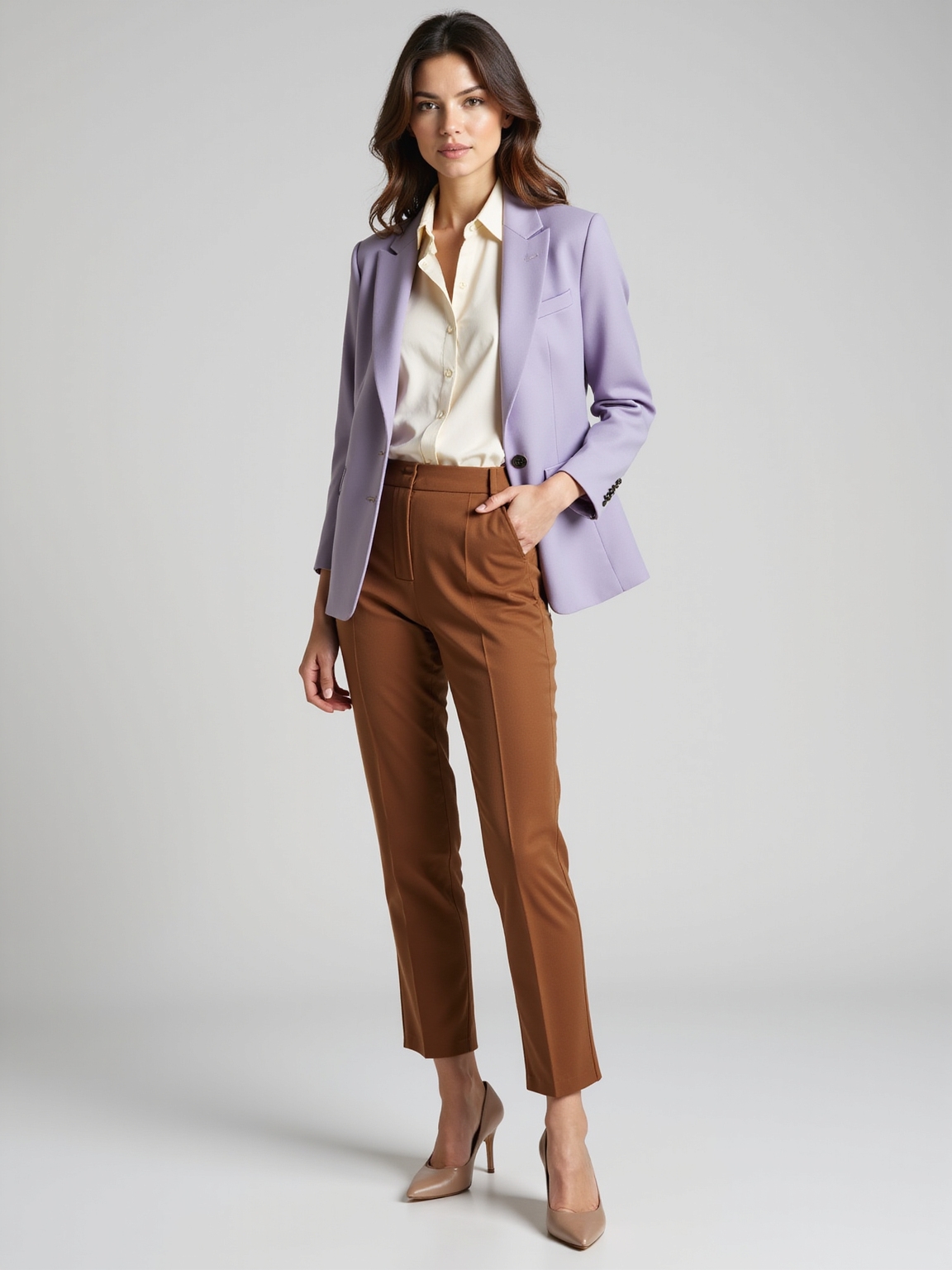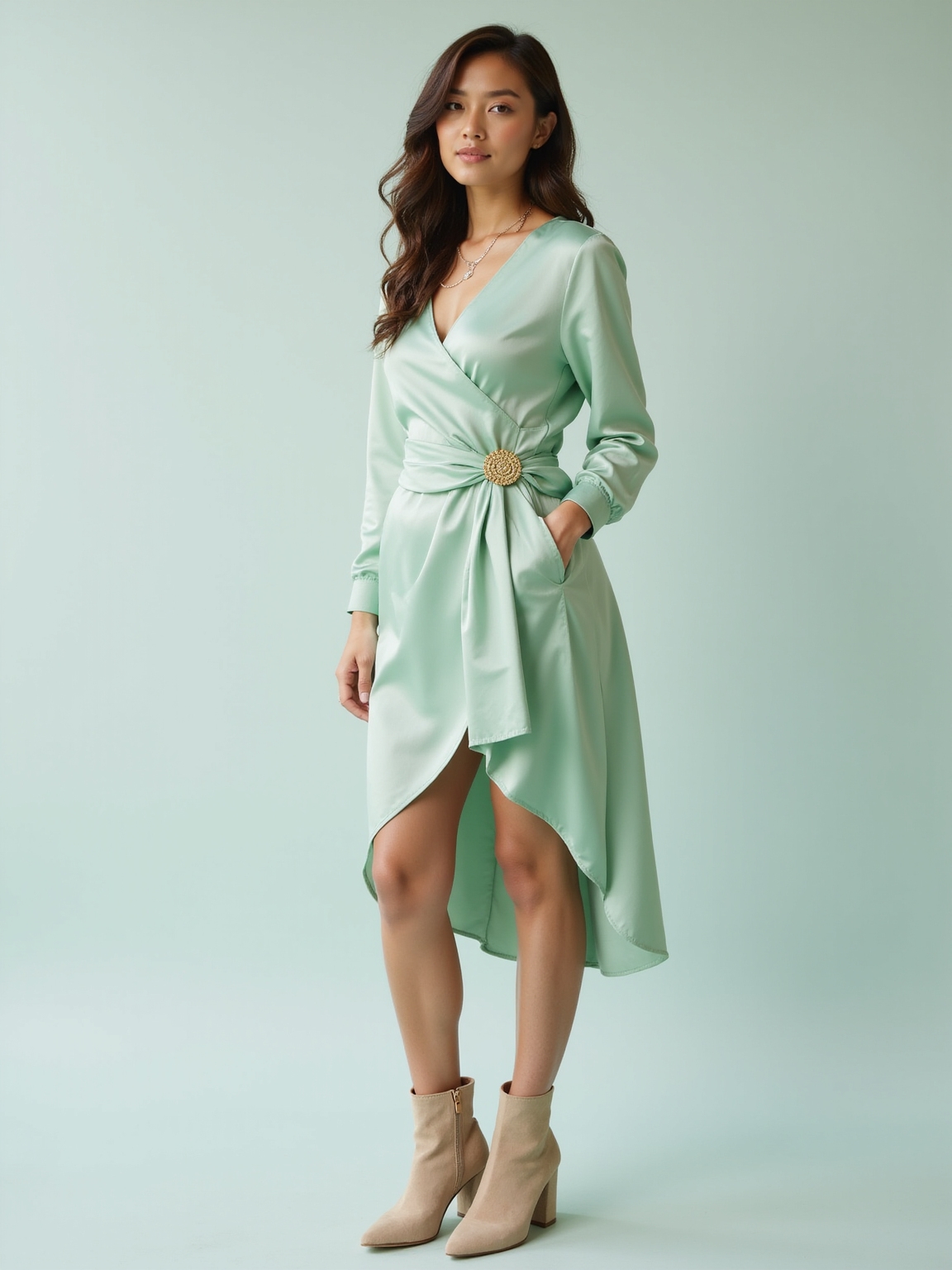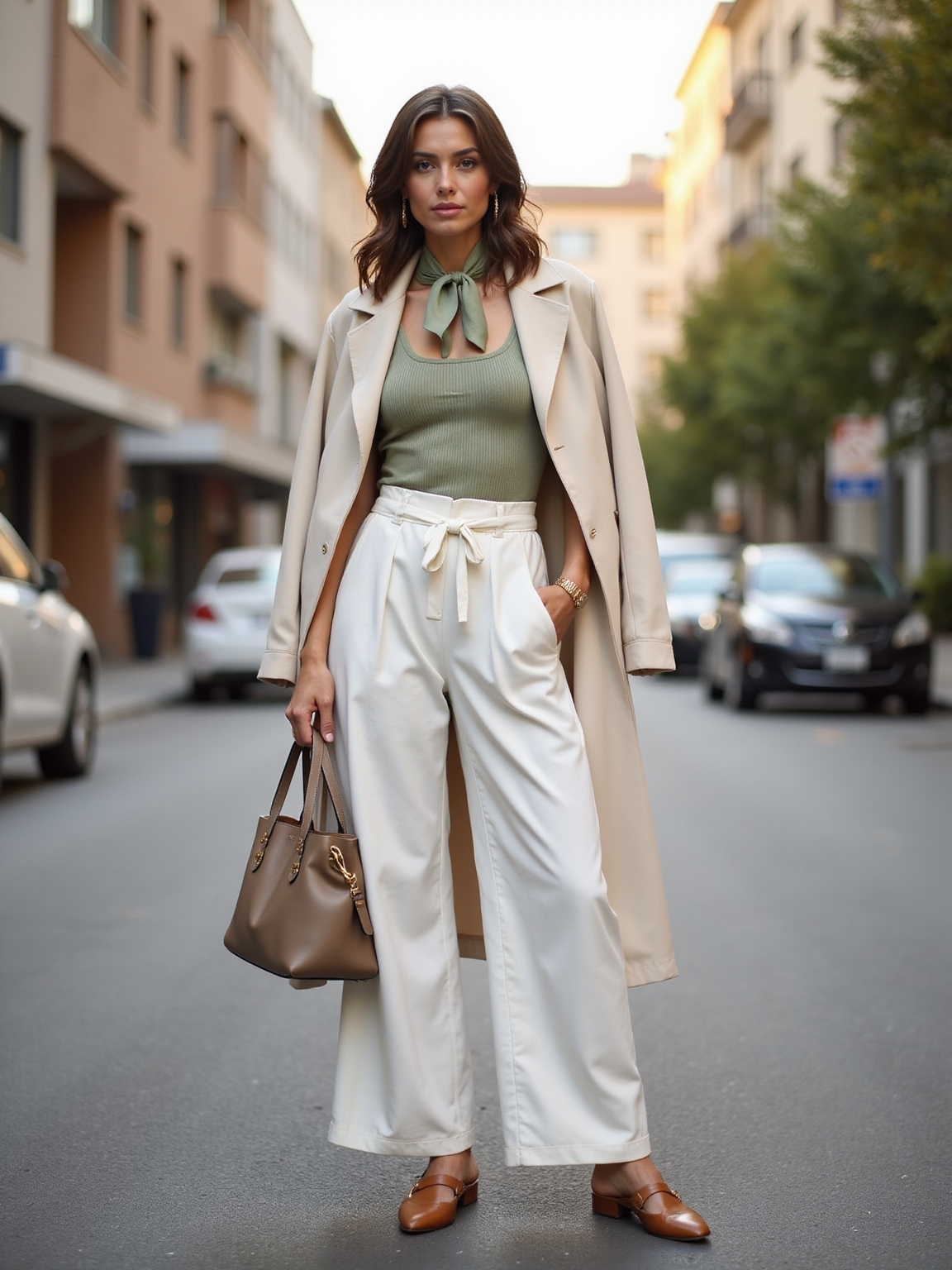

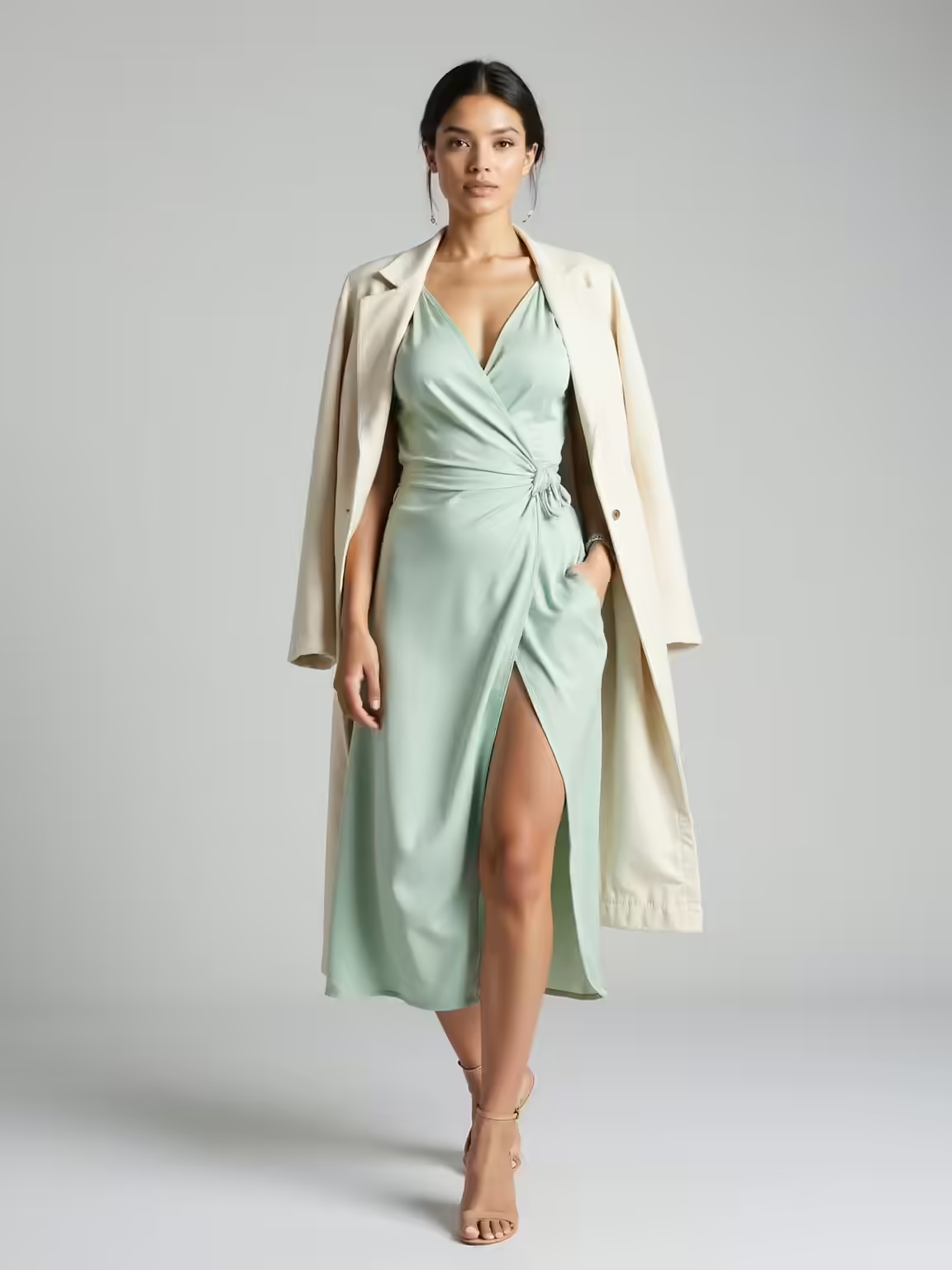
I’ve packed spring outfit advice so you look polished from every angle: choose breathable, matte fabrics in warm corals, soft mint, or true navy; favor V-necks or rounded collars; balance proportions with tucked tops or belts.
Pick mid-scale prints that don’t hit widening points; layer light cardigans or structured blazers; keep accessories minimal and movement-friendly; smooth seams and have a mini kit for tucks and quick stitches. Stick with these and I’ll share precise hacks and outfit combos next.
Quick Camera-Ready Checklist for Spring Outfits
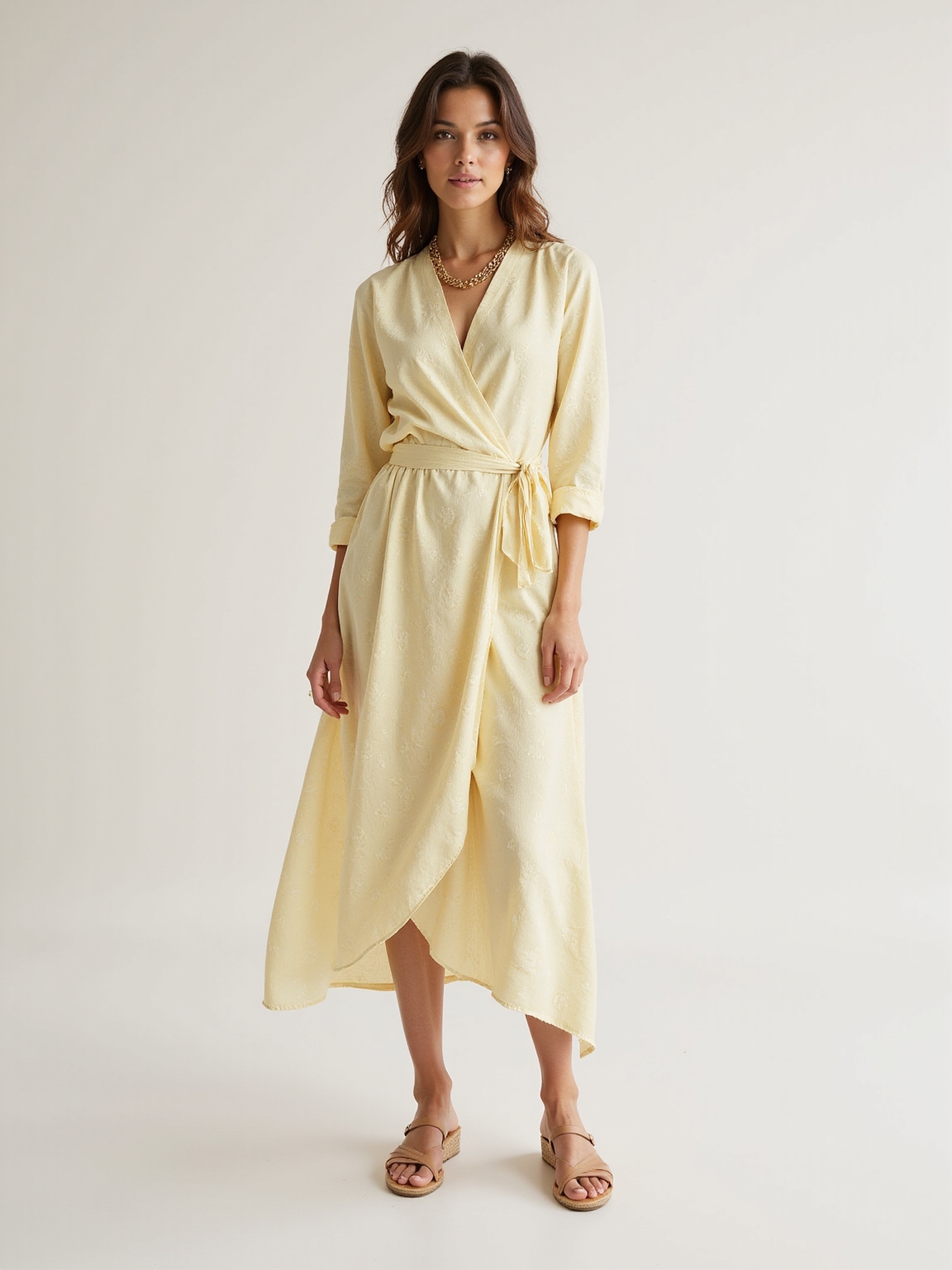
Because spring light changes so quickly, I always run a quick camera-ready checklist before we shoot—just to be sure nothing will distract from the photo.
I scan for stray tags, wrinkles, static, and clashing patterns, smooth hems, and adjust layers for temperature. I tidy accessories, check shoes and posture, and confirm colors read true in shade and sun so your portrait feels effortless.
I also aim for coordinated family outfits that look unified without being overly matchy.
Front-Facing Outfit Rules That Flatter
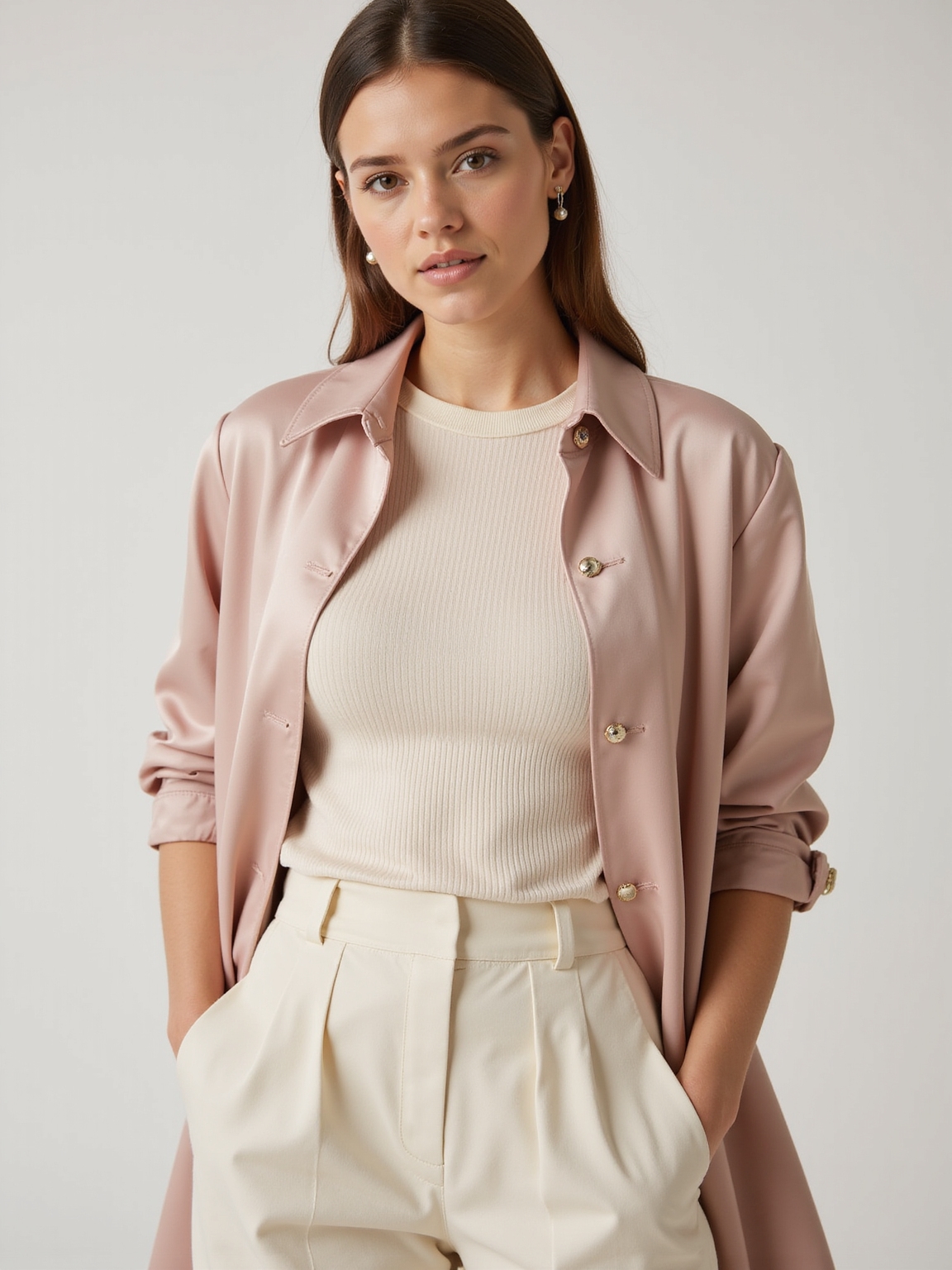
When I guide clients through front-facing outfit choices, I focus on clean lines, balanced proportions, and small details that read well on camera—so the eye lands on your face, not a distracting hem or competing pattern.
I recommend spring hues, fitted yet forgiving tops, subtle necklines, and minimal jewelry to frame you. Avoid heavy logos; choose texture over loud prints for a polished, effortless look.
I also draw on principles from Chic Autumn Office styling to incorporate season-appropriate layering and refined silhouettes.
Side-Profile Tips to Sculpt Your Silhouette
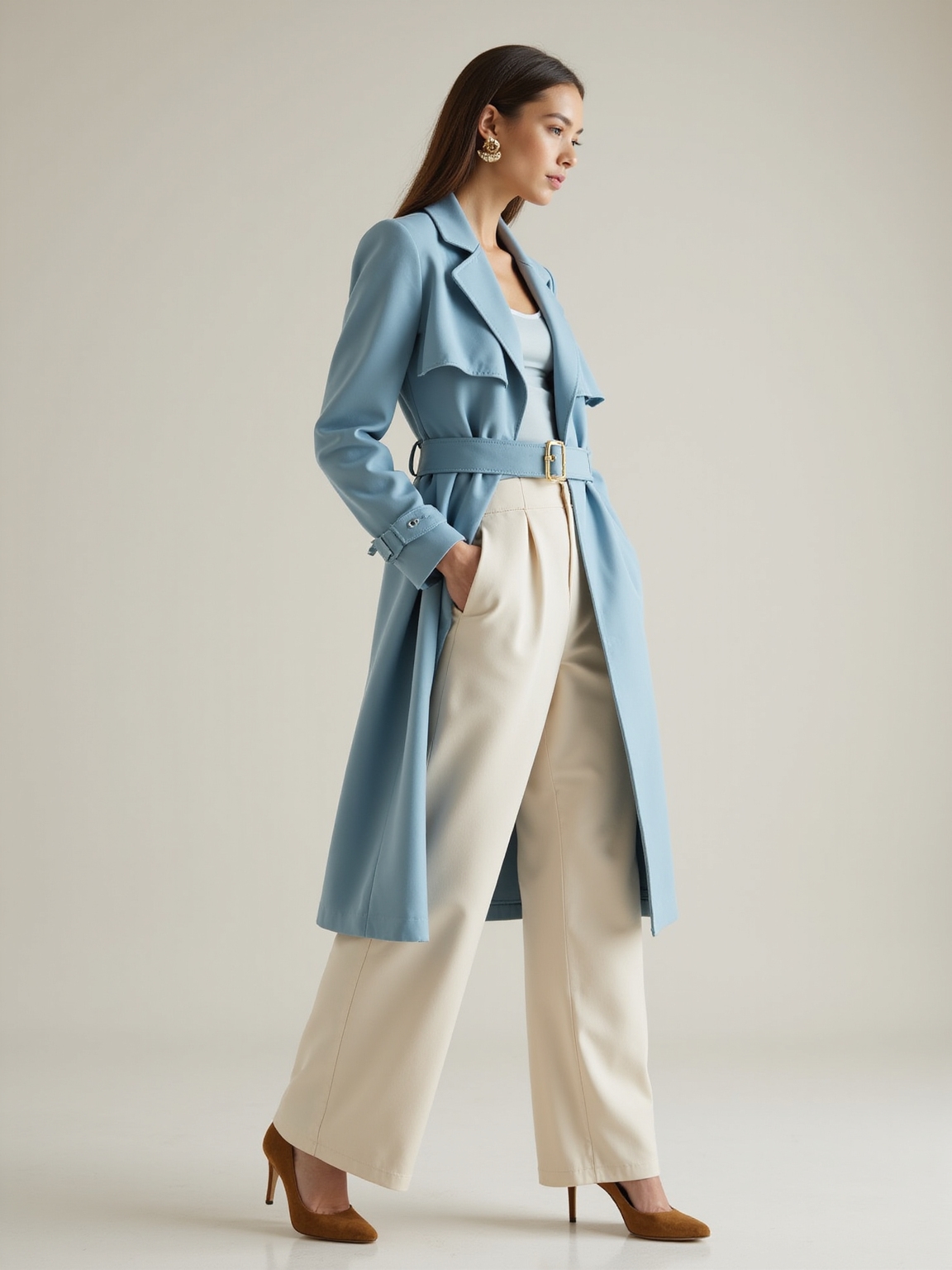
When I turn slightly to the side for spring photos, I gently angle my shoulders forward to create a softer line.
I like to define my waist with a tucked top or a belted dress so the silhouette reads crisp on camera.
A pair of flattering heels lifts my posture and elongates the leg, finishing the look.
Light, breathable fabrics like lightweight summer pieces help keep you comfortable and camera-ready in warm weather.
Angle Your Shoulders Forward
Leaning my shoulders slightly forward is my go-to trick for flattering side-profile shots; it softens the back line, lifts the chest, and creates a cleaner waist-to-shoulder silhouette without looking forced.
I pair this with relaxed arms and a gentle chin tuck, letting spring layers and light fabrics drape naturally so my posture reads polished, fresh, and effortlessly camera-ready.
Cozy fall layers like lightweight sweaters and tailored coats can inspire spring layering that keeps outfits chic and structured while remaining breathable, with options that transition well between seasons and emphasize stylish fall outfits.
Define The Waistline
Tucking a light layer or adding a defined belt is my favorite quick fix for sculpting the side profile; it cinches the waist just enough to create a clean hourglass suggestion without feeling tight.
I also opt for high-waist skirts or a fitted camisole under a breezy jacket to elongate the torso. Soft spring fabrics keep the look fresh and comfortable while highlighting shape.
For office-appropriate spring looks, I often borrow textures and layering strategies from Cozy and Polished Fall Looks to balance warmth and refinement while maintaining a camera-ready silhouette.
Choose Flattering Heels
After cinching the waist, I like to think about footwear—the right heel lifts your posture and visually lengthens the leg from the side, finishing the hourglass suggestion you’ve already created.
I pick mid-height block or slingback heels for spring: stable, chic, and camera-friendly. Opt for a nude or soft pastel to extend the line, balance proportions, and keep the look fresh and effortless.
I also recommend incorporating chic spring outfits into your overall styling to maintain a cohesive, season-appropriate look.
Back-View Tips: Seams, Details, and Posture
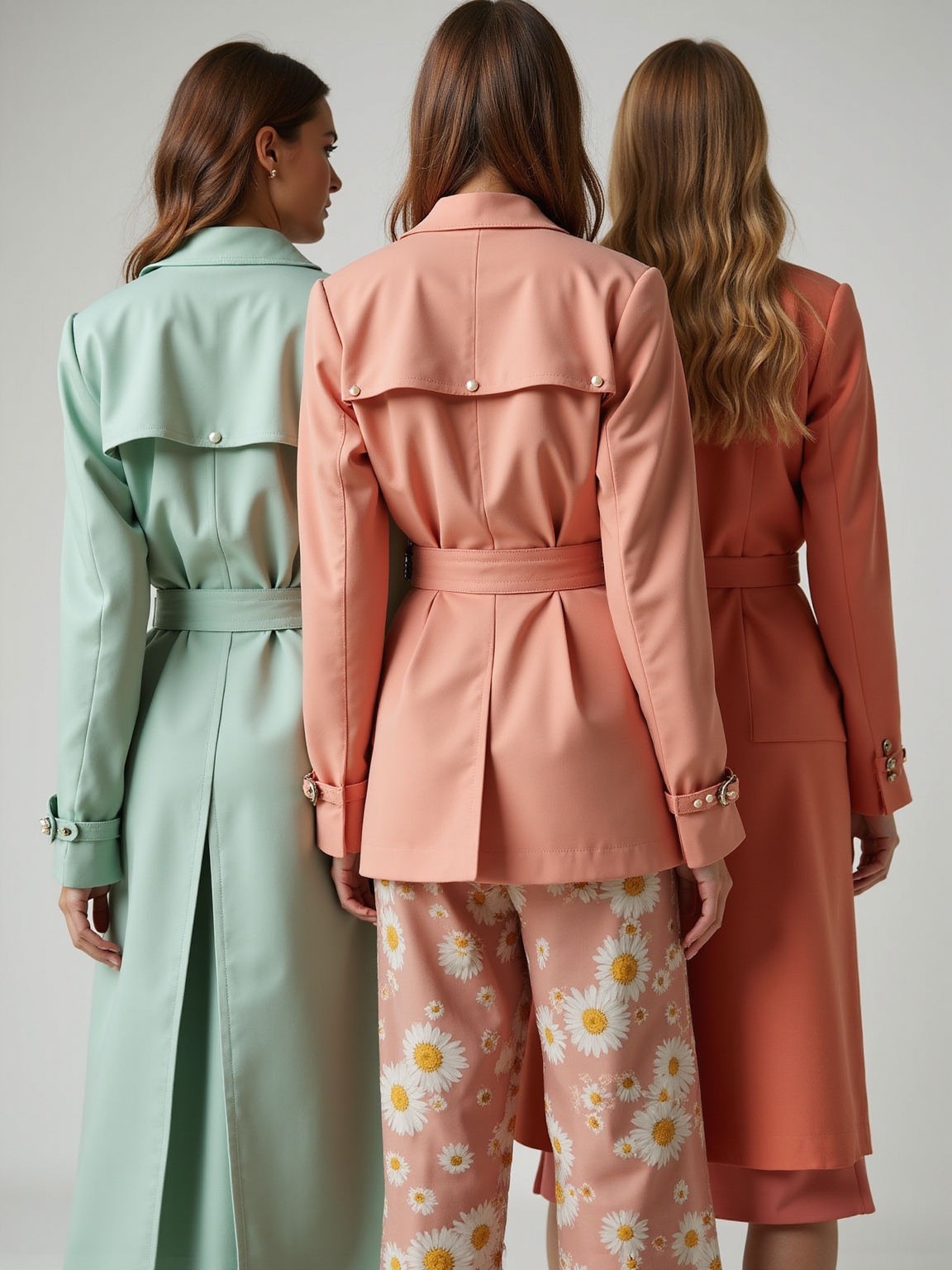
When I check the back view of my outfit, I look for seams, darts, and subtle details that either flatter or fight my silhouette; they tell you as much about fit as the front does.
I smooth creases, guarantee waist seams land correctly, and favor details—pleats, yokes, topstitching—that guide the eye.
I stand tall, shoulders relaxed, letting posture polish the whole look.
Layer softly with a cardigan to add texture and depth while maintaining shape and clean lines.
Fabrics That Photograph Best in Natural Light
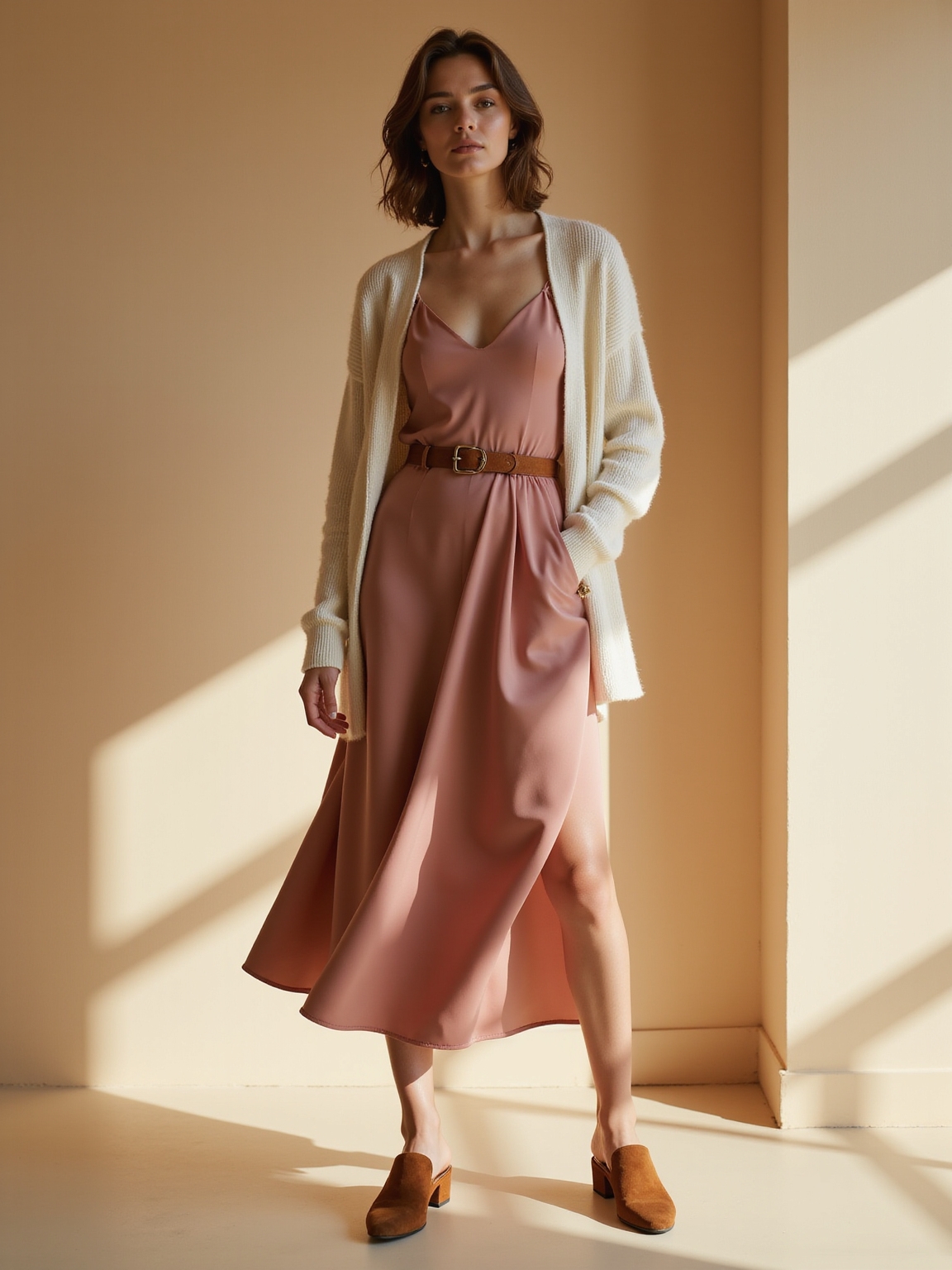
I love choosing fabrics that catch spring light just right, and I’ll walk you through the classics that always work.
Natural fibers like cotton and linen read warm and true, lightweight sheers add romantic layers without overwhelming, and I’ll explain when matte finishes beat shiny ones for portraits.
Together these choices help your outfit feel effortless and photograph beautifully in daylight.
Classy spring outfits built from timeless pieces never go out of style, so you’ll look camera-ready from every angle.
Natural Fiber Classics
A linen shirt drapes differently in late-morning sun than any synthetic blend, and I’ll always reach for natural fibers first for spring photos.
They breathe, soften highlights, and feel timeless against green backdrops.
- Cotton: crisp, matte, reliable.
- Linen: textured, airy, beautifully rumpled.
- Silk: luminous, lightweight, flattering on camera.
Lightweight Sheer Layers
Slide on a gauzy layer and watch how light becomes the outfit’s co-conspirator; I reach for sheers in spring because they catch sun and breeze in the most flattering, painterly ways.
I layer a translucent blouse over a simple slip, choosing soft pastels and subtle prints. Sheer fabrics add depth, movement, and a whisper of texture that photographs beautifully in natural light.
Matte Versus Shine
While I love a hint of shimmer for evening shots, I lean on matte fabrics for spring daytime pictures because they read truer under natural light and keep the focus on you, not reflections. Matte textures flatter skin tones, prevent glare, and feel timeless.
Consider these picks:
- Cotton poplin for crisp portraits
- Linen blends for soft drape
- Matte satin for subtle luxe
Colors That Pop (and Colors That Wash You Out)
Wondering which hues will make you glow in spring photos? I lean into warm corals, soft mint, and true navy to boost my complexion and eyes; they read lively on camera without overpowering.
I skip washed-out beiges, pale yellows, and graying pastels that flatten skin. If unsure, I add a jewel-toned accessory—a scarf or earring—to test what truly flatters.
Fit Fixes: Where to Tailor and Where to Loosen
Because a photo-ready outfit is as much about silhouette as color, I focus on small tailoring tweaks that make a big difference and on where a little looseness actually reads better on camera.
I’ll show you quick fixes and relaxed choices that flatter spring light.
- Hem trousers for clean lines.
- Slight waist nips, not extremes.
- Soft sleeves and drape for movement.
Necklines and Collars That Frame Your Face
I love how a simple V-neck can visually lengthen the neck and make your face the star of spring photos.
Rounded collars, on the other hand, offer a soft, balancing frame that feels fresh and friendly for sunny shoots. Let’s look at how each shape works with different necklines and face shapes so your outfit does the flattering work.
V-Necks That Elongate
I usually reach for a V-neck when I want my neckline to feel longer and my face to take center stage. It flatters collarbones, pairs with lightweight spring layers, and photographs cleanly.
I prefer soft cotton or silk blends for warmth and drape.
- V-neck length: mid to deep for elongation
- Fabrics: breathable, structured drape
- Accessories: delicate pendants only
Rounded Collars For Balance
When I want to soften a jawline or add a touch of vintage charm to a spring picture outfit, I reach for rounded collars—they frame the face without competing for attention.
They tidy a neckline, pair beautifully with soft waves or a low bun, and balance structured shoulders.
I choose light fabrics and gentle prints so the collar complements my features and the season’s effortless warmth.
Best Skirt and Pant Lengths for Photos
I often recommend choosing skirt and pant lengths that flatter your proportions and move well on camera, because a little thought about hemline can change the whole feel of a photo.
I prefer clean lines and easy movement; proportion is key.
- Midi: elongates with fitted waist, breezy hem.
- Cropped: modern, shows ankle for balance.
- Full-length: sleek, avoid pooling fabric.
Layering That Photographs Well: Jackets, Cardigans, Wraps
Because layers can make or break a look on camera, I choose jackets, cardigans, and wraps that add shape without stealing focus.
I favor structured blazers, soft drapey cardigans, and lightweight wraps that frame the waist or shoulders. They add depth, control silhouette, and offer warmth for spring shoots.
I avoid bulky proportions and keep colors complementary to the base outfit.
Prints and Patterns: Scale, Placement, and Camera Behavior
I pay attention to the scale and proportion of prints so a floral or stripe complements my frame without overwhelming it.
I also think about placement and movement—how a pattern falls on the body and shifts when I walk makes a big difference on camera.
Let’s look at which sizes and placements read best in spring light and on screen.
Scale And Proportion
While planning spring shoots, I pay close attention to scale and proportion in prints—big florals read differently on camera than tiny ditsy patterns, and where a motif sits on the body matters just as much as its size.
I choose prints that flatter silhouette and focal points, balancing contrast and spacing for clear photographic impact.
- Large motifs anchor frames.
- Small repeats refine texture.
- Mid-scale mixes unify outfits.
Placement And Movement
As prints hit the spring breeze and bodies shift, I’m thinking about where patterns sit and how they move—because placement changes everything on camera.
I watch seams, hemlines, and where motifs fall: a floral at the hip can widen, a vertical stripe lengthens.
I recommend testing movement—twirl, walk, lean—so your print flatters every angle and reads cleanly in photos.
Accessories That Enhance Photos Without Distracting
Though a great outfit can stand on its own, I love adding small accessories that lift a spring photo without stealing the show.
I pick pieces that add texture, color whispers, or movement—nothing loud. Consider these subtle choices:
- Delicate pendant or thin scarf for neckline interest.
- Minimal hoops or studs to frame the face.
- Lightweight bracelet or ribbon for gentle motion.
Quick On-Set Fixes: Smoothing, Tucking, Emergency Sewing
If something shifts or frays on set, I jump in with a few quick fixes to keep the shot feeling fresh and intentional: a slick-down of flyaway threads with a bit of hairspray, a discreet tuck of a strap or hem with a safety pin, or a fast running stitch to hold a seam until we wrap.
I also smooth wrinkles with a damp cloth and press, reassure models, and stash a mini kit.
Outfit Ideas by Activity: Portraits, Walks, Picnics
I usually start by imagining how the clothes will move with the person and the activity, because portraits, walks, and picnics each ask for different rhythms and details.
I pick textures, layers, and colors that flatter movement and setting, keeping comfort chic.
- Portraits: fitted shapes, soft neutrals, subtle pattern.
- Walks: breathable layers, sturdy shoes, tonal contrasts.
- Picnics: relaxed linen, playful prints, easy accessories.
How to Test Outfits at Home: A Simple Photo Checklist
Usually I try outfits on and snap a few quick photos before I head out—it’s the fastest way to catch fit issues, odd proportions, or colors that don’t read well on camera.
I check front, side, and back, test movement, and zoom in for texture.
I note accessories, lighting, and background options.
Then I pick the look that feels effortless and fresh for spring.
I’ve tried the “one outfit fixes every angle” theory so you don’t have to, and honestly, it holds up — when you choose the right cut, fabric, and accessories, photos cooperate.
Keep front, side, and back needs in mind, test outfits in natural light, and pack a tiny repair kit. Do this and you’ll feel confident, camera-ready, and delightfully springlike, whether you’re posing for portraits or strolling through a sunlit park.