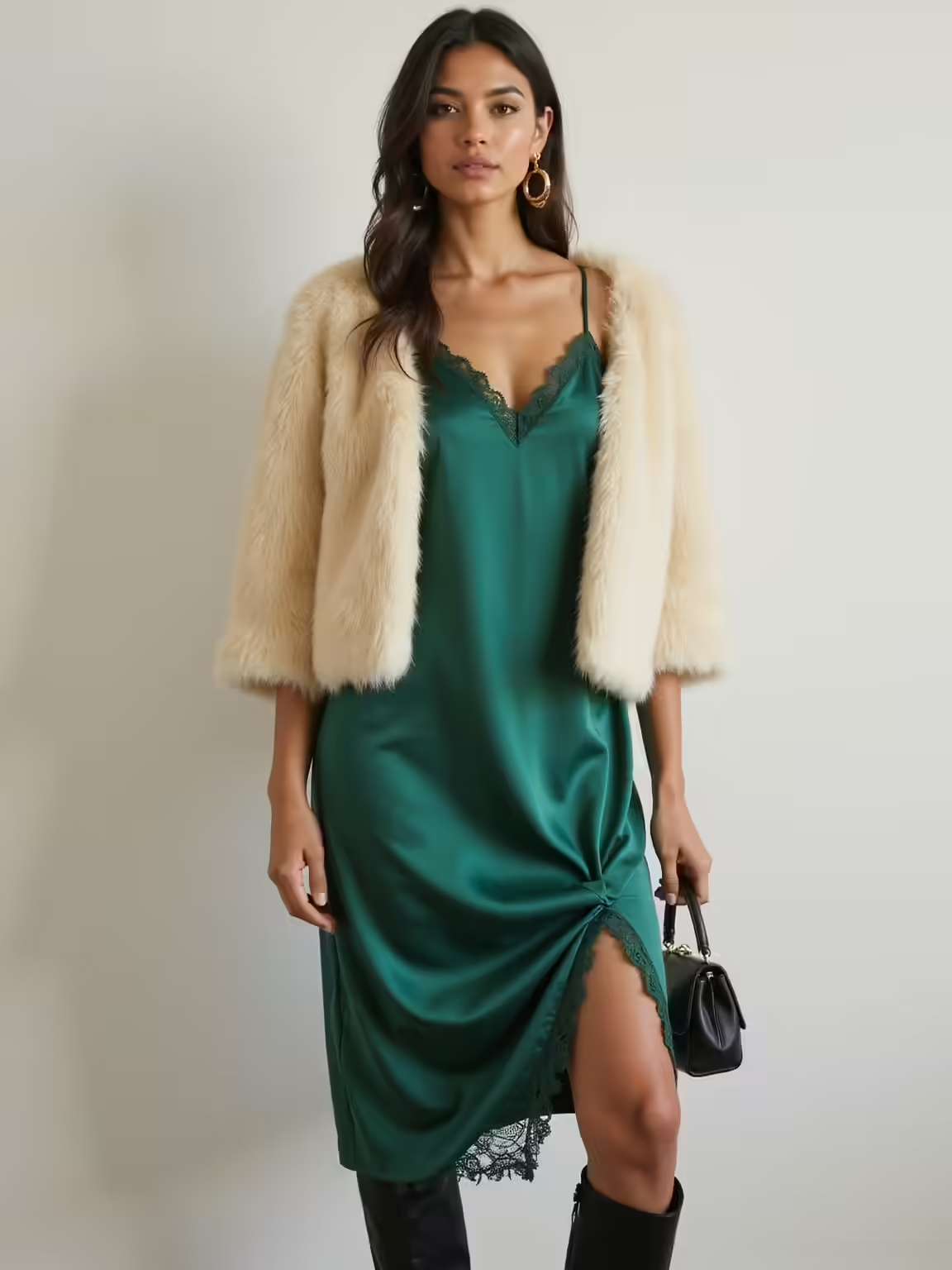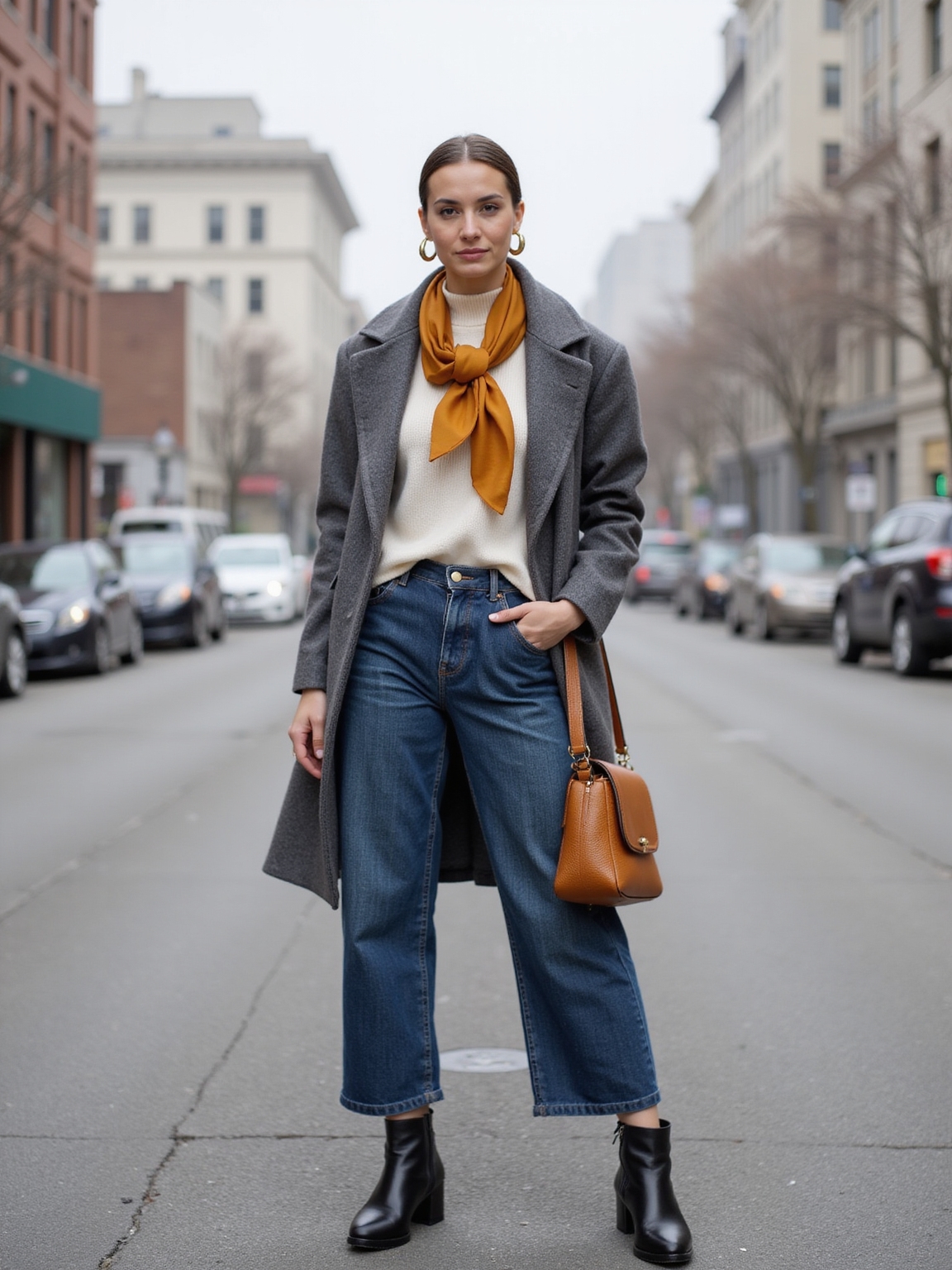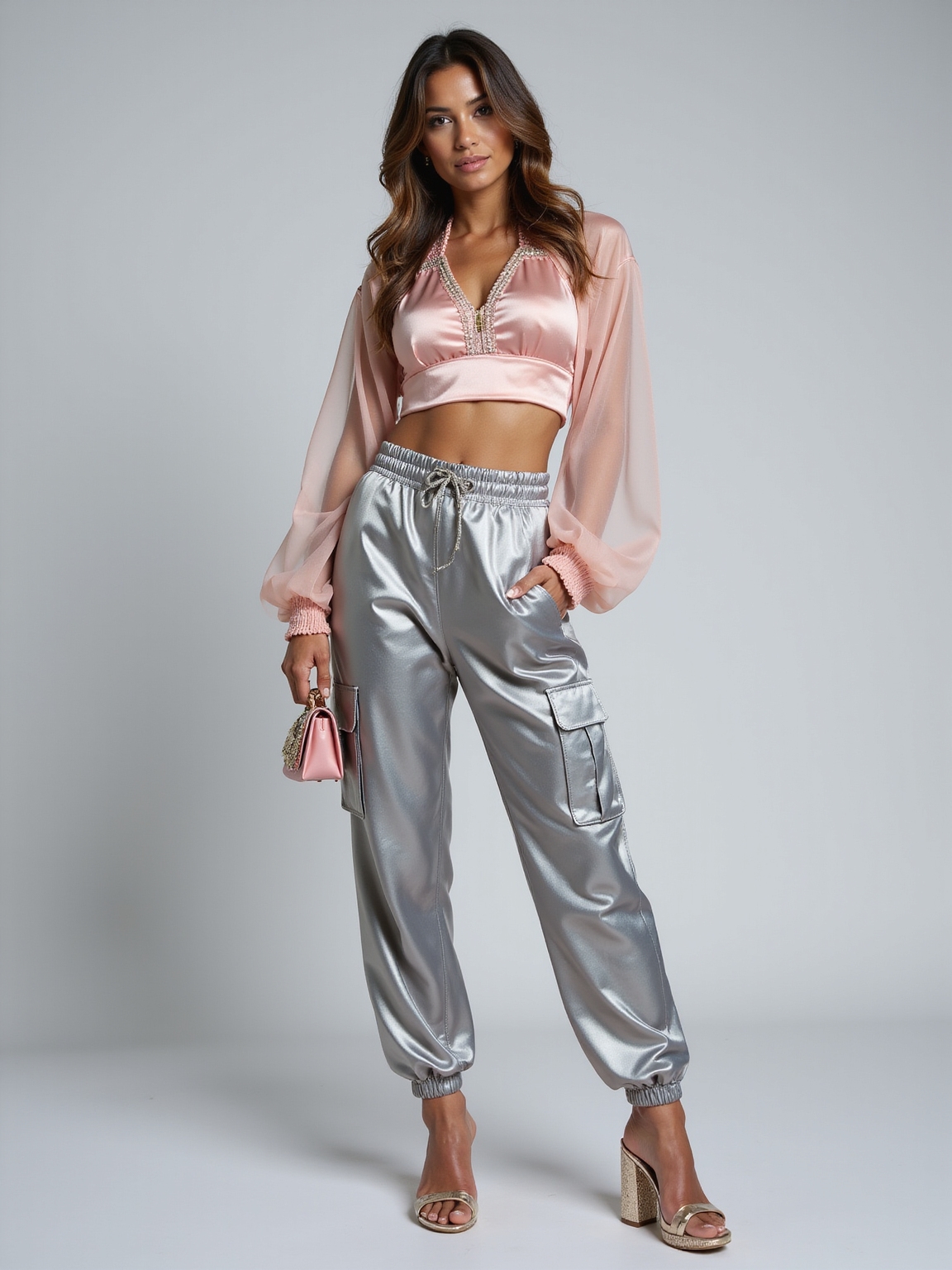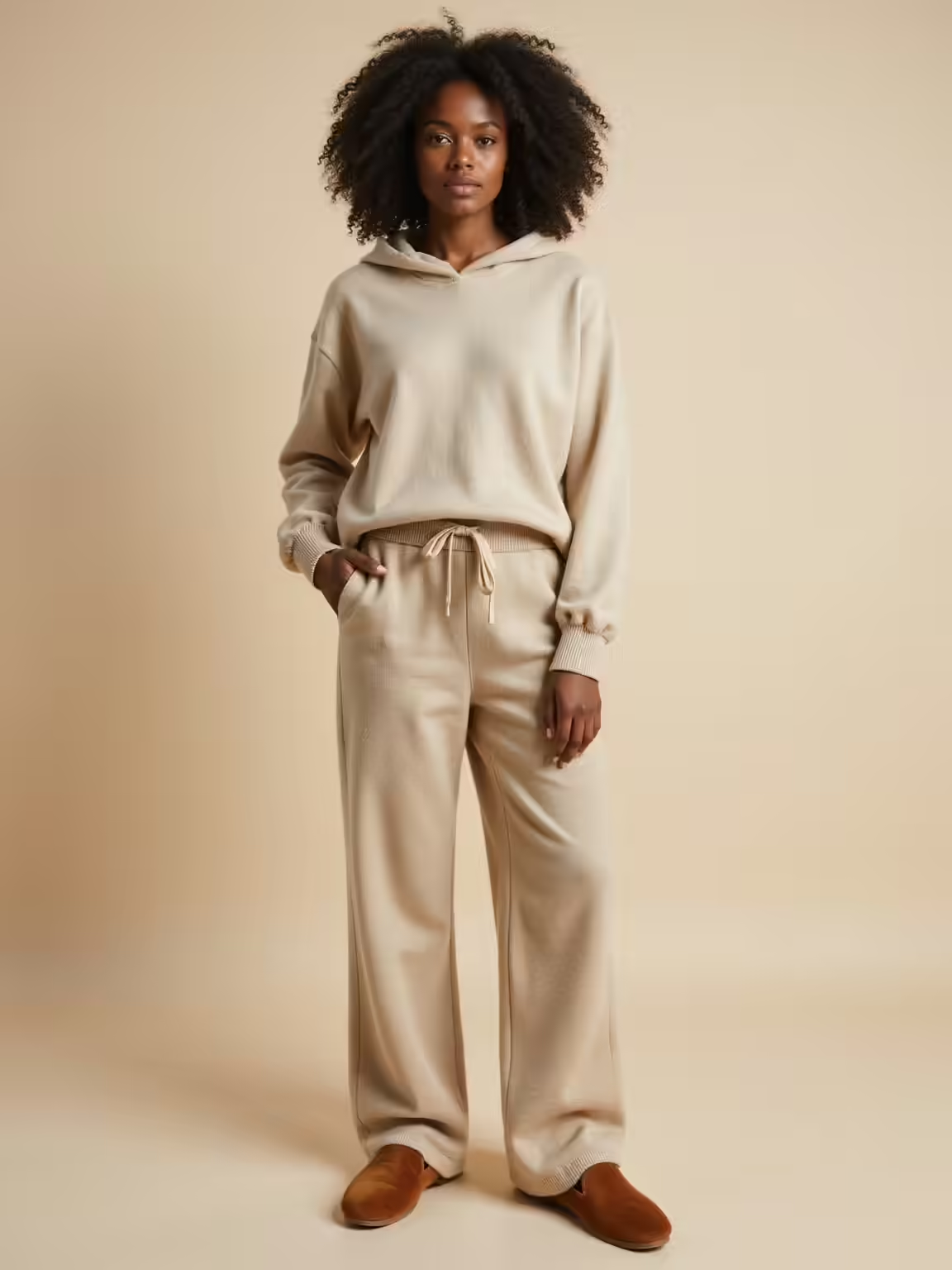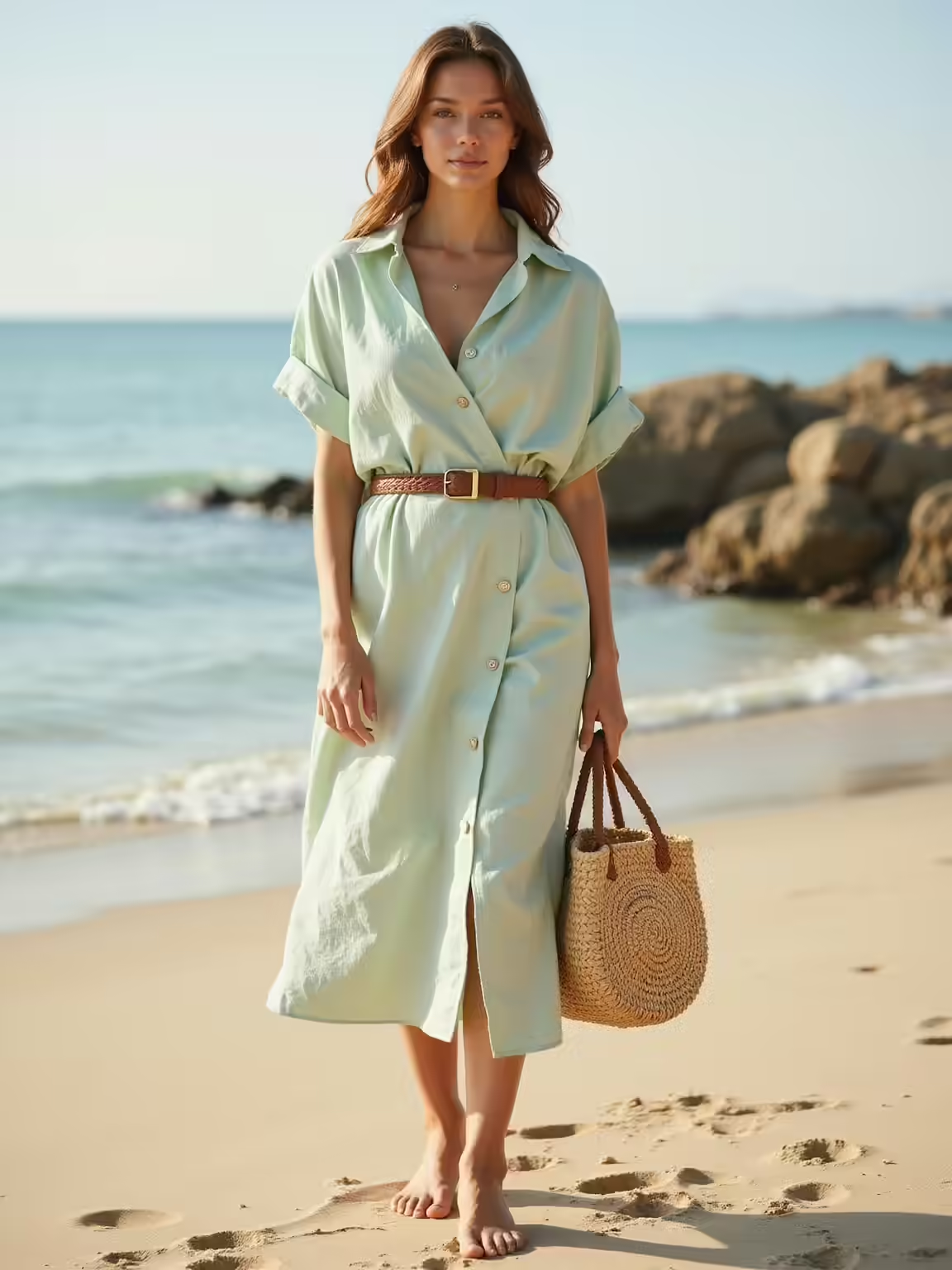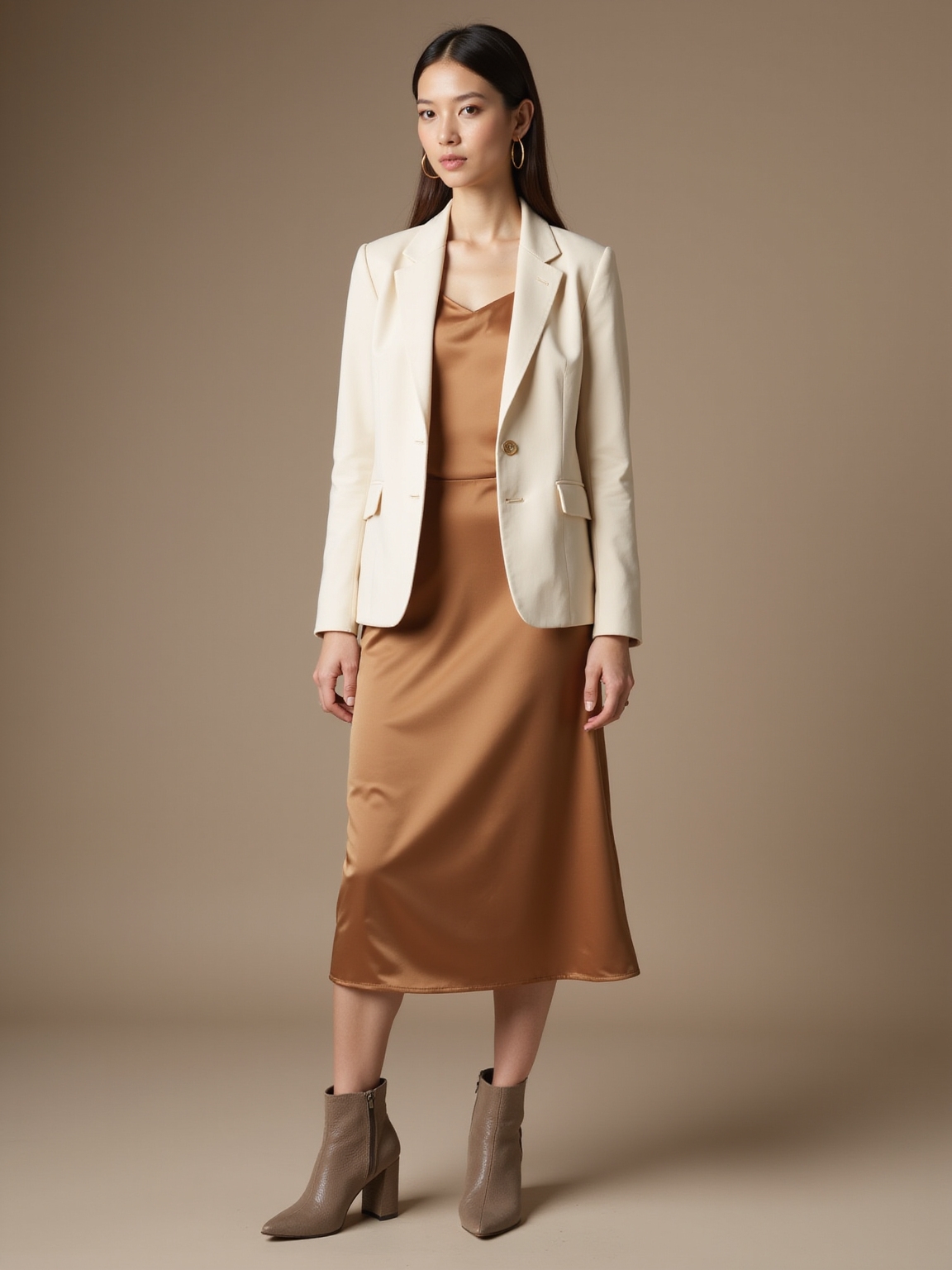

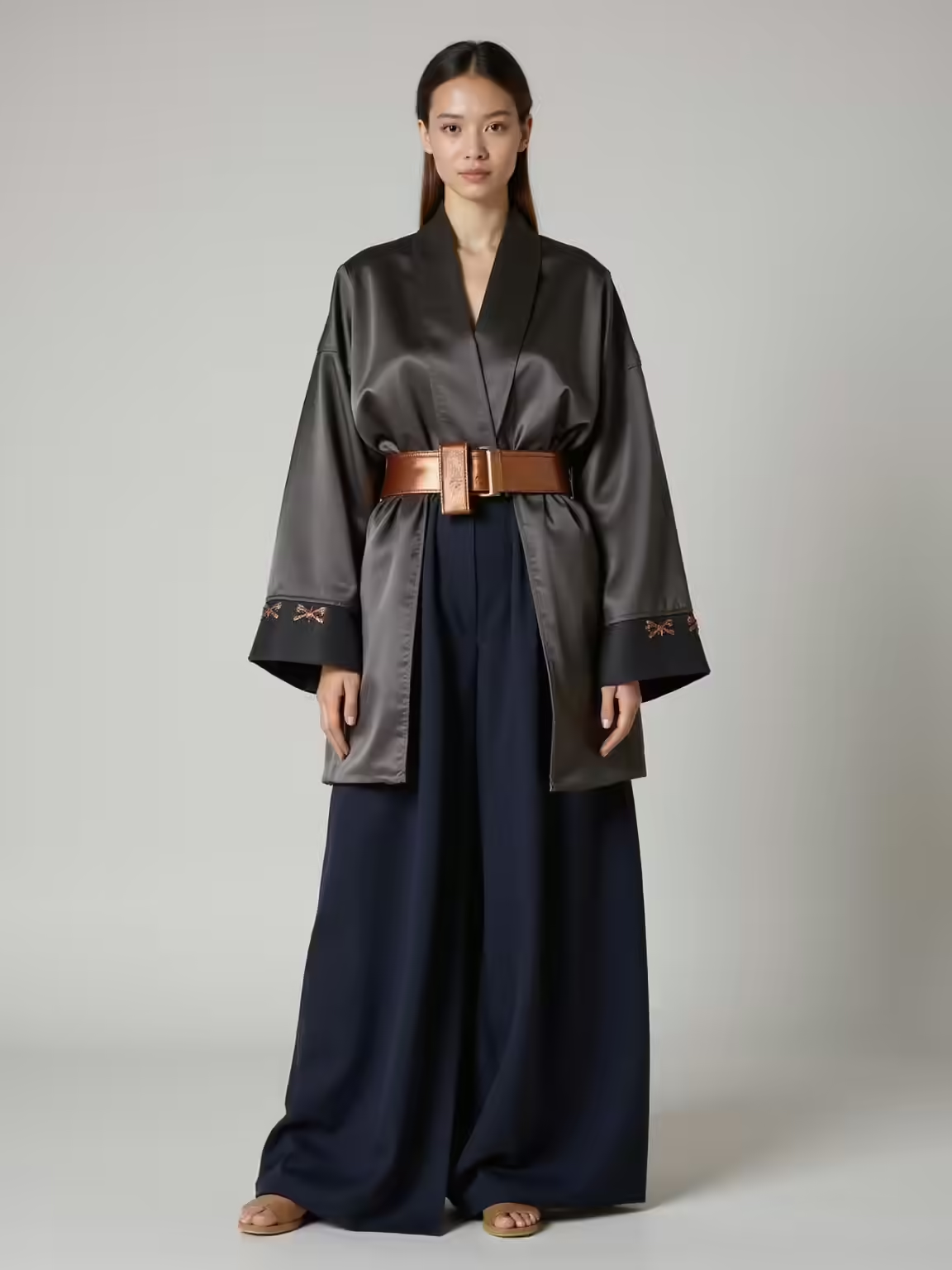
I love mixing kimono touches with modern clothes for a quiet, contemporary look. I’ll often throw a silk haori over a tee and high-waisted jeans, add an obi-inspired belt to define the waist, and finish with loafers or low-profile sneakers for contrast.
I favor natural fabrics—linen, cotton, silk—and muted palettes with one accent. Care and subtle tailoring keep pieces feeling intentional, and if you stick around I’ll share outfit formulas, sources, and swaps.
Start Here: 3 Quick Japanese-Aesthetic Outfit Formulas
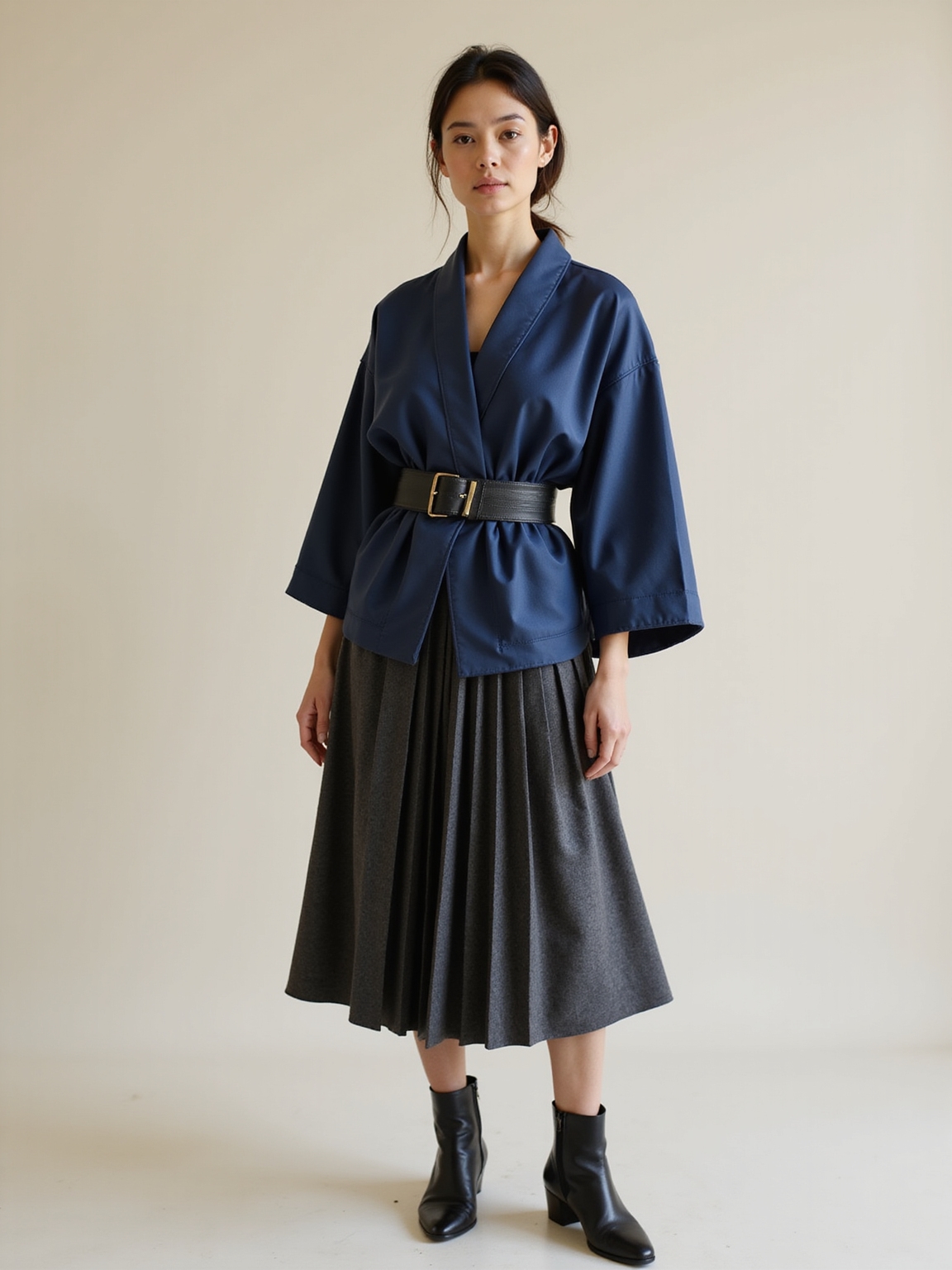
Although Japanese-inspired dressing can look intricate, I like to start with three simple formulas that make morning decisions effortless: soft neutral layer + tailored bottom, flowy dress + structured coat, and monochrome top-to-bottom with one textural accent.
I pick quality fabrics, muted palettes, and purposeful proportions. I balance comfort with polish, favoring breathable layers, clean lines, and a single accessory that anchors the look.
Elevated gym aesthetics can similarly refine casual sportswear by focusing on purposeful proportions to harmonize function with form.
Blend Kimono Pieces With Modern Silhouettes
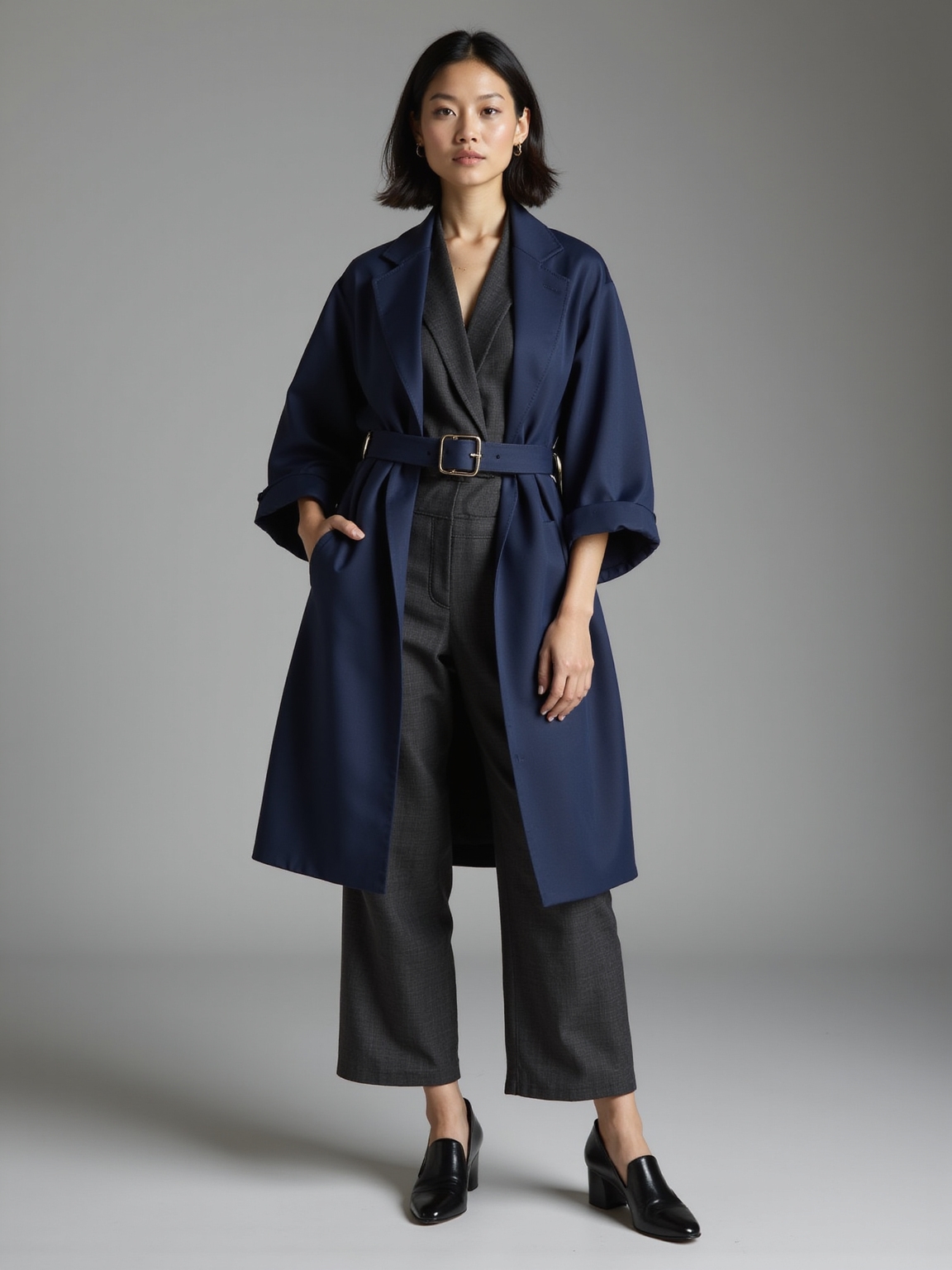
I like to mix traditional kimono pieces into modern outfits because they add unexpected shape and instant polish—think a silk haori tossed over a tee and high-waisted jeans, or an obi-inspired belt cinching a boxy blazer.
I balance textures and proportions, favoring muted palettes and seasonal layers, so each piece feels curated, wearable, and quietly refined without looking costume-like.
Japanese street style often emphasizes layering and thoughtful proportions, highlighting street style aesthetics as a key influence on how tradition meets trend.
Signature Traditional Garments to Know: Kimono, Haori, Yukata
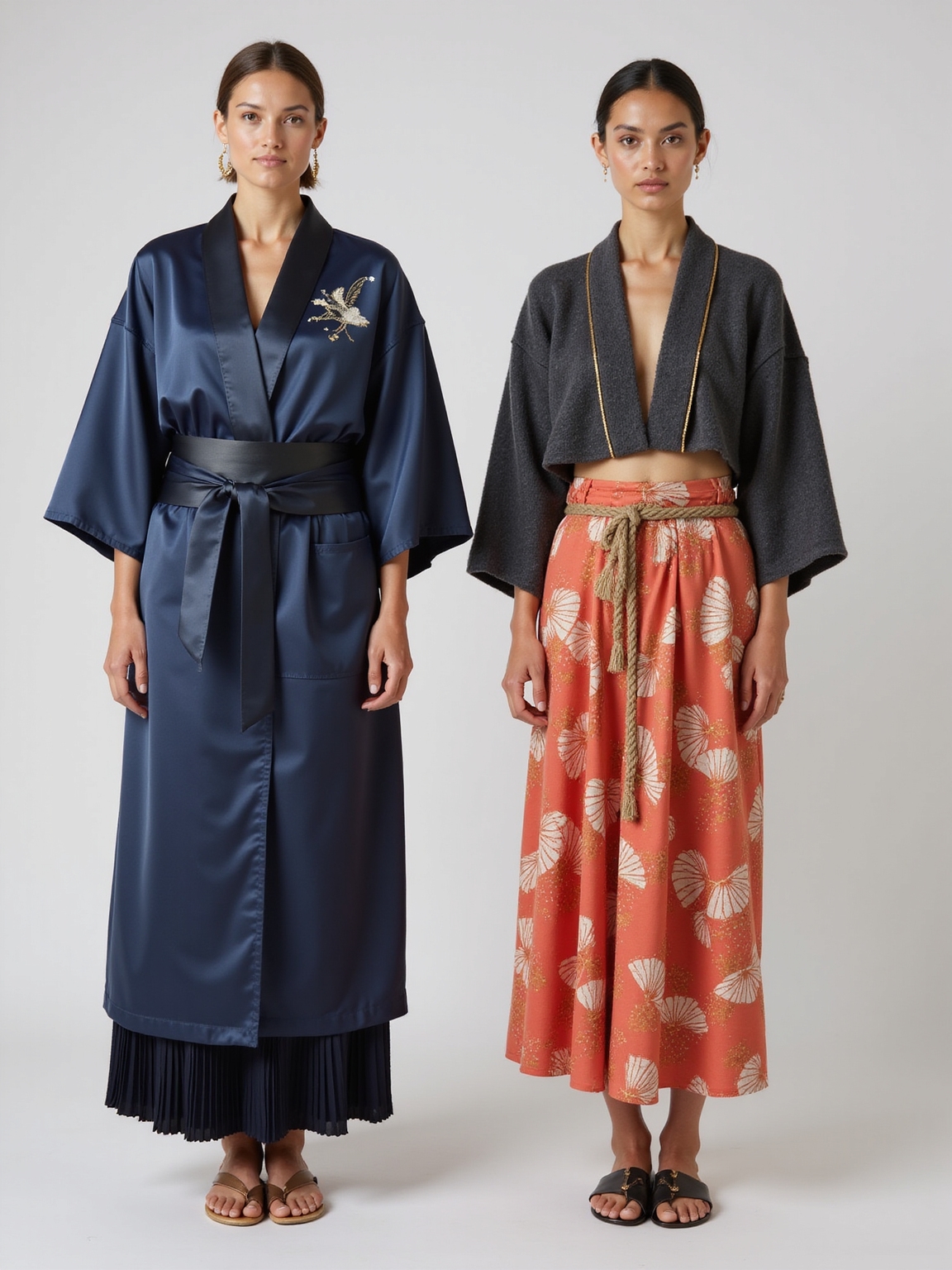
I’ll walk you through the essentials of kimono construction so you’ll know what each layer and accessory does.
Then I’ll share practical haori styling tips to help you mix tradition with modern shapes.
Finally, I’ll explain how yukata choices shift with the seasons so you can wear them comfortably and with grace.
British country wardrobes often emphasize understated tailoring and natural fabrics, which can pair beautifully with Japanese pieces when you focus on proportion and texture—consider incorporating timeless fabrics into your outfit.
Kimono Components Explained
Fabric and form tell most of the kimono’s story, and I want to walk you through the essential pieces so you’ll spot them at a glance. I’ll keep it simple: each element balances comfort, silhouette, and season.
Learn how layers, ties, and accents work together to create that refined flow.
- Kimono robe (drape, sleeve length)
- Obi (belt, shape)
- Juban (underlayer, protection)
Korean Casual Style shows how minimal pieces create an effortless silhouette and can inspire similar layering techniques in modern kimono-inspired outfits.
Haori Styling Tips
Although it’s often worn over a kimono, I think of the haori as the outfit’s graceful punctuation — a shorter, open-front jacket that can shift mood from formal to relaxed with a simple drape or a tied koshi-himo.
I layer muted tones, mix textures, and let sleeve length and lining peek. Pair with obi accents or jeans for modern contrast; keep proportions balanced. I also borrow layering ideas from Cozy Korean Autumn to balance warmth and silhouette.
Yukata Seasonal Wear
When summer evenings roll in, I reach for a yukata as my go-to for cooling down while keeping a sense of occasion; it’s lighter and more relaxed than a formal kimono, but still rooted in tradition.
I pair playful patterns with simple obi knots, sandals, and a soft fan to stay comfortable and memorable.
- Choose breathable cotton
- Embrace subtle motifs
- Accessorize minimally
I also take inspiration from Korean autumn layering techniques to mix seasonal pieces with the yukata for added warmth and modern flair.
Modern Japanese Substyles to Borrow From: Streetwear, Wabi-Sabi, Techwear
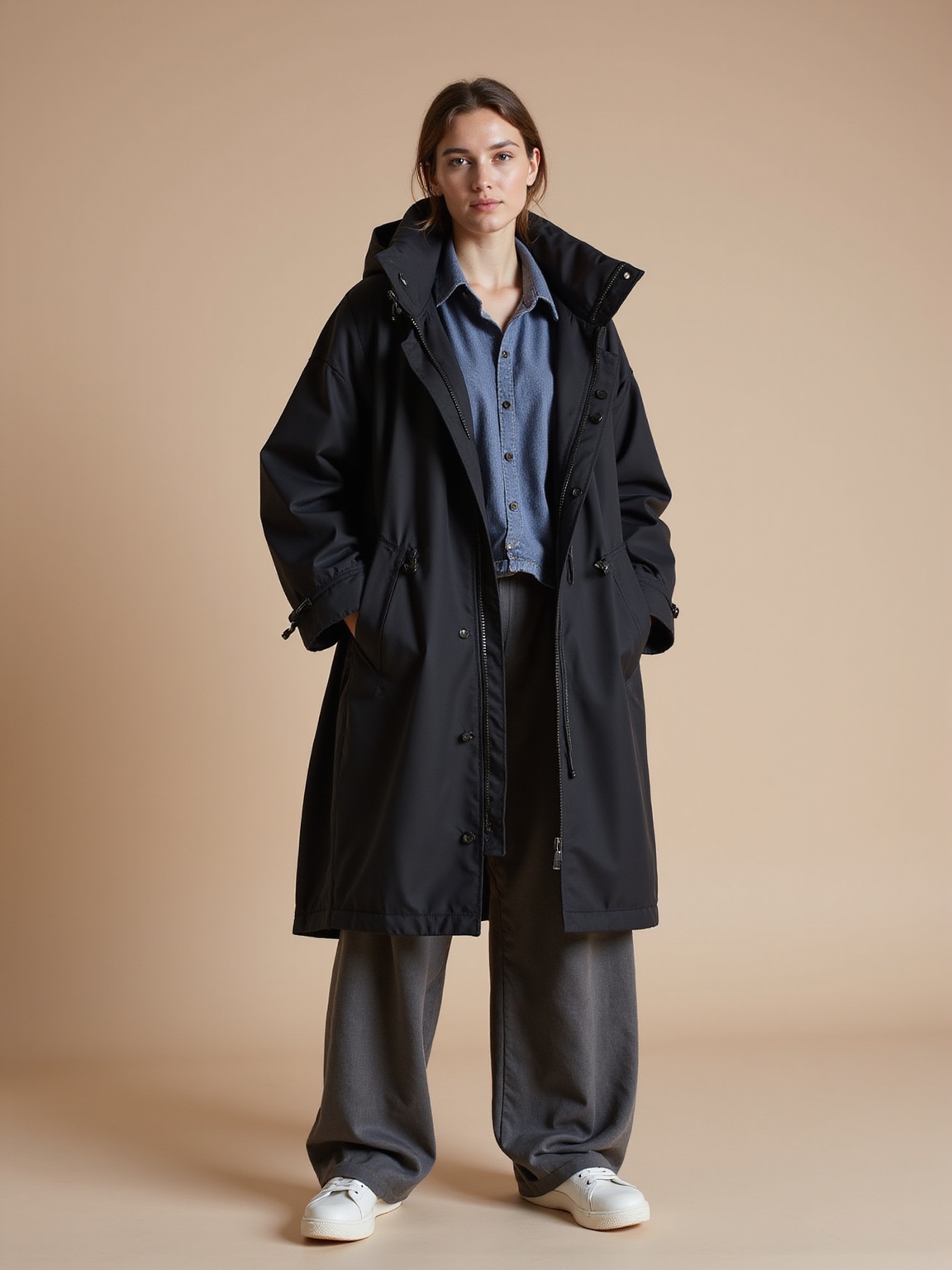
I’ll walk you through three modern Japanese substyles you can borrow from—streetwear’s pulse, wabi-sabi’s quiet grace, and techwear’s purposeful edge—so you can mix elements that suit your life and season.
I favor streetwear’s layered silhouettes and bold graphics, wabi-sabi’s muted palette and imperfect cuts, and techwear’s functional details; combine sparingly for a balanced, contemporary look.
Mastering effortless aesthetic often involves understanding broader East Asian influences like K-fashion and adapting techniques to your personal style.
Choosing Fabrics: Natural Textiles and Modern Blends
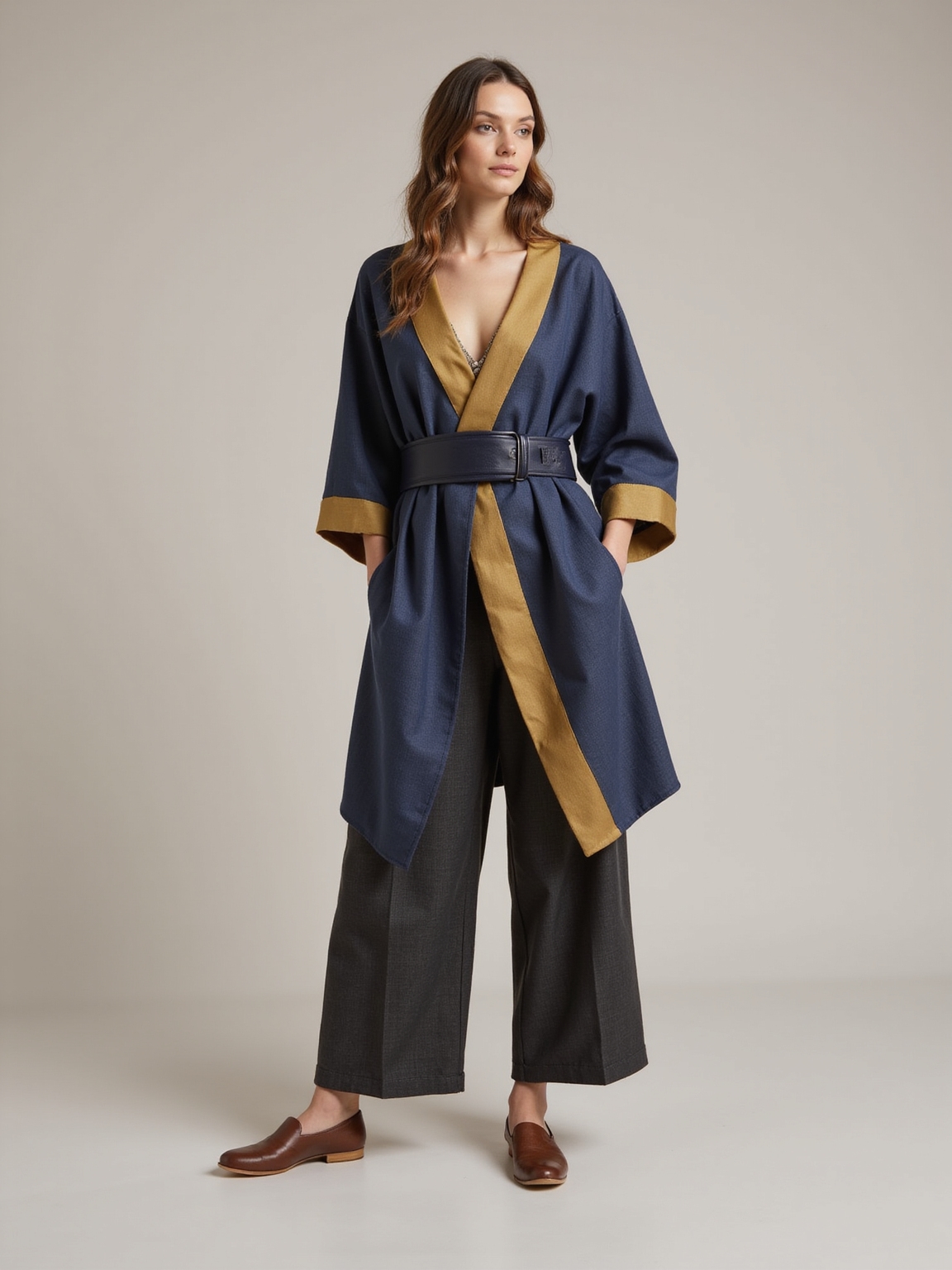
I like to start with natural fibers—linen, cotton, silk—because they breathe, age gracefully, and feel like a quiet season against the skin.
Then I balance them with modern blends for stretch, stain resistance, and extra toughness where I need it most. Let’s talk about how those choices affect care routines and long-term durability so your pieces stay beautiful.
I also often draw inspiration from Cottagecore Aesthetic to create soft, timeless silhouettes that pair well with both vintage and contemporary elements.
Natural Fiber Benefits
Choosing the right fabric matters more than most people realize, and I often steer toward natural fibers for their comfort and quietly elegant wear.
They breathe, soften with age, and feel seasonally right against skin. I prefer pieces that age gracefully and respect tradition.
- Breathability keeps you comfortable all day.
- Natural texture adds understated charm.
- Longevity rewards careful care.
Modern Fabric Blends
Natural fibers set the tone for comfort and tradition, but I also welcome modern blends when they quietly solve real-world problems—wrinkle resistance for travel, added stretch for movement, or lighter weight for humid days.
I choose blends sparingly: silk-cotton for sheen without heaviness, linen-rayon for drape, and wool blends for warmth that stays refined, keeping outfits serene and effortlessly poised.
Care And Durability
Handle fabrics with intent: I pick pieces not just for how they look but for how they live—how they’ll soften, hold up, and travel through seasons with me.
I favor linen, wool, cotton, and smart blends that resist pilling and drape well.
Care is simple: gentle wash, air dry, occasional steaming; repairs extend life.
- Linen for breathability
- Wool for warmth
- Blends for resilience
Layering for Proportion and Movement
When I layer pieces in a Japanese-inspired outfit, I think about how each silhouette will speak to the body and the breeze—soft kimono sleeves over a structured vest, or a cropped jacket that lets a long skirt sway.
I balance volume and length: cropped tops with flowing trousers, light overcoats that reveal hems, and breathable fabrics that move, creating elegant proportions and effortless, seasonal motion.
Use Obi and Sashes as Everyday Statement Accessories
Balancing movement and proportion naturally leads me to contemplate where to anchor the look, and obi and sashes do that beautifully while adding personality.
I love cinching soft layers with a textured obi for warmth and structure—it’s functional art that shifts with seasons and mood.
- Try a wide linen obi for autumnal ease
- Knot a thin sash for delicate contrast
- Use patterned obi to elevate neutrals
Footwear Pairings: Geta, Zori, Sneakers, and Boots
I love pairing traditional geta with airy linen kimono or casual yukata for a light, sunlit look that balances height and ease.
Lately I’ve been mixing clean white sneakers with muted-patterned robes to keep the silhouette modern without losing the outfit’s Japanese spirit.
Let’s explore how each choice—geta’s rhythm and sneakers’ comfort—changes the whole mood.
Traditional Geta Styling
I often reach for geta when I want an instant touch of tradition, but I also love mixing them with modern pieces to keep a look fresh and wearable.
I pair geta with lightweight kimonos, cropped trousers, or linen skirts for balance, focusing on texture and seasonality.
- Delicate kimono, bold geta
- Tailored pants, elevated contrast
- Linen skirt, relaxed grace
Modern Sneaker Pairings
When I slip on sneakers with a kimono-inspired outfit, I aim to bridge tradition and everyday ease without losing either’s character. I choose clean silhouettes, muted colors, and subtle textures that echo obi and fabric patterns.
Low-profile trainers keep proportions graceful; chunky soles add modern contrast. Seasonal fabrics and sock choices temper warmth, creating a relaxed, refined look that’s wearable daily.
Choose Color Palettes & Pair Patterns the Japanese Way
Although subtle, color in Japanese dressing carries meaning and mood, so I start by choosing a small, harmonious palette that reflects the season and my intent.
I balance muted tones with one accent, and pair patterns by scale and contrast for calm cohesion.
- Layer neutrals, add a single seasonal accent
- Mix small geometric with large, subdued florals
- Keep texture consistent to unify patterns
How to Incorporate Traditional Motifs Respectfully
I pay attention to the meanings behind motifs so I can wear them with respect rather than as mere decoration. I’ll learn each pattern’s origin and seasonality, then choose small touches—like a hana print scarf or a crane pin—that honor tradition.
Respect Cultural Significance
Because Japanese motifs carry history and meaning, I make a point to learn the stories behind the patterns I want to wear before I use them.
I honor context, ask permission when collaborating, and choose pieces that respect ceremonies and symbols.
Gentle taste and restraint keep style thoughtful, not flashy.
- Ask elders or practitioners
- Prefer artisans and ethical sources
- Avoid sacred insignia or ritual garments
Learn Motif Origins
When I want to use a traditional motif, I start by tracing its origin—who made it, where it came from, and what it meant in its original context—so I can wear it with knowledge rather than assumption.
I read makers’ histories, ask artisans, and note seasonal or ceremonial ties.
That way my choices honor meaning, avoid missteps, and let motifs speak with quiet, respectful elegance.
Mix Modern With Traditional
Noting a motif’s origins helps me decide how to wear it, and it also guides how to blend it with modern pieces so the look feels thoughtful rather than performative.
I pair a woven kimono sash with a clean blazer, respect symbolic colors, and keep accessories minimal to honor the motif’s story.
- Pair one traditional piece with contemporary basics
- Mind color symbolism
- Choose subtle accessories
Ten Modern Wardrobe Staples That Pair With Kimono & Haori
If I’d to pick ten modern pieces that make a kimono or haori feel effortlessly current, I’d choose items that balance tradition with everyday ease.
I favor straight-leg jeans, tailored trousers, soft turtlenecks, linen shirts, minimalist tees, ankle boots, loafers, a structured blazer, a slim belt, and a lightweight scarf. Each adds comfort, silhouette contrast, and subtle contemporary polish.
Quick Outfit Recipes: Casual, Work, Evening
Because I want your kimono and haori to feel as natural at brunch as they do at the office or a dinner date, I’ll give three simple outfit recipes—casual, work, and evening—that mix those ten staples with traditional pieces for effortless polish.
I’ll keep them easy, polished, and seasonally cozy:
- Casual: denim, linen top, short haori, loafers.
- Work: tailored trousers, silk camisole, long haori, low heel.
- Evening: slip dress, obi-inspired belt, statement haori, ankle boots.
Where to Buy Authentic, Ethical Kimono and Textiles
You’ve seen how kimono and haori can slot into casual, office, and evening looks; now I’ll show you where to find pieces that hold up to wear and feel good to buy.
I scout artisan shops, certified secondhand dealers, and regional textile cooperatives. I ask about fibers, dye methods, and maker provenance, preferring slow-made sashiko, indigo, and local remnant programs supporting ethical makers.
Budget-Friendly Swaps to Capture the Look
I lean on a few clever swaps to recreate that kimono-inspired ease without breaking the bank, favoring texture and silhouette over exact replicas.
I pair flowing cardigans, wide-leg trousers, and obi-like belts to suggest the spirit rather than mimic.
Try these approachable pieces:
- Lightweight wrap cardigan for drape and warmth
- High-waisted wide pants to echo kimono lines
- Simple sash or fabric belt for shape and polish
Care, Tailoring, and Preserving Delicate Textiles
When I care for pieces that recall traditional Japanese textiles, I treat them like companions rather than objects—gentle, consistent attention keeps their fabric and shape alive season after season.
I handwash sparingly in cool water, air-dry flat away from sun, and press with a cloth. For tailoring, I seek skilled hands who respect grain and silhouette, preserving patina and intended drape.
I hope this guide sparks your next outfit adventure — Japanese aesthetics mix tradition and trend in ways that feel endlessly inspiring.
Try one formula, swap in a haori or obi, and you’ll look like you stepped out of a serene, stylish dream (yes, it’s that transformative!). With mindful fabrics, simple tailoring, and gentle care, your pieces will age beautifully.
Come back anytime for more outfit recipes or sourcing tips — I’m here to help.