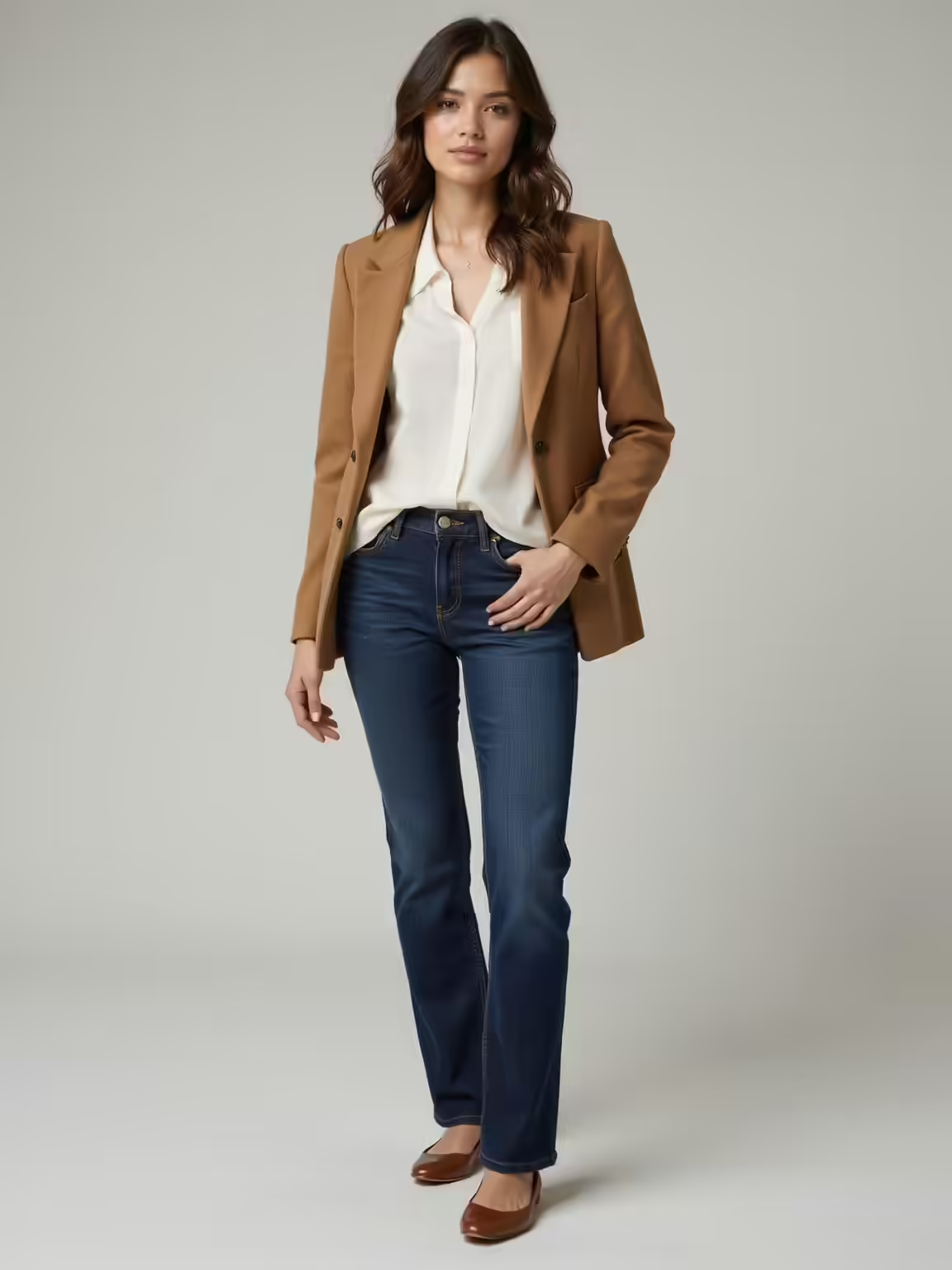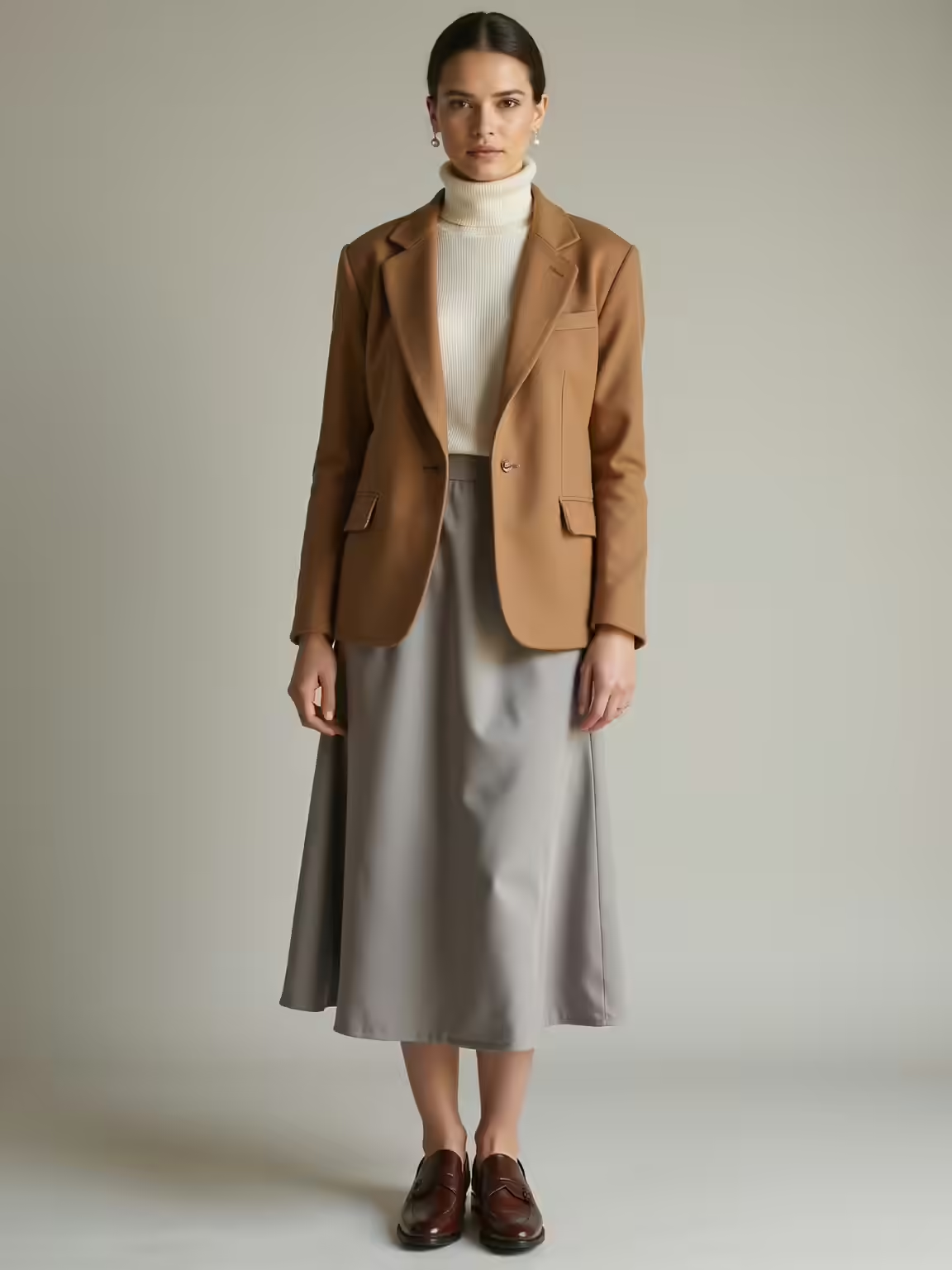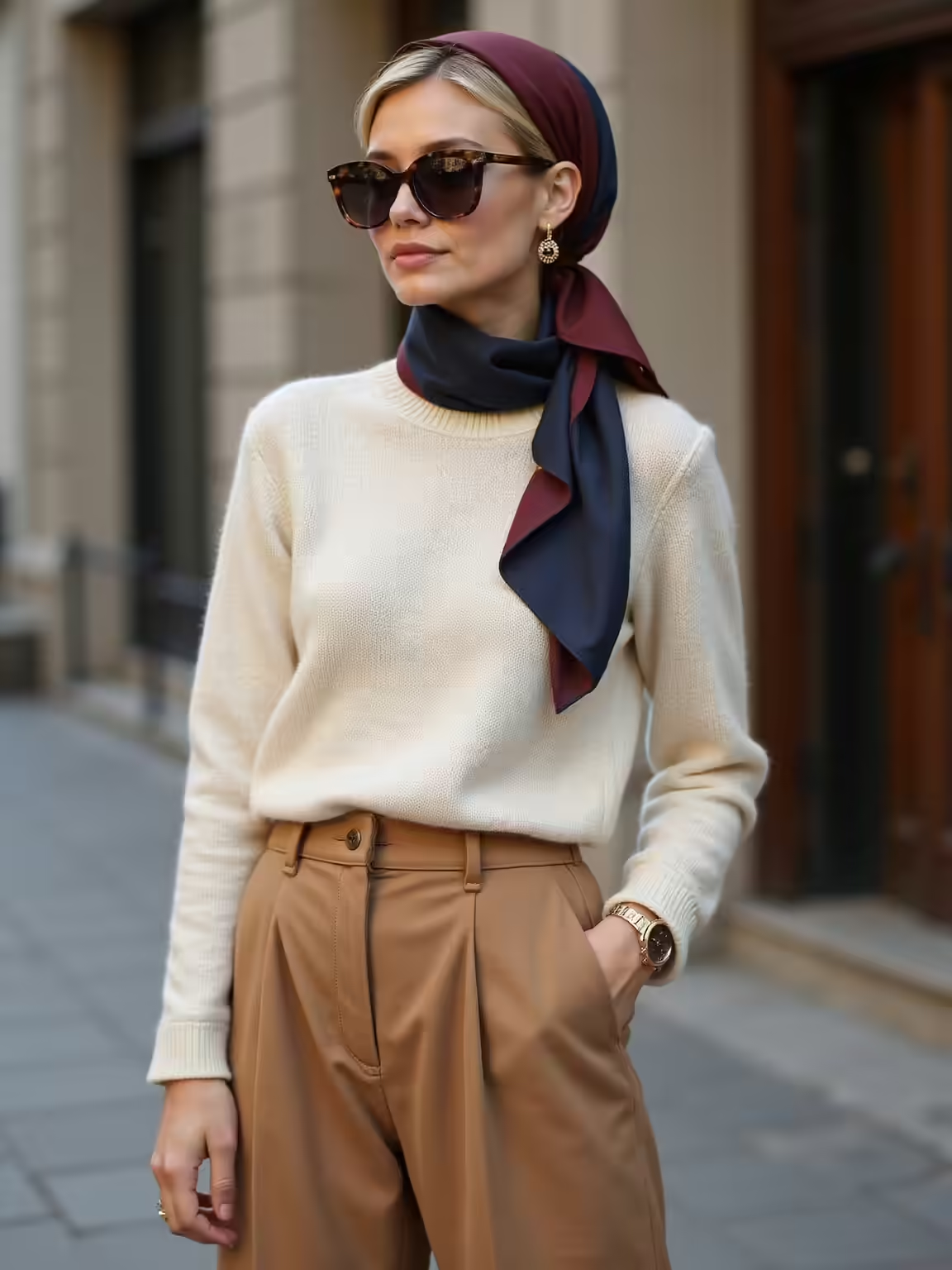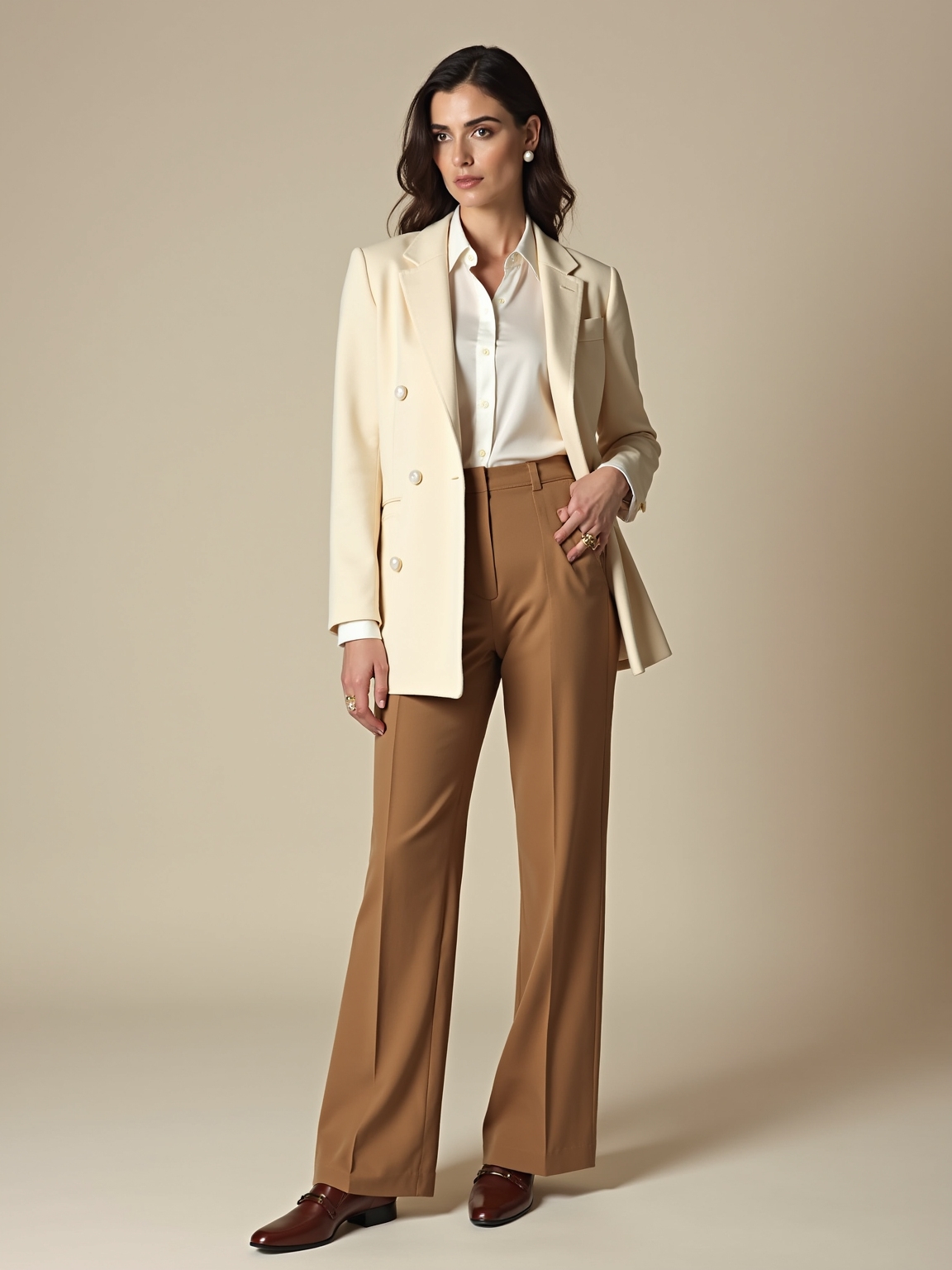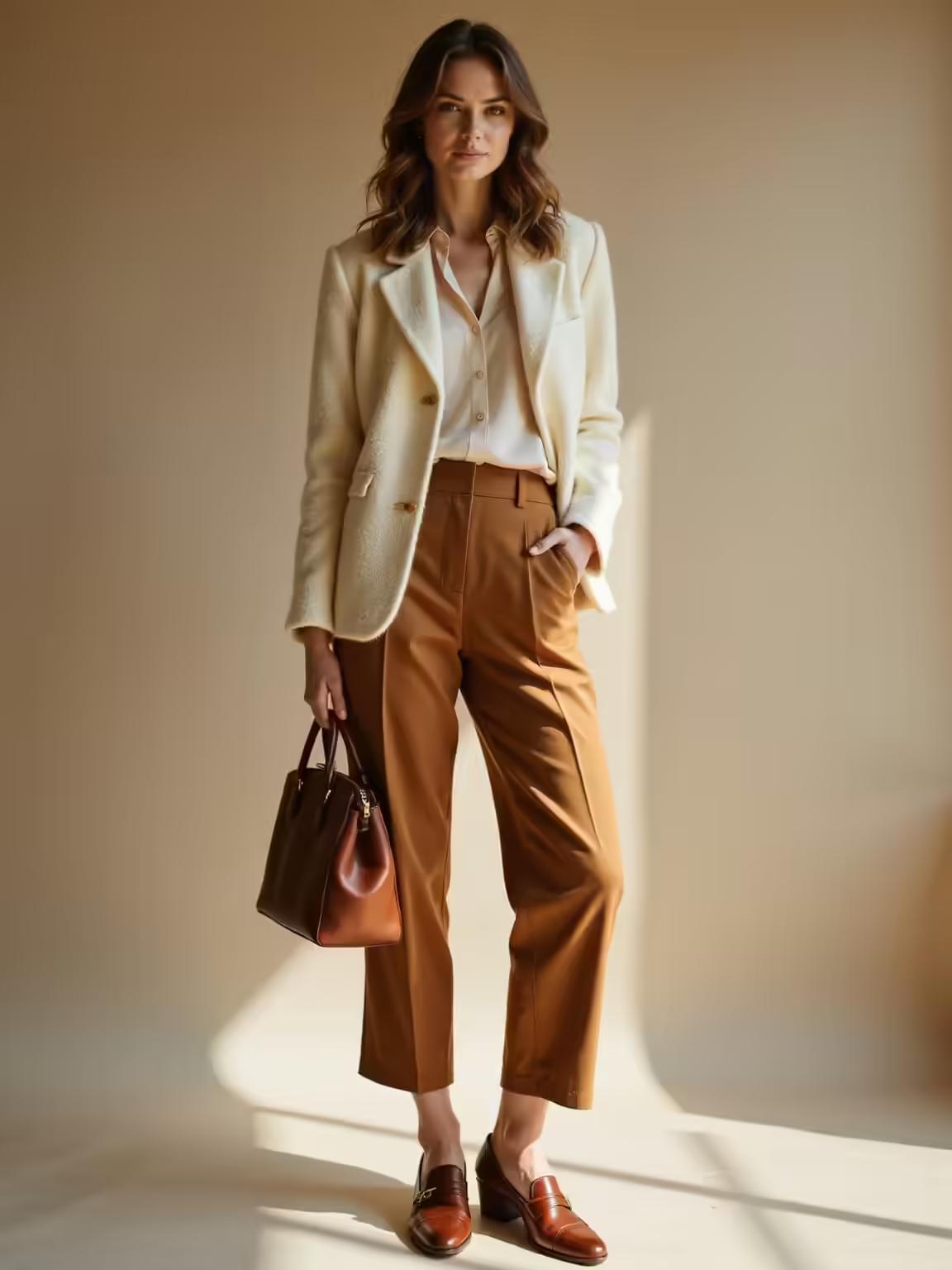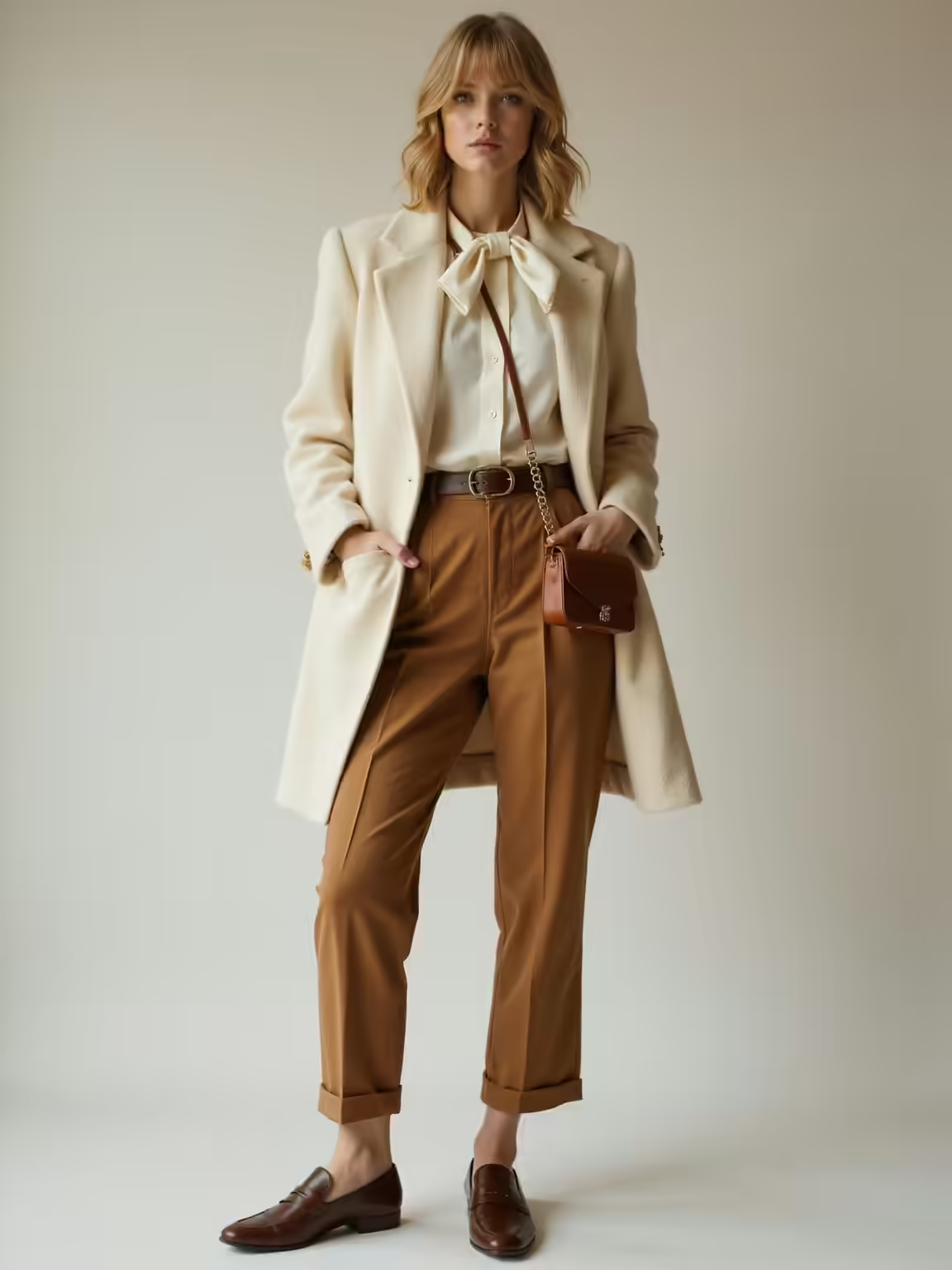

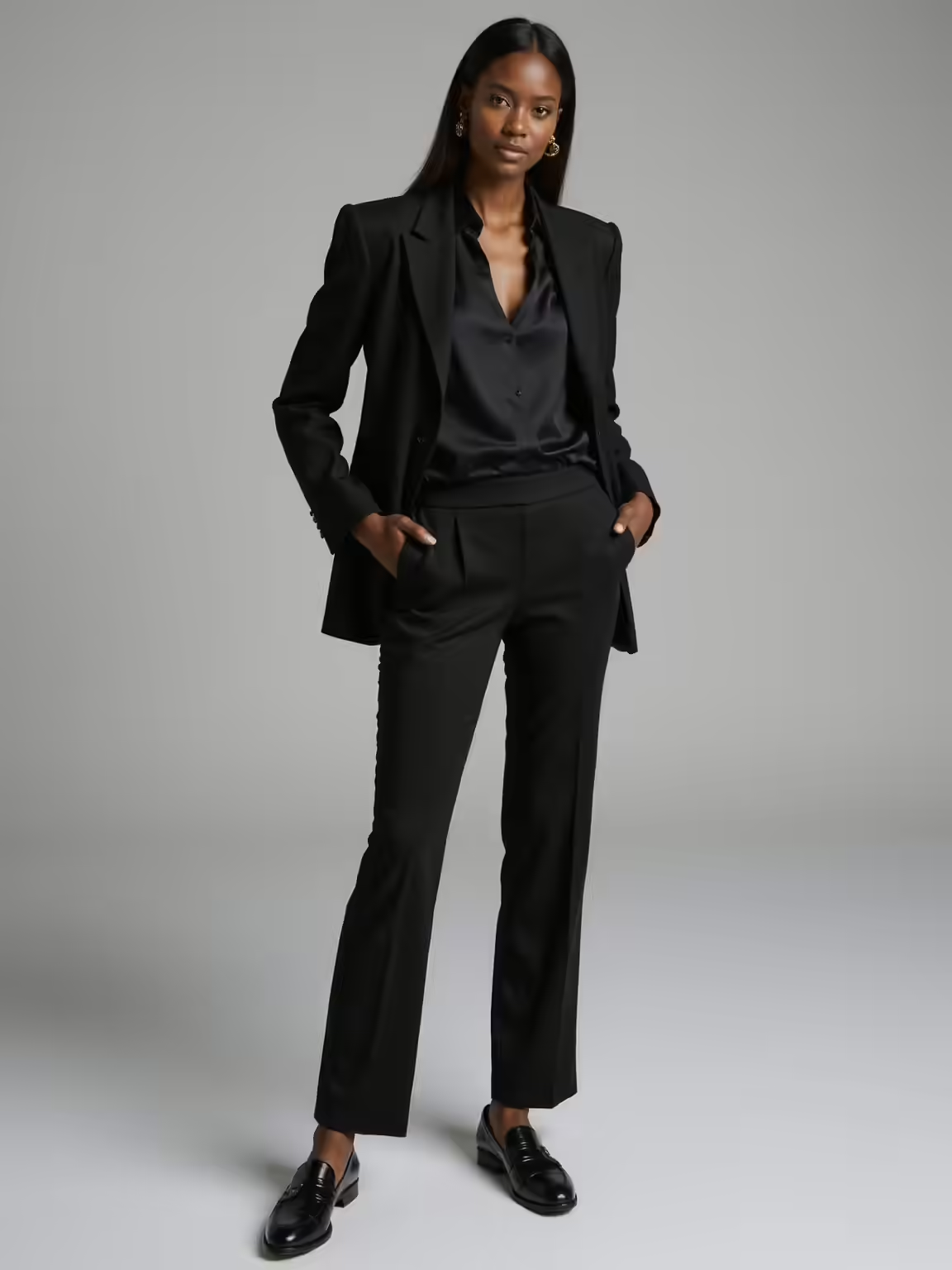
I rely on a handful of impeccably made black pieces—matte wool blazers, silk‑twill blouses, cashmere knits, and soft leather loafers—to create that old‑money quiet luxury. I favor weighty fabrics that absorb light, clean lines, and minimal hardware so texture and tailoring do the talking.
I’m tactile when I shop: seams, button weight, and how fabric falls tell me more than labels. Keep these elements and you’ll see how restraint reads like wealth when you look further.
What This Guide Covers (Quick Roadmap)
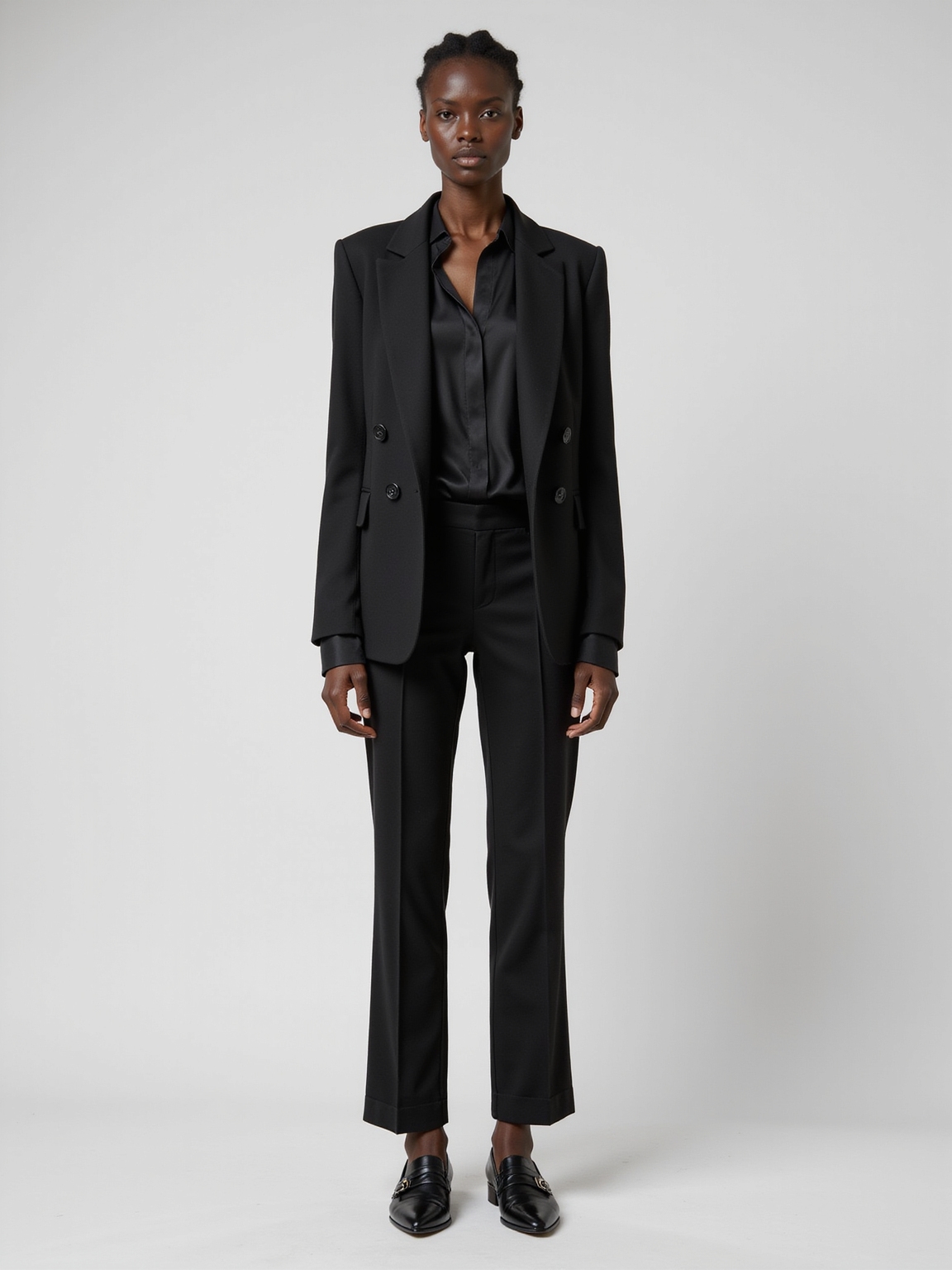
Because we both want to make quiet luxury feel attainable, I’ll map what this guide covers so you can move through it quickly: the black wardrobe staples, how to balance texture and tailoring, simple accessories that lift an outfit, care and sourcing tips, and a few real-life looks to copy.
I’ll give tactile cues, precise pairings, and practical steps so you can build calm, polished outfits without fuss.
Many timeless winter looks take inspiration from Old Money Outfits and focus on understated, high-quality pieces that layer well.
Why Black Defines Old‑Money Quiet Luxury
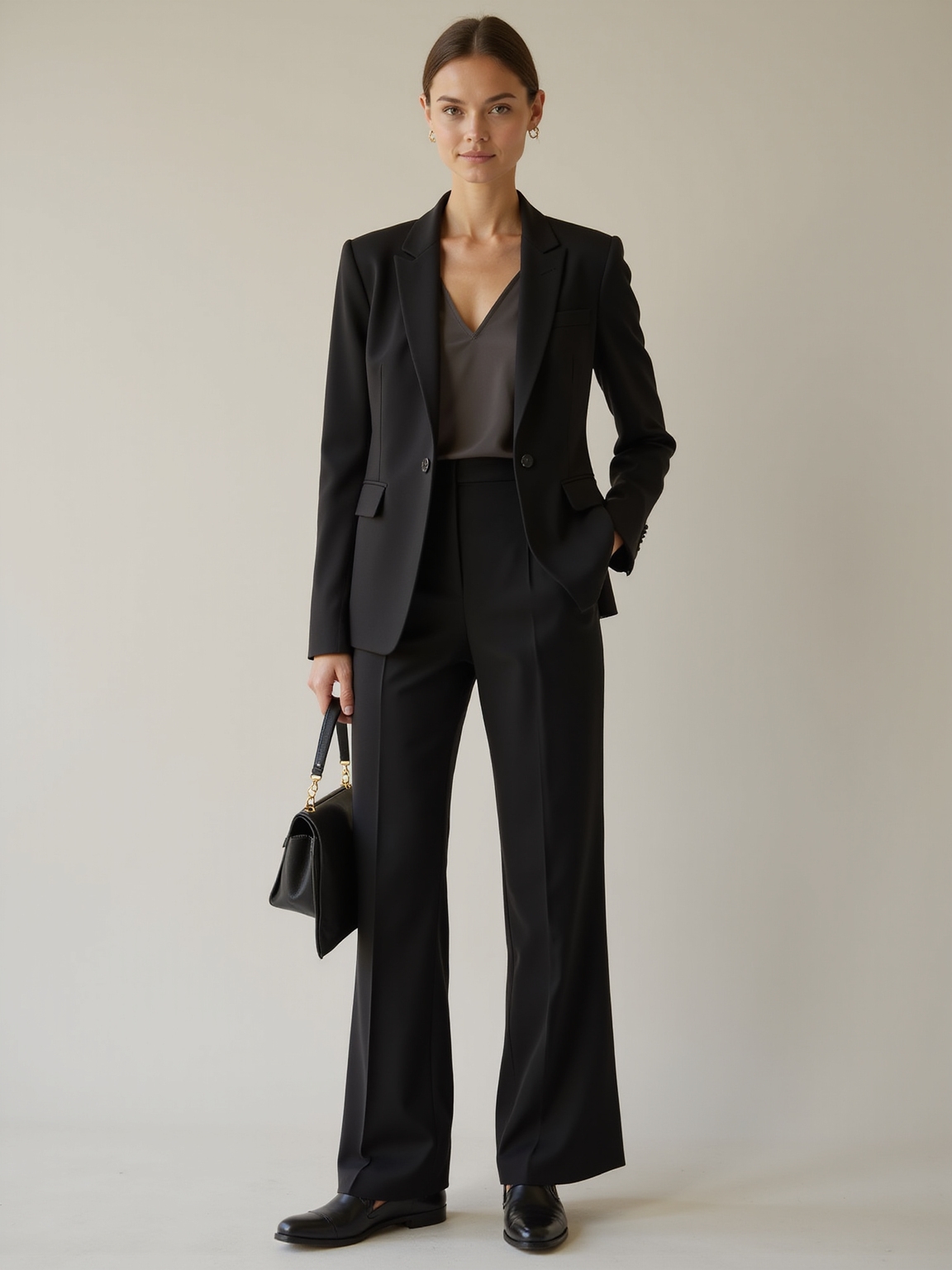
I’ve always trusted black for its quiet versatility — a single piece can slip from morning errands to evening reservations without announcing itself.
The color lets the cloth speak: brushed cashmere, matte silk, tight-woven wool show their textures and craftsmanship in a way louder tones often hide.
Stick with good materials and the restraint of black keeps the whole look unmistakably composed.
Old money blazers exemplify this understated power, marrying precision tailoring with refined materials for a timeless effect and timeless power that never feels ostentatious.
Timeless Versatility
When I reach for black, I’m choosing ease — a single piece that shifts with the mood and the moment.
I can feel how it slips from day to evening, cool against my skin, quiet against noise.
It carries a silhouette, a clean line, a calm confidence.
You don’t need fanfare; black adapts, endures, and quietly fits every occasion.
Understated Material Quality
If you look closely, you’ll notice how black turns attention to touch and construction rather than flash — the way a wool blazer feels dense and smooth at the shoulder, or how a silk blouse catches light only at its edges.
I prefer pieces where seams sit neat, buttons are weighty, and knit has body; in black, those subtle cues feel deliberate, honest, and quietly luxurious.
Old rich wardrobes often favor timeless tailoring and restrained details that whisper wealth without overt branding.
Fabrics That Make Black Look Expensive
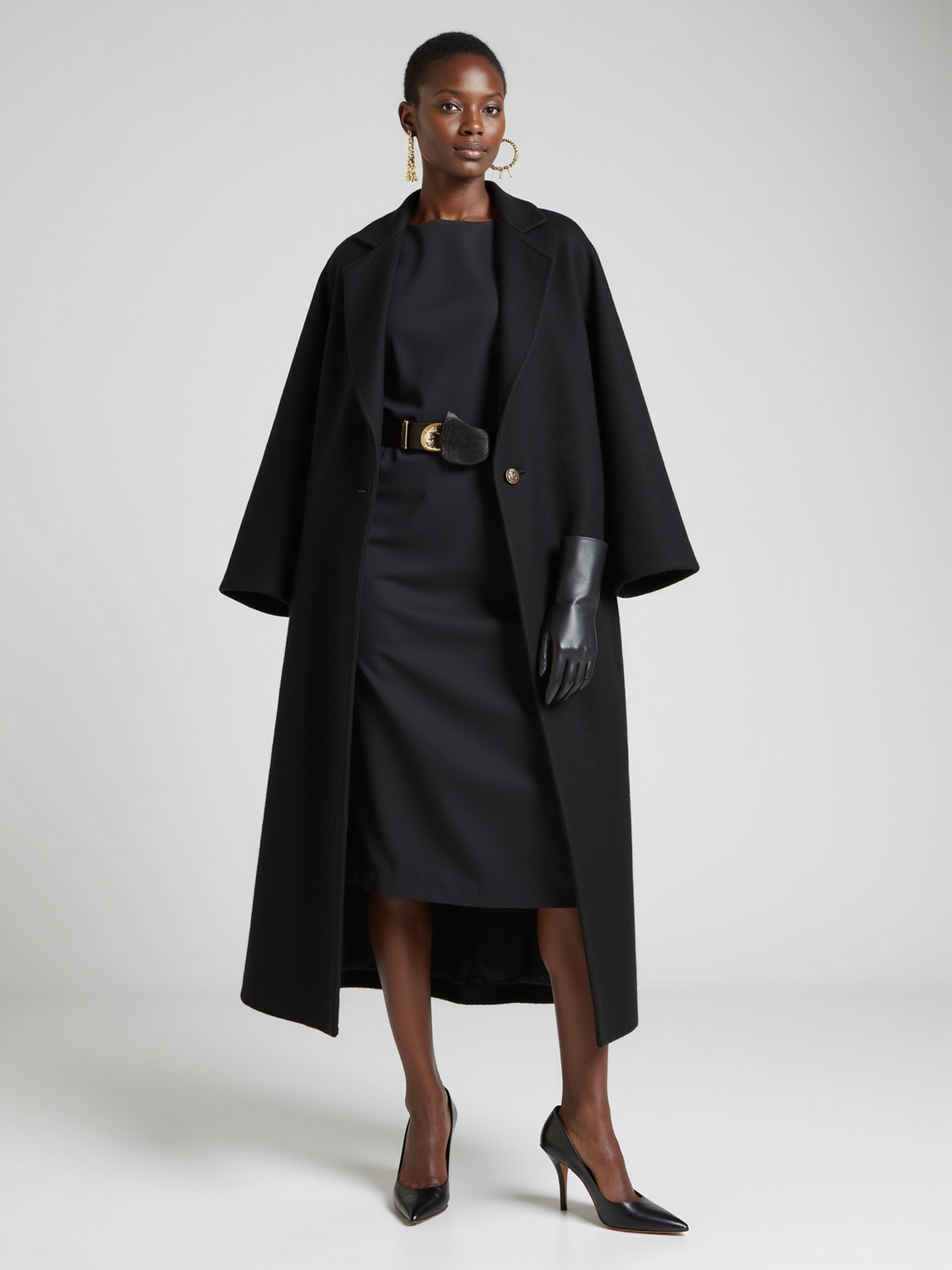
Because black can read as flat or rich depending on touch, I look for fabrics that give it depth and life.
I favor matte wool, silk-twill, and dense cotton — each absorbs light differently, creating subtle dimension.
Cashmere and brushed alpaca add softness without sheen.
Smooth leather and suiting gabardine read refined; they whisper quality when you move, not shout it.
Old-money aesthetics often pair these textures with timeless tailoring and minimal embellishment, a hallmark of quiet luxury.
How to Test Fabric Quality Before You Buy
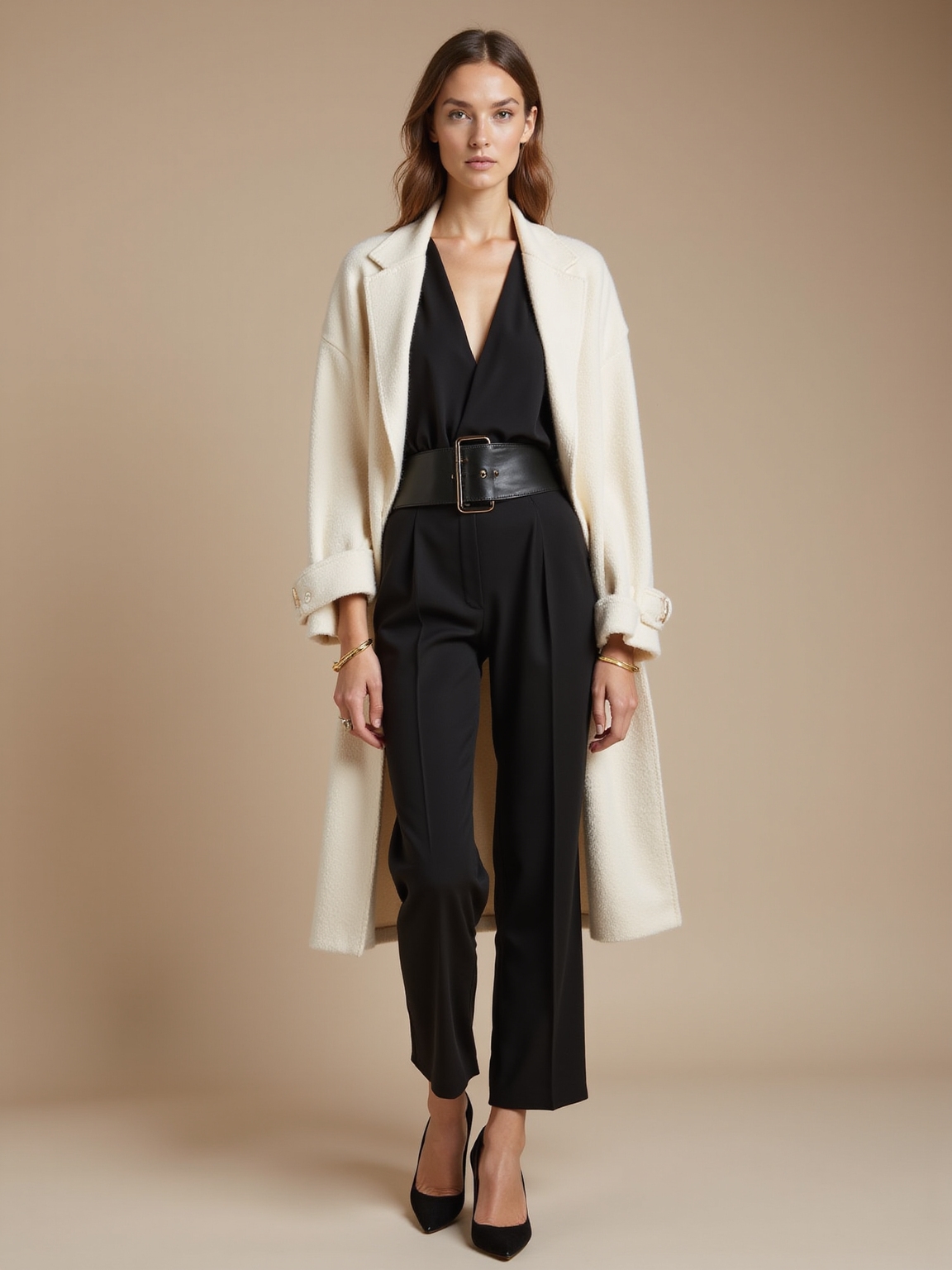
I run my fingers along the seam, feel the weight, and give the fabric a small stretch to see how it springs back — these quick, tactile checks tell me more than a label ever will.
I sniff for finishes, rub a hidden corner to check pill resistance, and hold it to light for weave density.
If it settles smoothly, I’ll buy it.
Old money style favors understated, high-quality basics like well-cut blazers and cashmere sweaters that read as quiet luxury to the eye.
10 Essential Black Pieces for an Old‑Money Closet
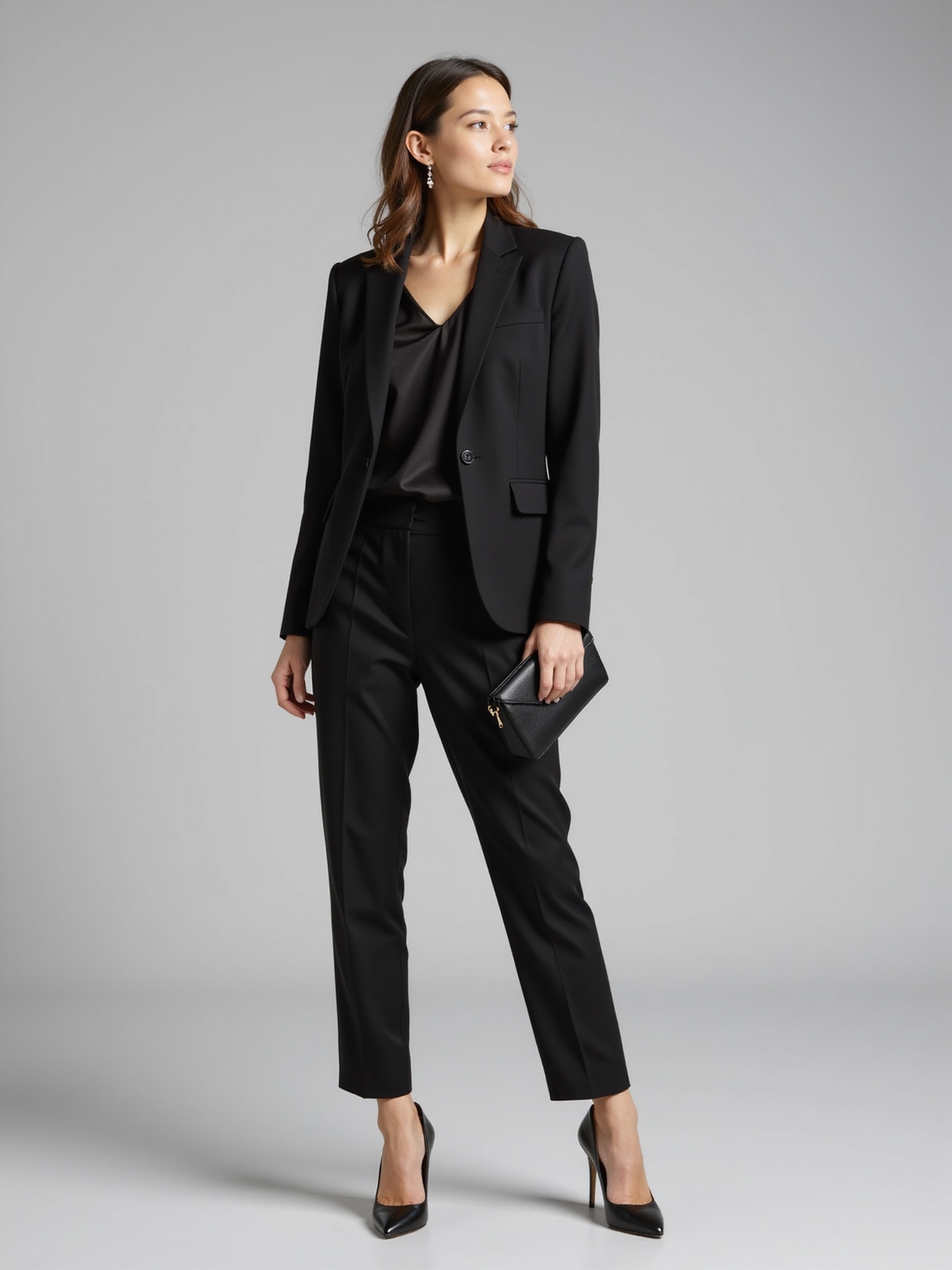
I keep a few black pieces that always feel right: a tailored blazer with a clean shoulder, a silk slip dress that skims the skin, and a cashmere turtleneck that breathes warmth.
When I put any one of them on, the texture and weight tell me more than the price ever could.
Let me show you how each works quietly—and what to look for when you shop.
Timeless pieces like these are perfect for cozy yet chic days, delivering effortless warmth and understated elegance.
Timeless Black Blazer
When I reach for a jacket that will quietly lift an outfit, it’s the black blazer I choose first; the cut, weight and slight give of the fabric tell me more about a person than any logo could.
I like a softly structured shoulder, smooth lining that slides, and buttons that sit without fuss. It frames posture, muffles sound, and makes simple moments feel deliberate. I often pair it with classic winter staples to create timeless winter outfits that read as effortless and refined.
Silk Slip Dress
Often I reach for a black silk slip when I want an outfit to feel effortless and quietly exact. It skims skin like twilight, cool and smooth, whispering with each step.
I pair it with simple leather flats or a delicate chain, never loud. The charm is in the fabric’s weight and the ease it brings—minimal, tactile, quietly assured. I often layer it with timeless tailoring to evoke old money refinement and understated elegance.
Cashmere Turtleneck
I reach for a black cashmere turtleneck when I want warmth that feels like a quiet promise—soft against my throat, light but insulating, the knit holding its shape without effort.
It layers under a blazer or stands alone with tailored trousers. I appreciate its muted presence, the gentle weight, the faint cashmere scent after wear, and how it elevates a simple silhouette without asking for attention.
Fit and Proportion Rules That Read Restrained
Because proportion dictates calm, I start by fitting pieces so they sit naturally on my body — not clinging, not drowning.
I favor balanced silhouettes: a slightly cropped jacket over high-waist trousers, sleeves that skim wrists, shoulders that align without strain.
Fabrics should whisper, not announce themselves; seams and hems fall cleanly. The result feels measured, tactile, and quietly confident.
Tailoring: What to Alter and What to Leave
When a garment reaches my hands, I decide quickly what to change and what to leave—small, thoughtful adjustments keep the intention intact.
I trim hems to whisper at the ankle, nip waists so fabric breathes right, soften harsh shoulders, and leave original lapels and pocket placement. I listen to fabric weight and seam tension, altering only where comfort and lines improve the quiet silhouette.
Styling a Black Blazer the Old‑Money Way
Reach for a black blazer like you’d a familiar book—steady, selective, and with a sense for what belongs on the shelf.
I pair it with crisp shirts, soft wool trousers, or a simple silk scarf at the throat, favoring muted textures and quiet hardware.
Keep lines clean, shoulders natural, and accessories minimal so the look whispers confidence rather than announces it.
Wearing a Black Cashmere Sweater With Polish
I slip into a black cashmere sweater as I’d a quiet room—soft, warm, and immediately settling—letting the fabric do the talking while I keep everything else pared back.
I smooth the sleeve, feel the faint weight, and pair it with neat trousers and simple leather loafers.
Minimal jewelry, neat hair, and deliberate posture finish the look with calm, considered polish.
How to Style a Silk Black Slip Dress Simply
When I wear a silk black slip dress, I keep jewelry and extras to a whisper so the fabric can sing.
I lean on immaculate fit — a smooth shoulder, a clean line through the waist — because tailoring is everything.
For shoes I stick to neutrals that let the dress do the talking and keep the look quietly composed.
Keep Accessories Minimal
Often I let a silk black slip dress speak for itself, draping quietly and catching light where it moves.
I add one slim gold chain, small studs, and a simple clutch — nothing that competes.
My shoes whisper rather than shout: a low heel or soft ballet flat.
The result feels intentional, tactile, and effortless, leaving the fabric to be noticed first.
Focus On Fit
Because a silk slip hangs closest to skin, I pay the most attention to its lines and length before anything else.
I smooth the bias cut over my collarbone, check the hem at mid-calf, and note where it grazes hips.
Fit whispers elegance: a gentle nip at the waist, clean straps, no gape.
When it sits right, the dress feels effortless and quietly exact.
Neutral Shoes Only
After I’ve confirmed the slip’s lines, my attention moves to shoes—the smallest detail that finishes the feeling.
I pick neutral tones that let silk breathe, grounding the look without shouting.
I want texture, hush, and a calm silhouette underfoot.
- Nude leather pump
- Beige suede mule
- Cream ballet flat
- Taupe loafer
- Pale woven sandal
Black Trousers & Skirts: Fit Rules That Matter
When I pull on black trousers or a skirt, I notice within seconds whether the piece feels composed or fussy; the right fit settles quietly at the waist, skims the hips without pulling, and lets fabric fall with a soft, unforced line.
I trust a smooth waistband, subtle tapering, and enough room to move. Hem length matters: not too short, not trailing, just calm and intentional.
Black Coats and Trenches That Signal Discretion
In a cool wind I reach for a black coat the way others might for a familiar cup: it settles over my shoulders without announcing itself, its lapels and seams speaking in small, exact details. I like weight, quiet structure, and pockets that breathe with my hands.
- Matte wool over a slim silhouette
- Single-breasted trench, clean belt
- Felted collar, soft edge
- Slightly cropped overcoat
- Hidden buttons, neat vents
Shoes & Accessories in Black to Complete Looks
Because shoes and small things finish an outfit the way a clasp finishes a letter, I choose black pieces that whisper rather than shout: a soft-leather loafer with a barely raised heel, a polished derby with narrow stitching, a slim ankle boot that slips on without fuss.
I favor muted textures, clean lines, supple leather that creaks faintly, and hardware kept out of sight to preserve calm.
Minimal Black Jewelry and Hardware That Look Costly
Small details keep a look feeling deliberate, so I move from shoes and clasps to the jewelry and hardware that sit closest to the body.
I favor matte black, subtle weight, and quiet polish that catch light without shouting — pieces that feel familiar against skin and click softly.
- thin matte signet ring
- small black pearl studs
- brushed onyx pendant
- slim gunmetal bracelet
- black enamel cufflinks
Five‑Piece Black Capsule: Outfit Combinations and Care
I’ll show you how five black pieces can rotate into morning-to-evening outfits that feel effortless and measured.
We’ll talk simple fabric care—gentle washing, mindful drying, the little repairs that keep items looking quiet and new—and how scent, weight, and touch change with wear.
Then I’ll cover storage tips that preserve shape and color so each piece earns longevity.
Five-Piece Outfit Mixes
Start by picking five black pieces you genuinely love—mine usually include a tailored blazer, a silk blouse, a slim trouser, a knit sweater, and a classic heel or loafer—then imagine how each one can shift tone with just a swap. I layer, unbutton, or tuck to change mood; textures and fit whisper intention.
- Blazer + blouse
- Sweater + trouser
- Blazer + sweater
- Blouse + heel
- Trouser + loafer
Fabric Care Essentials
After mixing those five pieces into looks that feel quietly deliberate, I pay the same attention to what keeps them looking that way: how each fabric responds to wear, wash, and time.
I smell the faint wool, feel silk’s slip, test cotton’s resilience. I hand‑wash delicate knit, use gentle detergent, reshape damp garments, and air them flat, trusting subtle care to preserve their hush.
Storage And Longevity
Because these five black pieces are meant to live quietly at the center of a wardrobe, I store them with small rituals that extend their life: breathable garment bags for wool and silk, cedar blocks to deter moths, padded hangers for structured jackets, and clean cotton drawer liners for knits and tees.
They smell faintly of cedar and stay ready, folded or hung with calm care.
- Rotate seasonally
- Brush after wear
- Steam instead of iron
- Mend small snags immediately
- Avoid plastic compression
You’ll see how a handful of black pieces—cut well, made in nice fabrics, kept simple—quietly lift your whole wardrobe. I’d rather invest in a few things that feel substantial against the skin than chase trends.
Touch the wool, watch the drape, listen to the hush a good coat makes as you move. Keep it tidy, rotate slowly, and you’ll get mileage that’s worth its weight in gold—no flash, just confidence.