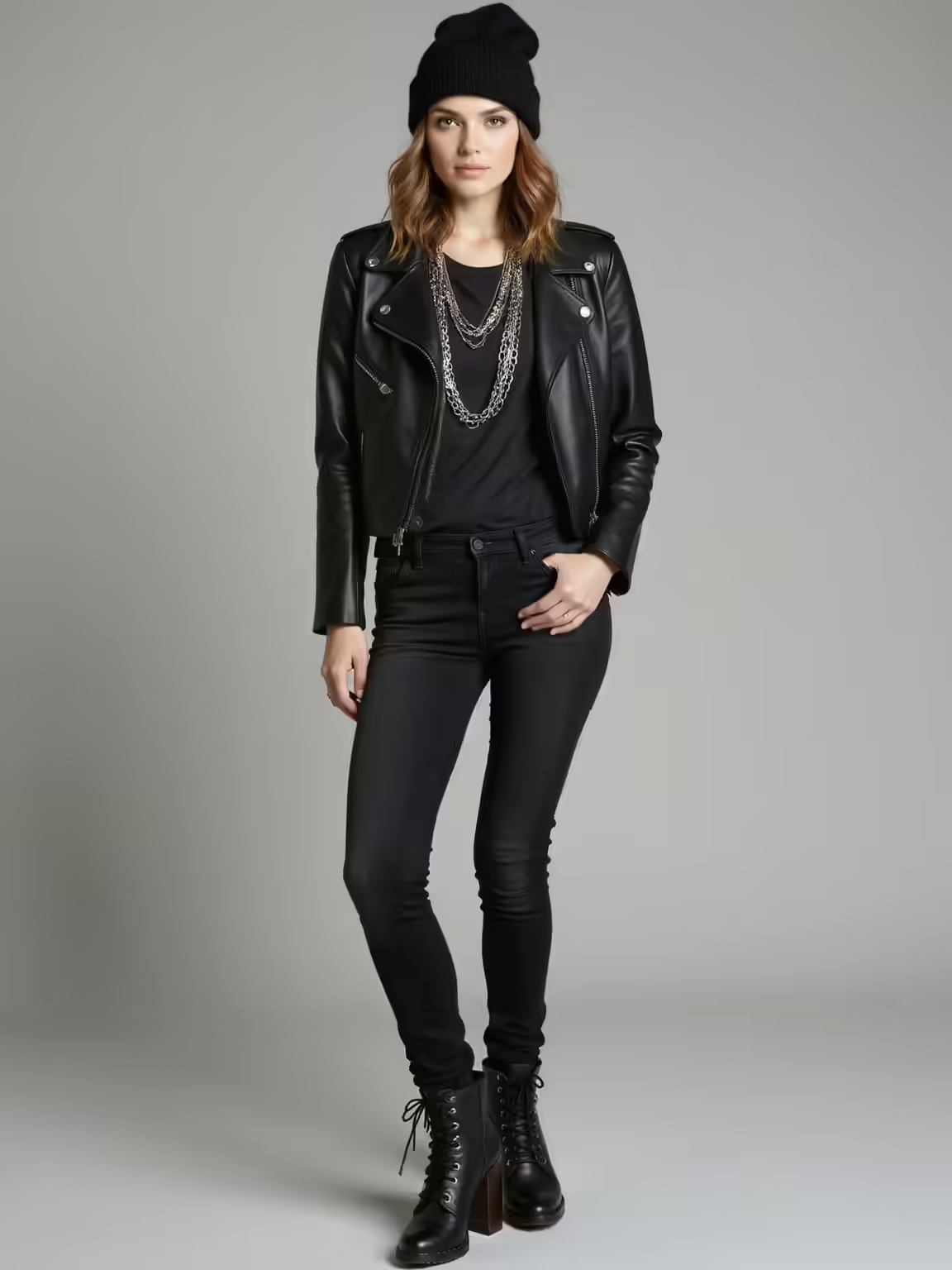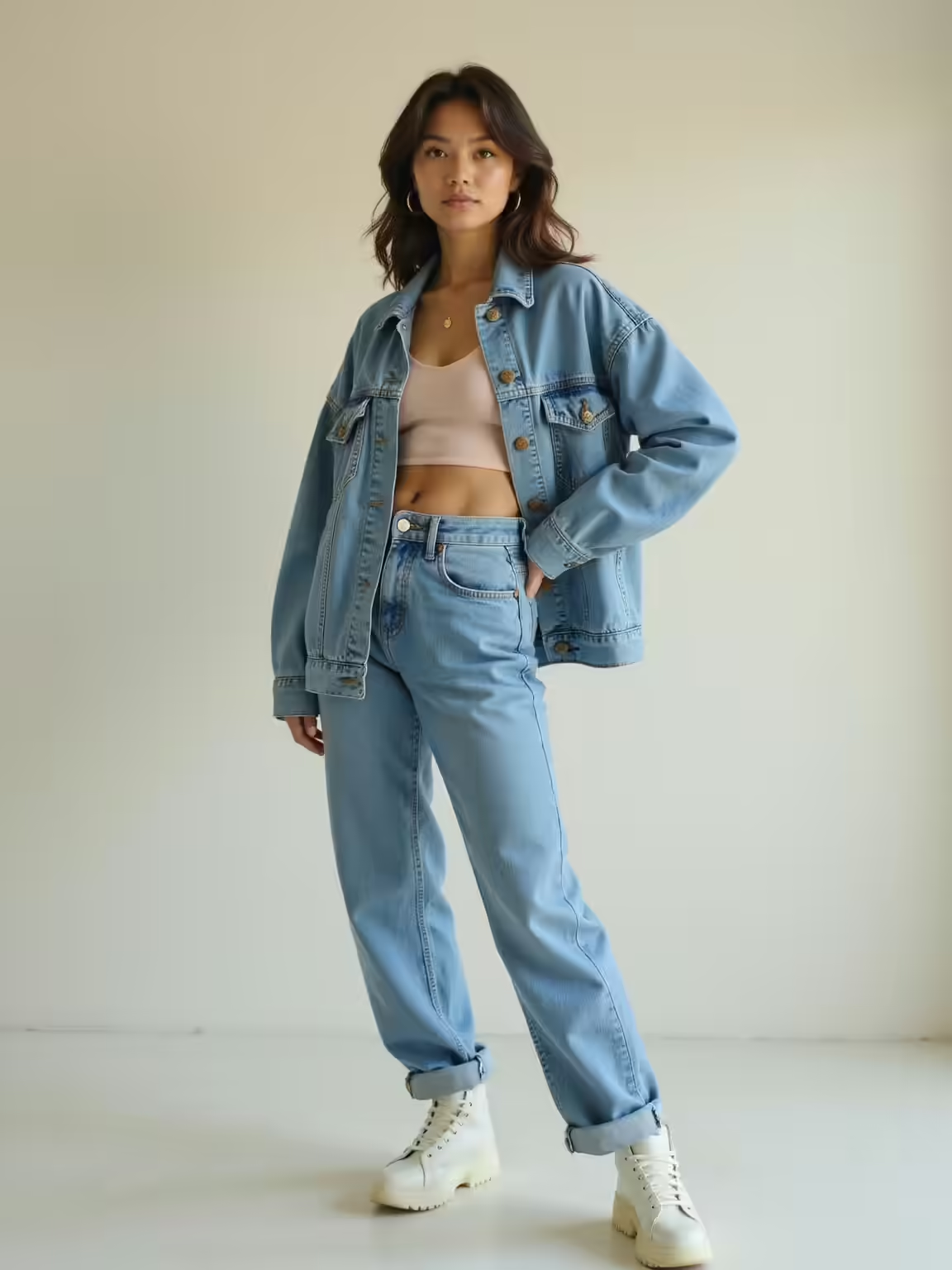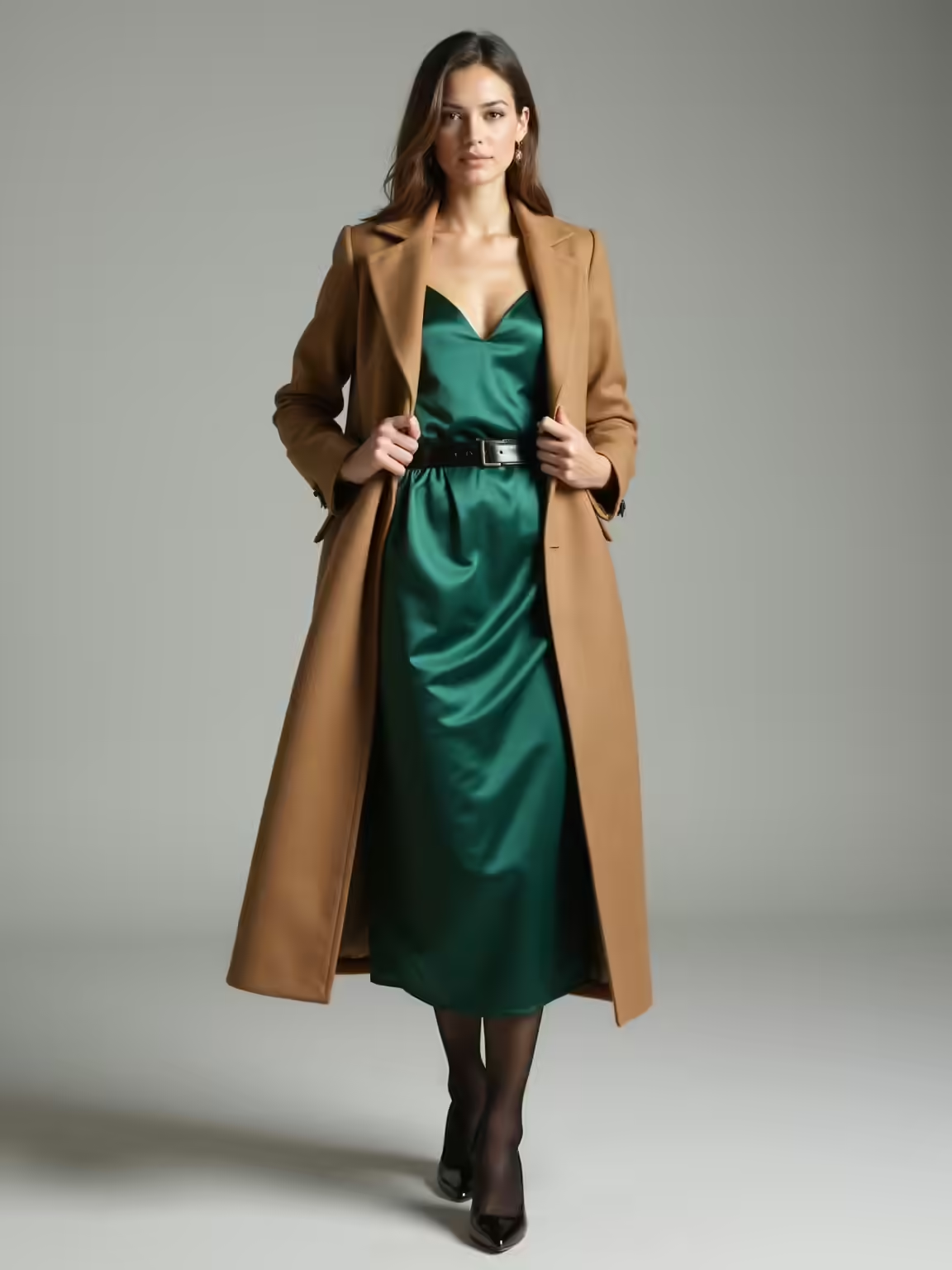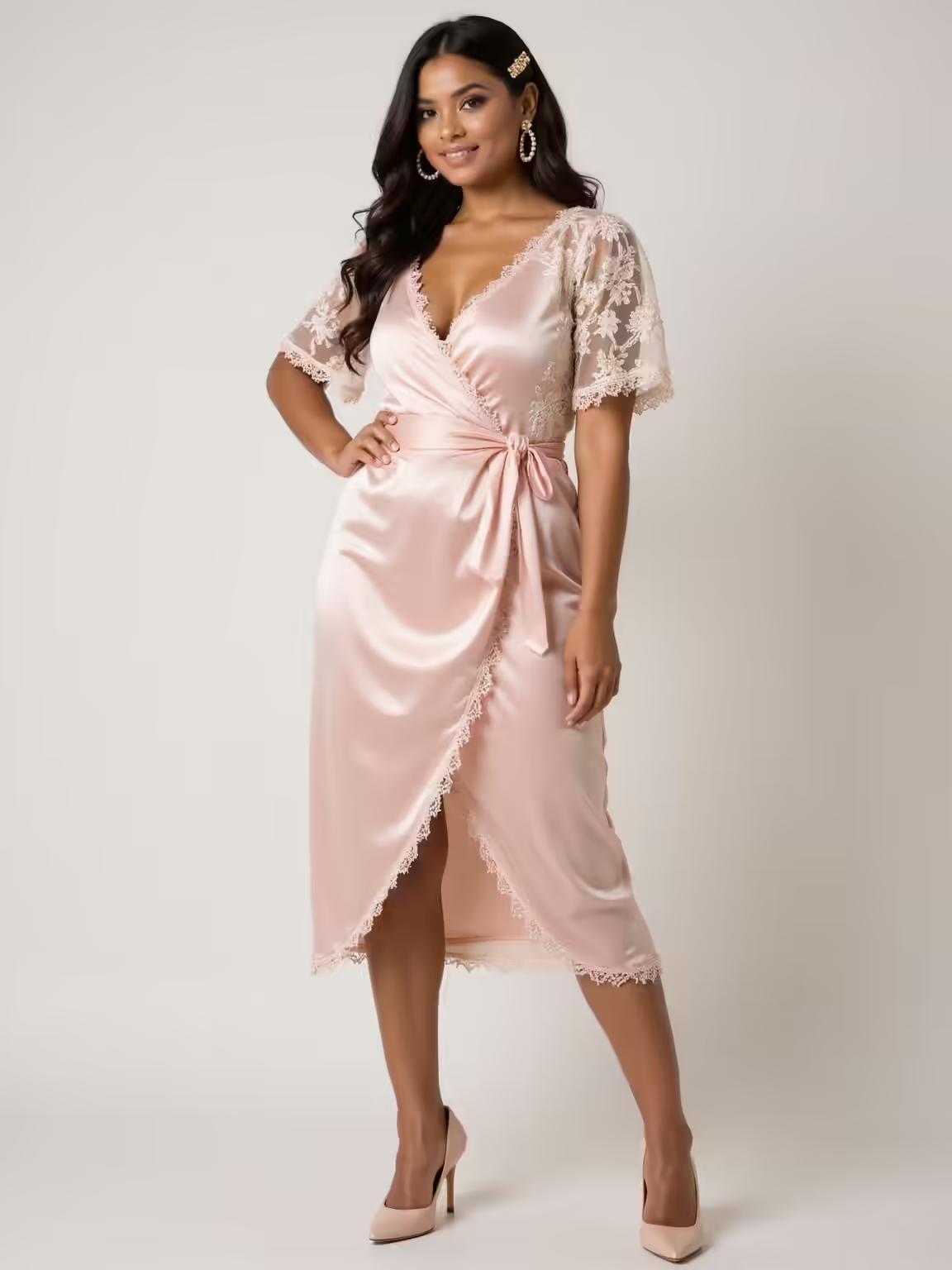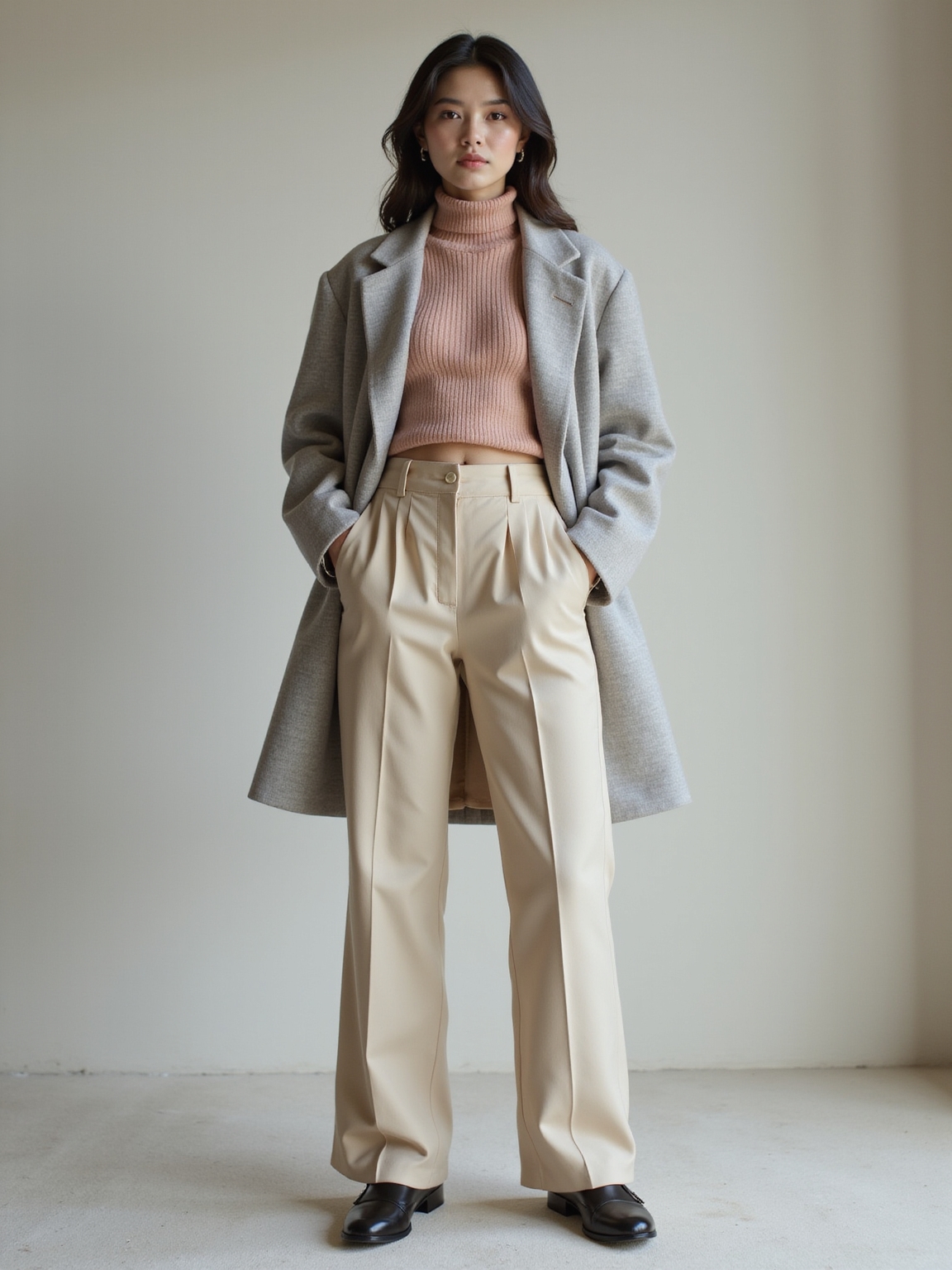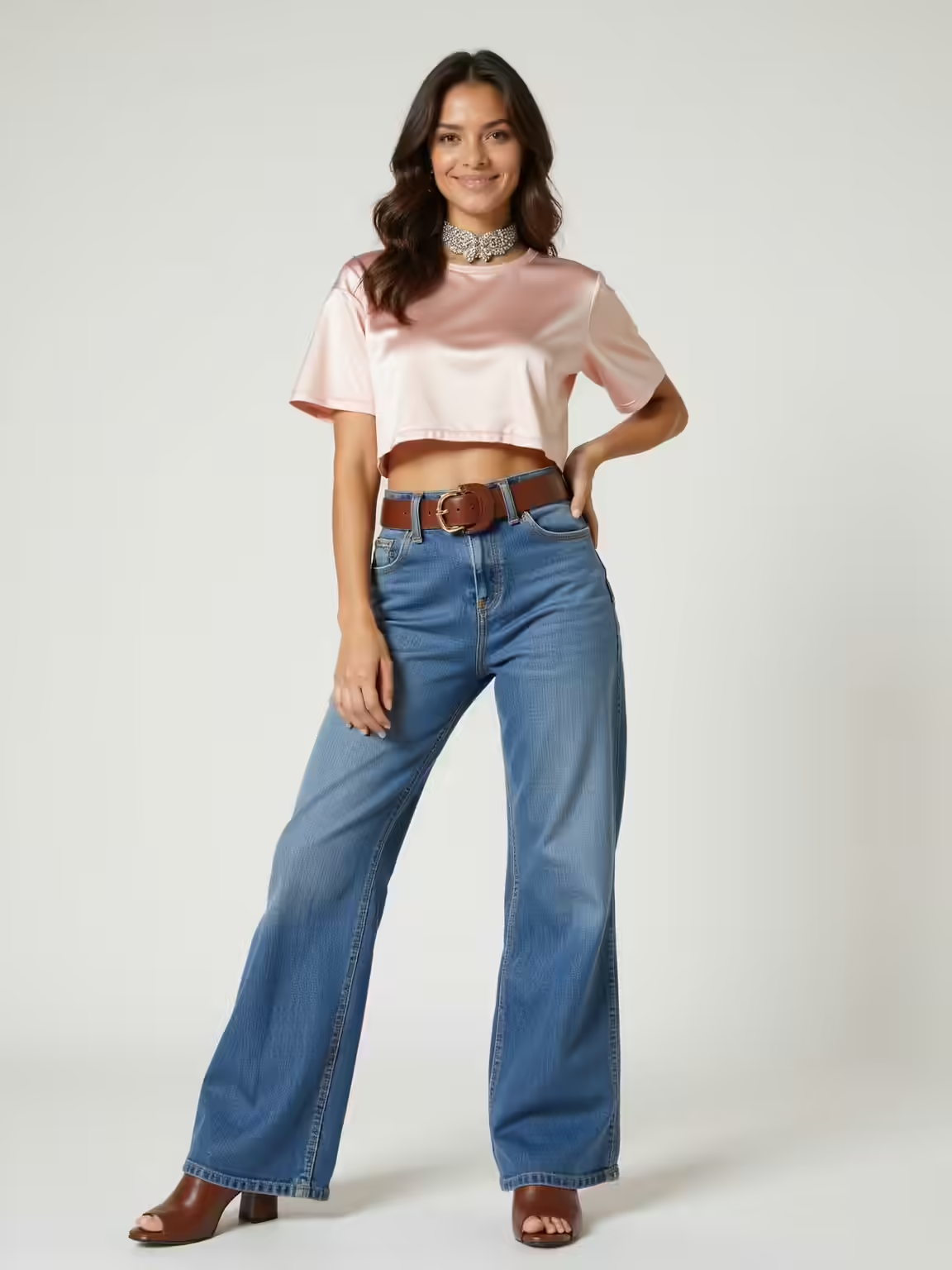

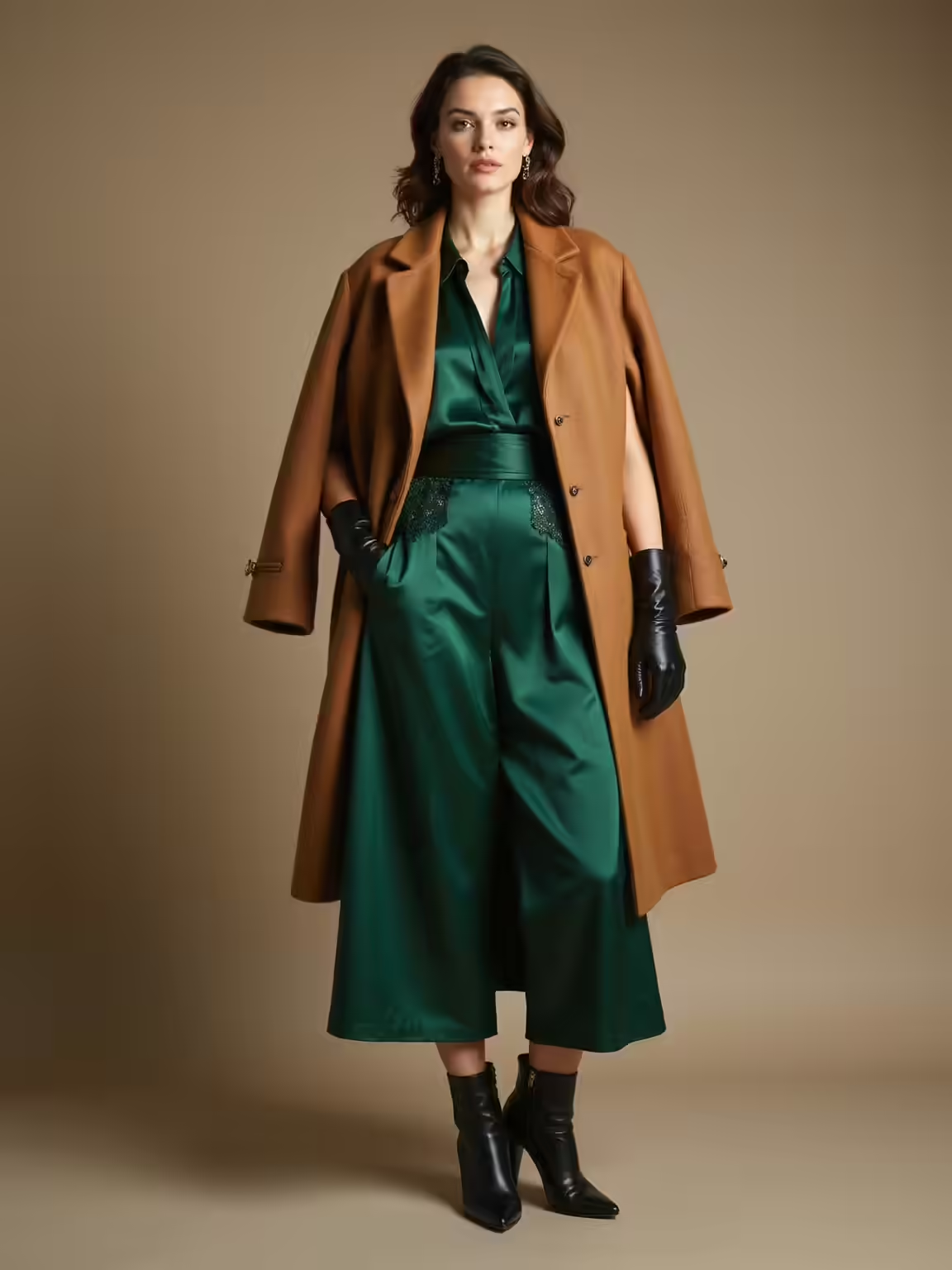
I build vintage-led outfits by choosing one era as my anchor—then I blend a genuine vintage focal piece with neutral modern basics and a contemporary shoe. I favor natural fibers, muted palettes, and tactile textures that shift with the season.
I check seams and labels, mend small flaws, and keep accessories restrained so the silhouette breathes. This approach feels quietly luxurious and endlessly wearable; keep going and I’ll show how to pick eras, shop smart, and style each look.
Quick Guide: Build a Vintage Outfit in 5 Steps
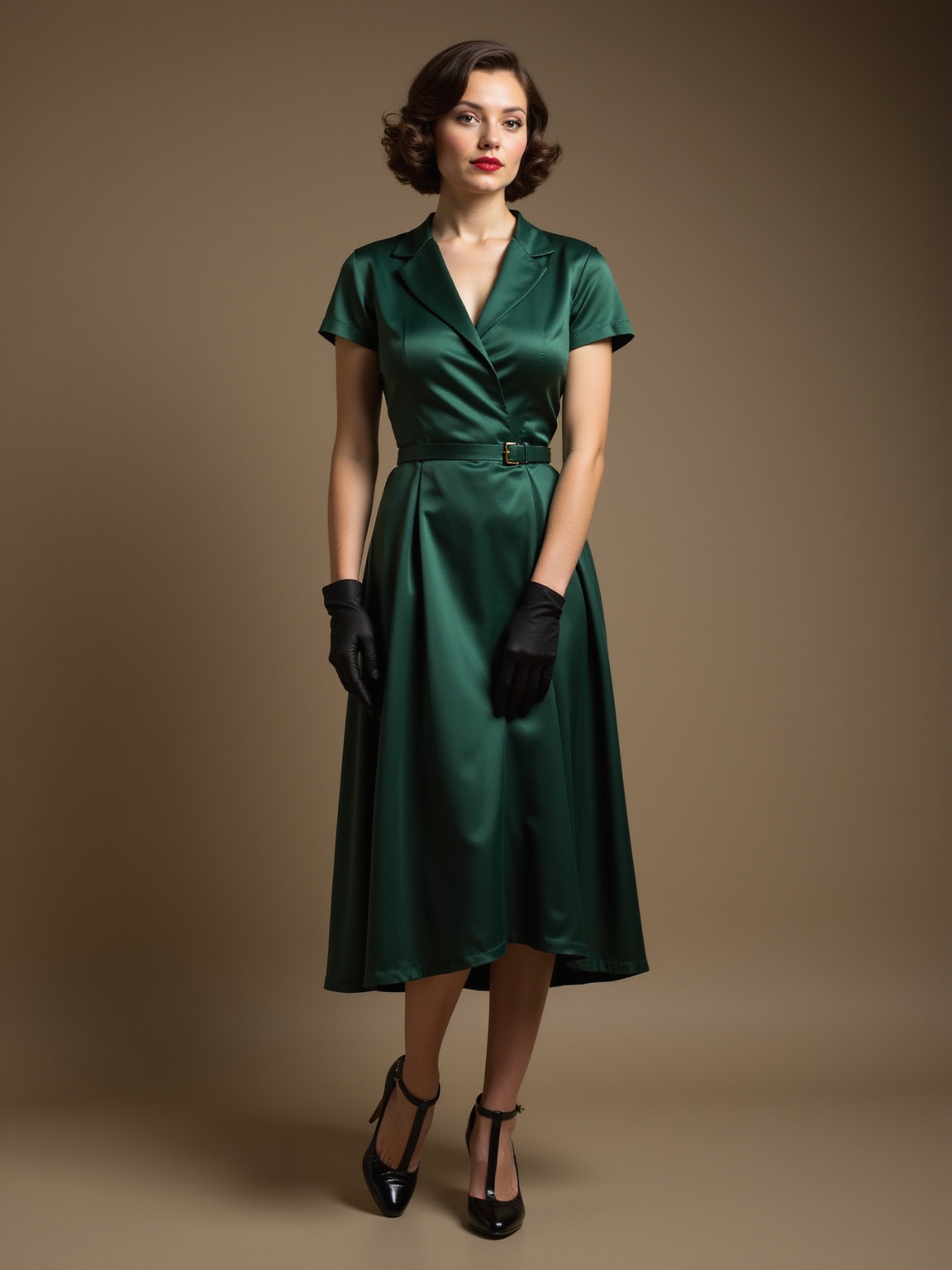
1 simple framework helps me build a vintage outfit every time: pick an era, choose a focal piece, balance proportions, add texture, and finish with accessories.
I’ll guide you through choosing era-specific silhouettes, anchoring with one standout item, mixing scales so nothing overwhelms, layering tactile fabrics for seasonal feel, and selecting shoes and jewelry that seal the mood without competing.
Try one small tweak today.
Old Money Outfits feature Timeless Vintage Style to cherish forever.
Why Vintage Styling Still Works (Sustainability, Craft, Story)
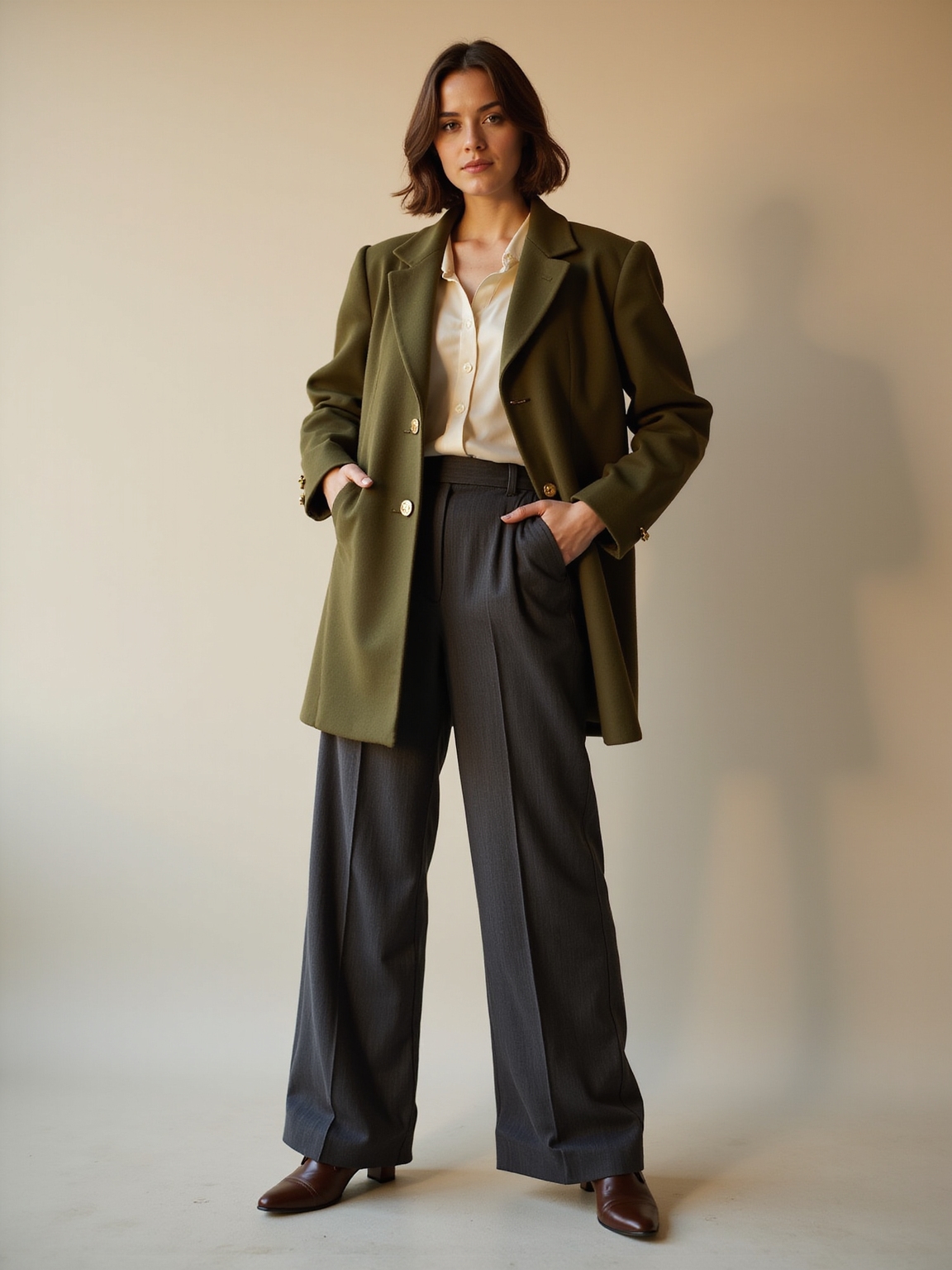
Because vintage pieces carry more than style, I still turn to them for reasons that go beyond nostalgia: they’re quieter acts of sustainability, tangible evidence of craft, and wearable stories that outlast trends.
I cherish seams mended by hand, sun-faded linens that hint at summers past, and the slow fashion rhythm that asks me to value longevity over impulse.
They feel rooted, refined, and real. Old money aesthetics also inspire looks that are effortlessly luxurious and timeless, often echoed in classic tailoring and minimalist palettes.
Spot Real Vintage vs. Vintage-Inspired Pieces
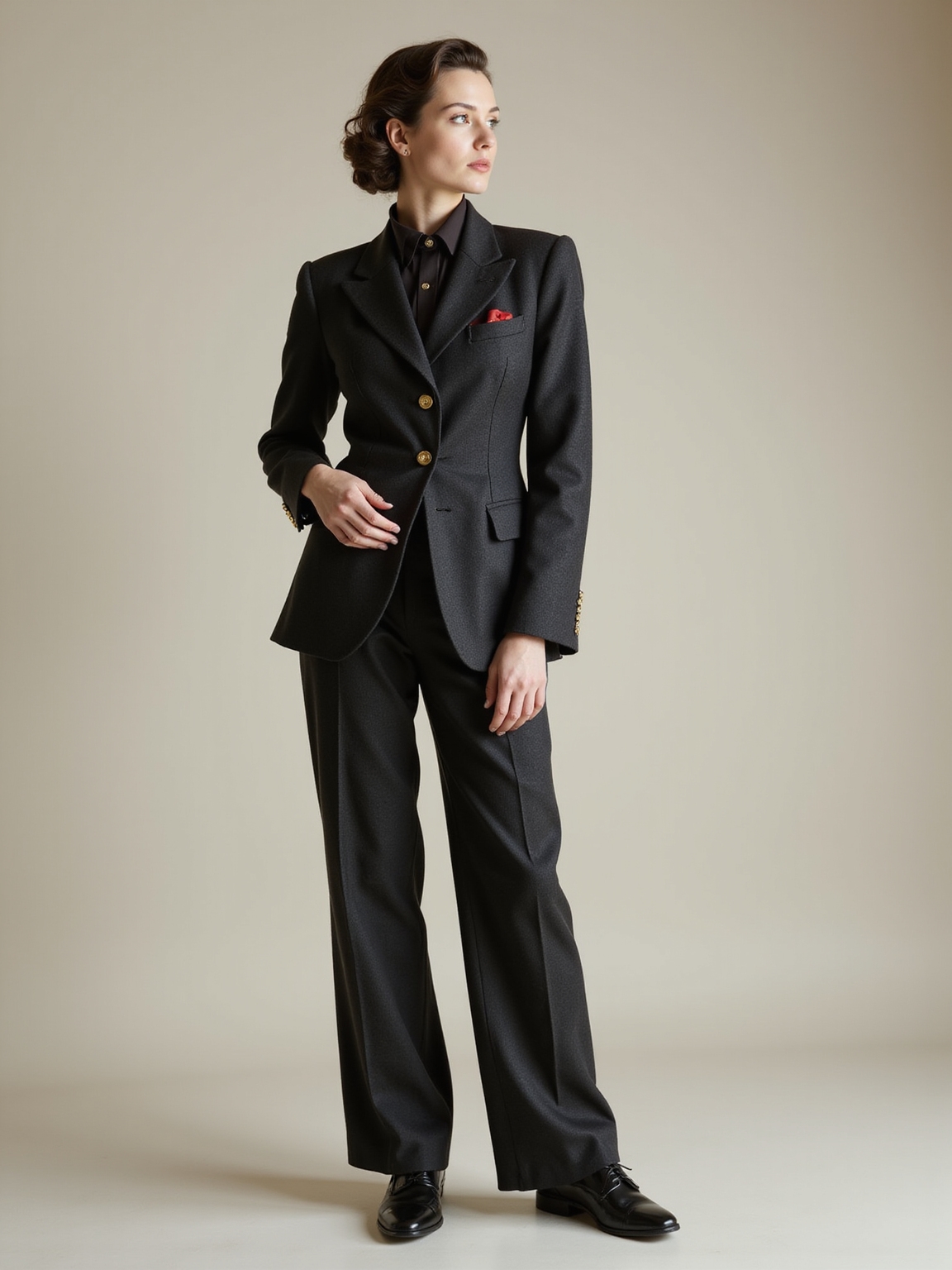
When you’re deciding whether a piece is truly vintage or simply vintage-inspired, I always look to the fabric and construction first — natural fibers, hand finishes, and weight tell a story you can feel.
I also check hardware and labels for era-accurate details, and let subtle signs of wear — soft elbows, faint patina on buttons, tiny repairs — confirm authenticity. Together those clues help you choose pieces that fit your wardrobe’s mood and the season’s textures.
Timeless silhouettes and skirt-focused ensembles often define the Old Money aesthetic and guide how you wear vintage.
Fabric And Construction
I run my fingers along seams and linings to tell a garment’s story, because fabric and construction reveal whether something is truly vintage or just vintage-inspired.
I note weight, hand, stitch type, and wear patterns, then share quick cues:
- Natural fibers breathe and age gracefully.
- Hand or chain stitches hint at older methods.
- Lining choices reflect original tailoring care.
Old money outfits favor cardigans and details that speak to quiet luxury and enduring craftsmanship.
Hardware And Labels
If you want to tell a true vintage piece from something merely vintage-inspired, start with the hardware and labels—I run my fingers over zippers, snaps, buttons, and tags because their age and manufacture speak loudest.
I note stamped logos, brass patina, stitch styles and woven tags; these quiet details reveal era, origin and care, helping me choose pieces that feel seasonally right and genuinely rooted.
I also lean toward classic, timeless silhouettes that evoke old money dressing to elevate a wardrobe without shouting trends.
Signs Of Wear
Beyond hardware and labels, wear patterns tell the louder stories: I look for soft sheen where elbows, cuffs and knees have been rubbed by years of use, tiny frays at seam ends, and uneven fading that follows the garment’s natural movement.
I note:
- Threadbare spots and patched repairs.
- Gentle discoloration along edges.
- Broken-in drape and softened interlinings.
Those signs sell authenticity. I also pay attention to the subtle tailoring and proportions that evoke the old money aesthetic beloved on Pinterest and vintage-fashion boards.
Pick a Signature Era That Fits Your Look Goals

When I want a cohesive vintage wardrobe, I pick an era and let it guide everything from silhouette to fabric weight; it keeps morning choices effortless and seasonally sensible.
I choose based on mood: romantic 1930s drape for autumn, crisp 1960s tailoring for spring, or relaxed 1970s layers for summer.
That focus simplifies shopping, repairs, and how pieces speak to one another. I often lean into Quiet Elegance when choosing pieces to ensure an understated luxe feel.
Wardrobe Essentials by Decade: 1940s → 1990s

From my closet to yours, I’ve broken down the must-haves for each decade so you can stitch together a vintage wardrobe that actually works for today’s seasons and rhythms.
I pin timeless pieces to seasonal cues: structured 1940s suits, 1950s fit-and-flare, 1960s mod, 1970s boho, 1980s power, 1990s grunge.
Markdown list below:
- Tailored basics
- Statement outerwear
- Versatile accessories
Understated Luxury: Clothes That Whisper Wealth often favors luxurious fabrics and quiet detailing to convey elegance without overt logos.
Create a 25-Piece Modern Capsule With Vintage Items
Because I love pieces with stories, I build my 25-piece capsule by mixing a few true vintage finds with modern basics so each outfit feels lived-in but effortlessly current.
I choose versatile silhouettes, seasonal fabrics, and a muted palette that shifts with light.
Each garment earns its place—a silk blouse, tailored trousers, a worn leather belt—so mornings feel simple, thoughtful, and quietly stylish.
Mix Era Pieces With Modern Basics (Rules That Work)
Although I love the romance of a 1940s blouse or a ’70s skirt, I anchor those pieces with modern basics so the look feels deliberate, not costume-y.
I pair era focal points with clean lines, neutral silhouettes, and current shoe shapes.
My simple rules:
- One vintage focus
- Neutral modern base
- Contemporary shoes/accessories
The result is relaxed, seasonally textured elegance.
Vintage Color, Print, and Fabric Rules for Impact
When I choose vintage color, print, and fabric, I look for pieces that speak clearly without shouting—muted palettes and worn-in textures often read as intentional rather than dated.
I favor earthy tones, small-scale florals, and tactile linens or suedes that patina. Contrast sparingly: one spirited print balanced by calm solids. Seasonal weight matters; drape and hand tell the story more than trend.
Silhouette and Proportion Hacks for Flattering Fits
I lean into silhouette and proportion as the quiet architecture of a vintage look, tweaking hems, waists, and shoulders so each piece feels deliberately placed rather than merely worn.
I favor balancing volume and line:
- Cinch waists to create vintage hourglass.
- Crop tops with high waists for elongation.
- Soften shoulders to avoid overpowering frame.
Seasonal textures finish the intent.
Where to Shop Vintage: Thrift, Markets, and Online Tips
I love wandering local thrift stores on crisp mornings, where a sunlit rack can yield the perfect blouse or coat.
At weekend markets I look for well-labeled stalls and chat with sellers to unearth pieces with good provenance and stitching.
Online dealer platforms are my rainy-day treasure troves—I bookmark reputable shops, check measurements carefully, and favor sellers with clear, close-up photos.
Local Thrift Stores
Swing by a neighborhood thrift and you’ll find little time capsules—wool coats smelling faintly of cedar, brass buttons catching the late-afternoon light, and denim with the perfect lived-in fade.
I wander racks, savor quiet discoveries, and recommend:
- Inspect seams and lining.
- Try different eras’ cuts.
- Hunt for quality fibers.
These shops reward patience and seasonal curiosity.
Vintage Market Tips
When I stroll through vintage markets I keep my eyes open for stories—sun-bleached band tees tucked beside satin eveningwear, suitcases stacked like small monuments, and stalls where sellers know their era-by-era quirks.
I scan seams, check linings, and imagine seasons they’ve lived. I haggle gently, favor pieces with patina and fit, and leave with finds that feel inevitable, not forced.
Online Dealer Platforms
Wandering from market stalls to screens, I keep that same eye for story when I’m hunting online—there’s a rhythm to scrolling vintage listings that echoes the physical shuffle of racks.
I savor textures, seller notes, and faded labels. My tips:
- Favor clear photos and honest measurements.
- Message for provenance.
- Save searches for seasonal drops; patience pays.
Inspect, Clean, and Repair Vintage Clothes Safely
Because vintage pieces tell stories, I always start by laying them out in natural light and giving each item a careful once-over—checking seams, linings, closures, stains, moth holes, and any fabric fragility.
I spot-test gentle detergents, hand-wash delicate silks, press with a cloth to protect fibers, mend with tiny, invisible stitches, and store items wrapped in acid-free tissue to preserve their seasonal patina.
Accessories, Hair, and Makeup to Sell the Era
I usually finish an outfit by choosing accessories, hair, and makeup that quietly speak the decade’s language—small gestures that turn a garment into a story.
I favor restrained choices that anchor era:
- Vintage brooches or scarves for context.
- Era-appropriate hair—soft waves, tight rolls, or sleek bobs.
- Makeup cues—matte lips, bold liner, or dewy skin to complete mood and season.
Take Looks Day-to-Night: Easy Outfit Swaps
I love showing you how a few layering essentials — a lightweight coat, a silk scarf, or a fitted cardigan — can nudge a daytime ensemble toward evening without losing that vintage charm.
Swap one or two accessories, like trading flats for a slingback and adding a brooch or bolder earrings, and the whole mood shifts like dusk settling in.
Let me walk you through simple, season-aware swaps that keep the outfit grounded yet ready for night.
Layering Essentials Guide
Shifting a vintage look from day to night is one of my favorite small transformations — I’ll show you how simple swaps and a few key layers make it effortless.
I favor breathable linens for day, then add structure and warmth as dusk cools.
Try these essentials:
- Lightweight slip
- Tailored blazer
- Wool scarf
They blend texture, silhouette, and seasonal grace.
Accessory-Based Transformations
A few well-chosen accessories can turn a sunlit linen dress into an evening-ready ensemble in minutes, and I love showing how small swaps make that change feel effortless.
I’ll reach for a silk scarf, statement earrings, a structured clutch, and suede heels; daytime sandals tuck away.
These seasonal textures—linen to silk, raffia to velvet—shift mood instantly, keeping vintage charm alive from dawn to dusk.
Budget Tactics: Thrifting Smart, Investing, Upcycling
I’ve learned to treat thrifting like treasure hunting—moving slowly through racks until something calls to me—and that patience pays off for a vintage wardrobe that feels personal, not costumed.
I mix small investments with creative fixes to stretch style across seasons:
- Quality basics
- Targeted repairs
- Upcycled accents
I guide you gently: thrift with intent, spend on classics, remake the rest.
Common Styling Mistakes and Quick Fixes
When you lean into vintage, it’s easy to let a few small styling mistakes make an outfit read costume-y instead of collected; I watch for the same traps on my thrift runs and at home.
I fix over-accessorizing by choosing one statement piece, balance proportions with modern tailoring, refresh tired fabrics with gentle steaming, and ground seasons with layered textures so looks feel lived-in, not staged.
I’ve loved how vintage dressing stretches my wardrobe’s story—and it can do the same for you. Remember my friend Ana, who paired a thrifted 1970s suede jacket with modern jeans and watched people compliment the “timeless” vibe all night?
That mix of authenticity and ease is the point. Start small, pick an era, swap one piece, and let accessories, hair and a little confidence finish the look—seasonal, sustainable, and utterly yours.