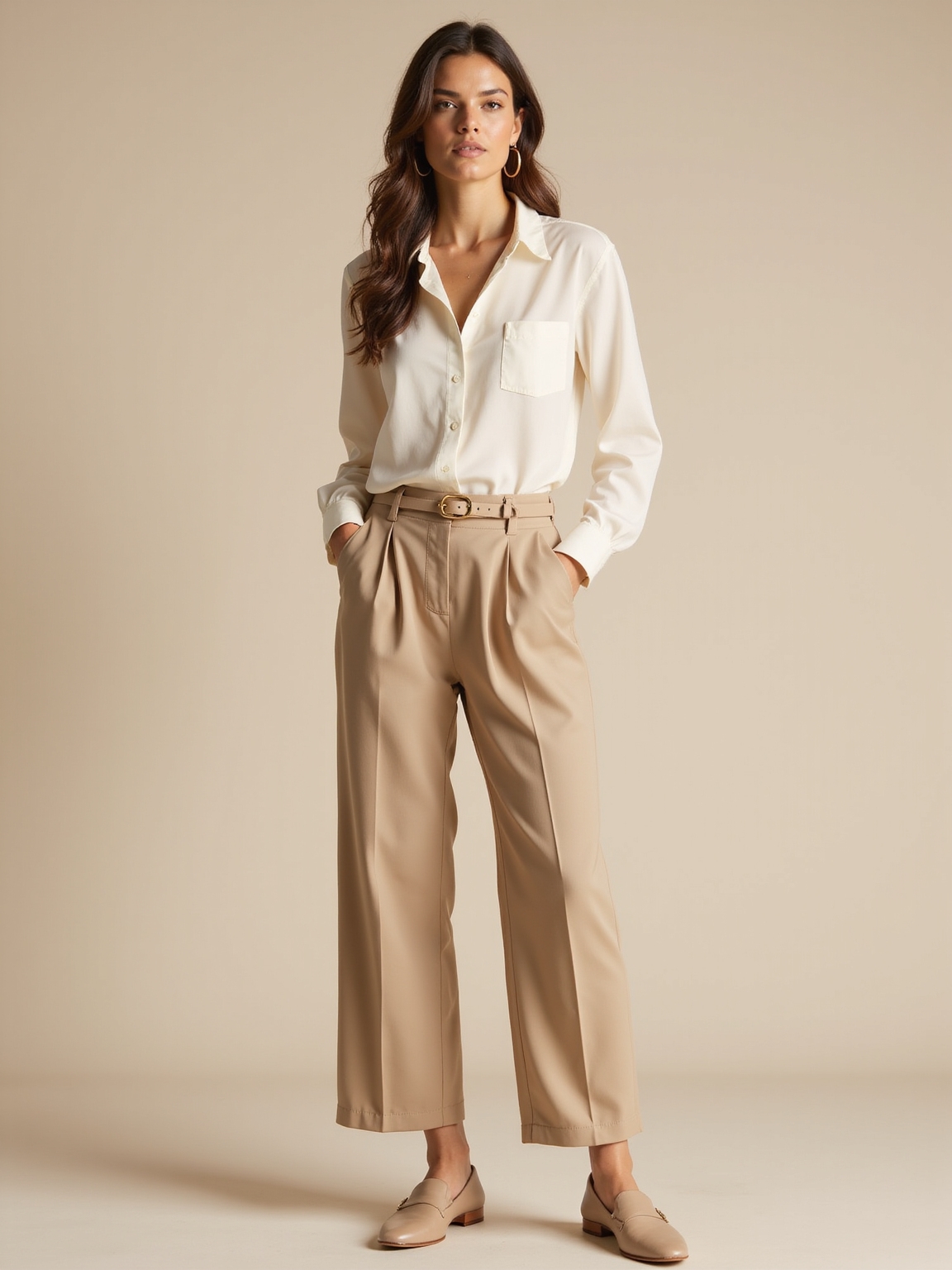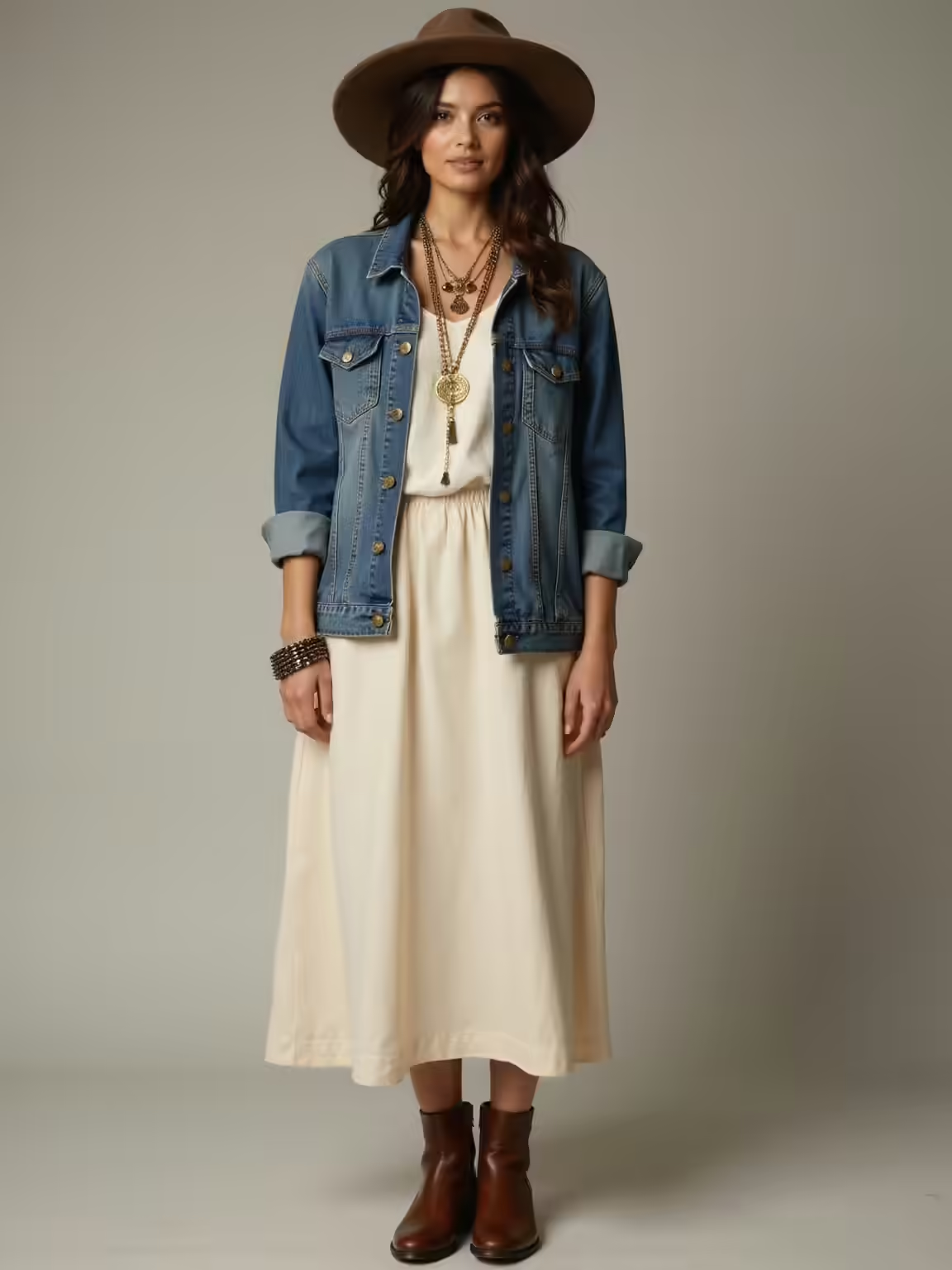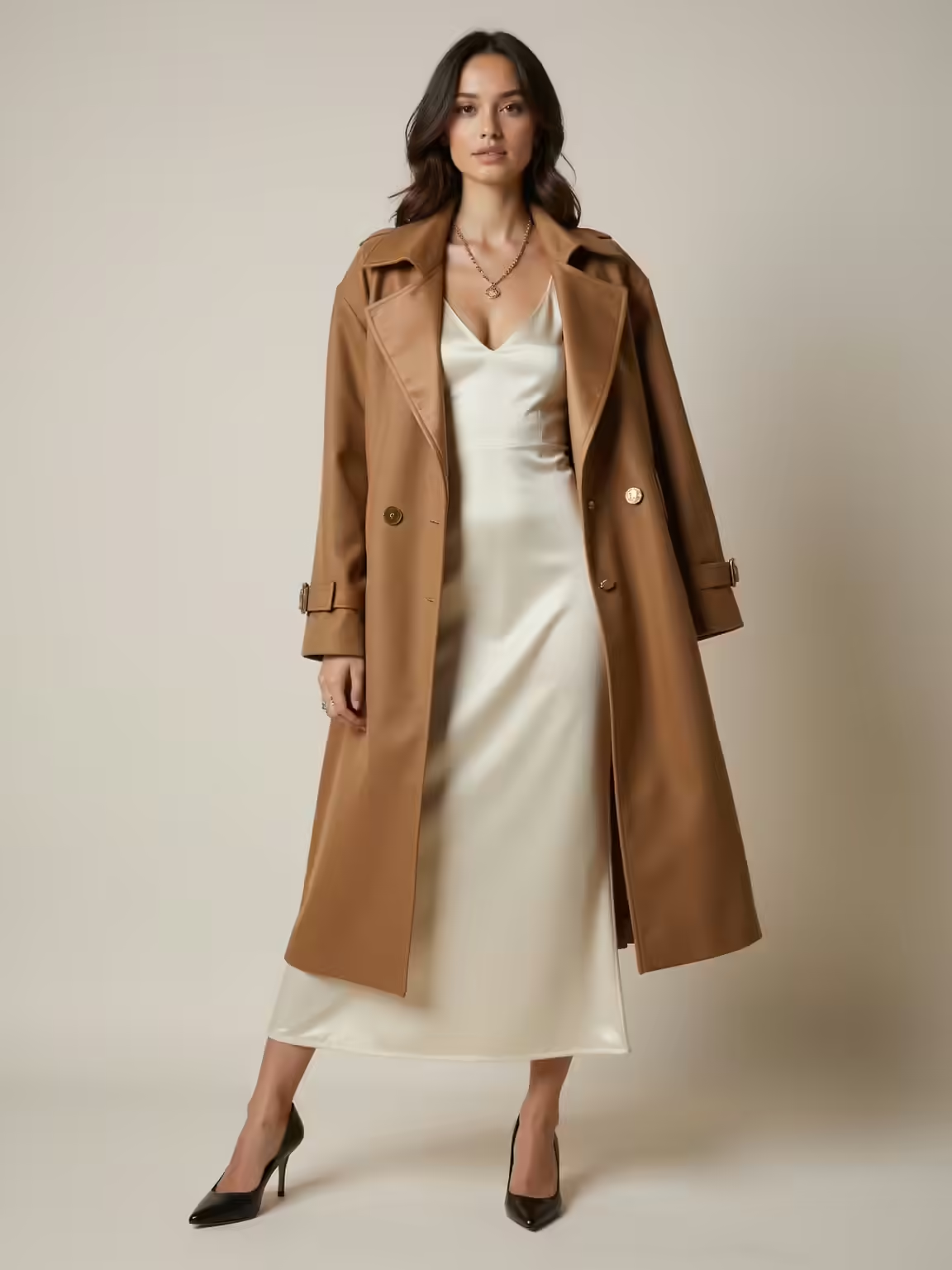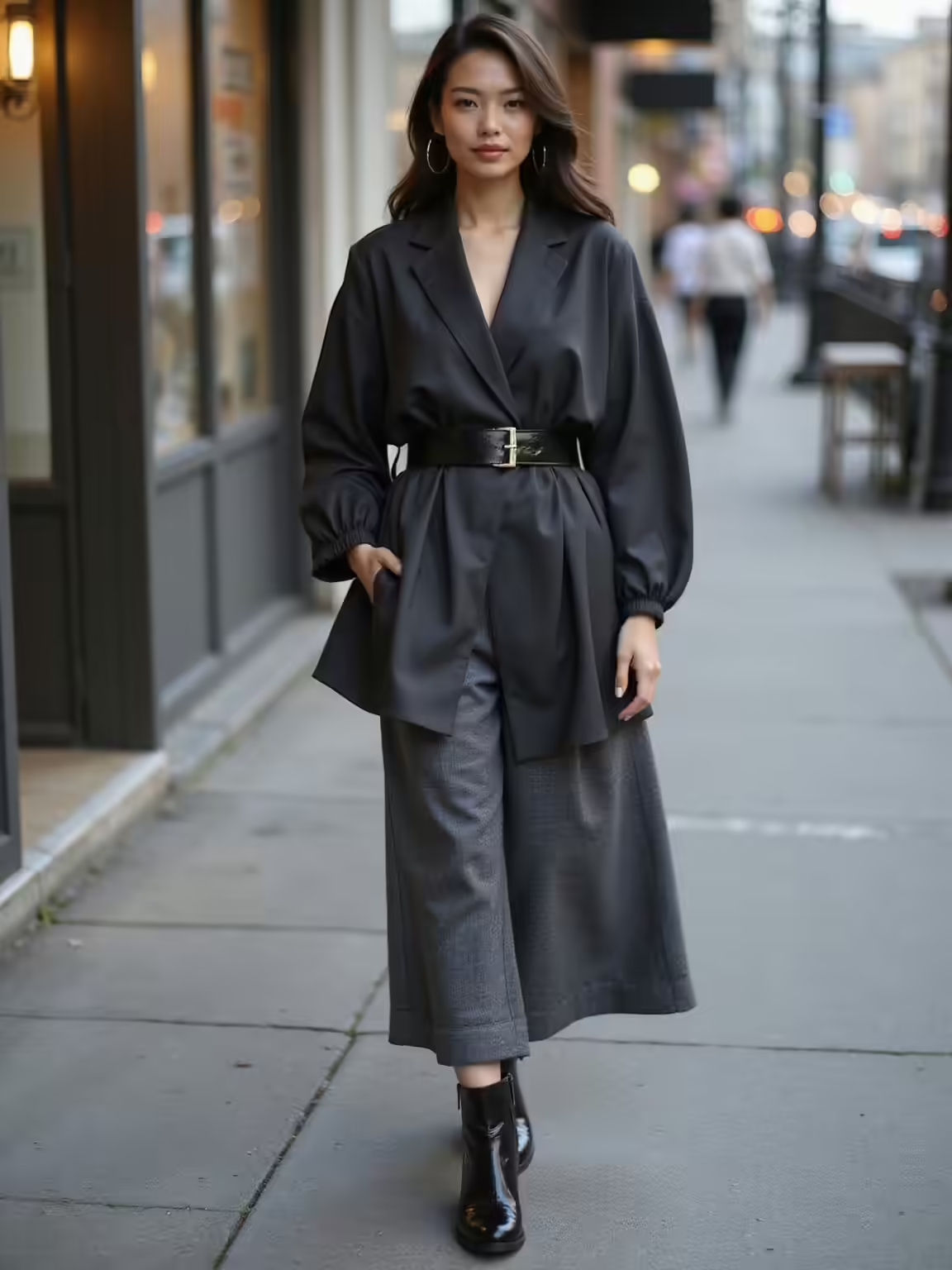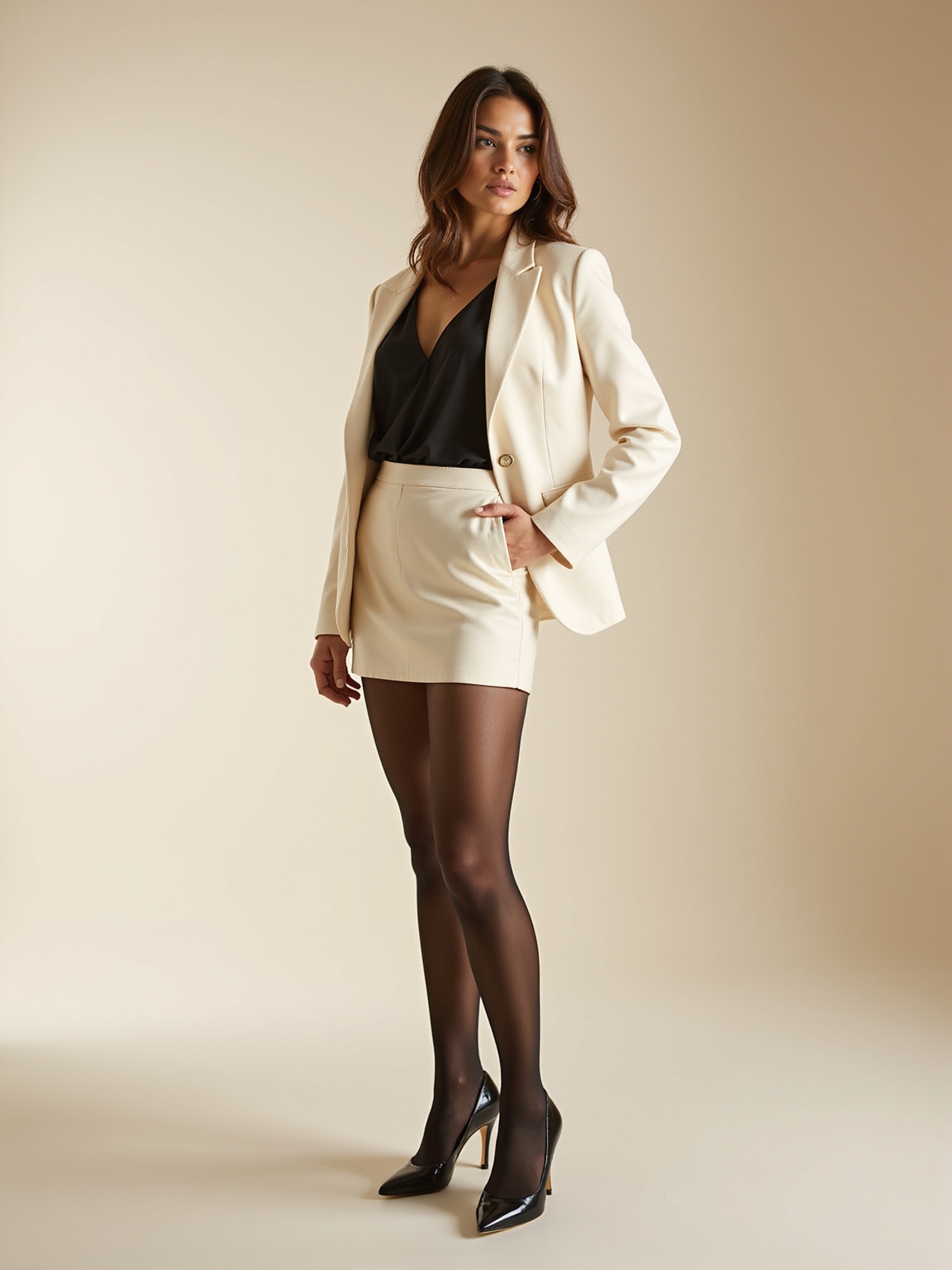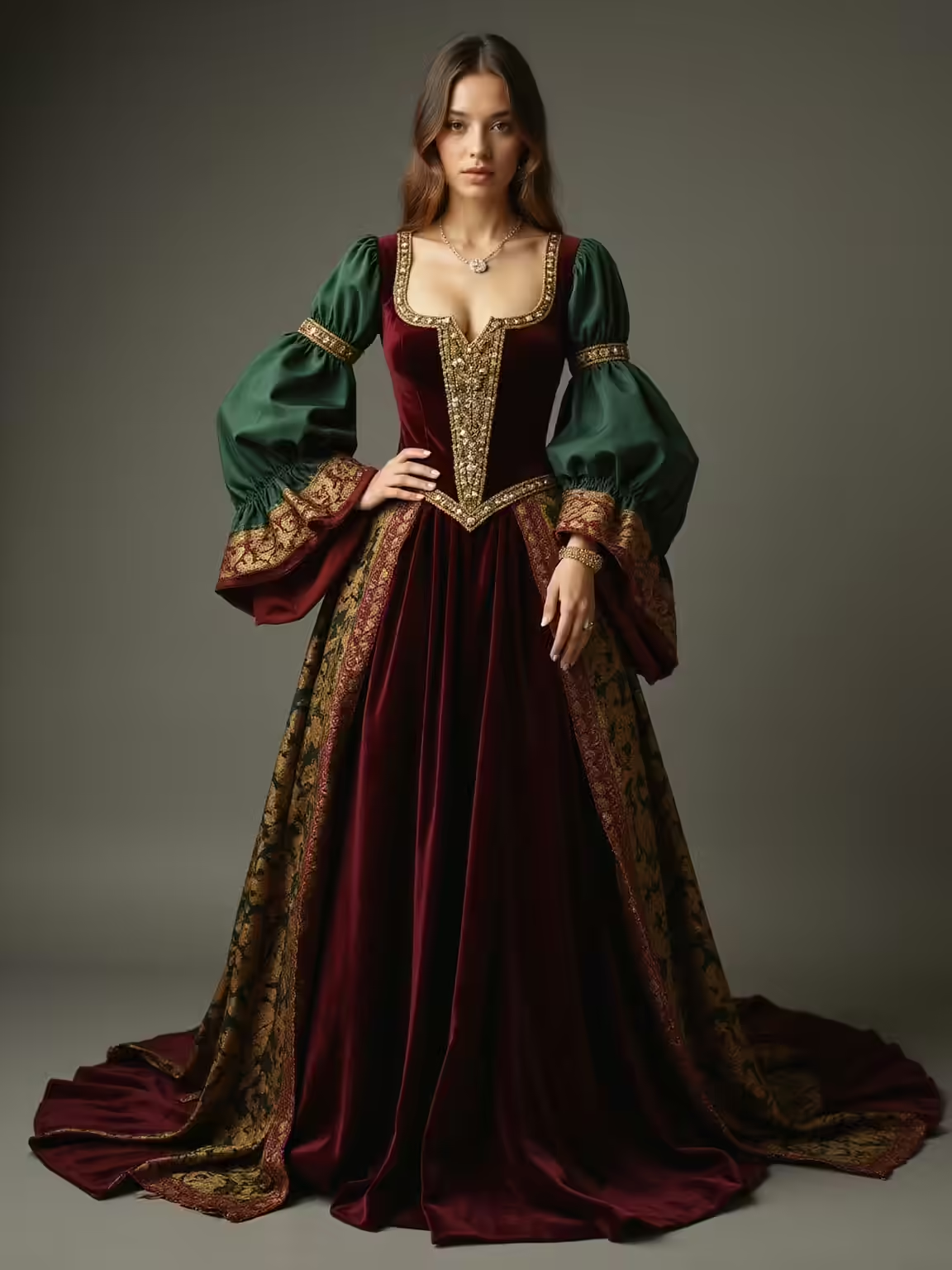

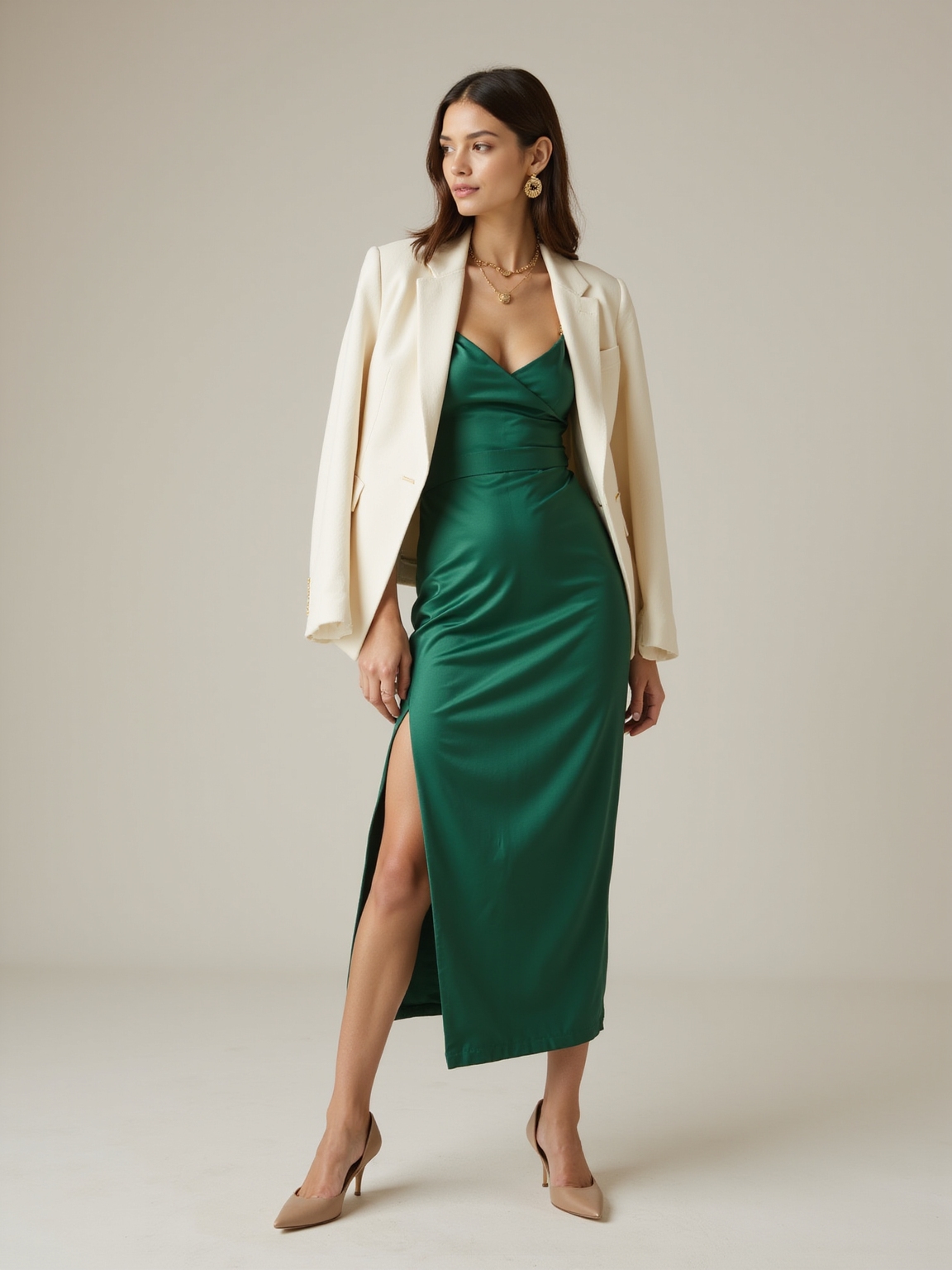
I craft museum-ready outfits by editing until each look feels like a small exhibition: a restrained palette, layered textures, and one sculptural focal piece that acts like a frame. I favor archival fabrics, calm silhouettes, and a single thoughtful accessory so the whole outfit breathes.
I pose with quiet composure—soft gaze, relaxed shoulders—to let the clothes teach seeing. Stay with this approach and you’ll learn how to make every ensemble feel intentionally timeless.
Defining the Museum-Ready Aesthetic and Why It Works
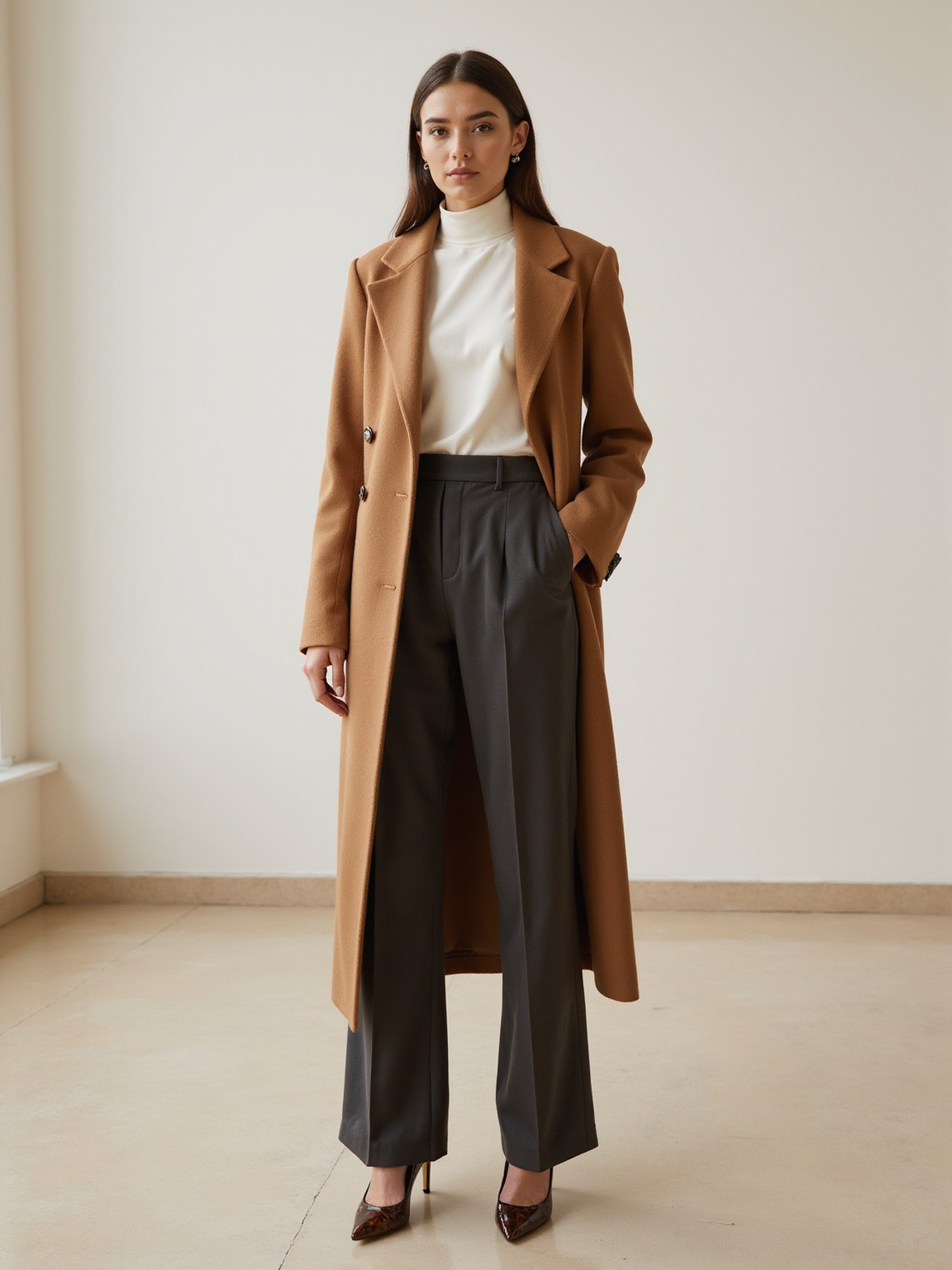
When I step into a gallery, I don’t just notice the art—I notice how the room seems to ask for a certain kind of presence, one that the museum-ready aesthetic answers: quietly polished, thoughtfully layered, and unmistakably intentional.
I choose restraint: mute palettes, considered textures, and small thoughtful details. That quiet coherence lets the wearer feel composed, respectful, and wholly present among artworks.
Cold-weather dressing often favors timeless layers to maintain polish without sacrificing warmth.
Quick Museum-Ready Outfit Formulas You Can Copy
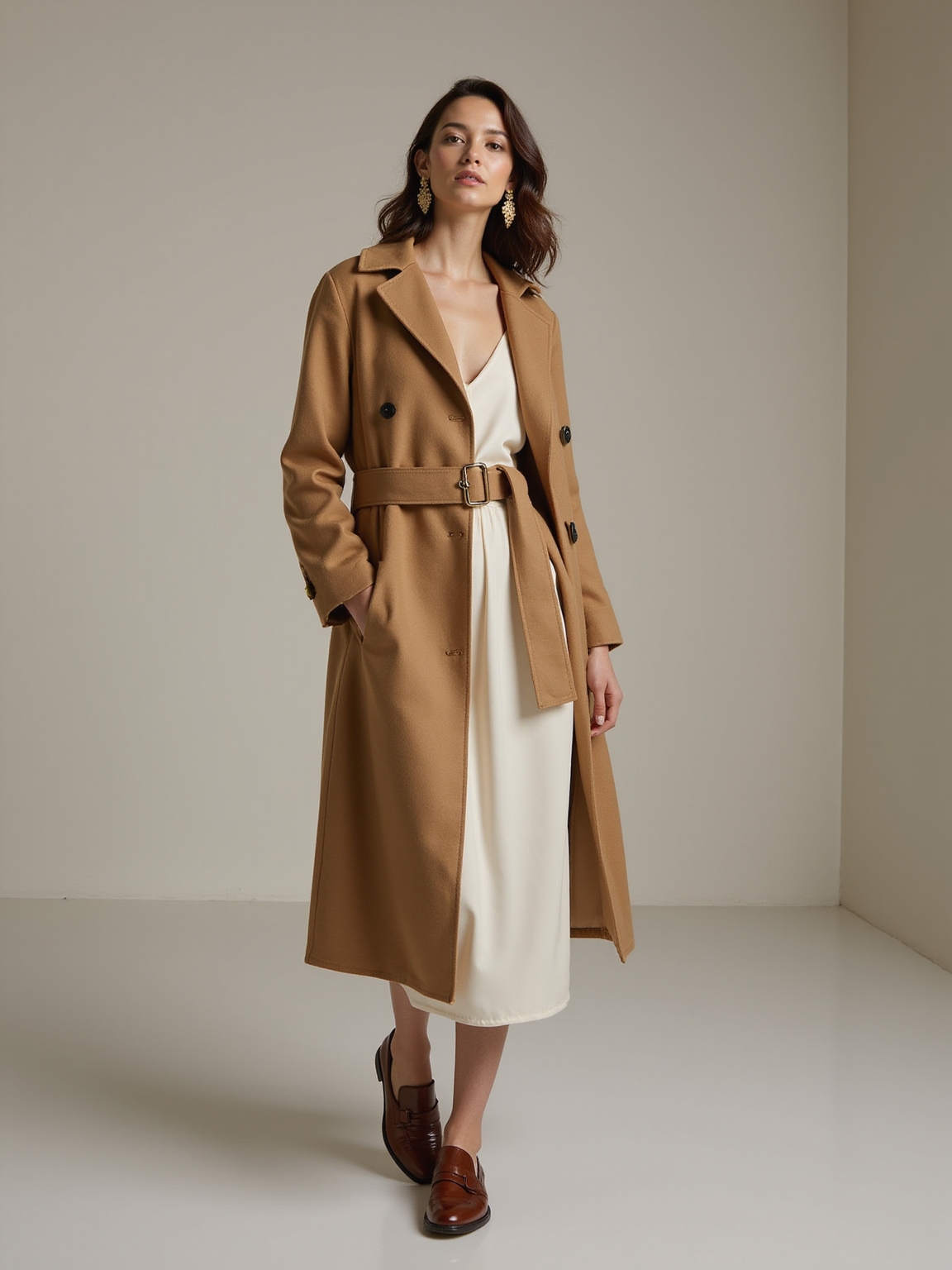
I often reach for simple formulas that take the guesswork out of dressing for a museum: a neutral blazer over a soft tee, tapered trousers and loafers; a midi slip dress with a structured coat and minimalist jewelry; or high-waisted jeans, a lightweight turtleneck and a tailored blazer.
I pair textures, limit colors, and choose one elegant accessory so the outfit reads effortless and deliberate.
Many minimalists rely on capsule wardrobes to keep outfits cohesive and easy to assemble.
Core Principles: Use Sculpture, Story, and Restraint
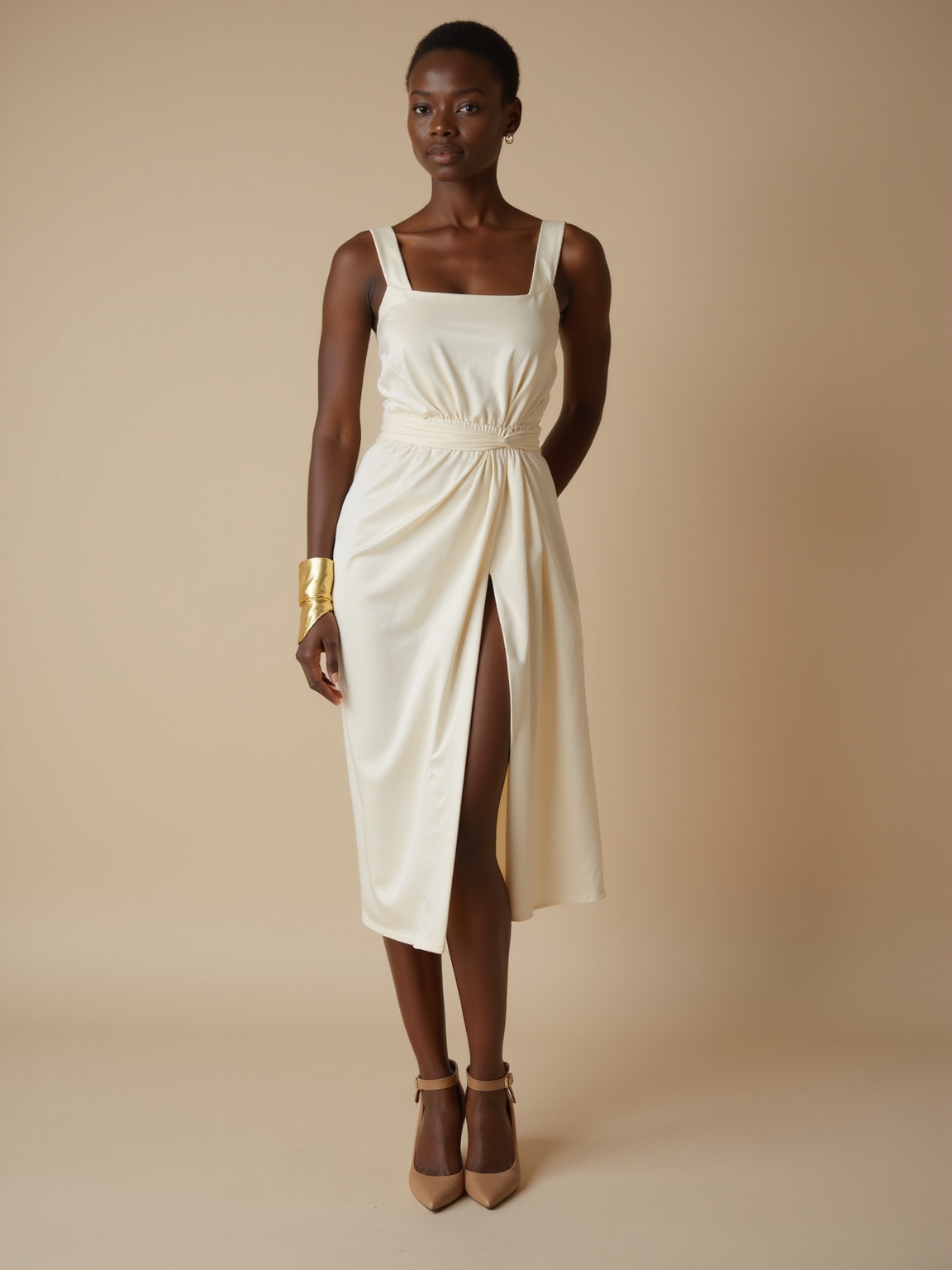
Because a museum teaches you to see, I think about outfits as small exhibitions: sculpture, story, and restraint guide every choice.
I shape silhouettes like quiet statues, layer textures that whisper of where I’ve been, and edit ruthlessly so nothing competes. The result feels intentional, lived-in, and generous—an outfit that holds its gaze without shouting, inviting closer, calmer attention.
I often turn to timeless silhouettes as the foundation for building an elevated, cohesive wardrobe.
Choose a Focal Piece That Reads Like an Artwork
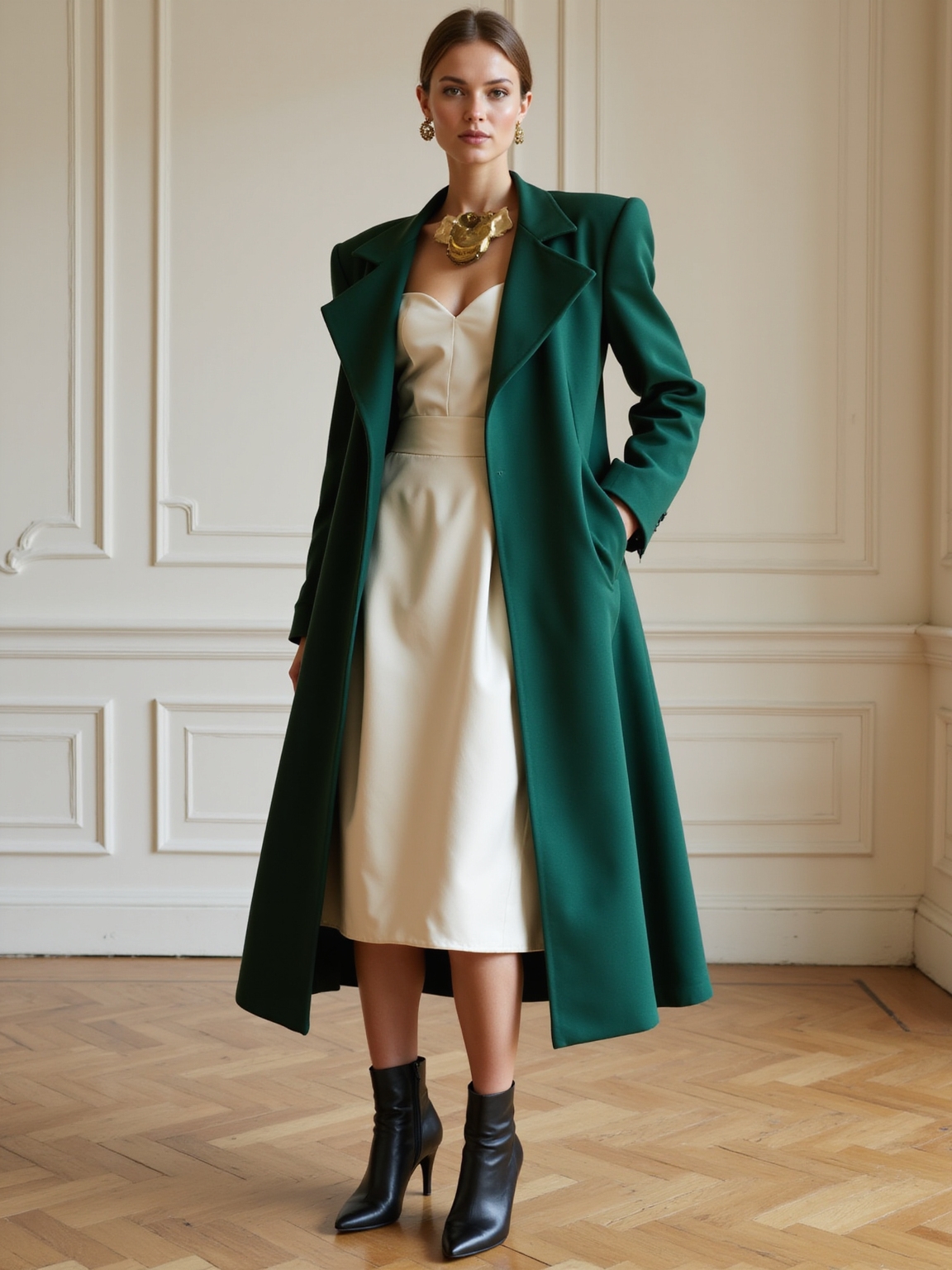
Intentionality guides my choices: I pick one piece to act as the room’s centerpiece and build everything else around it.
I choose an item that pauses the eye — a tailored coat, sculptural necklace, or vintage blazer — then compose supporting elements that respect its voice.
That focus creates quiet drama, inviting viewers to linger and discover subtle details without overwhelm. Old Money blazers convey a timeless power and polish that anchors the whole look.
Build a Cohesive Palette Inspired by Famous Paintings

When I pull color from a painting, I’m listening for its mood more than copying its exact hues; a Vermeer whisper means soft blues and warm ochres, while a Rothko will push me toward bold, meditative blocks of tone.
I blend a dominant, a supporting, and a punctuation shade, letting contrast and harmony guide choices so my outfit reads like a thoughtful canvas.
This approach echoes the principles of quiet elegance found in old money style, where understatement and refined restraint elevate the overall look.
Pick Fabrics That Feel Archival and Sculptural
Pulling a palette from a painting only gets you halfway there; the fabrics you choose finish the story by adding weight and memory.
I reach for linens that whisper age, wool with a soft grain, and satin that catches light like varnish. Choose textures that suggest history and craft, letting each material hold its quiet narrative while you move through galleries and afternoons.
For a winter wardrobe rooted in understatement, prioritize pieces that embody timeless tailoring and enduring construction.
Silhouette Strategies: Structured vs. Draped Statements
I balance the room between architecture and flow by choosing silhouettes that either hold a pose or dissolve into movement; structured pieces—tailored jackets, crisp trousers, boxed coats—frame the body like a museum plinth, while draped garments—soft slip dresses, gathered skirts, fluid trenches—respond to breath and gesture.
I mix intent: a rigid line centers attention, a soft cascade invites wandering.
Old money style often favors investment pieces and timeless tailoring, emphasizing quality craftsmanship in every choice.
Accessory Rules: Curate Bags, Jewelry, and Props
I curate accessories like small exhibitions: a single sculptural bag, a strand of heirloom pearls, or a prop that hints at a story, and I place them with purpose so each piece reads clearly against the outfit.
I choose scale, texture, and restraint—one focal jewel, one quiet clutch, a handheld object that suggests curiosity—so the ensemble feels intentional, collected, effortless.
Old Money outfits often feature cardigans as a key layer that conveys timeless, quiet luxury, and I borrow that ethos when selecting pieces for a museum-ready look that feels both refined and approachable with quiet luxury as the guiding principle.
Hair and Makeup to Complement the Gallery Vibe
Having set accessories like silent exhibits, I’ll let hair and makeup finish the room—quiet gestures that echo the same restraint.
I choose a low bun or soft waves, skin warmed with minimal glow, brows defined but not sharp.
A muted lip or dusting of color ties the look to the gallery’s light; nothing competes, everything composes.
Outfit Formulas for Gallery Openings and Exhibition Nights
When I step into a gallery opening, I dress like an echo of the room—simple lines, thoughtful textures, and a single detail that catches the light.
I pick a sculptural jacket, clean trousers, and a statement accessory—a brooch, bold earring, or polished shoe.
I let my palette be muted, my movement quiet, and my presence attentive to the art and its conversation.
Everyday Museum-Inspired Looks for Work and Coffee
Often I let the museum’s calm guide my weekday uniform: a soft blazer over a sweater, straight-leg trousers, and shoes that move quietly through gallery light and city streets alike.
I choose muted palettes, tactile fabrics, and a single thoughtful accessory—a watch or scarf—that reads as intentional. For coffee runs and meetings, the look feels composed, approachable, and quietly artful, ready for conversation or silence.
Seasonal Adjustments for Museum-Ready Style
Because the light in galleries shifts with the season, I tweak the same quiet uniform to match temperature and mood: in autumn I add a wool blazer and a muted scarf that picks up the warm ochres in plein-air paintings; in winter I choose a cashmere turtleneck and a structured coat that keeps lines clean under low light.
Spring calls for lighter layers—a linen overshirt and suede loafers—while summer asks for breathable silks and a single sunhat or folded linen pocket square to keep the silhouette airy without losing that composed, museum-ready calm.
I layer thoughtfully, favoring texture over trend, so each visit feels intentional and comfortable.
Source Vintage, Contemporary, and Sustainable Pieces
I dig through racks and markets the way I study a gallery label—looking for stories in small details: the stitch of a 1970s blazer, the surprising drape of a contemporary silk, the honest weight of a recycled wool coat.
I balance eras and ethics, mixing a found brooch with a new cut, privileging texture, provenance, and longevity so each piece feels considered, lived-in, and quietly intentional.
Budget-Friendly Ways to Achieve a Curated Look
I love finding a single thrifted statement piece that changes how the whole outfit reads, and I’ll show you how to hunt for those quietly brilliant finds.
Pairing a few capsule wardrobe staples — crisp shirt, tailored trousers, neutral knit — keeps things edited without feeling precious.
Then I’ll explain how to accessorize with intent so each scarf, brooch, or belt feels like a small, deliberate exhibition.
Thrifted Statement Pieces
I’ve learned to scout for those unmistakable thrifted statement pieces that turn a simple museum-going outfit into something quietly curated.
I hunt for a sculptural coat, a vintage scarf, or a bold brooch—small relics that carry stories.
They cost little but anchor an ensemble, invite second glances, and let my look whisper confidence without shouting, effortlessly personal and sustainably elegant.
Capsule Wardrobe Staples
That sculptural coat or vintage brooch is often the spark; now I build the quiet framework around it with a small, considered wardrobe that feels intentional without costing a fortune.
I choose timeless neutrals, well-cut trousers, a reliable knit, and a crisp shirt.
Each piece mixes easily, masks wear with texture, and stretches across seasons so mornings feel calm, not hectic.
Accessorize With Intent
Often I reach for one small thing—a brass pin, a silk scarf, a single ring—and let it quietly set the tone for the day.
I choose pieces that whisper character: vintage brooches, thrifted belts, simple hoops. They cost little but steer the story of an outfit.
Thoughtful layers and intentional placement turn modest finds into a deliberately curated, museum-ready look.
Pose Like the Centerpiece and Troubleshoot Common Traps
When I step into a gallery, I choose a pose that reads like a painting—still enough to invite inspection, relaxed enough to feel lived-in—because the way you hold yourself becomes part of the exhibit.
I square shoulders gently, shift weight to one foot, soften my gaze. I avoid frozen stiffness, overposed hands, and fussy accessories; small adjustments keep the composition natural and intentional.
I’ve found that 72% of museum visitors say a single striking piece keeps them remembering a whole room — and that idea guides how I dress: one sculptural jacket, an artwork‑worthy accessory, a muted palette that lets shapes sing.
I’ll pose, breathe, and let restraint do the curating. You don’t need a gallery’s budget; you only need a focal piece, mindful composition, and the quiet confidence to become the room’s living masterpiece.